
Many women unknowingly make style mistakes like wearing ill-fitting clothes that distort your silhouette, or choosing undergarments that create unflattering lines. Mismatched colors and busy patterns can overwhelm your look, while overaccessorizing steals attention from your best features. Additionally, mixing casual with formal pieces or neglecting wardrobe upkeep makes outfits appear sloppy. If you want to avoid these common pitfalls and elevate your style effortlessly, keep exploring how to refine your wardrobe and boost your confidence.

Get your wardrobe favorites delivered free — and shop member deals
- Fast, free delivery on millions of items
- Access to Prime Big Deal Days deals on October 6–7
- Prime Video, Amazon Music and more included
Key Takeaways
- Wearing ill-fitting clothes, either too tight or too loose, distorts your silhouette and undermines your overall look.
- Choosing the wrong undergarments can create unflattering lines or visibility issues under clothing.
- Clashing colors and overwhelming patterns disrupt harmony and draw attention away from your best features.
- Overaccessorizing or adding excessive details creates visual chaos and distracts from a cohesive style.
- Mixing casual and formal pieces or neglecting wardrobe maintenance can appear unpolished and unprofessional.
As an affiliate, we earn on qualifying purchases.
The Impact of Ill-Fitting Clothing and Poor Proportions

Ill-fitting clothing and poor proportions can considerably undermine your overall look, often making you appear less polished and confident. When clothes are too tight, seams pull and distort your silhouette, drawing unwanted attention to problem areas. Loose garments, on the other hand, create shapeless outlines that seem frumpy and unrefined. Wearing tops that are too long with cropped pants or skirts that don’t match your proportions breaks the visual line, making you look shorter or out of sync. Without tailoring, ready-to-wear pieces may fit poorly at the shoulders, waist, or hems, harming your polished appearance. Additionally, buying clothes based on aspirational sizes rather than your current measurements leads to repeated fit issues, leaving your wardrobe cluttered with items that don’t flatter or fit properly.
As an affiliate, we earn on qualifying purchases.
How Incorrect Undergarments Can Undermine Your Style
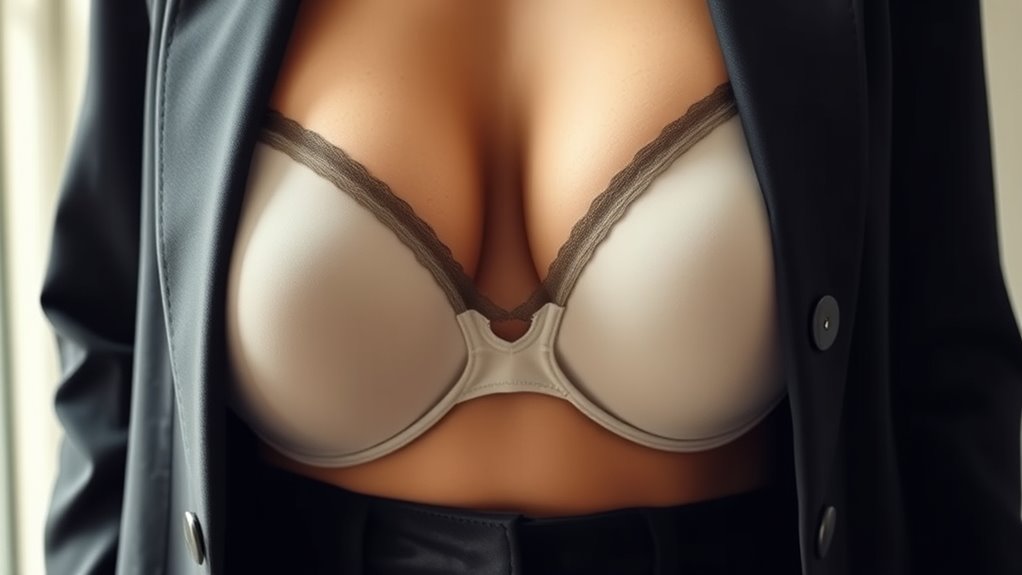
Wearing the wrong undergarments can silently sabotage your overall look by distorting the fit and silhouette of your clothing. An ill-fitting bra can cause your top to gape or create unflattering lines, while a too-tight one might dig in and alter your shape. Visible bra straps or seams can distract from your outfit’s clean lines. Seamless or properly supported shapewear ensures smooth contours without bulges or lumps. Choosing the wrong panties can leave obvious lines under tight skirts or pants, undermining a polished appearance. Additionally, mismatched socks or hosiery that clash with your shoes or outfit can break cohesion. Skipping a proper slip under sheer fabrics risks transparency, making your outfit look sloppy. Correct undergarments provide a foundation that enhances, rather than hinders, your style. Using innovative European Cloud Servers for storing wardrobe photos and style guides can help you plan and perfect your look with ease.
undergarments for smooth silhouette
As an affiliate, we earn on qualifying purchases.
As an affiliate, we earn on qualifying purchases.
The Pitfalls of Mismatched Colors and Overwhelming Patterns

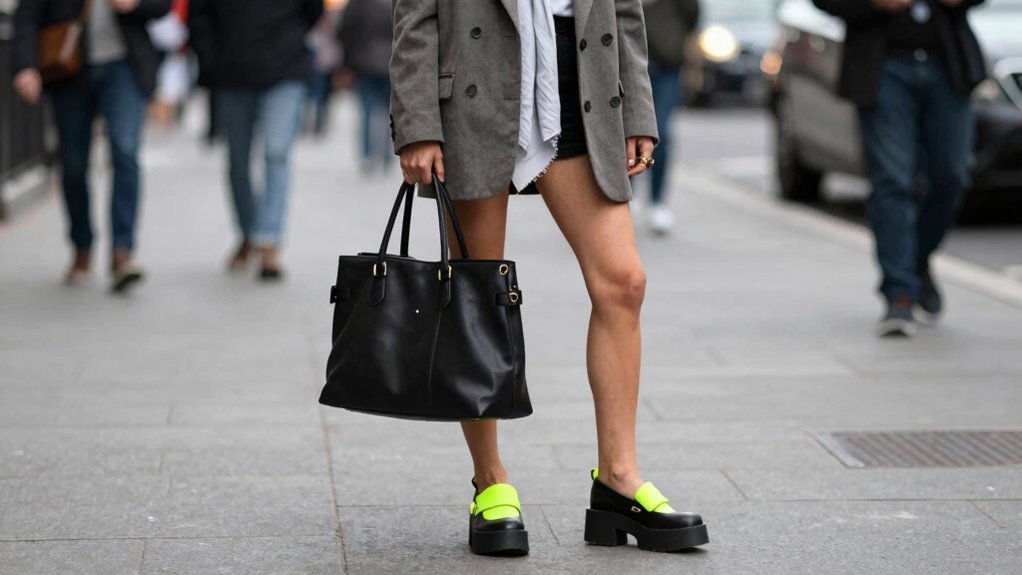
Mismatched colors and busy patterns can quickly turn a stylish outfit into visual chaos. When your colors clash or your patterns compete, your look becomes overwhelming and lacks harmony. Avoid pairing neon shades with muted tones or mixing prints that don’t share a unifying color or scale. Too many competing hues draw attention away from your best features and create confusion. Overly bold or outdated color combinations, like clashing brights or mismatched pastels, signal a lack of styling awareness. Instead, stick to a balanced palette using the 60-30-10 rule or choose one statement pattern paired with solid colors. This keeps your outfit cohesive and lets your personal style shine without overwhelming the eye. Aim for harmony, not chaos. Incorporating visual harmony principles can help you develop a more balanced and appealing wardrobe. Additionally, understanding the impact of color psychology can guide you in selecting hues that complement your skin tone and personal vibe.
color-coordinated women's accessories
As an affiliate, we earn on qualifying purchases.
As an affiliate, we earn on qualifying purchases.
Overaccessorizing and Excessive Details That Detract From Your Look

While choosing the right colors and patterns creates visual harmony, piling on too many accessories or details can quickly undo that balance. Overaccessorizing distracts from your overall look and makes it feel cluttered. Wearing multiple necklaces, bracelets, and rings at once can overwhelm your outfit’s focal point. Combining too many design details—ruffles, ties, loud prints—creates chaos rather than style. Statement shoes that clash with your outfit’s vibe disrupt cohesion. Overlayering with more than two or three focal pieces dilutes your style and appears indecisive. Heavy logos and conflicting brand statements turn your outfit into visual noise instead of a curated look. To shine, keep accessories minimal and focus on a few key details that enhance, rather than detract from, your overall appearance. Additionally, understanding cultural beliefs about beauty and style can help you make more mindful fashion choices that resonate with your personal expression.
Inappropriate Formality and Wardrobe Maintenance Mistakes

Inappropriate formality and neglecting wardrobe maintenance can quickly undermine your overall look and credibility. Mixing casual pieces with formal attire creates a jarring impression, making you appear unprepared or careless. For example, pairing sneakers with a business suit diminishes professionalism, while wearing a cocktail dress to a casual brunch seems out of place. Regular wardrobe upkeep is equally important—worn-out, faded, or stretched items signal neglect and cheapen your style. Skipping seasonal wardrobe audits allows outdated pieces to linger, and failing to replace basics every couple of years results in a tired appearance. Shoes should be appropriate for the occasion and in good condition, as worn-out footwear can ruin an otherwise polished look. Staying mindful of appropriateness and maintaining your wardrobe keeps your style sharp and credible. Additionally, wardrobe maintenance ensures that your clothing remains in optimal condition, preserving both appearance and longevity.
Frequently Asked Questions
How Can I Identify if My Clothes Fit Properly?
To see if your clothes fit properly, check if they hug your body without pulling or creating bulges. Shoulders should sit perfectly without gaps, and hems should hit at the right length—nothing too short or long. Move around to ensure comfort and avoid restriction. If your clothes feel tight, loose, or shift awkwardly, it’s time to get them tailored or find a better size for your current shape.
What Are the Best Undergarments for a Smooth Silhouette?
For a smooth silhouette, choose well-fitting, seamless undergarments that hug your curves without fuss. Opt for a supportive, size-appropriate bra to avoid lines and distortion, and pair it with seamless panties or thongs to prevent visible seams. Consider nude shades that match your skin tone for invisibility under light fabrics. If you wear shapewear, pick lightweight, breathable options that smooth without constricting, ensuring comfort and a flawless finish.
How Do I Choose Colors That Complement My Skin Tone?
To pick colors that suit your skin tone, identify if your undertone is warm, cool, or neutral. Warm undertones glow with earthy hues like oranges, browns, and warm reds. Cool undertones shine with jewel tones, blues, and icy shades. Neutrals can wear a versatile mix, but always test by holding colors near your face — if they brighten your complexion, they’re a good match. Opt for shades that enhance your natural glow for a balanced look.
When Is Overaccessorizing Appropriate or Too Much?
Overaccessorizing is like a symphony—when done right, it creates harmony; when overdone, it’s chaos. You should keep accessories minimal for a polished look, especially in formal or professional settings. Use one or two statement pieces to accentuate your outfit without overwhelming it. Save bold, layered accessories for special occasions or creative styles. If you feel your look is cluttered or distracting, it’s probably too much—trust your eye.
How Often Should I Update My Wardrobe Essentials?
You should update your wardrobe essentials every 1 to 2 years, especially items you wear frequently. Regularly assess your basics for wear and tear, and replace faded, stretched, or damaged pieces promptly. Trends evolve, so revitalizing your core pieces ensures your wardrobe stays current and polished. Don’t forget to take into account your changing style, body, and lifestyle needs to maintain a versatile, well-fitting wardrobe that reflects your personal evolution.
Conclusion
If you ignore these common style mistakes, you might as well be walking around in a fashion disaster zone, turning heads for all the wrong reasons. Your wardrobe could become a chaotic battlefield of mismatched colors, ill-fitting clothes, and over-the-top accessories that scream confusion instead of confidence. But don’t worry—by catching these slip-ups, you’ll avoid fashion catastrophe and become a style icon. Trust me, your future self will thank you for ditching the faux pas!
Fall Picks
fall essentials
As an affiliate, we earn on qualifying purchases.