TL;DR

Get your wardrobe favorites delivered free with Prime
- Fast, free delivery on millions of items
- Prime Video, Amazon Music and more included
- Member-only deals all year
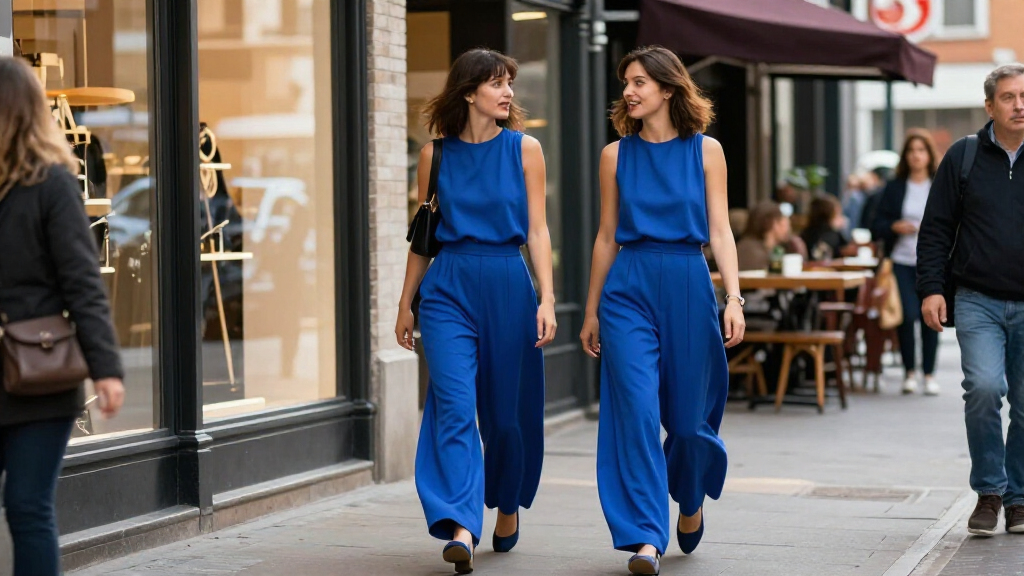
The Atlantic published an article titled “Why I Suddenly Started Seeing the Same Pair of Pants Everywhere.” Its headline describes a personal observation, but the available information does not identify the pants or explain the observation.
The Atlantic published an article titled “Why I Suddenly Started Seeing the Same Pair of Pants Everywhere,” according to the publication’s article page. The headline describes a personal observation but does not identify the pants or explain why the writer noticed them. The available source information does not establish that a specific item has become a widespread fashion trend.
The cited The Atlantic article page confirms the headline and publication, but the available material does not include the article’s body. It provides no description of the garment, where the author encountered it, how often it appeared, or what explanation the article offers. Those details cannot be reported as facts.
The headline’s first-person wording indicates that the piece concerns one writer’s perception. By itself, it does not show that multiple people wore an identical pair of pants, that sales or searches increased, or that retailers and designers were responding to a shared trend. The title may refer to a recurring look rather than an identical product; the available source information does not resolve that distinction.
No interviews, research, sales figures, social-media data or direct quotations are included in the material available for this report. There are therefore no attributable claims or quotes to include beyond the title. Any account of the clothing’s identity or the reason it seemed ubiquitous would require the article text or additional sourcing.
Headline check · The Atlantic · October 2026
Why I Suddenly Started Seeing The Same Pair Of Pants Everywhere
The headline describes one writer’s observation. The available source confirms the article and its subject, but does not identify the pants or explain why they seemed to appear repeatedly.
What the headline tells us
The title raises a question about repeated sightings and visibility. Without the article body, its wording cannot establish what garment was involved or whether the observation reflects a wider fashion shift.
A personal observation
First-person wording frames the story around one writer’s perception of seeing pants repeatedly.
The pants are unidentified
No brand, model, cut, or defining feature can be named from the available source information.
A trend is not established
The headline alone does not show broad popularity, rising sales, or a coordinated fashion movement.
Observation ≠ trend evidence
“Everywhere” is not quantified in the available material. No locations, timeframe, count, retailer data, survey, or social-media pattern is provided.
“The same pair” could mean one specific product, a recurring silhouette, or a similar look across different garments. The title does not settle that distinction.
Any explanation—fashion cycles, advertising, personal taste, or another cause—would require the article text or additional reporting.
Headline-level confirmation
The available material confirms publication and subject only. It offers no observations or data to assess a broader shift.
Questions the source cannot answer
The full article or independent reporting would be needed to move beyond the title.
Which pants?
No label, model, or recognizable design detail is identified.
Where and how often?
The available information gives no locations, count, or duration for the sightings.
Why did they stand out?
The headline poses the question, but the reason is not stated in the material available.
Was it a wider trend?
No sales figures, research, interviews, or broader observations are included.
From headline to a supported account
What the Headline Does—and Does Not—Show
A headline describing repeated sightings does not, on its own, establish a broader change in fashion. Evidence for a trend would require additional reporting, such as documented observations across locations, retailer data or a clearly described social-media pattern. The cited article page, as available here, supplies no such evidence.
The available headline and source information do not establish whether the pants were popular, newly fashionable or more noticeable to the author. The title raises a question about clothing and visibility, but it does not provide evidence of a market-wide shift.
Popular right now

Ninja Foodi 10-Quart DualZone 6-in-1 Air Fryer, Black, DZ302

Dreame L40 Ultra Gen 2 Robot Vacuum and Mop

Vitamix 5200 Professional-Grade Blender, 64 oz. Container, Black
As an affiliate, we earn on qualifying purchases.
What the Headline Establishes
The headline uses the phrase “the same pair of pants” and says the writer began seeing them “everywhere.” Without the article text, it is not possible to tell whether “same” refers to a particular brand or model, a similar silhouette, or a general style. The word “everywhere” is not a quantified claim in the available material: no timeframe, locations or count are provided.
The headline also says the writer started noticing the pants suddenly, but does not explain what caused the change. The available source information does not establish whether the piece discusses a fashion cycle, a social trend, personal taste, advertising or another explanation.
The Missing Article Details
The available source information does not answer the central questions: which pants the headline refers to, where the author saw them, how long the pattern lasted or why the writer thought it had begun. It does not establish whether the article names a label, includes photographs, cites other observers or compares the writer’s impression with data.
It is also unclear whether the title describes repeated sightings of a particular garment or a look shared by different pairs of pants. The headline alone does not support conclusions about popularity, sales, cultural influence or a sudden fashion shift. Those points require the article’s full text or additional reporting.
The Full Text Is Needed
A fuller account requires the article body or independent reporting that identifies the garment and explains the author’s observation. That information would allow readers to distinguish a personal account from evidence of a wider trend and to assess any explanation or expert comment.
For now, the confirmed information is limited to The Atlantic’s publication of the article and the subject indicated by its headline. The cited source provides no further evidence, follow-up or next milestone in the material available here.
Source: The Atlantic
Key Questions
What is the article about?
The Atlantic headline says the writer began seeing the same pair of pants repeatedly. The article text is not available here, so the garment and the explanation are unknown.
Which pants does the headline mean?
The available information does not identify a brand, model, cut or other specific feature. Naming one would be speculation.
Does this confirm that the pants are a fashion trend?
No. A headline describing one person’s observation does not establish widespread popularity. The available source information includes no sales figures, survey results or broader observations.
Why did the writer suddenly notice the pants?
The reason is not stated in the available information. The headline raises the question but does not provide the article’s explanation.
Source: The Atlantic