The plus-size revolution has transformed fashion through increased representation, innovative design, and inclusive retail strategies driven by consumer demand and social movements like body positivity. Brands now offer wider size ranges, use advanced digital tools for better fit, and showcase diverse body types in campaigns and runways. Online shopping and tech advancements make inclusive styles more accessible, though challenges remain. Keep exploring to discover how these changes continue shaping a more inclusive industry.

Get your wardrobe favorites delivered free with Prime
- Fast, free delivery on millions of items
- Prime Video, Amazon Music and more included
- Member-only deals all year
Key Takeaways
- The industry has expanded sizing ranges and incorporated inclusive collections, reflecting a shift toward diversity and body positivity.
- Media and fashion campaigns increasingly feature plus-size models, normalizing diverse body types in mainstream fashion.
- Retailers leverage data and digital tools to improve fit, accessibility, and product development for larger bodies.
- Influencers and social movements like body positivity promote societal acceptance and challenge traditional beauty norms.
- Technological innovations, such as 3D sampling and virtual try-on, streamline inclusive design and enhance consumer experience.
As an affiliate, we earn on qualifying purchases.
Market Growth and Emerging Opportunities
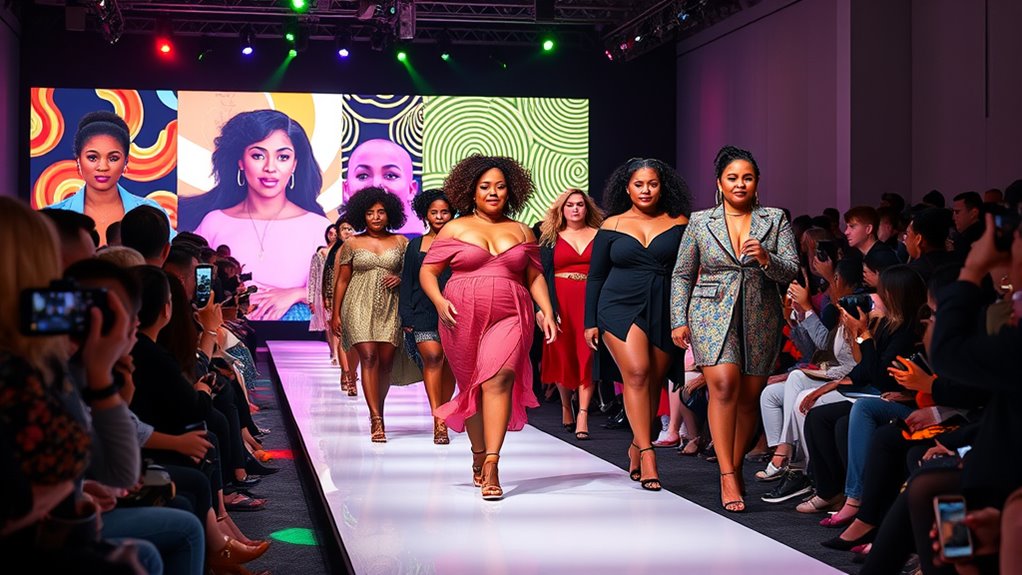
The plus-size fashion market is experiencing rapid growth, driven by increasing consumer demand and expanding brand participation. You’ll notice estimates range widely, but most projections place the market value between USD 114 billion and over USD 350 billion in the early 2020s. By 2025, forecasts suggest it’ll hit around USD 320–333 billion, with a compound annual growth rate of about 4.1% to 6.9%. This growth isn’t slowing down—long-term estimates project the market could reach USD 412–533 billion by the early 2030s. North America leads the charge, accounting for roughly 40–44% of sales, while China, Japan, and Europe also contribute notably. Emerging segments like activewear and casual styles are fueling this expansion, especially as demand for functional, comfortable, and inclusive fashion continues to surge. Market growth is also supported by increased awareness and advocacy for size inclusivity across the fashion industry. Additionally, the rise of digital shopping platforms has made plus-size options more accessible to a broader audience worldwide. Furthermore, brands are increasingly adopting size diversity in their marketing and product lines, which helps to attract a wider consumer base and promote body positivity. This shift is driven by a greater understanding of body positivity and its importance in fostering an inclusive industry. As a result, the industry is becoming more inclusive and representative of diverse body types, encouraging positive change across the fashion landscape.
As an affiliate, we earn on qualifying purchases.
Shifting Representation in Fashion Weeks and Media
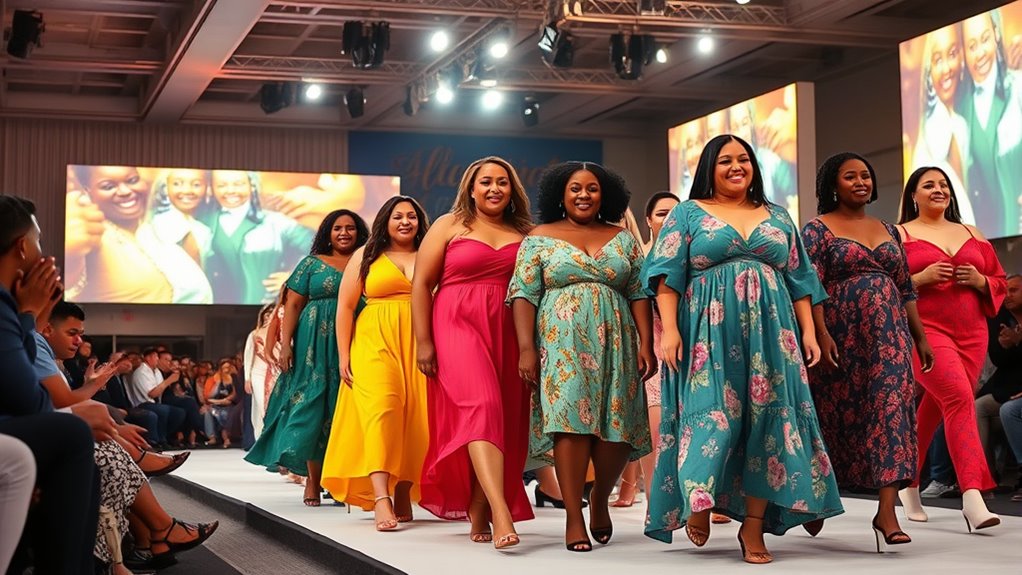
While progress has been made, shifting representation of plus-size models in fashion weeks and media remains uneven. You’ll notice more plus-size models on runways and in campaigns, but their presence still isn’t consistent across seasons or brands. Major fashion weeks have increased plus-size participation, with some estimates suggesting around 26% of models are now plus-size, yet opportunities for visibility remain limited. In high-fashion media, plus-size models appear in roughly 30% of luxury brand campaigns, but they often dominate specific collections rather than achieving broad inclusion. Representation diversity continues to be a key focus for brands aiming for authentic inclusivity. While brands and editors recognize the importance of diverse representation, true parity is still a work in progress. Increasing awareness of research-backed insights about diverse representation helps support continued progress toward genuine inclusivity in fashion’s visual storytelling. Additionally, ongoing efforts to normalize diverse bodies across various platforms are essential for long-term change. Recognizing the psychological impact of positive affirmation can further empower models and advocates working toward greater diversity. Emphasizing the importance of inclusive marketing strategies can also enhance visibility for underrepresented groups.
body positivity fashion campaigns
As an affiliate, we earn on qualifying purchases.
As an affiliate, we earn on qualifying purchases.
Retail Strategies Driving Inclusion
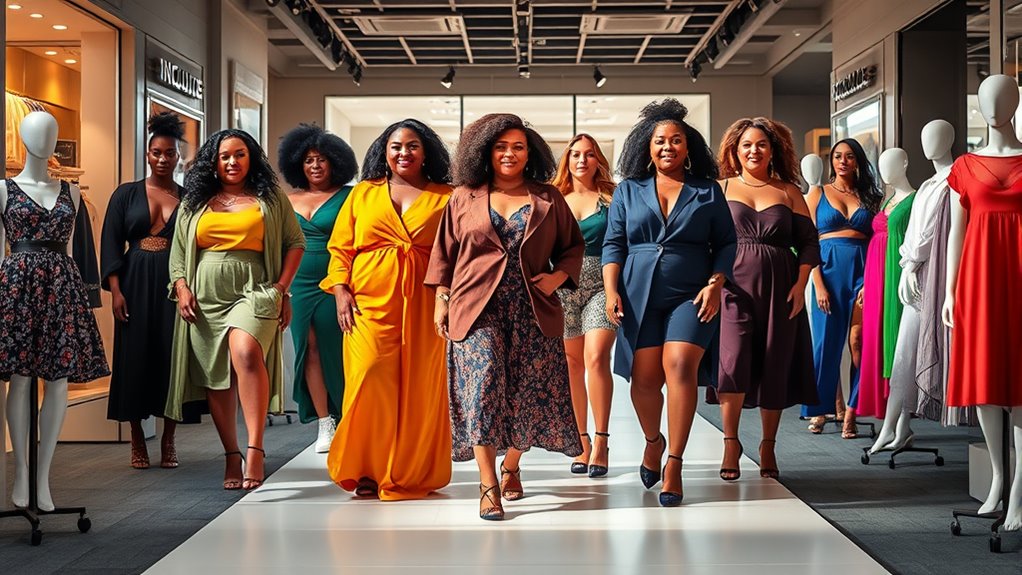
Retailers are actively reshaping their strategies to promote inclusion in plus-size fashion. They’re expanding assortments and launching dedicated plus-size collections, making it easier for you to find stylish, well-fitting options. Online channels now drive a significant share of plus-size sales, offering broader SKUs and convenient access. Many brands are relying on data analytics—sales trends, fit feedback, returns—to decide which sizes and styles to stock, reducing waste and improving fit. Incorporating sustainable manufacturing practices and considering wave and wind factors into manufacturing processes can further enhance sustainability and product durability in plus-size apparel, aligning with evolving consumer values. Additionally, integrating innovative materials can help create more durable and eco-friendly garments that meet the needs of diverse body types. Embracing inclusive sizing is also essential to ensure all consumers feel represented and catered to, supporting a more diverse and equitable fashion industry.
plus size virtual try-on clothing
As an affiliate, we earn on qualifying purchases.
As an affiliate, we earn on qualifying purchases.
Changing Consumer Demographics and Purchase Trends
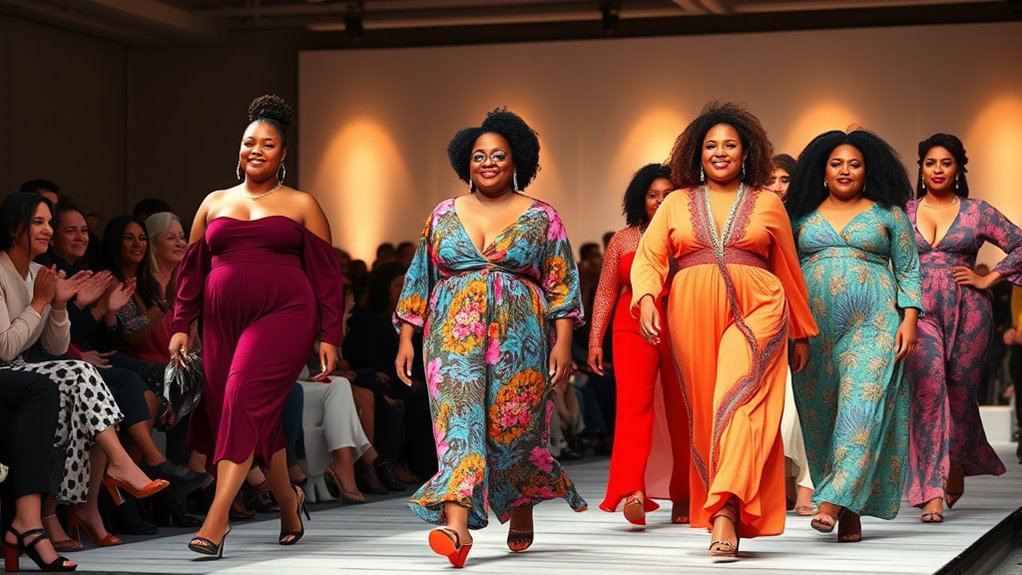
As plus-size fashion becomes more mainstream, consumer demographics are shifting considerably. You’ll notice that over 68% of U.S. women wear sizes 14 or above, fueling demand. Your purchase trends show a focus on value, fit, and function, especially in activewear and athleisure, driven by lifestyle and fitness trends. Here are key changes to watch:
Over 68% of U.S. women wear sizes 14+, driving demand for inclusive, functional plus-size fashion.
- Increased brand loyalty where fit and sizing are reliable, but frustration grows from inconsistent options.
- A rise in online shopping, offering broader assortments and easier access to extended sizes.
- Consumers prioritizing inclusive design, demanding adaptive closures and multiple fit models. Ensuring proper fit involves understanding Water in the Wilderness, which emphasizes the importance of accurate measurements and adaptable styles. Recognizing the significance of fit consistency can help brands build trust and loyalty among consumers. Additionally, addressing maintenance costs and ensuring reliable sizing can reduce returns and enhance customer satisfaction.
- Economic pressures leading some to trim physical stores, making digital channels the main purchase point.
- The importance of understanding feature buddies and how they influence product development and customer satisfaction.
These shifts reflect a more diverse, empowered, and pragmatic consumer base driving the industry forward.
Innovations in Design, Fit, and Product Development
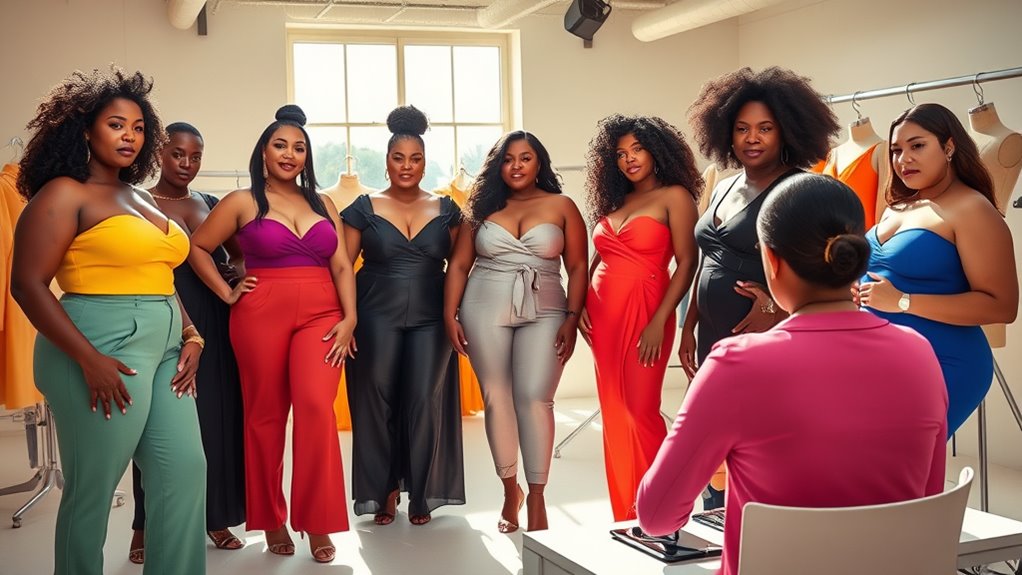
Innovations in design, fit, and product development are transforming the plus-size fashion industry by prioritizing inclusivity and functionality. You’ll notice brands investing in advanced graded patternmaking and fit modeling, ensuring garments better proportion to larger bodies. Supportive materials and construction techniques now enhance comfort, especially in activewear and shapewear. Many brands adopt size-inclusive design practices, using multiple fit models and adaptive closures to create versatile, comfortable pieces. Digital tools like 3D sampling, AI-driven fit prediction, and virtual try-on accelerate development, reducing returns and streamlining the process. Some brands offer extensive size ranges, from 00 to 40, centralizing fit development across many sizes. These innovations not only improve fit but also make plus-size fashion more accessible, functional, and aligned with modern consumer needs. Additionally, the integration of advanced grading techniques ensures consistent sizing and better fit across all styles. Moreover, the use of digital design tools allows for rapid prototyping and customization, further enhancing inclusivity. The incorporation of inclusive sizing ranges reflects a growing industry commitment to diversity and representation.
The Role of Social Movements and Cultural Shifts
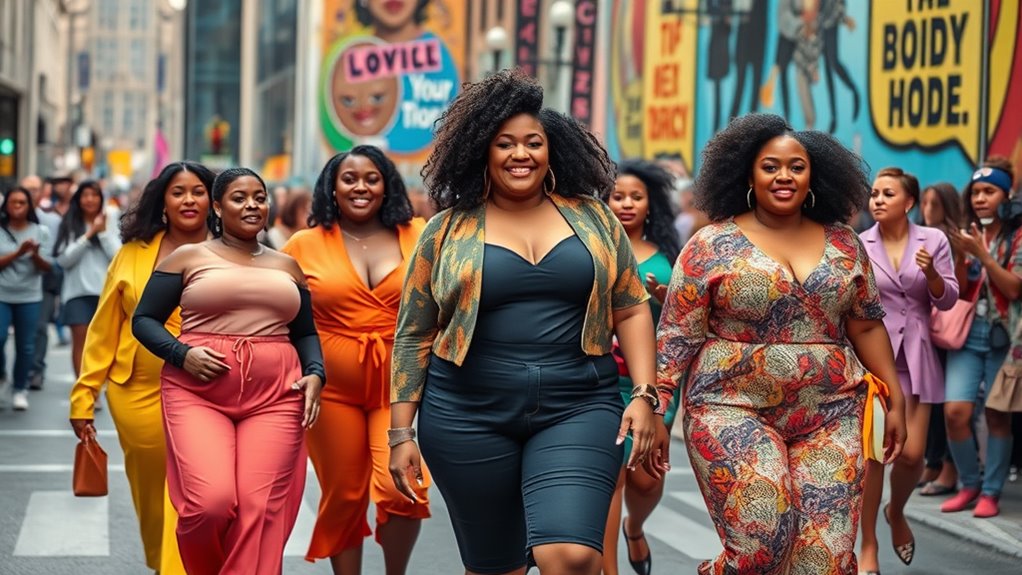
Social movements like body positivity have shifted cultural expectations, pushing brands to embrace size inclusivity. Influencers now play a key role in shaping norms and challenging traditional beauty standards. Meanwhile, media representation has grown, giving plus-size individuals more visibility and helping to normalize diverse body types. Additionally, the increased use of inclusive sizing in fashion collections demonstrates how industry practices are changing to accommodate a broader range of body sizes. This shift is also supported by industry standards that promote more responsible and representative sizing practices across brands.
Body Positivity Movement
The body positivity movement has considerably reshaped how society perceives beauty, pushing brands and consumers alike to embrace diversity in size and appearance. You now see more representation in media, advertising, and fashion campaigns that celebrate all bodies. This shift encourages you to challenge traditional standards and embrace self-love. Here’s how the movement has made an impact:
- It promotes inclusivity by advocating for varied body types in mainstream media.
- It inspires brands to feature diverse models, making products more relatable.
- It fosters community support through social media, amplifying authentic voices.
- It pushes cultural conversations toward acceptance, reducing stigma around plus-size bodies.
This movement fuels change, making society more open-minded and empowering you to see beauty beyond narrow ideals.
Influencers Shaping Norms
Influencers and social movements now play a pivotal role in shaping societal norms around body image and inclusivity. You see, they challenge traditional beauty standards by showcasing diverse, real bodies across social media platforms. Influencers with larger audiences share authentic stories, promote self-love, and highlight brand inclusivity, pushing the industry toward more representation. Movements like body positivity and size acceptance rally communities around the idea that all bodies deserve respect and visibility. Their voices influence consumers’ perceptions and demand change from brands and retailers. As a result, you witness a shift in cultural expectations—not just in fashion but in wider society—where diversity is celebrated and health at every size is normalized. These influencers and movements accelerate the ongoing plus-size revolution, making inclusivity an industry standard.
Media Representation Growth
Media representation of plus-size fashion has experienced significant growth driven by broader cultural shifts and social movements advocating for inclusivity. You’ve seen more plus-size models in campaigns, runway shows, and luxury brand newsletters. This movement is fueled by societal demand for authentic representation and body positivity.
Here’s how media growth is shaping the landscape:
- Plus-size models now make up about 26.4% of models at major Fashion Weeks in 2025.
- Visibility in high-fashion communications increased, with roughly 30% of luxury brand campaigns featuring plus-size models.
- The use of plus-size models on runways remains limited but shows gradual progress.
- Advertising and editorial content increasingly include diverse body types, though parity is still a work in progress.
This shift highlights a cultural push toward greater acceptance and representation.
Impact of Digital Technologies on Plus-Size Fashion
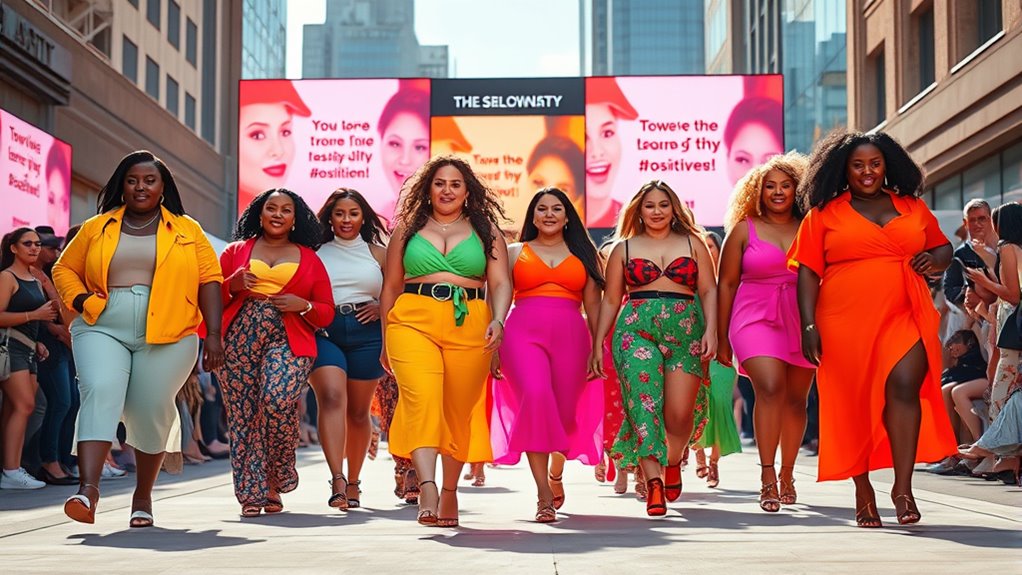
Digital technologies like 3D fitting tools and AI-driven design insights are transforming how plus-size fashion develops and fits. These innovations help you create more accurate, inclusive garments while reducing waste and returns. As a result, brands can respond faster to consumer needs and push the boundaries of size-inclusive design.
3D Fitting Technologies
Advancements in fitting technologies are transforming how plus-size fashion brands develop and deliver clothing. You now benefit from digital tools that improve fit accuracy and reduce returns. Here are four key innovations:
- 3D Body Scanning – Capture detailed measurements quickly, ensuring garments match your unique shape.
- AI Fit Prediction – Use algorithms to suggest the best size and fit, minimizing guesswork.
- Virtual Try-On – Try clothes virtually online, helping you visualize fit before purchasing.
- Digital Fit Models – Simulate how garments fit on diverse body types, promoting inclusive sizing.
These technologies lead to better-fitting clothes, increased confidence, and a more personalized shopping experience, making plus-size fashion more accessible and innovative than ever.
AI-Driven Design Insights
AI-driven design insights are revolutionizing how plus-size fashion brands create and refine their collections. You now have access to advanced tools like 3D sampling, AI-powered fit prediction, and virtual try-ons that allow for faster, more accurate development of inclusive sizing. These technologies help identify precise fit issues before production, reducing costly returns and improving customer satisfaction. By analyzing consumer data, AI reveals trends in fit preferences and fabric choices, enabling brands to tailor designs specifically for larger bodies. You can also experiment with adaptive closures and multiple fit models to ensure comfort and support. Overall, AI accelerates the design cycle, enhances fit accuracy, and fosters innovation—making plus-size fashion more responsive, inclusive, and aligned with consumer needs.
Challenges and Barriers to Full Inclusion
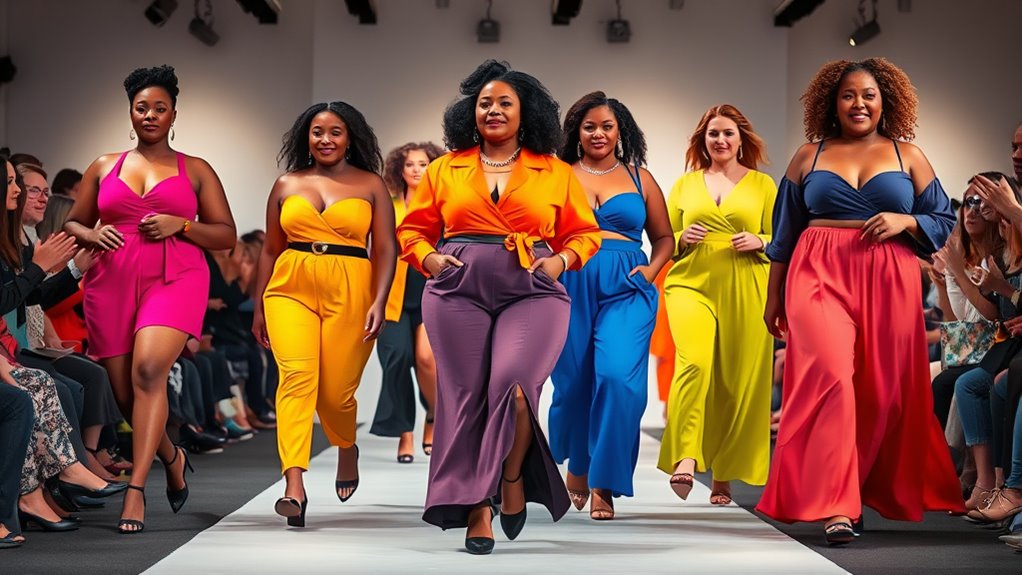
Despite the growing demand for plus-size fashion, full inclusion remains hindered by several key challenges. First, many brands still hesitate to invest fully, fearing profit risks or alienating core customers. Second, inconsistent sizing across brands creates confusion, discouraging loyal shoppers. Third, limited physical store options and inadequate online visibility make it hard for consumers to find brands that truly cater to their needs. Fourth, societal biases and stereotypes persist in marketing and design, often leading to tokenism rather than genuine representation. These barriers prevent the industry from achieving true inclusivity, leaving many plus-size consumers feeling overlooked or underserved. Overcoming these obstacles requires not just market growth but a committed shift toward authentic, size-inclusive practices.
The Future Outlook for Plus-Size Fashion
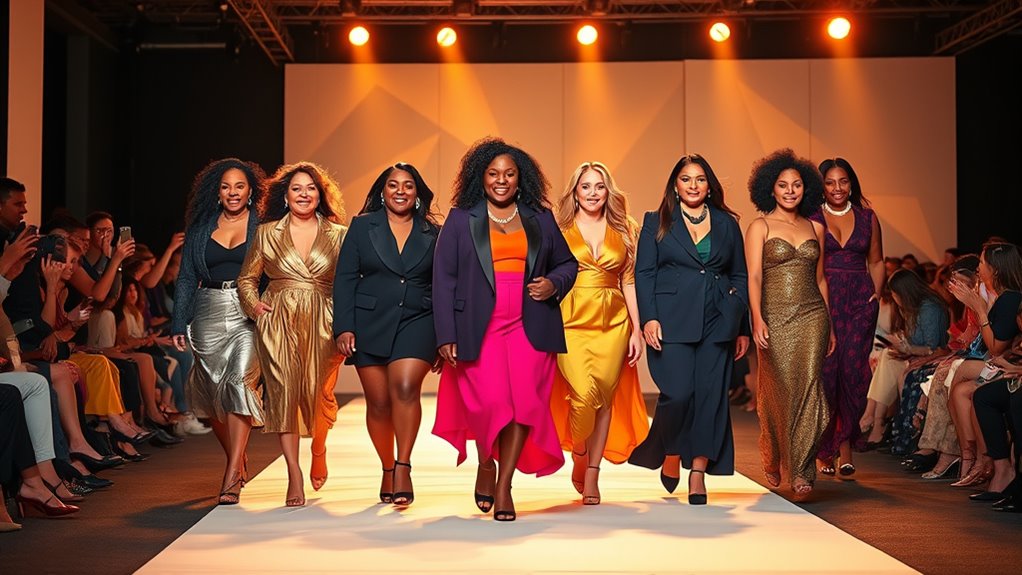
The future of plus-size fashion looks promising as brands and retailers increasingly prioritize inclusivity and innovation. You can expect continued market growth, with projections reaching over USD 400 billion by the early 2030s, driven by rising demand and expanding consumer demographics. Expect more brands to embrace size-inclusive design, leveraging digital tools like 3D sampling and AI fit prediction to improve garment precision and reduce returns. E-commerce will remain a key driver, offering broader selections and personalized shopping experiences. Representation will keep improving, with plus-size models gaining visibility on runways and in campaigns, fostering authentic inclusivity. As body positivity and social responsibility grow, you’ll see brands investing more in diverse marketing and sustainable practices, making plus-size fashion a crucial, mainstream part of the industry’s future.
Frequently Asked Questions
How Are Brands Ensuring Size Inclusivity Across All Product Categories?
Brands guarantee size inclusivity by expanding their product ranges across all categories, from activewear to formal wear. They use data-driven decisions, invest in fit technology, and collaborate with plus-size designers to improve tailoring. Inclusive design practices, multiple fit models, and adaptive closures are common. They also leverage digital tools like 3D sampling and virtual try-on, making products accessible online and in-store, and ensuring every customer finds well-fitting, stylish options.
What Role Do Influencers Play in Shaping Plus-Size Fashion Trends?
You see influencers play a essential role in shaping plus-size fashion trends by showcasing authentic, diverse bodies and promoting inclusive brands. They set trends through social media, encouraging their followers to embrace body positivity and try new styles. Their impact drives demand for more varied, stylish options and holds brands accountable for representation. As a result, influencers help normalize plus-size fashion, making it more mainstream and accessible to everyone.
How Is Sustainability Integrated Into Plus-Size Apparel Development?
You can see sustainability integrated into plus-size apparel through brands like Girlfriend Collective, which uses recycled materials for their activewear. They design inclusive sizes with eco-friendly fabrics, reducing waste and environmental impact. By prioritizing sustainable sourcing, eco-conscious manufacturing, and versatile designs, brands meet the demands of plus-size consumers who value both fit and eco-responsibility, shaping a more sustainable future in fashion.
What Strategies Are Brands Using to Combat Sizing Inconsistencies?
You can combat sizing inconsistencies by adopting data-driven strategies like sales-per-size analysis and fit analytics, which help brands identify ideal size ranges. Incorporating digital tools such as 3D sampling and AI-driven fit prediction ensures better accuracy and reduces returns. Using multiple fit models and inclusive design practices also helps create consistent, comfortable garments. Collaborating with specialists and adopting adaptive closures further enhance sizing precision, building consumer trust and loyalty.
How Will Future Technology Further Personalize Plus-Size Shopping Experiences?
Technology is set to revolutionize your plus-size shopping by making it more personal than ever. You’ll see AI-driven fit predictions tailored to your body shape, virtual try-on tools that eliminate guesswork, and 3D scanning to capture your exact measurements. These innovations will help you find perfectly fitting clothes faster, reducing frustration and returns. It’s a game-changer, making shopping less of a shot in the dark and more about confidence.
Conclusion
You see the plus-size revolution shaping the future, shaping opportunities, shaping perceptions. You witness the rise of inclusivity, the embrace of diversity, the celebration of authenticity. You feel the momentum building, the barriers breaking, the boundaries expanding. You’re part of this movement, driving change, inspiring confidence, redefining beauty. And as this wave continues to grow, it’s clear: fashion is finally becoming as inclusive as it’s always deserved to be.
Fall Picks
fall essentials
As an affiliate, we earn on qualifying purchases.