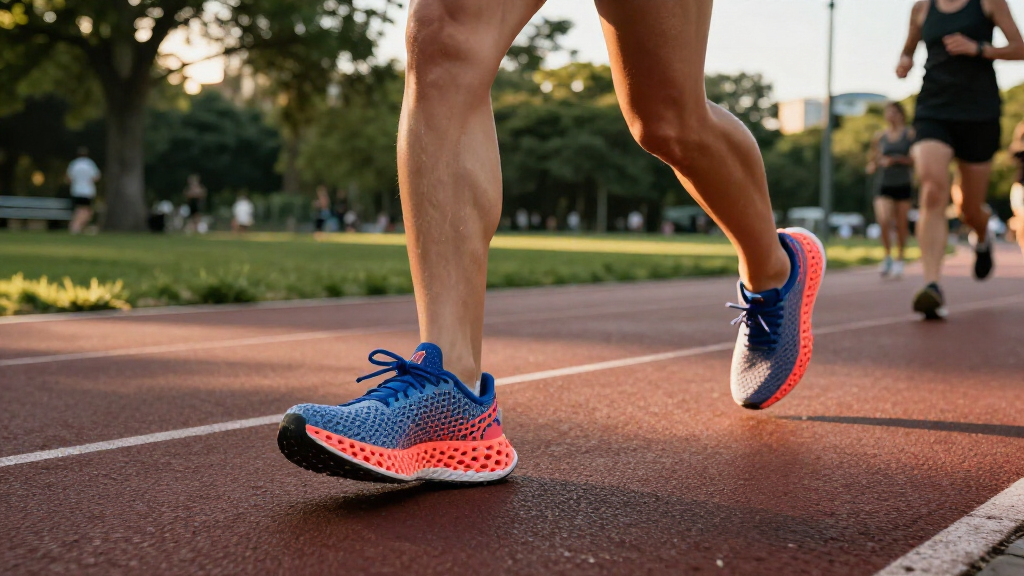

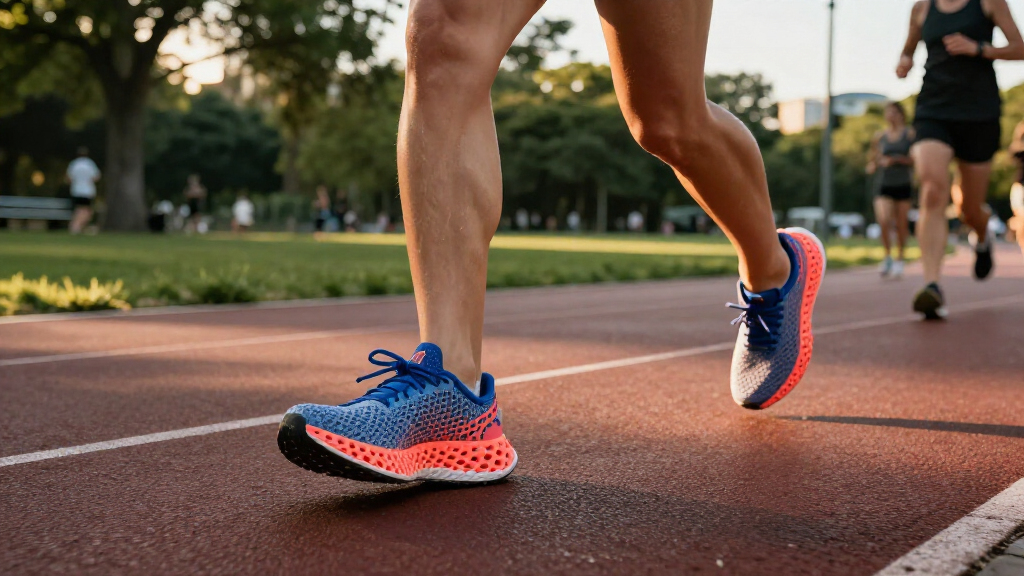
Finding the best 3D printed running shoes means separating shoes with a documented printed lattice midsole from styles that only share an airy or unusual shape. My lead pick is the adidas 4D Run 1.0, the clearest match for runners seeking a 3D-printed midsole. The adidas Women’s 4DFWD 2 adds a performance-oriented upper and Continental Rubber outsole, while the adidas 4D Fusio is a more restrained choice when the listing does not spell out the midsole construction.

Get your wardrobe favorites delivered free with Prime
- Fast, free delivery on millions of items
- Prime Video, Amazon Music and more included
- Member-only deals all year
The main tradeoff is specificity: product information for the Run 1.0 describes its lattice cushioning and intended energy return, while the other adidas listings give less detail about their 3D-printed components. The lightweight hollow-out slip-on is included as a casual, airy alternative, not as a verified running shoe. I rank these options by how well the supplied details support running use, how clearly they describe the 3D-printing connection, and how much uncertainty a buyer must accept about fit and construction.
Key Takeaways
- The adidas 4D Run 1.0 is the most direct match because its listing explicitly identifies a Digital Light Synthesis 3D-printed lattice midsole.
- The Women’s 4DFWD 2 pairs PRIMEKNIT+ and engineered mesh with a Continental Rubber outsole, but its supplied description does not specify the midsole’s printed construction.
- The 4D Fusio has a mesh upper and lace closure, though the provided details do not explain its midsole technology or support profile.
- The hollow-out slip-on is designed for casual walks, beach trips, and poolside wear; its open lattice is not evidence of a running-shoe midsole.
- Fit information is limited across these listings: check the size chart and fit details before choosing, especially if you need a specific width or size.
| adidas 4D Run 1.0 Men’s Running Shoes, White |  | Best Overall for a Clearly Identified 3D-Printed Midsole | Category: Men’s running shoes | Midsole: 3D-printed lattice made using Digital Light Synthesis | Midsole design: Described as designed using 17 years of athletic data | VIEW LATEST PRICE | See Our Full Breakdown |
| adidas Women’s 4DFWD 2 Running Shoes |  | Best for a Running-Specific Upper and Outsole | Category: Women’s running shoes | Upper: adidas PRIMEKNIT+ and engineered mesh | Fit: Regular | VIEW LATEST PRICE | See Our Full Breakdown |
| adidas Men’s 4D Fusio Shoes |  | Best for a Simple Lace-Up Mesh Build | Category: Men’s shoes | Outer material: Mesh | Sole material: Synthetic rubber | VIEW LATEST PRICE | See Our Full Breakdown |
| Lightweight Hollow-Out Slip-On Casual Shoes |  | Best for Airy Casual Wear, Not Running | Category: Casual slip-on shoes | Design: Open lattice | Closure: Slip-on | VIEW LATEST PRICE | See Our Full Breakdown |
| 3D printed running shoe | Category | Sole material | Closure | Outer material |
|---|---|---|---|---|
| adidas 4D Run 1.0 Men’s Runnin | Men’s running shoes | Synthetic rubber | — | — |
| adidas Women’s 4DFWD 2 Running | Women’s running shoes | Rubber | Lace-up | Leather |
| adidas Men’s 4D Fusio Shoes | Men’s shoes | Synthetic rubber | Lace | Mesh |
| Lightweight Hollow-Out Slip-On | Casual slip-on shoes | Natural rubber | Slip-on | Rubber |
More Details on Our Top Picks
adidas 4D Run 1.0 Men’s Running Shoes, White
For a roundup specifically about 3D printed running shoes, the Run 1.0 makes the strongest case because its product details directly name a 3D-printed lattice midsole made using Digital Light Synthesis. The description also says that the lattice was designed using 17 years of athletic data and is intended to provide cushioning and energy return. Those statements give buyers more to evaluate than the other listings, where the supplied material does not describe the midsole technology in the same detail.
The Primeknit textile upper and contoured heel clip are described as helping hold the foot in place, which gives this model a more complete running-shoe story than the hollow-out slip-on. Still, the listing does not provide a size, fit profile, drop, weight, or running-distance guidance. The energy-return language describes design intent; it is not a promise that the shoe will feel the same for every runner. I would choose it when a clearly identified lattice midsole matters most, while checking sizing and the rest of the fit details before committing.
Compared with the Women’s 4DFWD 2, the Run 1.0 has clearer documentation of its 3D-printed construction, while the 4DFWD 2 offers a named Continental Rubber outsole and a more detailed upper description. The 4D Fusio is also less specific about its midsole. The tradeoff is that the Run 1.0’s listing gives limited fit and material detail beyond the upper, heel clip, and sole information; runners who need exact specifications may prefer to seek more information first.
Pros:- Explicitly identifies a Digital Light Synthesis 3D-printed lattice midsole.
- Describes the lattice as designed for cushioning and energy return.
- Primeknit textile upper is intended to help hold the foot comfortably.
- Contoured heel clip is described as helping secure the foot.
Cons:- The supplied listing does not specify a size or detailed fit profile.
- Weight, drop, and recommended running distances are not provided.
- Energy-return language describes intended design benefits, not an individual fit guarantee.
Best for: Runners who want the clearest available product description of a 3D-printed lattice midsole and are comfortable checking fit details separately.
Not ideal for: Buyers who need a listed size, detailed fit guidance, or specific information about weight, drop, or suitable running distances.
- Category:Men’s running shoes
- Midsole:3D-printed lattice made using Digital Light Synthesis
- Midsole design:Described as designed using 17 years of athletic data
- Upper:adidas Primeknit textile
- Heel:Contoured heel clip
- Sole material:Synthetic rubber
- Color:White
- Origin:Made in the USA or imported
Our verdict“I rank the Run 1.0 first because it is the lineup’s most clearly documented 3D-printed running shoe, though buyers should verify fit and missing running specifications.”
adidas Women’s 4DFWD 2 Running Shoes
The Women’s 4DFWD 2 is the strongest alternative for buyers whose priorities include a detailed upper and a clearly named outsole. Its PRIMEKNIT+ and engineered mesh construction gives the listing more information about the foot-facing build than the 4D Run 1.0 page provides, while the Continental Rubber outsole is a specific component rather than a generic rubber description. The product is explicitly labeled a running shoe, making its intended use clearer than the casual slip-on.
Its limits matter for this particular roundup: the supplied details do not say that this model uses a 3D-printed lattice midsole, nor do they describe the midsole’s structure. I would not treat its 4DFWD name as enough evidence to assume the same printed construction documented for the Run 1.0. Buyers choosing primarily for a confirmed 3D-printed midsole should start with the Run 1.0 instead. Buyers who value the listed upper and outsole details may find the 4DFWD 2 easier to compare on those points.
The shoe has a regular fit and lace-up closure, which provides a useful baseline but may not suit someone who wants a wide, narrow, or adjustable slip-on fit. Compared with the 4D Fusio, this listing gives more information about its upper and outsole; compared with the Run 1.0, it gives less evidence about 3D printing. That makes it a running-oriented pick with a meaningful documentation gap, rather than the most certain choice for shoppers focused on printed lattice technology.
Pros:- Lists an adidas PRIMEKNIT+ and engineered mesh upper.
- Specifies a Continental Rubber outsole.
- Lace-up closure allows a familiar way to secure the shoe.
- Regular fit is stated, giving buyers a basic fit reference.
Cons:- The supplied details do not confirm a 3D-printed midsole.
- Regular fit may not suit buyers who need a different fit shape.
- The listing does not provide weight, drop, or cushioning measurements.
Best for: Women shopping for a running shoe with a specified PRIMEKNIT+ and engineered mesh upper, a lace-up closure, and a Continental Rubber outsole.
Not ideal for: Buyers who require explicit confirmation of a 3D-printed midsole or who need a fit other than the listed regular fit.
- Category:Women’s running shoes
- Upper:adidas PRIMEKNIT+ and engineered mesh
- Fit:Regular
- Closure:Lace-up
- Outsole:Continental Rubber
- Sole material:Rubber
- Fabric type:Synthetic and rubber
- Outer material:Leather
Our verdict“I place the 4DFWD 2 second for its running-specific build details, but the Run 1.0 is the safer choice when verified 3D-printed construction is the deciding factor.”
adidas Men’s 4D Fusio Shoes
The Men’s 4D Fusio is a straightforward lace-up option in this group: its listing identifies a mesh upper, synthetic-rubber sole, and secure lace closure. That is enough to give buyers a basic sense of its construction, but not enough to confirm the details that make the Run 1.0 the top pick here. The supplied description does not explain whether the Fusio’s midsole is 3D printed, what its cushioning is like, or how it is intended to perform on a run.
That information gap is the main difference between the Fusio and the 4D Run 1.0. The Run 1.0 explicitly identifies a Digital Light Synthesis lattice midsole; the Fusio listing does not. Compared with the Women’s 4DFWD 2, the Fusio also has fewer stated construction specifics: it names mesh and synthetic rubber, while the 4DFWD 2 lists PRIMEKNIT+, engineered mesh, and a Continental Rubber outsole. The Fusio may still appeal to a buyer who wants a familiar laced shoe, but its name alone should not substitute for confirmation of its midsole design.
The mesh upper may be a practical preference for someone seeking a less enclosed upper than a solid material, but the details here do not specify ventilation performance or weather protection. I would treat this as a basic, running-adjacent adidas option rather than the evidence-led pick for 3D printing. The stated origin can vary between made in the USA and imported, and the listing does not provide a fit profile or sizing guidance. Buyers who need verified lattice construction should choose the Run 1.0; those who want more documented outsole detail should compare the 4DFWD 2.
Pros:- Mesh upper is identified in the product details.
- Lace closure offers a familiar way to secure the shoe.
- Synthetic rubber sole is specified.
- Simple listed construction makes its basic materials easy to identify.
Cons:- The supplied description does not confirm a 3D-printed midsole.
- Cushioning, fit profile, and running-use details are not specified.
- Country of origin may vary.
Best for: Men who want an adidas lace-up shoe with a mesh upper and synthetic-rubber sole, and who can confirm the midsole details before buying.
Not ideal for: Shoppers who need clear evidence of a 3D-printed midsole, detailed running specifications, or a confirmed country of origin.
- Category:Men’s shoes
- Outer material:Mesh
- Sole material:Synthetic rubber
- Closure:Lace
- Fabric type:Synthetic and rubber
- Origin:Made in the USA or imported
Our verdict“I rank the 4D Fusio third because its mesh and lace-up construction are clear, but its connection to 3D-printed cushioning is not established by the supplied details.”
Lightweight Hollow-Out Slip-On Casual Shoes
This slip-on earns a place in the comparison as a useful contrast, not as a verified running shoe. Its open lattice design is described as promoting airflow, and its water-friendly construction is intended to rinse clean and dry quickly. Those traits make it more suited to casual walks, beach outings, or poolside use than the three adidas shoes. Its open structure may feel convenient in warm, wet settings, but it does not establish that the shoe has a 3D-printed midsole.
Compared with the 4D Run 1.0, the distinction is fundamental: the Run 1.0’s description names a Digital Light Synthesis 3D-printed lattice midsole, while this product’s open lattice is part of a casual slip-on design. An open-looking shape is not enough to infer the same cushioning or running purpose. The slip-on also differs from the lace-up Fusio and the Women’s 4DFWD 2 because it offers no laces to adjust and provides less coverage by design.
The lightweight, flexible build and easy on-off style are useful when convenience matters more than a locked-in running fit. Natural rubber is listed for the sole, with rubber as the outer material and textile inside. The listing advises checking the size chart, and that advice deserves attention because no specific fit profile is supplied. I would skip this shoe for road training or any purchase where a documented running midsole is the priority; for casual, water-friendly wear, its stated strengths are more relevant.
Pros:- Open lattice design is described as allowing airflow.
- Lightweight and flexible construction is suited to casual movement.
- Slip-on closure makes it easy to put on and remove.
- Water-friendly build is described as quick-drying and easy to rinse.
Cons:- The listing describes casual use, not running performance.
- Open design provides less coverage than a closed shoe.
- The size chart should be checked because fit guidance is limited.
Best for: Buyers seeking a lightweight, open slip-on for casual walks, beach outings, or poolside use who value airflow and quick cleaning.
Not ideal for: Runners seeking a documented 3D-printed running midsole, secure lace adjustment, or more foot coverage.
- Category:Casual slip-on shoes
- Design:Open lattice
- Closure:Slip-on
- Sole material:Natural rubber
- Outer material:Rubber
- Inner material:Textile
- Color:Brown
- Stated uses:Casual walks, beach outings, and poolside wear
Our verdict“I rank this last for running because it is a casual water-friendly slip-on, though it may suit buyers who want airflow and convenience outside training.”
How We Picked
I ranked these options by the evidence in their supplied product details, not by a claim that every shoe with a lattice appearance is a running shoe or contains a 3D-printed midsole. The clearest match to this roundup’s promise is the adidas 4D Run 1.0, whose description identifies a digitally printed lattice midsole made with Digital Light Synthesis. That makes its connection to 3D printing easier to evaluate than the other listings.
Next, I considered how well each product’s stated construction aligns with running. The Women’s 4DFWD 2 is explicitly presented as a running shoe and lists PRIMEKNIT+, engineered mesh, and a Continental Rubber outsole. The supplied details do not specify its midsole printing method, so I treat it as a running-oriented alternative rather than assuming the same technology described for the Run 1.0. The 4D Fusio also has a running-adjacent name and a lace-up mesh build, but its listing says little about the midsole, cushioning, or intended training use.
The hollow-out slip-on ranks fourth because its own description points to casual walking and water-friendly wear, not running. I include it to clarify a common shopping distinction: open lattice upper construction and a 3D-printed performance midsole are not interchangeable. Across the lineup, I also weighed stated fit, closure, outsole, and likely coverage limitations. Missing details count as uncertainty; I do not fill gaps with unverified claims about cushioning, durability, running distances, or fit.
| 3D printed running shoe | Category | Upper | Sole material | Color |
|---|---|---|---|---|
| adidas 4D Run 1.0 Men’s Runnin | Men’s running shoes | adidas Primeknit textile | Synthetic rubber | White |
| adidas Women’s 4DFWD 2 Running | Women’s running shoes | adidas PRIMEKNIT+ and engineered mesh | Rubber | — |
| adidas Men’s 4D Fusio Shoes | Men’s shoes | — | Synthetic rubber | — |
| Lightweight Hollow-Out Slip-On | Casual slip-on shoes | — | Natural rubber | Brown |
Factors to Consider When Choosing Best 3D Printed Running Shoes
When comparing shoes under the label 3D printed running shoes, I start by separating verified midsole construction from an open or lattice-like appearance. Then I look at running intent, fit information, and the parts of the shoe the listing actually describes. That approach keeps a casual slip-on from being mistaken for a running model and makes it easier to see where product details leave unanswered questions.
Check whether the 3D printing applies to the midsole
A visible lattice can refer to different parts of a shoe. For a running-focused purchase, I look for wording that identifies the midsole material and manufacturing method, not just an airy upper or cutout pattern. Among these four listings, the adidas 4D Run 1.0 explicitly describes a 3D-printed lattice midsole made using Digital Light Synthesis. The hollow-out slip-on also has a lattice design, but its listing describes a casual upper-style construction and does not identify a printed running midsole.
The 4DFWD 2 and 4D Fusio descriptions provide useful construction details, but the supplied information does not establish their midsole printing method. If confirmed printing is your main reason for choosing a shoe, that distinction should guide your shortlist. I would ask for product-specific clarification rather than assume that a model name or lattice appearance confirms identical technology across a brand’s range.
Match the shoe to the activity
Running shoes need to be judged as complete shoes, not by a single material or design feature. Consider whether the product is explicitly described for running, whether it has a secure closure, and whether its upper and outsole details fit the conditions in which you expect to use it. The Run 1.0 and Women’s 4DFWD 2 are labeled as running shoes; the casual slip-on is described for walks, beach outings, and poolside wear.
The difference affects more than appearance. A slip-on with an open design may be convenient and airy, but it offers less coverage and no lace adjustment. The Fusio’s lace closure offers a more familiar way to secure the shoe, though its supplied description does not give enough detail to judge its running support. For regular training, favor products with clear running intent and seek missing specifications rather than treating casual comfort language as evidence of performance.
Read the fit details as closely as the feature list
Fit claims here are limited. The Women’s 4DFWD 2 is listed with a regular fit, which helps set expectations but may not work for someone who needs a particular width or a different shape. The slip-on listing specifically advises checking its size chart. The Run 1.0 description does not provide a size or fit profile, and the Fusio listing also leaves fit details open.
If you already know you need extra width, a narrow heel, more toe room, or a particular sock combination, missing fit information can matter more than a material label. Check the current product page for available sizing and return terms before purchase. A feature such as Primeknit or mesh may describe the upper, but it does not by itself tell you how the shoe will fit your foot.
Compare the upper and outsole for your conditions
The upper affects coverage and how the shoe encloses the foot; the outsole is the part that meets the ground. The 4DFWD 2 gives the clearest outsole detail here with its Continental Rubber outsole, alongside PRIMEKNIT+ and engineered mesh. The Run 1.0 lists a Primeknit textile upper and synthetic-rubber sole, while the Fusio identifies mesh and synthetic rubber. These details help compare construction, but the supplied listings do not offer enough information to draw firm conclusions about grip on specific surfaces or long-term wear.
The casual slip-on prioritizes an open, water-friendly design. That may be appealing for wet leisure settings, yet its lesser coverage makes it a different tool from a closed running shoe. I would weigh airflow against protection and fit security rather than assuming that an open design is automatically better for hot-weather runs.
Treat performance language as a design claim
The Run 1.0 description says its lattice is designed to provide cushioning and energy return, and notes that the design used 17 years of athletic data. Those details make its construction easier to identify, but they do not tell every buyer how the shoe will feel. Individual comfort depends on fit, running style, body mechanics, and preference. I would use the stated intent as a reason to investigate the shoe, not as a guarantee of a particular ride.
Likewise, the 4DFWD 2’s outsole and upper details do not answer every question about cushioning or stability, and the 4D Fusio listing does not describe those traits in depth. If you need a specific level of support or a certain feel underfoot, seek model-specific information and check the shoe in a way that fits your purchase options. Unspecified features should stay unspecified; a buyer guide should not fill those gaps with assumptions.
Decide which missing information is a deal-breaker
These listings differ in how much they tell you. The Run 1.0 is the clearest on 3D-printed midsole construction, but omits fit, weight, drop, and recommended distance. The Women’s 4DFWD 2 states its fit and outsole, but the supplied details do not confirm a printed midsole. The Fusio gives a basic material and closure outline, while leaving its running and midsole profile unclear. The slip-on names casual settings and water-friendly attributes but is not presented as a running shoe.
Before selecting, write down the two or three facts you need to know: confirmed printed midsole, fit or width, outsole, intended activity, or water suitability. If the listing does not answer a must-have question, look for clarification. This is a more useful way to choose than ranking every feature equally, because a missing detail matters most when it affects your own use.
Frequently Asked Questions
Which option in this roundup most clearly confirms a 3D-printed running midsole?
The adidas 4D Run 1.0 is the clearest match in the supplied product details. Its listing identifies a digitally printed lattice midsole made using Digital Light Synthesis. The other adidas listings include running-related names or construction details, but the information provided here does not establish the same midsole manufacturing method for them.
Is the hollow-out slip-on a 3D-printed running shoe?
The supplied description does not identify it as a 3D-printed running shoe. It describes an open lattice design for a casual slip-on intended for walks, beach outings, and poolside wear. That open structure should not be treated as proof of a 3D-printed midsole or running support.
Should I choose the Run 1.0 or the Women’s 4DFWD 2?
I would choose based on what you need confirmed. The Run 1.0 has the clearest stated 3D-printed lattice midsole, while the Women’s 4DFWD 2 provides more specific upper and outsole details, including PRIMEKNIT+, engineered mesh, and Continental Rubber. The supplied details do not confirm a printed midsole for the 4DFWD 2, so buyers focused on that point should favor the Run 1.0 or seek more product-specific information.
What should I check about fit before buying one of these shoes?
Check the current size chart, available sizes, and any model-specific fit guidance, especially if you need a particular width or have had trouble with heel hold or toe room. The 4DFWD 2 is listed as a regular fit, and the slip-on listing advises buyers to consult its size chart; the supplied information is less specific for the Run 1.0 and Fusio. Upper materials alone do not determine how a shoe will fit your foot.
Can I use the 4D Fusio for running?
The product is named a shoe, and its listing gives a mesh upper, lace closure, and synthetic-rubber sole, but the supplied description does not explain its intended running use or midsole technology. I would not assume that it has the Run 1.0’s documented Digital Light Synthesis lattice midsole. If running performance or verified 3D printing is a requirement, check the product page for more specific information before choosing it.
Conclusion
For a buyer who prioritizes a clearly identified 3D-printed running midsole, I recommend starting with the adidas 4D Run 1.0; its lattice construction is the most directly documented in this group. For someone who values a running-specific upper and a named outsole, the Women’s 4DFWD 2 is the better comparison, with the caveat that the supplied details do not confirm its midsole printing method. The 4D Fusio suits a buyer seeking a basic lace-up mesh build who can verify its missing midsole and running details. I would choose the hollow-out slip-on only for casual, airy, water-friendly wear, not as a substitute for a documented running shoe. Across all four, I would confirm size and fit information before making a final choice.