
The evolution of the “It Bag” shows how handbags transformed from symbols of wealth in the 1940s and 1950s, with iconic designs like the Hermès Kelly and Chanel 2.55, to practical, versatile styles in the 1960s and bold, branded statement pieces in the 1980s. In the 1990s and 2000s, celebrity influence and innovation shaped casual, luxury accessories. Today, modern bags blend elegance with sustainability and tech features—continuing trends that you’ll uncover as you explore this iconic journey.
Key Takeaways
- The “It Bag” originated in the 1940s-50s as symbols of wealth, featuring iconic designs like the Hermès Kelly and Chanel 2.55.
- The 1960s shifted toward practical, portable styles such as the Louis Vuitton Speedy, emphasizing versatility and ease of use.
- The 1980s marked a power dressing era with bold shapes, oversized silhouettes, and prominent branding, exemplified by the Hermès Birkin.
- The 1990s introduced innovative hardware and materials, blending craftsmanship with trendsetting appeal, popularized by bags like Dior Lady Dior.
- The 2000s to present focus on casual aesthetics, personal expression, and sustainability, integrating digital tech and eco-friendly materials into design.

Top Handbags For women, Adjustable Strap Work Satchel with Wallet, MISTY BLUE
【Bag Size】13.5 x 5.5 x 11inch
As an affiliate, we earn on qualifying purchases.
As an affiliate, we earn on qualifying purchases.
The Birth of Luxury Status Symbols in the 1940s-1950s
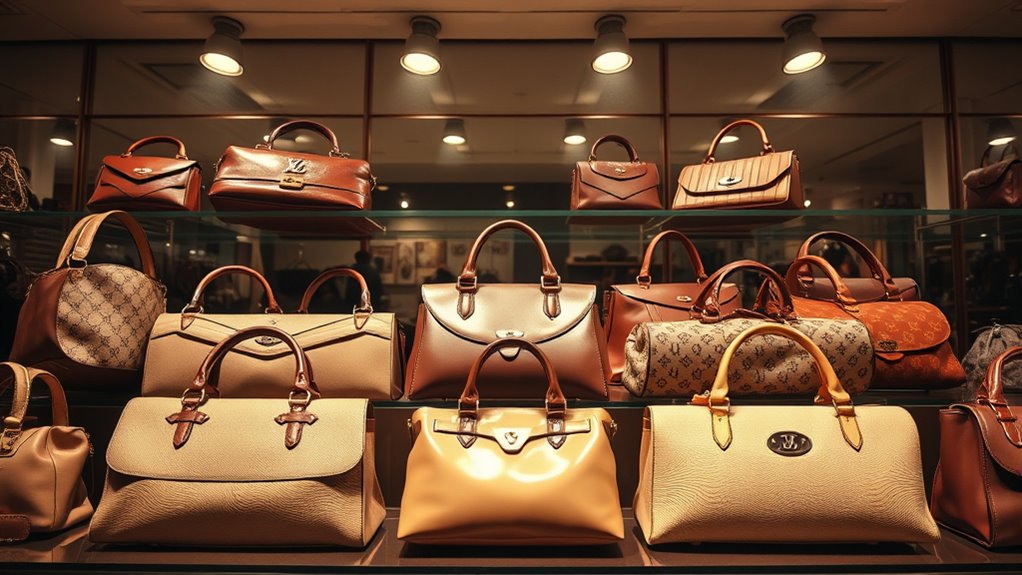
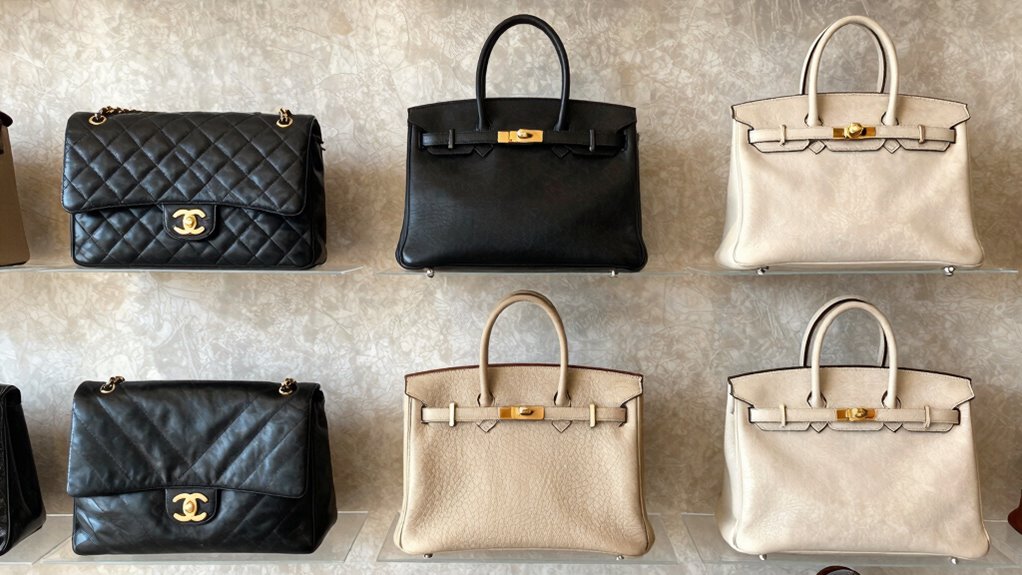
In the 1940s and 1950s, luxury handbags emerged as symbols of wealth and status, driven by innovative designs and strategic branding. You’d notice the Gucci Bamboo Bag introduced in the 1940s, becoming an early status symbol with its distinctive bamboo handle. Hermès launched the Kelly Bag in 1954, named after Grace Kelly, elevating it to an icon of elegance and exclusivity. Chanel’s 2.55 Flap Bag, created in 1955 by Coco Chanel, revolutionized handbags with its quilted leather and chain strap, combining practicality with luxury. Louis Vuitton’s Alma bag, inspired by Art Deco and released widely in the 1930s, gained popularity in this era. During these decades, designers emphasized femininity, craftsmanship, and exclusivity, establishing handbags as essential symbols of wealth and social standing. Additionally, the integration of branding strategies played a crucial role in elevating these bags to iconic status and creating lasting desirability.

Chanel, Pre-Loved Reissue 2.55 Flap Bag Quilted Aged Calfskin 227, Gold
Pre-Loved Condition: Very Good; Exterior: creases, corner wear, minor scuffs, Interior: minor scuffs, Hardware: minor scratches
As an affiliate, we earn on qualifying purchases.
As an affiliate, we earn on qualifying purchases.
The Rise of Practical Elegance in the 1960s
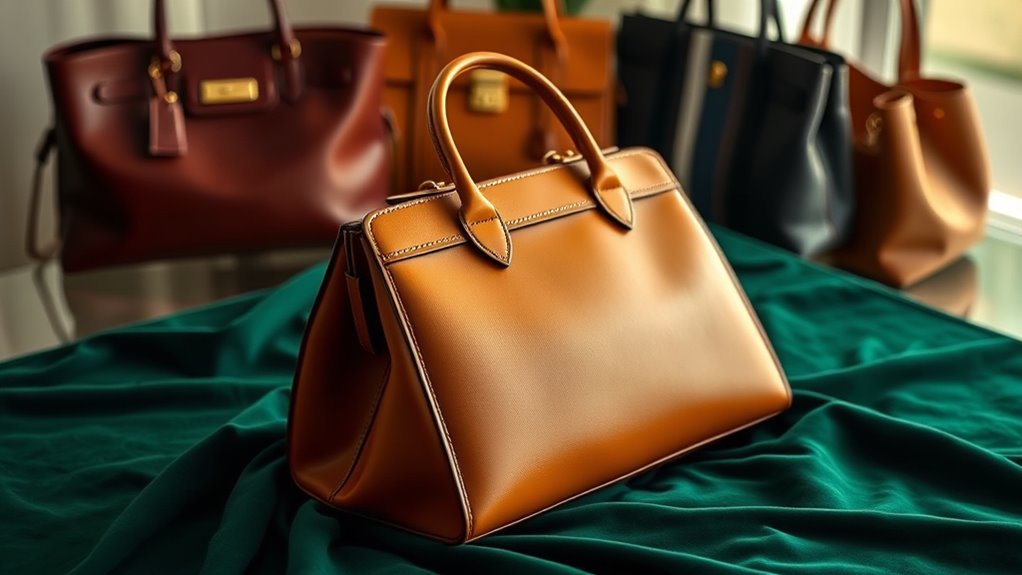
As the 1960s unfolded, the focus shifted from pure luxury to practicality without sacrificing style. You now seek handbags that serve everyday needs while remaining fashionable. The era introduces smaller, more portable designs, perfect for travel and mobility. Iconic styles like the Louis Vuitton Speedy 25 and Gucci Jackie Bag exemplify this trend with their functional shapes and celebrity associations. Handbags become versatile accessories, blending elegance with convenience. Brands expand core collections with monogrammed canvas and simple silhouettes, emphasizing ease of use. The table below highlights key ideas:
| Practical Features | Style Elements |
|---|---|
| Compact size | Monogrammed canvas |
| Lightweight | Minimal hardware |
| Versatile shapes | Classic, understated looks |
| Travel-friendly | Iconic branding |
Additionally, designers began incorporating Free Floating elements into handbag designs, allowing for more adaptable and personalized styles.

Lacel Urwebin Top Handle Bags for Women Fahsionable Designer Crossbody Purse Large Cute Satchel Handbag (apricot)
Dimensions: (L) 9.8 x (W) 6.3 x (H) 7.5 inches (25 cm x 16 cm x 19 cm)….
As an affiliate, we earn on qualifying purchases.
As an affiliate, we earn on qualifying purchases.
The Iconic 1980s: Power, Prestige, and Recognition
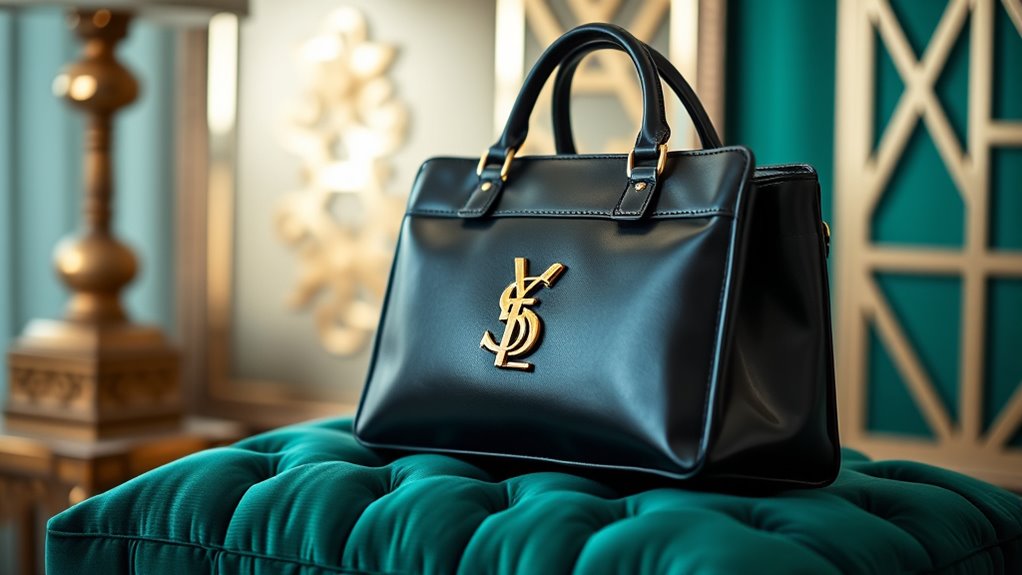
The 1980s transformed handbags into symbols of power and prestige, with brands leveraging bold designs and visible logos to elevate status. You notice oversized shapes, structured silhouettes, and logo prominence becoming everyday symbols of success. To stand out, designers emphasized branding and luxury status, making handbags more than accessories—they became statements. Here’s what defined that era:
- Hermès Birkin Bag debuted in 1984, symbolizing ultimate luxury and exclusivity.
- Power dressing trends favored large, structured bags with prominent logos.
- Brands like Gucci, Louis Vuitton, and Chanel dominated with monogrammed, recognizable styles.
- Celebrity endorsements, such as Kate Moss and Victoria Beckham, boosted desirability and status recognition.
- The integration of branding strategies into handbag design played a key role in establishing these items as status symbols.
You feel the shift toward bold, recognizable accessories that broadcast wealth and influence.
Top Handbags For women, Adjustable Strap Work Satchel with Wallet, MISTY BLUE
【Bag Size】13.5 x 5.5 x 11inch
As an affiliate, we earn on qualifying purchases.
As an affiliate, we earn on qualifying purchases.
The 1990s: Innovation and Exclusivity in Handbag Design
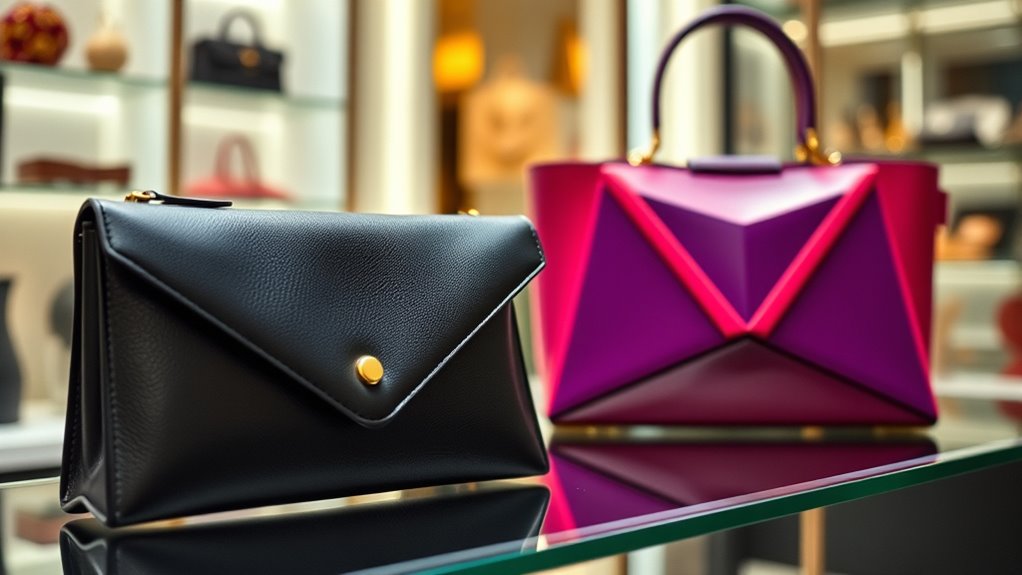
Handbag design in the 1990s revolutionized luxury by emphasizing innovation and exclusivity, making each piece a coveted status symbol. You saw brands push boundaries with bold hardware, such as heavy padlocks and oversized embellishments, turning practical accessories into statement pieces. The Christian Dior Lady Dior, introduced in 1995 and named after Princess Diana, epitomized elegance with its quilted design and signature charms, becoming an instant icon. Meanwhile, Hermès maintained its aura of rarity through long waitlists for Birkin and Kelly bags, reinforcing exclusivity. Designers experimented with unique materials and shapes, blending craftsmanship with innovation. This era marked a shift from purely status-driven pieces to highly personalized, collectible objects, emphasizing craftsmanship, rarity, and trendsetting designs that set the stage for the next decade’s casual luxury. The focus on exclusivity and craftsmanship during this period laid the groundwork for the modern “It Bag” phenomenon.
The 2000s: Casual Cool and Celebrity Influence
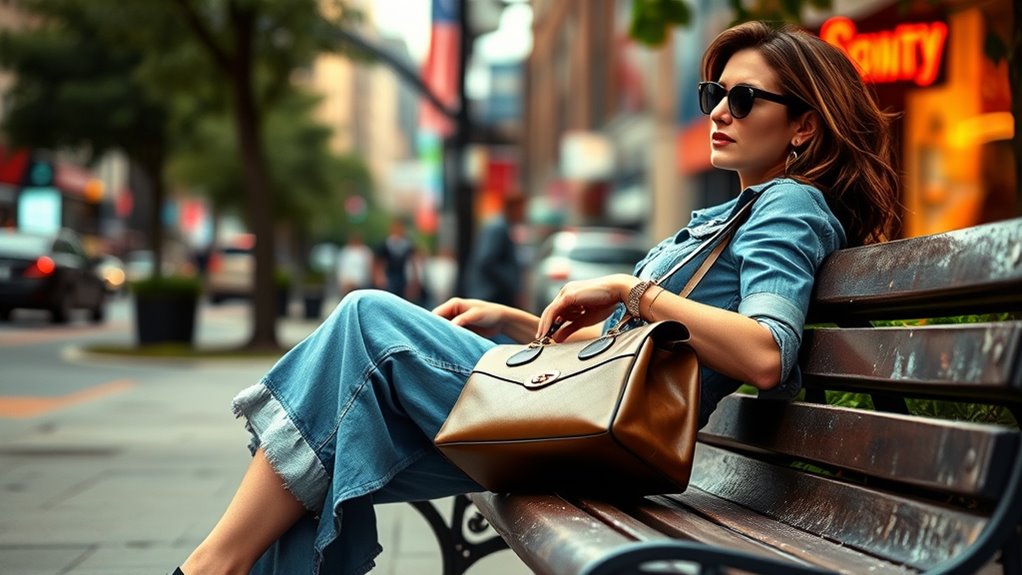
In the 2000s, handbag design shifted toward a more relaxed, casual aesthetic that resonated with everyday wear. You began to see slouchy, distressed leather styles that prioritized comfort and effortless cool. Celebrity influence played a huge role, with stars like Kate Moss and Victoria Beckham popularizing certain bags. Here’s what defined the era:
- The Balenciaga Motorcycle Bag, introduced in 2001, became an instant icon and street style staple.
- Chloé’s Paddington, known for its padlock detail, was declared the fastest-selling handbag ever.
- Brands like Fendi and Gucci launched compact, innovative styles that fit into casual lifestyles.
- Limited runs driven by celebrity endorsements made bags more desirable and accessible.
- The adoption of casual craftsmanship and bohemian influences reflected the era’s emphasis on comfort and personal style.
This decade made handbags more about personal expression and less about formal elegance.
The 2020s: Modern Elegance and the New Iconic Bag

As fashion continues to evolve in the 2020s, the focus shifts toward modern elegance that seamlessly blends luxury with everyday practicality. The Chanel 25 Bag, revealed in Spring/Summer 2025 under Virginie Viard, epitomizes this trend. Its supple calfskin and lambskin materials offer a refined yet functional design, inspired by archival styles but tailored for today’s lifestyle. The bag quickly gains popularity among celebrities, editors, and fashion enthusiasts, shifting effortlessly from runway to street. Monochrome and denim variants make it versatile for various looks, often slung over shoulders or clasped in hand. Positioned as a potential new icon for Chanel, the 25 Bag captures the zeitgeist of the decade—luxury that’s accessible, stylish, and adaptable for modern life.
The Cultural Impact of Handbag Evolution
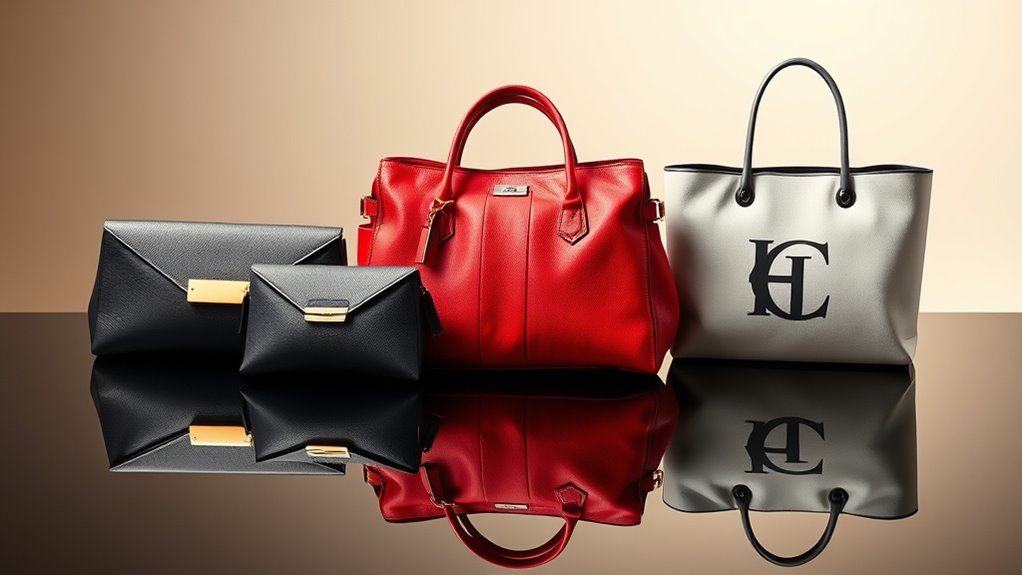
The evolution of handbags has profoundly shaped cultural perceptions of status, identity, and gender roles over the decades. Your choice of bag often signals your social standing, personal style, or even political views. Consider these impacts:
- Handbags like Hermès Kelly or Birkin became symbols of wealth and exclusivity, defining social hierarchy.
- The rise of celebrity-endorsed bags transformed them into status symbols, making fashion a statement of power.
- Practical designs in the 1960s and 1990s reflected shifting gender roles, emphasizing functionality for women.
- Recent trends, like the Chanel 25 Bag, demonstrate how bags now blend tradition with modern versatility, shaping everyday identity.
- The development of European cloud innovation has supported the global growth of fashion brands, enabling faster and more secure access to digital markets and fostering cultural exchange.
Your handbag choice communicates more than style; it influences societal perceptions and personal narratives.
Material and Design Innovations Over the Decades
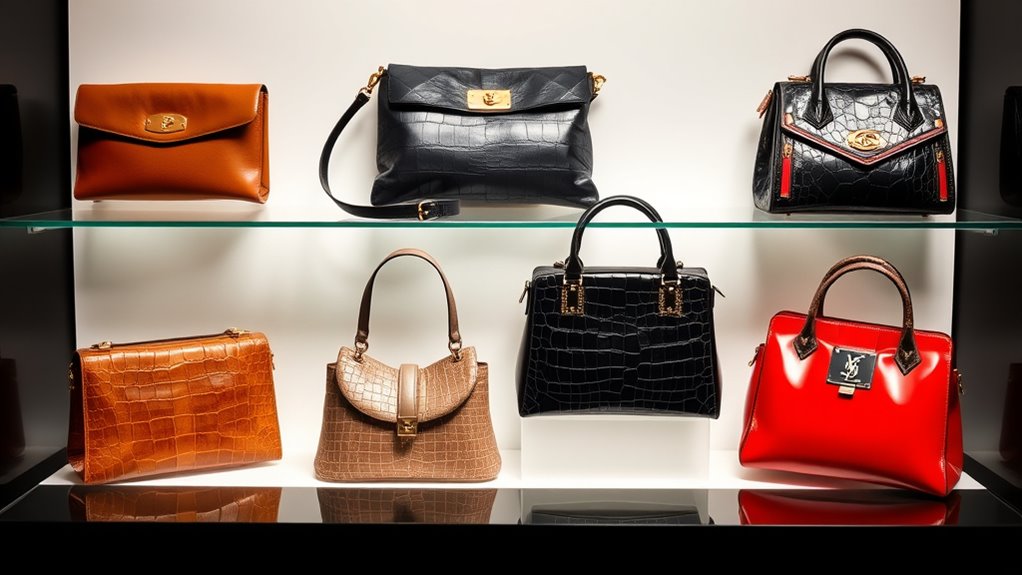
You’ll notice how handbag materials have evolved from luxurious leathers like calfskin and exotic skins to innovative textiles and sustainable options. Hardware details, such as iconic clasps and monogrammed accents, have also advanced, adding both function and style. As design aesthetics shift, silhouettes grow more versatile, blending timeless elegance with modern practicality. Additionally, smart home integration concepts influence contemporary design by emphasizing adaptability and multifunctionality in accessories and decor, reflecting a broader trend toward interconnected living environments.
Luxury Material Evolution
Luxury handbags have continually evolved through groundbreaking material and design innovations that reflect changing tastes and technological advancements. Over the decades, the choice of materials has shifted from traditional leathers to innovative fabrics, enhancing durability and style. Incorporating modern outdoor technology such as weather-resistant coatings and lightweight composites has also influenced high-end handbag development, blending function with fashion. 1. In the 1940s and 50s, supple leather and exotic skins like crocodile and lizard defined luxury. 2. The 1980s saw the rise of monogrammed canvas, adding durability and brand identity. 3. In the 2000s, distressed and slouchy leathers became popular, emphasizing casual elegance. 4. Today, the 2020s incorporate versatile materials like calfskin, lambskin, and even denim, blending functionality with high fashion. These material shifts mirror technological progress and evolving consumer preferences, pushing the boundaries of handbag design.
Hardware and Hardware Innovations
Hardware has played a pivotal role in defining the character and evolution of iconic handbags, with innovations in both materials and design shaping trends across decades. In the 1940s and 1950s, metal frames, turn-lock closures, and minimal embellishments emphasized elegance and functionality. The 1960s introduced lightweight, monogrammed metal accents, making bags more portable and personalized. During the 1980s, bold hardware like large buckles, prominent logos, and chunky chains symbolized status and power, often oversized for dramatic effect. The 1990s saw a shift toward subtle hardware, like discreet padlocks and small metal accents, reflecting a pared-down aesthetic. In the 2000s, hardware became more innovative—combining function with fashion—such as Fendi’s double-zip closures. Today, sleek clasp systems and signature metal accents continue to elevate bag designs and brand recognition. Additionally, advancements in hardware materials have contributed to lighter, more durable accessories, enhancing both functionality and style.
Design Aesthetics and Silhouettes
How have handbag shapes and materials evolved to reflect changing fashion ideals over the decades? You’ll notice that each era brought a distinct silhouette and material focus.
- In the 1940s-50s, structured shapes with luxurious leather and exotic skins showcased wealth and femininity, like the Hermès Kelly.
- The 1960s favored smaller, practical designs like the Louis Vuitton Speedy, emphasizing portability for travel.
- The 1980s introduced bold, oversized shapes with visible logos, such as the Hermès Birkin, aligning with power dressing.
- The 2000s saw casual, distressed, and slouchy styles, with innovative materials like rubber and canvas, reflecting Y2K’s relaxed vibe.
Today’s designs blend archival influences with versatile materials, creating bags that are both stylish and practical.
The Future of the “It Bag”
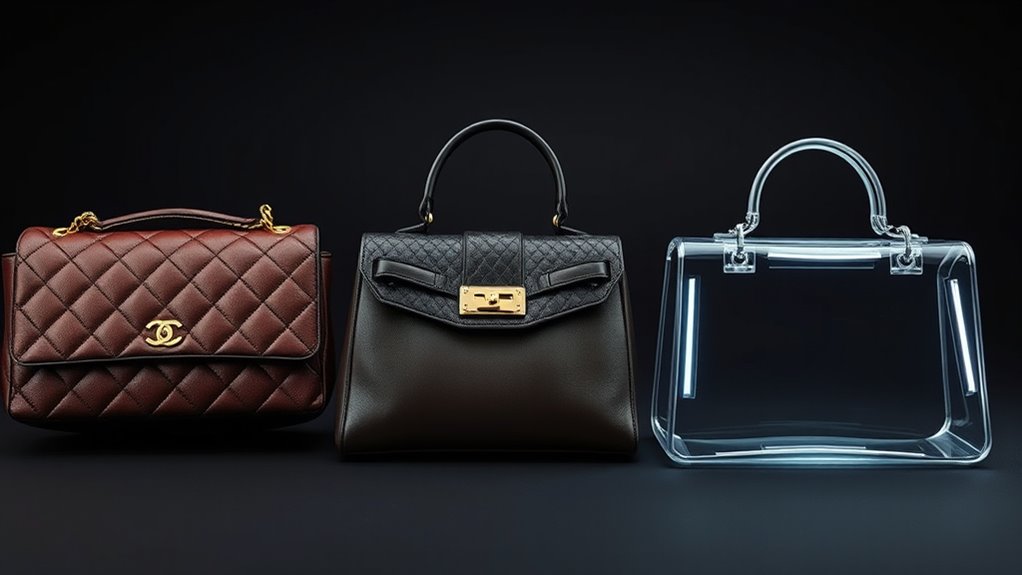
As the fashion world evolves, you’ll see “It Bags” embracing sustainable materials and eco-friendly practices to meet growing environmental concerns. Digital integration will also reshape how you personalize and interact with your bag, making it more than just a statement piece. These innovations will define the next chapter of what makes an “It Bag” truly iconic. Additionally, incorporating wellness technology such as smart sensors or health monitoring features could become a new trend in luxury accessories, blending fashion with personal well-being.
Sustainable Materials and Practices
Sustainable materials and practices are increasingly shaping the future of the “It Bag,” as brands recognize the growing demand for eco-friendly luxury. You’re seeing designers shift to innovative, responsible sources that reduce environmental impact. Here’s what’s happening:
- They’re using plant-based leathers like mushroom, pineapple, and apple skins, which mimic traditional leather but are more eco-conscious.
- Recycled materials, such as plastic bottles or discarded textiles, are now common in handbag production.
- Brands are adopting ethical sourcing and transparent supply chains to ensure fair labor practices.
- They’re implementing zero-waste designs and eco-friendly manufacturing processes to minimize waste and pollution.
These practices aren’t just trends—they’re redefining what it means for an “It Bag” to be truly iconic and sustainable.
Digital Integration and Customization
Digital integration and customization are revolutionizing the future of the “It Bag,” making it more personalized and interactive than ever before. You can now choose specific colors, materials, and features through online platforms, tailoring your bag to match your style perfectly. Smart technology is also entering the scene, with handbags equipped with sensors, wireless charging, or embedded LEDs that change color or display messages. Brands offer bespoke options, allowing you to add initials, unique hardware, or even digital screens. This shift means your bag isn’t just a fashion statement but a reflection of your personality and lifestyle. As digital features become more seamless, expect your “It Bag” to become an extension of your digital identity, blending style with innovation.
Frequently Asked Questions
How Did Luxury Handbags Become Symbols of Wealth in the 1940S-1950S?
In the 1940s-1950s, luxury handbags became symbols of wealth because they showcased craftsmanship, exclusive materials, and brand prestige. You notice how designers like Gucci, Hermès, Chanel, and Louis Vuitton created bags that embodied elegance and status, often using rare leathers and intricate designs. When you carry these handbags, you’re not just accessorizing but signaling your social standing, wealth, and appreciation for fine craftsmanship, making them coveted symbols of affluence.
What Features Defined Practical yet Stylish Handbags in the 1960S?
In the 1960s, you notice handbags becoming more practical yet stylish. They’re smaller, easier to carry, and designed for everyday use, reflecting a shift toward mobility and convenience. You see brands like Louis Vuitton expanding their core styles with monogrammed canvas, making bags versatile and recognizable. The focus is on portability and functionality, so you can carry your essentials comfortably without sacrificing fashion, aligning with the era’s dynamic lifestyle.
Why Did the 1980S Favor Bold Logos and Structured Shapes?
Think of the 1980s as a stage demanding visibility—bold logos and structured shapes made your handbag a statement of power and status. You embraced oversized designs and prominent branding to stand out in a crowd, symbolizing wealth and confidence. The era’s fashion was about making a statement, and your handbag became a badge of authority, turning luxury into a bold visual declaration that couldn’t be ignored.
How Did Exclusivity and Hardware Innovation Shape 1990S Handbag Trends?
In the 1990s, exclusivity and hardware innovation drove handbag trends by creating a sense of rarity and status. You’re likely drawn to limited-edition pieces with padlocks, heavy hardware, and unique embellishments that set you apart. Brands like Hermès maintained long waitlists, boosting desirability. Meanwhile, hardware like metal accents and locks made bags more eye-catching and functional, elevating their luxury appeal and making them must-have accessories for fashion-conscious individuals.
What Factors Contributed to the Rise of Casual, Celebrity-Driven Bags in the 2000S?
You see, in the 2000s, over 80% of luxury handbag sales were influenced by celebrity endorsements, fueling the rise of casual, celebrity-driven bags. You notice slouchy, distressed leather styles becoming everyday staples, reflecting a laid-back yet chic attitude. Celebrities like Kate Moss and Victoria Beckham popularized these designs, making luxury more accessible and emphasizing practicality, comfort, and effortless style over traditional elegance, shaping a new era of handbag fashion.
Conclusion
As you’ve seen, the “it bag” has transformed from a simple accessory into a shimmering mirror of society’s desires and dreams. Like a chameleon, it adapts with each decade, reflecting the changing tides of culture, innovation, and style. These iconic bags aren’t just carriers of essentials—they’re symbols etched into history, whispering stories of power, elegance, and rebellion. So, as the future unfolds, expect the next chapter to be just as enthralling and transformative.