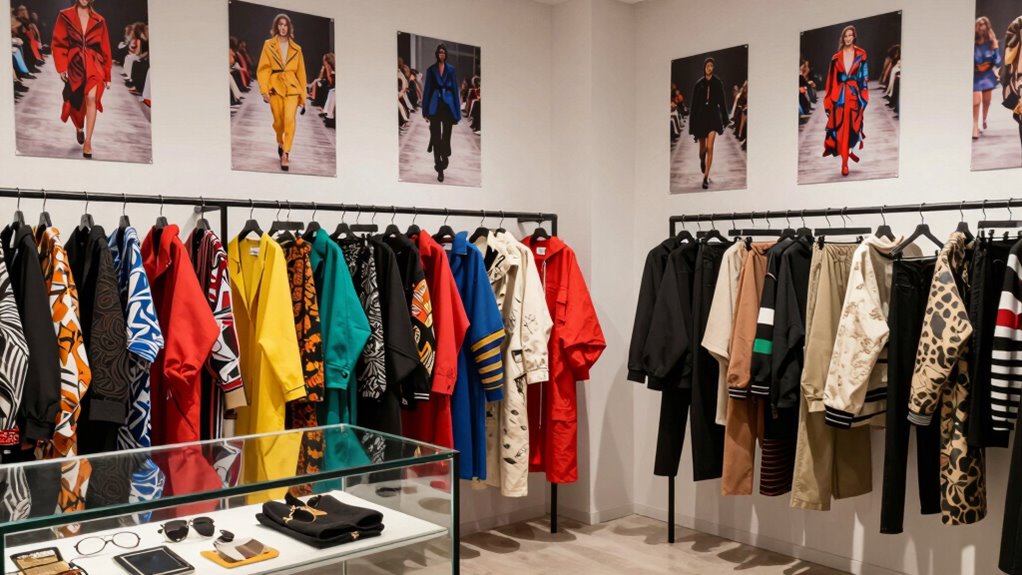

When a new trend emerges, it starts on high-fashion runways and gains attention through celebrities and influencers, creating buzz among early adopters. As more people embrace it, mainstream stores and brands replicate the look, reaching its peak popularity. But soon, oversaturation and fatigue set in, causing the trend to decline as retailers discount remaining stock. If you want to understand how this cycle continues and resurges, there’s more to uncover below.
Open a free Amazon Business account
Business pricing, bulk buying and tax-exempt orders.
As an affiliate, we earn on qualifying purchases.
Key Takeaways
- Trends originate in high-fashion runways inspired by nostalgia, vintage styles, and experimental designs, then gain initial niche attention.
- Early adopters, celebrities, and social media amplify the trend’s visibility, pushing it into mainstream awareness.
- At its peak, the trend is widespread across stores, embraced by influencers, and becomes a cultural phenomenon.
- Overexposure and consumer fatigue lead to oversaturation, resulting in discounts, decline in demand, and the trend’s obsolescence.
- Eventually, the trend moves to clearance racks, making space for new styles, while nostalgic elements may resurface in future cycles.

abshoo Big Student Laptop Backpack For College Women Middle High School Teen Girls Bookbag Travel Daypack (Black)
- Large Capacity: Fits 15.6-inch laptops and essentials
- Durable Water-Resistant Fabric: Made with oxford fabric for durability
- Breathable Adjustable Straps: Relieves shoulder pressure for comfort
As an affiliate, we earn on qualifying purchases.
The Birth of a Trend: From Concept to Niche
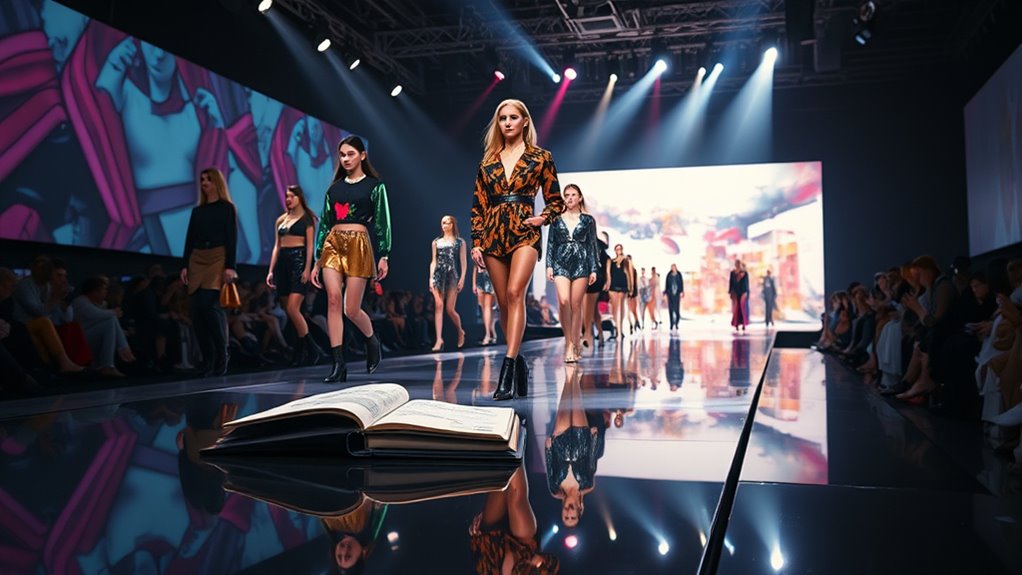
Have you ever wondered how a new fashion idea begins its journey? It starts in high-fashion runways, where designers experiment with fabrics, silhouettes, and concepts, pushing boundaries in limited collections. These innovative designs often target niche audiences, sold at premium prices, making them exclusive and hard to find. Influential designers or couture houses introduce these ideas subtly, planting the seed for what could become a trend. Sometimes, grassroots movements or underground communities also spark new looks, emphasizing authenticity and originality. At this stage, the trend is just a concept—rare, expensive, and admired by a select few. It’s the birth of an idea that’s waiting for its moment to grow, gain attention, and eventually move into wider circles. The initial concept development stage is crucial for setting the foundation for broader adoption later on.

VANKEAN 15.6 Inch Laptop Backpack for Women Large Capacity
- Multi-Functional Design: 5 compartments and 2 side pockets
- Laptop & Tablet Storage: Fits 15.6 inch laptop and Kindle
- Spacious & Organized: Main and front compartments for essentials
As an affiliate, we earn on qualifying purchases.
Gaining Momentum: Visibility and Early Adoption
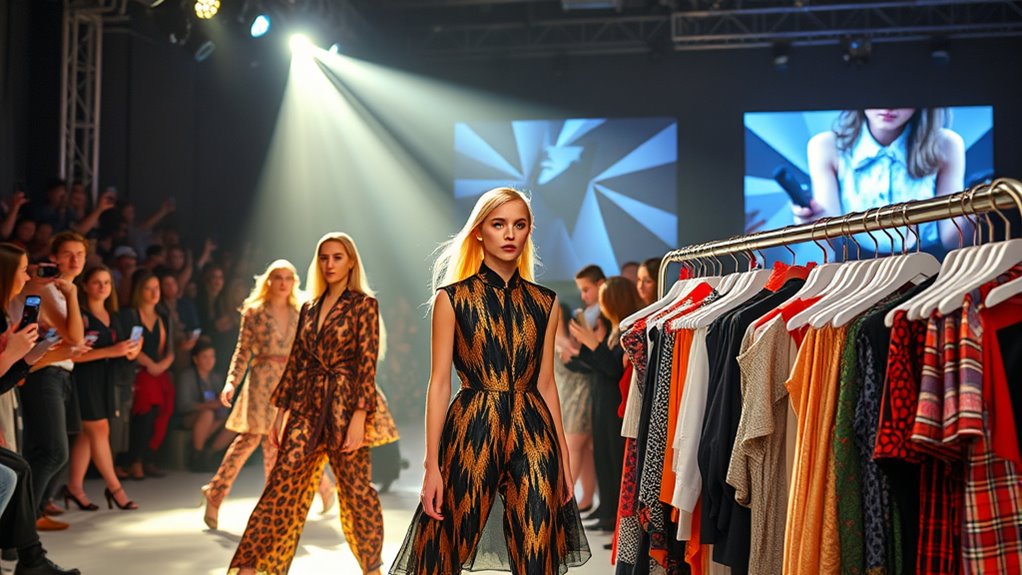
As a trend begins to catch on, it gains visibility through the influence of celebrities, stylists, and media coverage, turning it from a niche idea into something more noticeable. You’ll see early adopters and influencers showcasing the style, making it desirable among trend-conscious consumers. Retailers start stocking pieces, often in limited quantities, creating a sense of exclusivity. Social media amplifies this momentum, with posts and hashtags spreading rapidly. As buzz grows, mainstream media picks up on it, further fueling interest. During this stage, the trend shifts from underground to mainstream awareness, driven by influence and visibility. The increasing color accuracy of promotional content helps solidify the trend’s position in popular culture. Your choices become more about aligning with what’s trending rather than just personal style, setting the stage for the trend’s next phase of broader adoption.
Reaching the Mainstream: The Trend at Its Peak
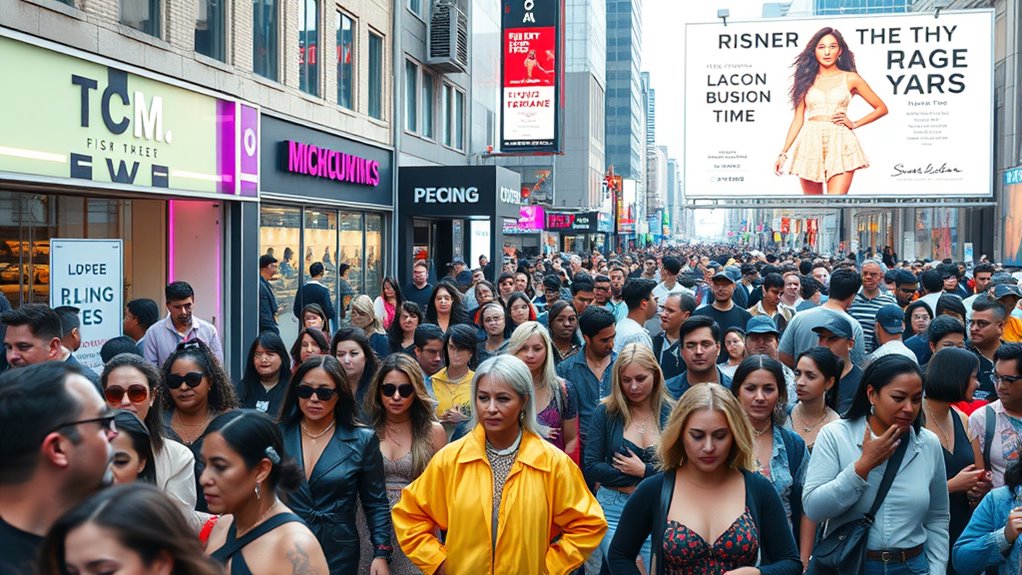
When does a trend truly hit its peak? It’s when you see it everywhere—on billboards, social media, and in stores. Major retailers stock it, and fast-fashion brands replicate it at lower prices. You notice influencers and celebrities wearing it, fueling its popularity. The trend becomes a cultural phenomenon, with mass appeal across different age groups and demographics. Consumers rush to buy the latest styles, and you feel the buzz in your favorite shops. This is the height of visibility and desirability. The trend’s momentum is unstoppable, dominating conversations and feeds. It’s no longer niche; it’s mainstream. Everyone seems to want it, and its presence is undeniable. This peak marks the point where the trend is at the height of its influence, ready to eventually decline.

WINDARS School Backpack for Teen Girls, Cute College Backpacks for Women Students Aesthetic Bookbag Large 15.6 Inch Laptop Bag Middle School Travel Back Pack (Khaki Beige)
- Large Capacity with Multiple Pockets: 20 organized compartments and side pockets
- Spacious and Trendy Design: 12.6x8.4x17.7 inches, 25L capacity
- Fits 13.3 to 16.1 Inch Laptops: Dedicated padded laptop compartment
As an affiliate, we earn on qualifying purchases.
The Tipping Point: Oversaturation and Fatigue

Once a trend hits its peak, the wave of widespread popularity often leads to oversaturation. You start seeing it everywhere—on every social media feed, in every store window, and worn by countless people. This saturation breeds fatigue, as consumers grow tired of seeing the same styles over and over. To illustrate, the signs include:
When a trend peaks, overexposure leads to fatigue and decline in popularity.
- Rapid increase in counterfeit and low-quality copies
- Retailers heavily discount remaining stock
- Mainstream media shifts focus to new trends
- Consumers express boredom or disinterest
- Luxury brands withdraw or cease producing the trend
At this point, the trend begins to lose its allure, and interest wanes. The excitement diminishes, making way for the next big thing to take center stage. Oversaturation signals that the trend’s lifecycle is nearing its end.
Falling Out of Favor: The Decline Phase
As a trend reaches its decline, oversaturation and fatigue set in, making consumers lose interest. Retailers respond by discounting and clearing out inventory to make room for new styles. Eventually, brands shift their focus to emerging trends, signaling a move away from the old and into the next cycle.
Oversaturation and Fatigue
Oversaturation occurs when a trend becomes so widely available that it loses its novelty and appeal. You notice it everywhere—on social media, in stores, even on the streets—making it feel predictable and less exciting. Consumer fatigue sets in as the once-exclusive vibe dissipates. Retailers flood the market with the trend, often at discounted prices, shifting focus to new styles. You might see:
- Overloaded store shelves with similar items
- Price cuts and clearance sales
- Less buzz from influencers and media
- Consumers feeling bored or indifferent
- The trend losing its status as a must-have
This overexposure diminishes the trend’s allure, pushing you to seek out fresher options. The cycle moves toward decline as the trend no longer feels special or innovative. Additionally, the proliferation of similar products can lead to a sense of market saturation, further diminishing consumer interest.
Discounting and Clearance
When a trend loses its novelty and excitement, retailers often respond by slashing prices and offering clearance sales to clear out excess inventory. You’ll notice stores heavily discount items, making them more appealing to bargain hunters. This rapid price reduction signals that the trend is falling out of favor, and retailers want to move stock quickly. Clearance racks fill up with last-season styles, often at fraction of original prices. As demand dwindles, brands reduce or eliminate future production of these items. You might find the trend on sale even in high-end stores, as they try to recoup some costs before moving on. This phase marks the end of the trend’s mainstream life, paving the way for new styles to take center stage.
Shift to New Trends
The decline phase begins as retailers slash prices and clear out remaining inventory, signaling that the trend is losing its appeal. You’ll notice stores shifting their focus to new styles, with racks filling up with discounted items. Consumer interest drops, and many move on to the next big thing. During this time, you might see:
- Retailers rapidly reducing prices to clear stock
- Fewer new designs or updates for the trend
- Brands shifting marketing efforts elsewhere
- Limited or no new collaborations or collections
- Consumers feeling less excited or indifferent
As interest wanes, the trend becomes mainstream or obsolete. Stores prioritize making space for the upcoming craze, signaling that the cycle is about to restart. It’s the final push before the trend fades into the past.
Fading Away: Obsolescence and the End of the Cycle
As a trend reaches its obsolescence stage, it gradually fades from mainstream fashion, becoming less relevant and desirable. You notice stores discounting the last of the stock, and brands shift their focus to newer ideas. Consumer interest wanes as the trend loses its novelty, and people move on to fresh styles. The once-viral buzz diminishes, replaced by anticipation for the next big thing. Fashion cycles shorten, so obsolescence happens faster than before. You might see remnants of the trend in vintage shops or nostalgic media, but it no longer dominates your wardrobe or social media feeds. This phase signifies the end of that trend’s original relevance, clearing the way for new ideas to take center stage. Yet, it’s not truly gone—history suggests it could reappear later, reinterpreted and refreshed. Understanding the fashion cycle helps explain why trends reemerge over time.
The Cyclical Comeback: Nostalgia and Resurgence
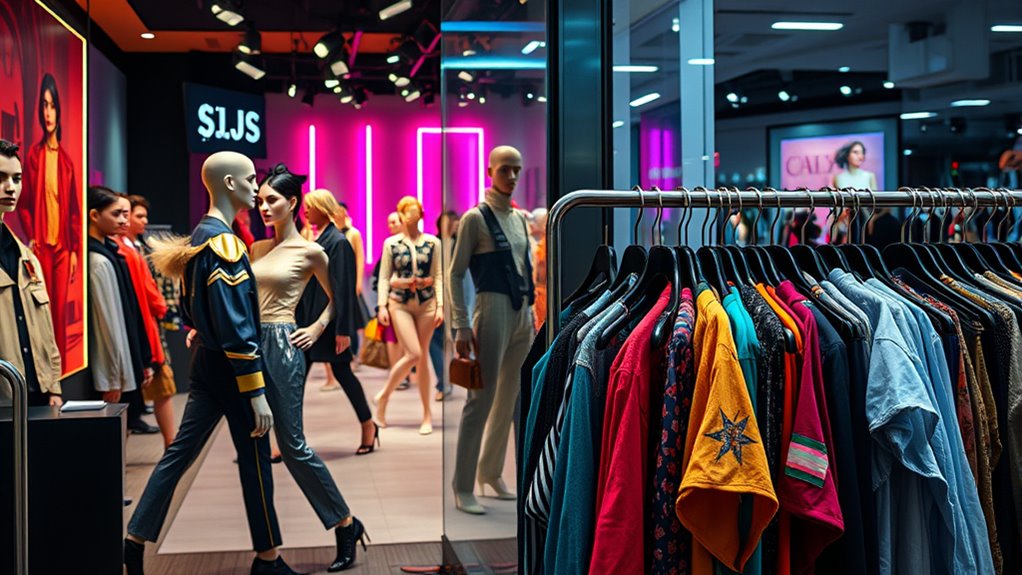
Nostalgia fuels the cyclical comeback of fashion trends, prompting designers and consumers alike to revisit styles from past decades. When a trend reemerges, it often carries a vintage charm that appeals to both new and loyal fans. You might notice:
Nostalgia drives fashion’s return, blending vintage charm with modern appeal.
- Retro silhouettes or prints making a surprise appearance on runways and streetwear.
- Revival of iconic accessories like oversized sunglasses or chunky sneakers.
- Modern reinterpretations of beloved patterns such as tie-dye or polka dots.
- Resurgence of specific fabrics, like corduroy or velour, gaining popularity again.
- Celebrity endorsements and social media campaigns fueling the trend’s popularity.
- The holistic approach to fashion that considers emotional well-being and attachment, often reflected in the revival of nostalgic styles.
This cyclical process keeps fashion fresh yet familiar, tapping into collective memories. As nostalgia ignites interest, the trend gains momentum, often blending the old with the new in exciting ways.
Frequently Asked Questions
How Do Social Media Platforms Influence the Speed of Trend Cycles?
Social media platforms drastically speed up trend cycles by making fashion instantly accessible and shareable. You see new styles trending overnight thanks to influencers, celebrities, and viral posts. This rapid exposure encourages quick adoption, leading brands to produce and sell these looks in weeks. As a result, trends now rise, peak, and decline in just a few weeks, making the fashion world more dynamic and fleeting than ever before.
What Factors Determine the Duration of a Trend’s Peak Phase?
Think of the trend’s peak as a fireworks display. Its duration depends on factors like consumer saturation, media buzz, and retailer interest. If social media keeps the buzz alive and influencers promote it, the peak extends. Conversely, oversaturation or waning novelty causes it to fizzle quickly. Fast fashion accelerates this cycle, shortening the peak. So, the length hinges on how long excitement and demand stay high before fading away.
Can a Trend Skip Certain Stages in Its Life Cycle?
Yes, you can see a trend skip stages, especially with social media’s influence. If a trend goes viral quickly, it might jump straight from the rise to peak, bypassing the traditional gradual build-up. Similarly, microtrends can rapidly emerge and fade without going through all phases. This accelerated cycle means some trends appear, peak, and disappear in weeks, skipping the usual progression seen in longer-lasting trends.
How Do Luxury Brands Decide When to Discontinue a Trend?
Luxury brands decide when to discontinue a trend based on sales data, consumer interest, and market saturation. When a trend loses its exclusivity or demand drops, they shift focus to new designs. They also consider brand positioning and long-term strategy, ending a trend before it becomes outdated or oversaturated. By monitoring these factors, brands guarantee they stay relevant and maintain a sense of luxury and innovation.
What Role Does Nostalgia Play in Reviving Outdated Fashion Trends?
Nostalgia plays a big role in reviving outdated fashion trends because it taps into your desire for comfort and familiarity. When designers reinterpret past styles, you feel a connection to the era, making the trend appealing again. Social media amplifies this effect, showing you how to modernize vintage looks. By blending old and new, brands reignite interest and encourage you to embrace nostalgic fashion in fresh, exciting ways.
Conclusion
So, you chase the latest trend, only for it to become yesterday’s news faster than you can say “fashion cycle.” You’ve watched it surge from runway rarity to clearance rack cliché, then fade into oblivion—only to pop back up years later, vintage and vogue again. Ironically, in fashion, standing out often means just waiting long enough for everyone else to forget, then pretending you never fell for it in the first place.
College move-in / dorm season Picks
dorm essentials
As an affiliate, we earn on qualifying purchases.