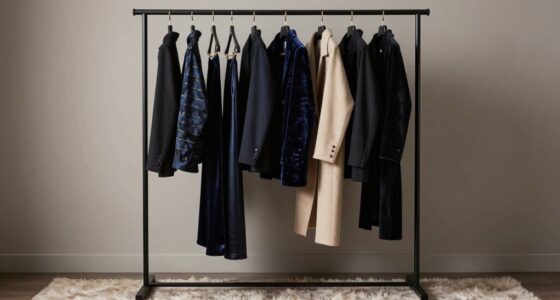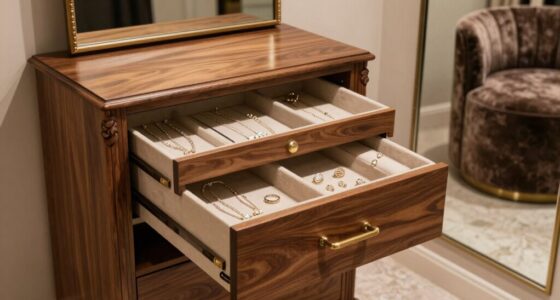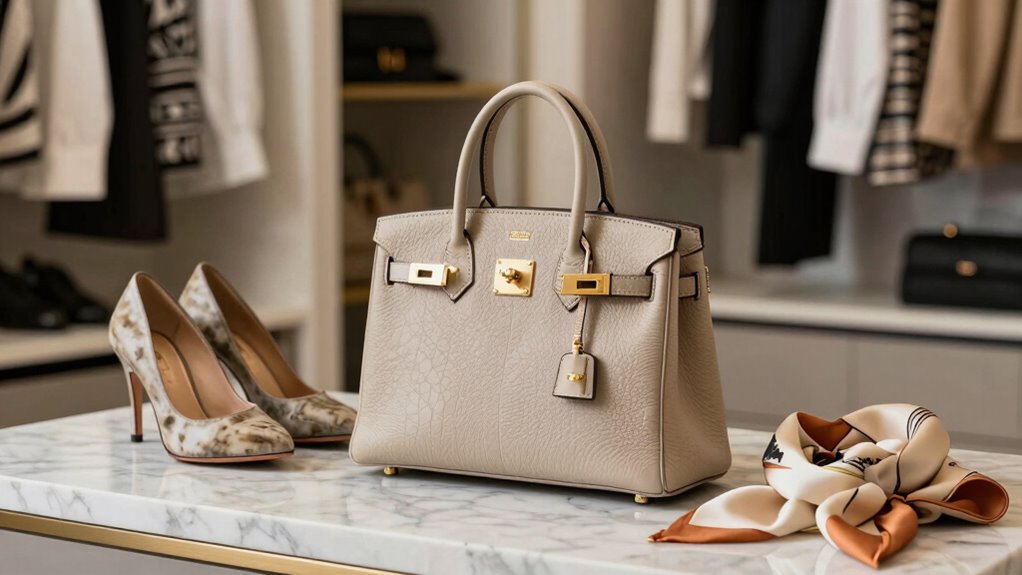

Understanding cost per wear is essential in high-end fashion because it helps you see the true value of your investment. Instead of focusing solely on the high upfront price, you consider how often you’ll wear each item, making it more affordable over time. Well-made luxury pieces last longer and can be worn in many settings, maximizing their worth. Keep exploring to discover how this mindset can transform your approach to smart, sustainable shopping.
Open a free Amazon Business account
Business pricing, bulk buying and tax-exempt orders.
As an affiliate, we earn on qualifying purchases.
Key Takeaways
- High-end fashion items are expensive, so maximizing their use through cost per wear makes purchases more financially sensible.
- Durability and craftsmanship in luxury pieces ensure long-term wear, increasing their value over time.
- Focusing on cost per wear encourages investing in versatile, timeless pieces rather than trendy, disposable items.
- Sustainable practices in luxury brands enhance quality and longevity, further reducing the cost per wear.
- Prioritizing cost per wear promotes smarter, eco-friendly choices aligned with responsible consumption.
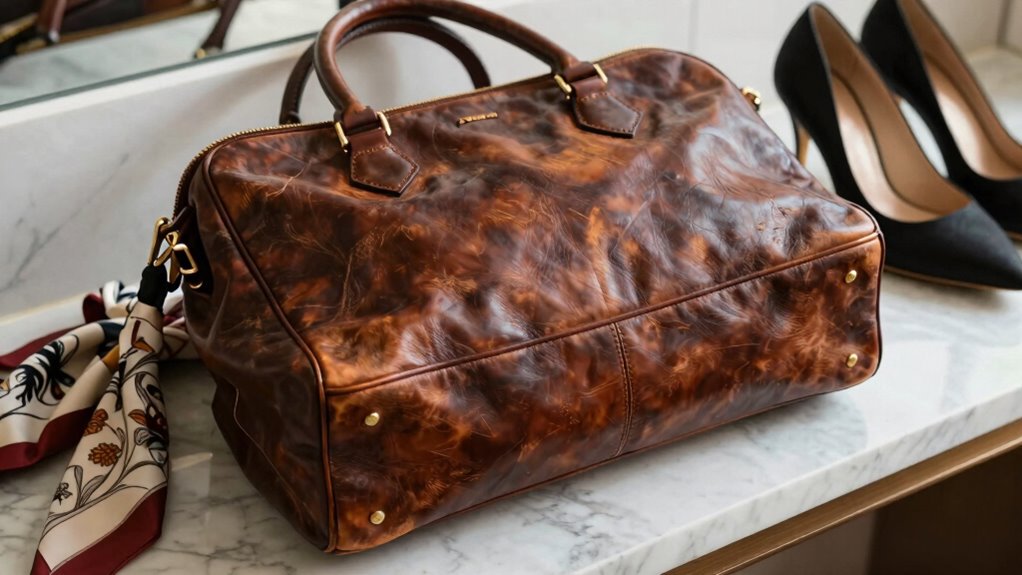
Have you ever wondered if splurging on a luxury piece is truly worth it? When you invest in high-end fashion, you’re not just buying an item; you’re purchasing an experience, craftsmanship, and a brand story that’s often wrapped in luxury branding. But beyond the allure and prestige, the real value of a luxury piece depends on its cost per wear. Unlike fast fashion, where items are disposable, high-end pieces are meant to last, both in quality and style. This is why calculating cost per wear becomes vital—because a designer handbag or a tailored blazer isn’t just a purchase, it’s an investment. A well-made luxury item can serve you for years, making its initial price seem less intimidating once you consider how often you wear it.
Luxury purchases are investments in quality and longevity, making cost per wear essential for smarter, sustainable fashion choices.
In today’s world, sustainability is increasingly intertwined with luxury branding. More brands are emphasizing sustainable sourcing, guaranteeing that their materials are responsibly obtained and their production processes minimize environmental impact. When you choose a luxury brand committed to sustainable sourcing, you’re not only investing in a piece built to last but also supporting ethical practices. This approach adds value to your purchase because you’re not just acquiring a beautiful item but also contributing to ethical sourcing and responsible production. When a luxury item is made sustainably, it often means better quality, which directly affects its durability and, consequently, its cost per wear. Additionally, understanding the role of electric scooters and e-bikes in reducing environmental impact can inspire more mindful consumption across all areas of life, including fashion. Incorporating sustainable practices into your wardrobe choices aligns with the broader goal of embracing biodiversity and sustainable living—a shift that benefits both the planet and your personal style. Furthermore, the emphasis on craftsmanship and quality ensures that these pieces maintain their appeal over time, enhancing their value and longevity. Recognizing that a timeless wardrobe is rooted in sustainable practices and quality craftsmanship can help you make more conscious fashion decisions that stand the test of time.
Understanding why cost per wear matters in high-end fashion guides you to make more intentional purchases. Instead of getting caught up in fleeting trends or brand hype, you focus on pieces that truly fit your wardrobe and lifestyle. A luxury item with a high price tag can be a great deal if you wear it frequently. The key is to select versatile, timeless pieces that seamlessly blend with your existing wardrobe. This way, you maximize your investment, diminish waste, and honor the craftsmanship behind your luxury purchase.
Ultimately, the value of a high-end piece isn’t just in its price tag or brand reputation but in how often and in what context you wear it. When you prioritize quality, durability, and sustainable sourcing, you get more bang for your buck. This perspective transforms your approach to luxury shopping from a fleeting indulgence into a thoughtful investment. By considering cost per wear, you guarantee your luxury wardrobe reflects not only your style but also your commitment to smarter, more sustainable consumption.
As an affiliate, we earn on qualifying purchases.
Frequently Asked Questions
How Can I Track the Actual Cost per Wear Effectively?
To track the actual cost per wear effectively, keep a detailed wardrobe log, noting each item’s purchase price, fabric durability, and styling versatility. Regularly record each wear, noting how often you use the item and in what contexts. Over time, divide the purchase price by total wears to see the real value. This approach helps you understand which high-end pieces offer the best investment based on longevity and versatility.
Does Brand Reputation Influence Perceived Value and Cost per Wear?
Of course, brand reputation influences perceived value and cost per wear—because who needs practicality when you can flaunt luxury branding? Your eyes are drawn to the logo, and suddenly, that pricey piece feels priceless. Luxury branding tricks your mind into believing you’re investing in timeless elegance, not just a fancy label. So, yes, a strong brand perception can make even a worn-out shirt seem worth every penny.
How Does Seasonality Affect the Cost per Wear Calculation?
Seasonality impacts your cost per wear by influencing how often you can realistically use an item. Seasonal trends determine when you wear certain pieces, affecting your wardrobe rotation. If you buy items suited for specific seasons, you might wear them fewer times, increasing the cost per wear. Conversely, versatile pieces that *shift* across seasons help you maximize usage, lowering overall cost per wear and making your investments more worthwhile.
Can Rental or Resale Options Impact Cost per Wear Analysis?
Rental impact and luxury resale options can considerably influence your cost per wear analysis. Renting allows you to enjoy high-end pieces without long-term investment, reducing your overall cost per wear. Similarly, luxury resale offers affordable access to designer items, spreading the cost over multiple wears. Both options make high-end fashion more accessible, lowering your cost per wear and maximizing value from your wardrobe investments.
What Are Common Mistakes When Calculating Cost per Wear?
When calculating cost per wear, you often make mistakes like neglecting fashion longevity and material durability. You might forget to account for how long a piece stays stylish or how durable the material is, leading to inaccurate costs. Additionally, you could underestimate the number of wears, skewing the analysis. To get it right, consider both fashion longevity and material durability, and track your usage accurately over time.
As an affiliate, we earn on qualifying purchases.
Conclusion
Next time you’re splurging on high-end fashion, remember that cost per wear truly matters. On average, luxury items are worn just 20 times before they start to lose value, making your investment less smart. By focusing on versatility and durability, you get more bang for your buck—and a wardrobe that lasts. So, think beyond the label and consider how often you’ll actually wear that piece to get the most out of your expensive buy.
As an affiliate, we earn on qualifying purchases.
As an affiliate, we earn on qualifying purchases.
Back to school Picks
back to school
As an affiliate, we earn on qualifying purchases.