TL;DR
Building an AI workstation used to be cheaper, but in 2026, prebuilt systems often match or beat DIY prices thanks to component shortages and bulk buying. Consider your need for speed, support, and customization before deciding.
Imagine you’re ready to dive into AI development. You’ve got a clear project, but suddenly the question hits: build it yourself or buy a ready-made system? That choice used to be simple—build was cheaper, buy was fast. Now, the landscape has shifted dramatically.
In 2026, the decision isn’t just about saving a few bucks or saving time. It’s about weighing costs, control, and the effort you want to invest. This guide will walk you through the real tradeoffs, with concrete examples and fresh insights, so you can make the smartest choice for your AI needs. You might also consider a quick guide on build vs buy to get a quick overview.
Build vs buy
an AI workstation.
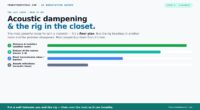
The real question behind this whole series: do you pull the five heat-and-noise levers yourself, or buy a prebuilt where the vendor pulled them for you? And in 2026, the old “building is cheaper” rule has broken. Match your situation in Part 3.
Key Takeaways
- Market shortages in 2026 make prebuilt AI workstations often cheaper or comparable in price to DIY builds.
- Prebuilts offer validated thermals, lower noise, and warranty support, saving you setup time and reducing risk.
- Building your own machine grants maximum control over hardware, cooling, and customization, ideal for niche workflows.
- Deployment speed favors prebuilt systems for urgent projects, while DIY is better if you enjoy tuning and customization.
- Consider long-term upgrades and support needs—prebuilt systems tend to support easier future expansion.
As an affiliate, we earn on qualifying purchases.
Why 2026 Changes Everything for Build vs Buy
Building your own AI workstation used to be the obvious budget choice. But in 2026, component shortages and bulk purchasing have flipped the script. GPUs, RAM, and SSDs now cost more for DIY builders, pushing total costs up.
Meanwhile, prebuilt vendors like Lambda and Puget have secured supply chains early, allowing them to offer systems at prices that often beat what you’d pay for parts alone today. The old rule—build cheaper, buy faster—no longer applies across the board.
This shift means you need to compare costs carefully. A DIY rig that used to cost under $1,000 might now hit $1,250 or more, while prebuilt systems can be just slightly more expensive or even cheaper, thanks to bulk discounts.
As an affiliate, we earn on qualifying purchases.
Thermal Management & Noise: Who Tunes the Machine?
If you’re building your own AI workstation, you’re the one tuning the heat and noise levers. You pick the quiet GPU, match the cooler, set up airflow, and fine-tune fans. It’s a hands-on process that can get you a machine so quiet you’d barely notice it in your room.
For example, a hobbyist might undervolt a GPU like the RTX 4090 to reduce heat and noise. Resources like this guide walk you through the process step-by-step.
In contrast, prebuilt vendors validate thermals and often include custom water cooling or optimized airflow. They test for hours before shipping, so you get a machine that’s guaranteed to stay cool and quiet under heavy AI workloads. This means less tinkering and more focus on your work.
professional SSD for AI workstations
As an affiliate, we earn on qualifying purchases.
As an affiliate, we earn on qualifying purchases.
Control, Customization, and Flexibility
Building your own AI workstation offers unmatched control. You choose the CPU, GPU, RAM, storage, and cooling. Want a specific high-memory GPU for inference? You’re in charge. Need a custom cooling setup for overclocking? Go for it.
For instance, a researcher might build a system with a 2TB NVMe SSD, a specific motherboard, and a custom water-cooling loop to maximize performance for a niche workflow. Resources like this article can help you select the right parts.
Prebuilt systems, on the other hand, come with a fixed set of components. While they are often highly optimized, they limit your ability to customize or upgrade specific parts later. If your workflow demands particular hardware tweaks, building might be the better choice.
As an affiliate, we earn on qualifying purchases.
Time to Get Running: Deployment Speed vs Setup Effort
If you need to start training models yesterday, prebuilt is the clear winner. A ready-to-go system arrives with the OS, CUDA, TensorFlow, and other AI stacks pre-installed. Just power on, connect, and start working.
For example, a data scientist might receive a prebuilt rig and be running inference within hours. Vendors like [Puget Systems](https://thorstenmeyerai.com/reduce-heat-noise-ai-workstation/) test systems extensively before shipping, saving you days or weeks of setup.
Building your own system takes time—sourcing parts, testing compatibility, installing OS, drivers, and configuring everything. It can stretch from a few days to several weeks, especially if you hit compatibility issues or need custom cooling solutions.
Support, Warranty, and Long-Term Reliability
Prebuilt vendors include support and warranty as part of the package. If your AI system crashes during training, you call support, and they troubleshoot or replace parts. Many offer up to 5-year warranties, like BIZON’s support package.
For example, a startup using a prebuilt might avoid downtime because expert technicians handle hardware issues quickly. This reduces stress and lets you focus on your AI work.
Building your own system means you’re responsible for troubleshooting hardware, drivers, and thermal issues. If something fails, you’ll need to diagnose and fix it yourself or pay for repairs. It’s rewarding but adds risk and potential downtime.
Scaling Up and Future-Proofing
Prebuilt systems are designed with standard configurations, making it easier to replace or upgrade parts later. Want to add a second GPU? Many vendors support that upgrade path.
For example, a lab might buy a system today and upgrade the GPU or add more RAM in a couple of years without much hassle.
Building your own system can be more flexible—if you plan for future upgrades now. However, compatibility and power supply limitations can restrict how much you can scale later.
Frequently Asked Questions
Is it cheaper to build or buy an AI workstation in 2026?
Thanks to component shortages and bulk buying, prebuilt AI workstations often cost the same or less than building your own today. Always compare prices for your specific configuration before deciding.Which option is better for training versus inference?
Prebuilts are ideal for rapid deployment and reliable performance, especially with multi-GPU setups. Building offers more customization if you need specific hardware tailored for either training or inference tasks.How much performance do I lose with a prebuilt system?
Most prebuilt systems are designed for maximum performance with validated thermals. In some cases, DIY cooling and tuning can eke out slight improvements, but the difference is often marginal compared to the convenience and support benefits.What hidden costs come with building my own workstation?
Building your own can involve time costs, troubleshooting, and potential compatibility issues. You may also need to invest in thermal management tools or custom cooling solutions, which add to the overall expense.Can I upgrade a prebuilt workstation later?
Most prebuilt systems support upgrades like adding RAM or a second GPU, but compatibility and power limits can restrict future expansion. Check the vendor’s upgrade policy and hardware support options.Conclusion
In 2026, the age-old rule—build cheaper, buy faster—no longer holds across the board. Your choice depends on whether you value control and customization or speed and support. Think carefully about your project needs and resources before pulling the trigger.
If time and reliability matter most, a prebuilt system might be your best bet. But if you love tinkering and need a highly tailored setup, building your own remains a rewarding challenge. Either way, this is a game of strategy, not just parts shopping.