TL;DR

Get your wardrobe favorites delivered free with Prime
- Fast, free delivery on millions of items
- Prime Video, Amazon Music and more included
- Member-only deals all year
Who What Wear published a November 2026 shopping roundup of 32 fashion and home items, describing them as mood-lifting finds. The article presents a writer’s personal shopping recommendations, not evidence that the products have medical or therapeutic effects.
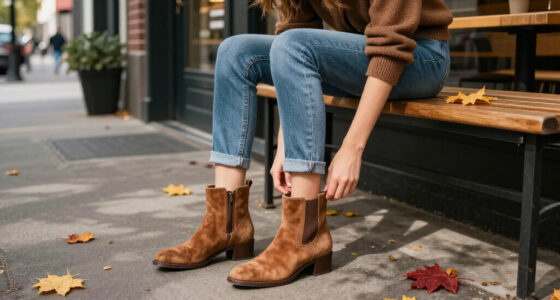
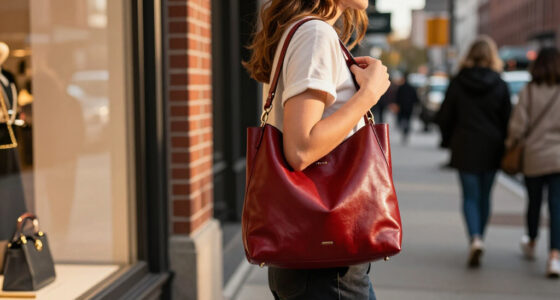
The writer says they began the day with coffee and an online shopping search after a holiday weekend, then selected items they found appealing at different price points. The list includes a **Zara beaded handbag**, **ST. Agni jacquard trousers**, **Manolo Blahnik slingback sandals**, and a **Massimo Dutti pink wool-blend sweater**. It also includes home products such as a wool rug, a Ralph Lauren Home throw pillow, a candle and a decorative bowl.
The recommendations mix luxury and lower-priced options. The article describes an **H&M coated jacket as $65** and points to J.Crew corduroy trousers as a less expensive alternative to designer-looking styles. These are the source’s reported product descriptions and prices; availability and pricing can change, and the supplied material does not give a complete price list for all 32 items.
The writer uses first-person reactions to explain the selections, including saying the rug eased lingering “Sunday blues” and that the coffee cup and saucer make a morning routine feel more enjoyable. Those statements describe **one editor’s experience and taste**. The source does not report testing, customer research, health outcomes or expert assessment of the products.
Shopping as a Mood Lift
The roundup reflects how fashion and home-shopping coverage often connects consumer products with **mood, routine and self-expression**. For readers looking for a small change to a workday or living space, the list offers a range of suggestions, from clothing and accessories to objects for the home. Its value is as **editorial inspiration**, rather than as evidence that buying something can reliably improve mental health.
The distinction matters because “healing” can sound like a health claim when separated from the article’s playful, first-person framing. In the source, the wording is tied to the writer’s Monday mood and excitement about particular finds. It does not establish that shopping is a treatment for low mood, or that any item has a measurable therapeutic effect. Readers should treat the language as **a metaphor, not a clinical promise**.
The mix of products also makes the roundup relevant to shoppers with different budgets and interests, though the recommendations do not amount to a complete comparison of alternatives. Individual preferences, fit, material, price and availability vary. The article’s enthusiasm is not a substitute for checking current listings or deciding whether an item suits a reader’s needs.
Popular right now

Bose QuietComfort Wireless Earbuds with Active Noise Cancellation, Dewdrop Mint

Ninja Foodi 8-Quart DualZone 6-in-1 Air Fryer, Grey (DZ201)

KitchenAid Classic Series 4.5-Quart Tilt-Head Stand Mixer, Onyx Black
As an affiliate, we earn on qualifying purchases.
Inside the November Edit
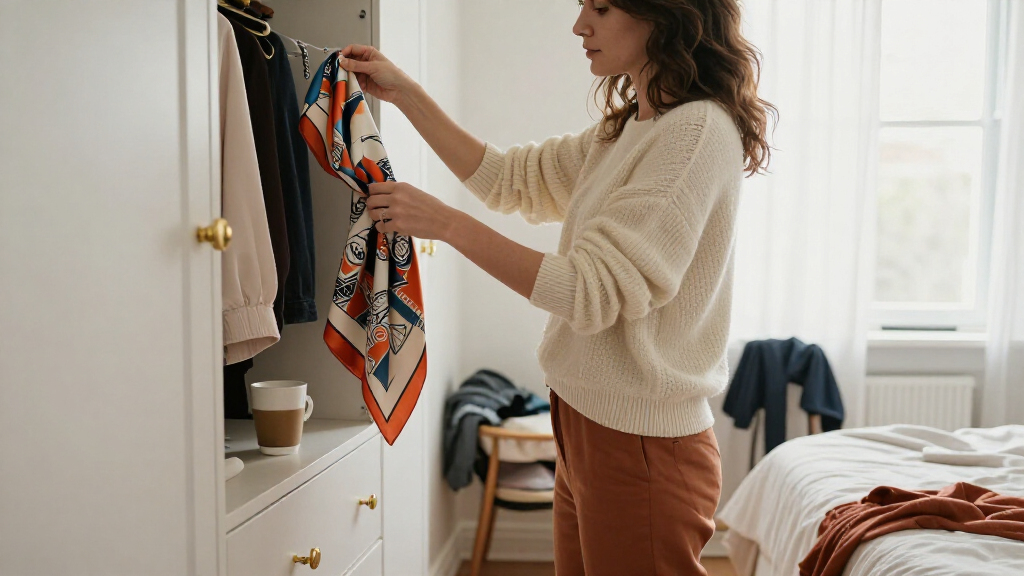
The source is a **Who What Wear shopping article** titled “Case of the Mondays? I’m Convinced These 32 Items Have Healing Properties,” published on its fashion and shopping site. Its premise is a personal account: the writer says Mondays can feel difficult, particularly after a holiday weekend, and describes browsing online as one way of shaking off a post-weekend funk.
The roundup spans apparel, footwear, accessories and interiors. Fashion selections include a **Reformation cropped pant**, a COS satin blouse, a Róhe leather coat and Zara pieces. Home-related picks include a Trudon fir candle, a rug, a throw pillow, a cup and saucer, and a bowl. The source uses enthusiastic descriptions, including predictions about stock and personal statements about purchases, but does not provide independent sales or inventory data.
The article is therefore best understood as **service-oriented shopping coverage with an opinionated voice**, not a reported health story. The supplied source material contains the product list and the writer’s comments, but no interviews, retailer confirmations or independent verification of product claims.
““Mondays, in general, are hard. Mondays after a holiday weekend are even harder.””
— Who What Wear writer
Claims and Availability Limits
The source does not establish that any of the 32 products has **healing or therapeutic properties** in a medical sense. It provides no health research, clinical testing or evidence that purchasing the items changes mood beyond the writer’s own account. The wording should not be read as a verified health claim.
It is also unclear whether all listed items remain available, whether the mentioned prices still apply, or how the products compare with similar options. The writer says some items may sell out and notes that only one size remained for The Row Eunice Jacket, but the supplied material does not include a timestamped stock check or retailer confirmation. No exact publication day is supplied.
Check Listings Before Buying
The roundup directs readers to shop the featured products, but the source gives no follow-up reporting, sales figures or planned update. Anyone interested in an item would need to check the retailer’s **current price, stock, sizing and product details** before purchasing. The article does not indicate that further evidence about the products’ effects or availability is forthcoming.
For readers drawn to the mood-related framing, the clearest takeaway is limited: the writer found the browsing experience and particular products personally cheering. Whether any item suits another person, fits their budget or improves their mood is **individual and unverified**.
Key Questions
What did Who What Wear publish?
It published a **November 2026 shopping roundup of 32 fashion and home products**, selected by a writer who described them as mood-lifting finds.
Do the items have proven healing properties?
No evidence is provided. “Healing properties” is used as playful, personal language about the writer’s mood, not as a supported medical claim.
What kinds of products are included?
The list includes **clothing, shoes, bags, jewelry and home goods**, among them a wool rug, a candle, a pillow and a cup and saucer.
Are the listed prices and items still available?
The source mentions a $65 H&M jacket but does not provide a complete price list or current stock confirmation. Prices and availability may change, so readers should check retailer listings.
Source: whowhatwear.com