
Fashion brands face backlash when their campaigns offend cultural sensitivities or reveal unethical practices. For example, Gucci’s blackface sweater, H&M’s “coolest monkey” hoodie, and Dolce & Gabbana’s stereotyping ads sparked outrage and apologies. Balenciaga’s controversial campaigns led to industry reforms, and exposure of harassment Scandals changed how brands handle workplace conduct. If you want to see how these scandals shaped the industry’s response and future actions, keep exploring these incidents and their impacts.

Get your wardrobe favorites delivered free — and shop member deals
- Fast, free delivery on millions of items
- Access to Prime Big Deal Days deals on October 6–7
- Prime Video, Amazon Music and more included
Key Takeaways
- Gucci’s blackface sweater was withdrawn and apologized for after accusations of racial insensitivity, leading to internal diversity initiatives.
- H&M’s “coolest monkey” sweatshirt was removed following widespread outrage over racial stereotypes and insensitivity.
- Dolce & Gabbana’s Chinese campaign faced backlash for stereotypes, resulting in lost sales and damaged reputation in China.
- Balenciaga’s controversial ads sexualizing children prompted apologies, campaign withdrawals, and industry calls for ethical standards.
- Industry-wide scandals of harassment and labor abuses led brands to suspend collaborations, implement policies, and increase transparency.
Gucci’s Blackface Sweater and Its Aftermath
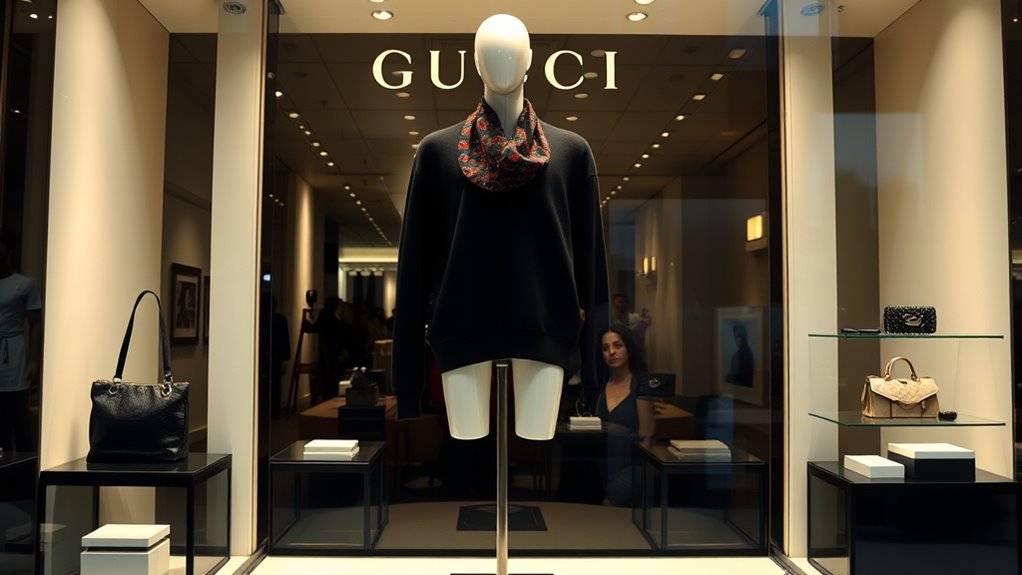
Have you ever wondered how a single product can tarnish a brand’s reputation overnight? Gucci’s Blackface sweater in 2019 is a prime example. The luxury turtleneck, with its oversized red lips and roll-over mouth covering, sparked immediate outrage online, with critics accusing it of racial insensitivity and echoing blackface imagery. Within days, Gucci pulled the sweater from stores and apologized publicly. The brand then hired a global diversity head and launched internal diversity training to repair its image. However, the incident left lasting damage, prompting widespread scrutiny of Gucci’s creative process and decision-making. This scandal underscored how careless designs, even unintentionally, can cause significant reputational harm and deepen industry conversations about cultural awareness and responsibility.
H&M’s “Coolest Monkey” Sweatshirt and Industry Reflection
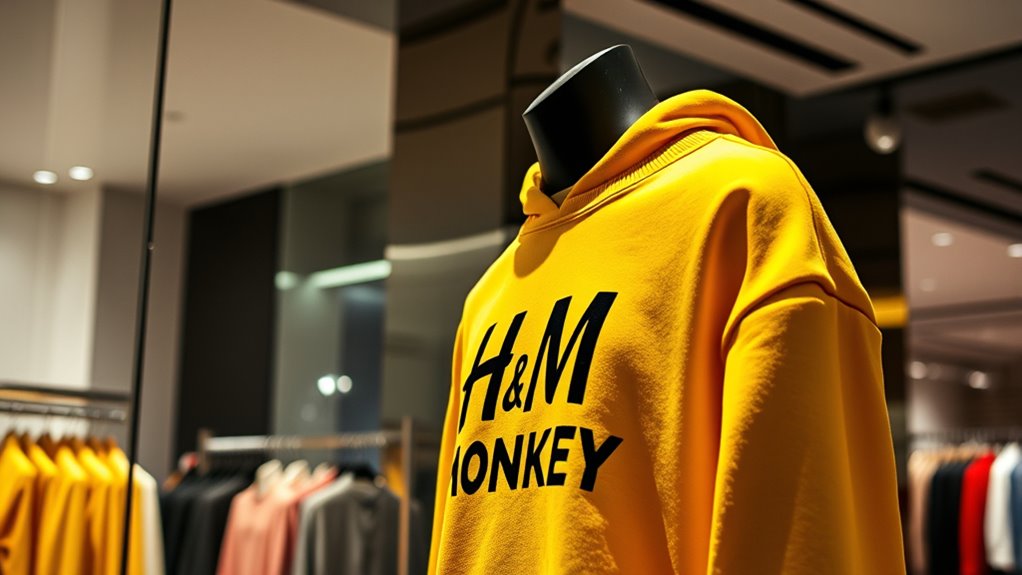
H&M’s “Coolest Monkey” sweatshirt in 2018 ignited widespread outrage after it was featured on a Black child model alongside the slogan “coolest monkey in the jungle.” The image quickly drew accusations of racial insensitivity and perpetuating harmful stereotypes, prompting swift backlash from consumers, celebrities, and advocacy groups. Many saw the branding as racially offensive, recalling historical connotations of monkeys and racism. In response, H&M issued a public apology, removed the product from stores and online platforms, and pledged to review their marketing practices. The incident sparked industry reflection on cultural awareness, leading brands to scrutinize their imagery more carefully. It highlighted the importance of diversity within marketing teams and underscored the ongoing need for cultural sensitivity in global fashion branding. Incorporating safety and cultural sensitivity considerations into marketing strategies is now recognized as essential for fostering inclusive brand images.
Dolce & Gabbana’s Chinese Campaign and Cultural Sensitivity Failures
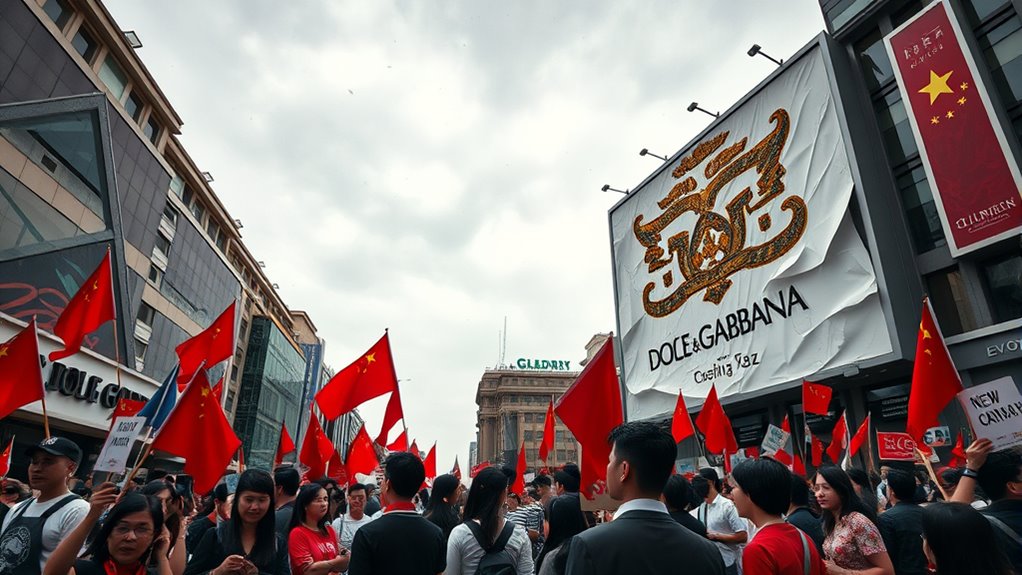
Dolce & Gabbana’s 2018 Chinese campaign failed to take into account cultural sensitivities, leading to widespread outrage and significant brand damage. The promotional videos showed a Chinese model struggling to eat Italian food with chopsticks, which many perceived as stereotypical and racist. The backlash was swift and fierce, with consumers in China canceling orders, major retailers pulling products, and public figures condemning the campaign. The brand’s immediate responses—apologies followed by denial—only worsened the situation, fueling accusations of insensitivity. As a result, Dolce & Gabbana lost key partnerships in China, and their reputation suffered long-term harm in the region. This incident became a cautionary example of how cultural missteps can threaten global brands’ credibility and financial stability. Additionally, the incident highlighted the importance of understanding cultural context and avoiding stereotypes in marketing campaigns.
Balenciaga’s Controversial Ads and Industry Reforms
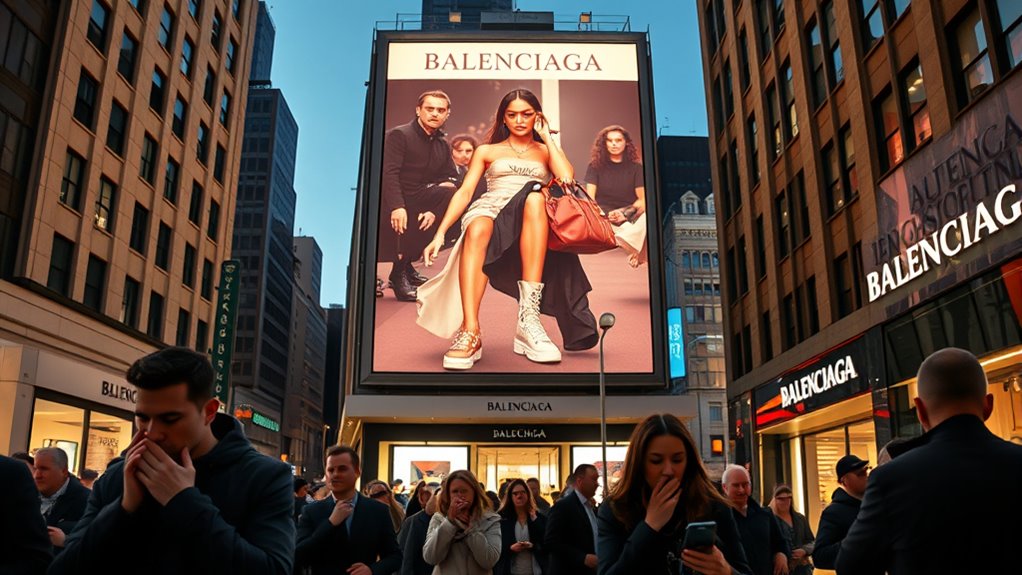
In 2022, Balenciaga sparked widespread outrage with its provocative ad campaigns that sexualized children and featured a court document bearing sensitive imagery, prompting intense moral and public backlash. The ads showed children with BDSM-inspired props and included a legal document related to child abuse, which many saw as highly inappropriate. The controversy led to calls for boycotts, industry condemnation, and brands distancing themselves from Balenciaga. In response, the brand issued public apologies, pulled the campaigns, and announced internal reviews. Balenciaga also partnered with child-protection organizations and hired experts to improve ad vetting processes. This scandal pushed the fashion industry to re-examine ethical standards, leading to stricter content review procedures and increased calls for accountability and transparency in advertising. Additionally, the incident underscored the importance of ethical standards and responsible marketing practices within the industry.
The Reckoning With Harassment and Labor Scandals in Fashion
As awareness of power imbalances in the fashion industry grows, so does the focus on harassment and labor abuses behind the scenes. You’ve likely seen stories of models, assistants, and factory workers speaking out about exploitation and misconduct. Brands are increasingly held accountable through public backlash, leading to immediate actions like suspending collaborations or firing accused individuals. Many companies now implement safeguarding policies, conduct internal investigations, and partner with child-protection organizations. These scandals have also sparked industry-wide debates on consent, fair wages, and safe working conditions. You might notice more transparent supply chains, third-party audits, and advocacy networks working to protect vulnerable workers. This focus aligns with efforts to promote Free Floating in supply chain management, emphasizing the importance of adaptable and sustainable practices. While progress is slow, this reckoning drives ongoing change, demanding accountability and safer environments for everyone involved in fashion.
Frequently Asked Questions
How Do Brands Typically Manage Reputation Recovery After Scandals?
You can manage reputation recovery by acting quickly and transparently. Apologize sincerely, withdraw problematic products, and communicate your efforts to fix the issues. Show your commitment to change through tangible actions, like hiring diversity leaders or implementing new policies. Engage with affected communities and stakeholders to rebuild trust. Consistently demonstrate your brand’s dedication to ethical practices and inclusivity, helping to restore your reputation over time.
What Role Does Diversity Play in Preventing Fashion Industry Controversies?
Diversity plays a vital role in preventing fashion industry controversies by bringing varied perspectives that challenge stereotypes and cultural insensitivities. When you include diverse voices in your creative process, you’re more likely to catch potential issues early, avoiding harmful missteps. Embracing representation fosters authenticity and respect, reducing the risk of backlash. Ultimately, prioritizing diversity helps brands build trust, stay relevant, and create inclusive designs that resonate globally.
How Effective Are Regulatory Actions in Curbing Unethical Fashion Practices?
Regulatory actions can be quite effective if enforced consistently and transparently. They push brands to adopt better practices, increase accountability, and deter unethical behavior. However, without proper oversight and industry-wide cooperation, some companies may still find ways to bypass regulations. You need to stay aware of evolving laws and advocate for stronger enforcement. Ultimately, regulations are a crucial tool, but they work best when combined with consumer pressure and industry self-regulation.
What Long-Term Changes Have Been Adopted Industry-Wide Following Scandals?
You might think scandals change nothing long-term, but they’ve pushed the industry to adopt stricter standards. Brands now implement extensive diversity initiatives, tighten ad review processes, and enforce supply chain transparency. Many have hired dedicated ethics officers and established reporting channels. These changes aim to prevent repeats, reflecting a broader shift toward accountability. While not perfect, the industry’s becoming more conscious about ethics, showing that scandals have indeed spurred meaningful, lasting reform.
How Do Consumer Activism and Social Media Influence Brand Accountability?
You see, consumer activism and social media put brands under intense scrutiny, making accountability unavoidable. When you voice concerns online or organize protests, brands feel the pressure to respond quickly and transparently. They often issue apologies, withdraw problematic products, or change policies to regain trust. Your voice shapes industry standards, pushing brands to prioritize ethical practices and cultural sensitivity, ultimately making them more responsible and responsive to public expectations.
Conclusion
Just like Marie Antoinette’s infamous “let them eat cake” moment, these scandals remind you that ignoring cultural sensitivities can backfire big time. When brands face backlash, they often scramble to fix their mistakes—sometimes with genuine change, sometimes just a quick patch-up. If you want to stay ahead in fashion, remember that authenticity and respect matter more than ever. The runway may be glamorous, but the audience is watching—and they won’t forget.
Fall Picks
fall essentials
As an affiliate, we earn on qualifying purchases.