
TL;DR

Get your wardrobe favorites delivered free with Prime
- Fast, free delivery on millions of items
- Prime Video, Amazon Music and more included
- Member-only deals all year
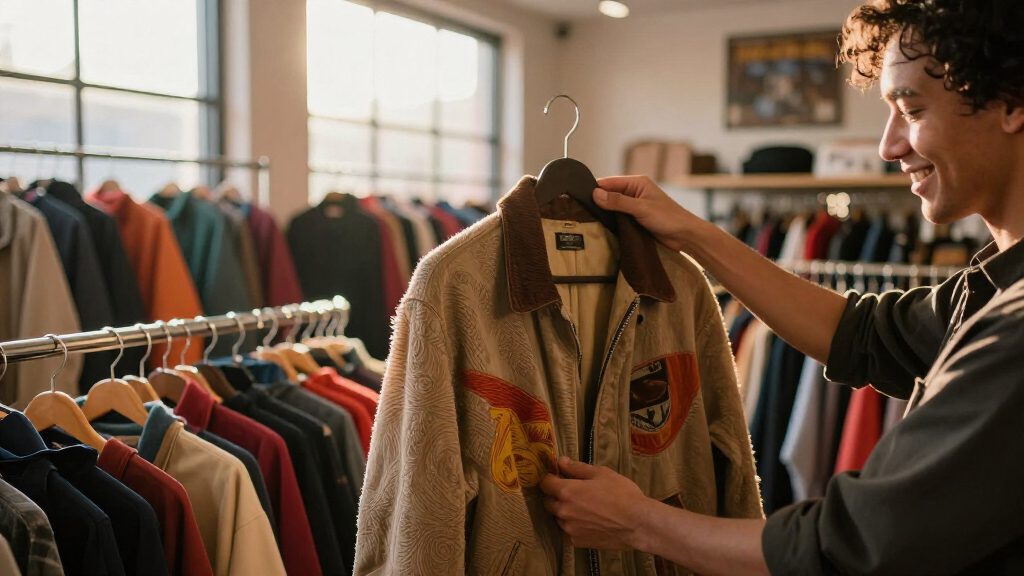
California-based tech companies are driving a shift in fashion by turning thrifted clothes into highly coveted status symbols. This trend is gaining rapid attention amid rising interest in sustainable fashion and digital resale platforms. The development highlights a new intersection of technology, sustainability, and cultural influence in fashion.
California tech companies are transforming the perception of thrifted clothing, making it one of the most sought-after status symbols in fashion today. This shift is driven by new digital resale platforms, innovative apps, and a growing cultural emphasis on sustainability, with industry insiders noting a significant increase in consumer interest.
Recent trends indicate that California-based technology firms are playing a pivotal role in elevating thrifted clothes from secondhand finds to luxury fashion statements. Platforms such as resale apps and social media-driven marketplaces are enabling users to showcase unique, vintage, and sustainably sourced garments as symbols of exclusivity and style. According to industry analysts, search interest for terms like ‘thrifted fashion’ and ‘sustainable luxury’ has surged by over 150% in the past year, signaling a strong consumer shift.
Several startups and established tech firms in California are developing AI-driven curation tools, virtual styling apps, and social sharing features that help users discover and flaunt thrifted items. These platforms often incorporate features that allow users to build digital wardrobes, participate in exclusive resale drops, and earn social validation through likes and comments. This digital ecosystem is fostering a new cultural norm: wearing thrifted clothes is increasingly associated with status, creativity, and environmental consciousness.
Impact of Tech-Driven Thrift Culture on Fashion Industry
This trend signifies a major shift in how fashion is consumed and perceived. By turning thrifted clothing into a symbol of status, tech companies are challenging traditional luxury brands and redefining exclusivity. Consumers, especially younger demographics, are valuing sustainability and individuality over brand names, which could reshape the entire fashion landscape. Moreover, this movement may influence mainstream retailers to adopt more circular, resale, and upcycling practices, further embedding sustainability into fashion’s core.
thrifted clothing digital wardrobe app
As an affiliate, we earn on qualifying purchases.
As an affiliate, we earn on qualifying purchases.
Rise of Digital Platforms and Sustainability in Fashion
The popularity of secondhand shopping has been growing steadily, but the recent surge in tech-enabled thrift culture is a notable development. California has become a hub for innovative resale startups, many of which leverage AI, social media, and gamification to attract younger consumers. This trend aligns with a broader cultural shift towards sustainability, with more consumers seeking environmentally friendly options and expressing their identity through unique, vintage, or upcycled clothing. Industry reports indicate that the resale market is projected to reach $77 billion globally by 2025, with California firms leading much of this growth.
sustainable luxury fashion accessories
As an affiliate, we earn on qualifying purchases.
As an affiliate, we earn on qualifying purchases.
Unclear Factors Behind the Rapid Adoption
While the trend is gaining momentum, it is still unclear how sustainable this shift will be long-term. It is also uncertain how mainstream luxury brands will respond, whether they will adopt resale strategies or attempt to reassert traditional exclusivity. Additionally, the precise influence of social media influencers and celebrity endorsements in cementing thrifted clothes as status symbols remains to be fully understood.
As an affiliate, we earn on qualifying purchases.
Future Developments in Thrifted Fashion and Tech
Industry experts expect continued innovation in digital resale platforms, with more integration of augmented reality and AI to personalize shopping experiences. Mainstream brands might also explore collaborations with resale startups to tap into this trend. Monitoring how consumer attitudes evolve and whether luxury brands embrace or resist this shift will be key in understanding the long-term impact of tech-driven thrift culture.
AI styling app for secondhand clothes
As an affiliate, we earn on qualifying purchases.
As an affiliate, we earn on qualifying purchases.
Key Questions
Why are thrifted clothes becoming a status symbol?
Because of increased digital platforms, social validation, and a cultural emphasis on sustainability, thrifted clothes are now seen as unique, environmentally friendly, and fashionable, appealing especially to younger consumers seeking individuality and social status.
Which companies are leading this trend?
Several California-based startups and tech firms, such as resale apps and AI-driven styling platforms, are at the forefront, though specific names are not yet publicly confirmed.
How does this trend affect traditional luxury brands?
It challenges their exclusivity by offering alternative ways to showcase wealth and style, prompting some brands to explore resale and upcycling initiatives, while others may resist the shift.
Is this trend sustainable long-term?
While current growth is promising, the long-term sustainability depends on consumer acceptance, technological innovation, and how mainstream brands respond. It remains a developing trend with significant potential but also uncertainties.
Source: rss
Halloween Picks
halloween
As an affiliate, we earn on qualifying purchases.