
TL;DR

Get your wardrobe favorites delivered free — and shop member deals
- Fast, free delivery on millions of items
- Access to Prime Big Deal Days deals on October 6–7
- Prime Video, Amazon Music and more included
Influencers have become a significant cultural force, but they face increasing backlash and skepticism. Recent incidents, like a Nantucket shop banning influencers, highlight societal tensions and the industry’s precarious position.
A Nantucket gift shop’s recent sign reading ‘No Influencers’ has ignited a social media debate and brought attention to the complex role of influencers in society today. The sign, posted by owner John Sylvia, was intended as a joke but quickly gained widespread attention, symbolizing growing frustrations with influencer culture.
Influencers, once a niche phenomenon, have become a mainstream occupation, with an estimated 27 million Americans earning income through online content creation, according to marketing consultants. Despite this legitimacy, the industry faces mounting criticism, including online backlash, societal disdain, and physical-world restrictions.
Last week, the Nantucket gift shop made headlines after posting a sign that explicitly banned influencers from filming inside. The sign was shared on Instagram, receiving thousands of likes and sparking a broader conversation about the influence and intrusion of social media personalities in everyday spaces.
Paige Paul, a popular influencer with 2 million followers, criticized the sign as misogynistic, arguing it unfairly targeted women-dominated content creators. The shop owner, John Sylvia, explained the sign was meant as a joke for locals but acknowledged frustration over disruptive filming, saying, “A lot of people are tired of feeling like extras in someone else’s video.”
Broader Societal Tensions Around Influencer Culture
The incident underscores the growing societal divide over influencers: while they are economically significant and culturally pervasive, many people resent their intrusion into personal and public spaces. This tension reveals the fragile legitimacy of influencer work and raises questions about boundaries, respect, and industry accountability.
As influencers become more prominent, conflicts like the Nantucket sign reflect a broader pushback against perceived overreach, highlighting the industry’s precarious position amid declining public admiration and increasing regulation.
As an affiliate, we earn on qualifying purchases.
Rise and Challenges of Influencer Industry
Over the past decade, influencers have transitioned from niche online personalities to mainstream figures, with many earning significant income and impacting consumer behavior. Universities like Arizona State are now offering degrees in content creation, signaling institutional recognition of the field.
However, the industry remains unregulated and often criticized for superficiality, promoting consumerism, and fostering online toxicity. Recent incidents, such as the Brooklyn café banning photography and Indonesia cracking down on paid content creation on tourist visas, illustrate ongoing societal discomfort and regulatory efforts.
Public backlash has intensified, with online communities mocking influencers and questioning their societal value, as seen in Reddit discussions and viral videos criticizing the industry’s emptiness and exploitation.
“A lot of people are tired of feeling like extras in someone else’s video.”
— John Sylvia, shop owner
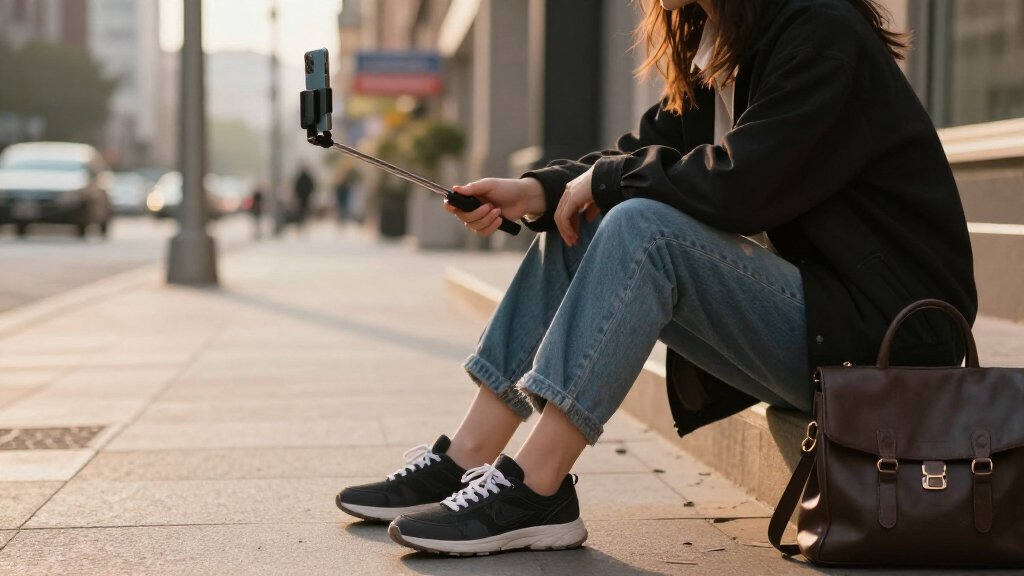
portable ring light for influencers
As an affiliate, we earn on qualifying purchases.
As an affiliate, we earn on qualifying purchases.
Unclear Impact of Recent Influencer Backlash
It remains uncertain how widespread or lasting the backlash against influencers will be, and whether incidents like the Nantucket sign will lead to broader industry regulation or cultural shifts. The long-term societal perception of influencers continues to evolve amid ongoing tensions and new regulatory proposals.
As an affiliate, we earn on qualifying purchases.
Potential Industry and Cultural Responses to Tensions
Expect ongoing debates about influencer boundaries, industry accountability, and societal impact. Future developments may include stricter regulations, increased pushback from communities, or shifts in how influencers operate in public spaces. Monitoring social media discourse and regulatory proposals will be key to understanding the trajectory of this controversy.
As an affiliate, we earn on qualifying purchases.
Key Questions
Why are influencers so controversial now?
Influencers are controversial due to their pervasive presence, perceived intrusion into personal spaces, and debates over their societal value and authenticity. Many see them as superficial or exploitative, fueling backlash.
What does the Nantucket sign symbolize?
The sign represents growing frustration with influencers’ disruptive behavior in public spaces and reflects broader societal tensions about their role and respect for local communities.
Could this incident lead to regulation of influencers?
While it’s uncertain, incidents like this contribute to ongoing discussions about regulating influencer activities and establishing boundaries, especially in sensitive or private locations.
How do influencers feel about this backlash?
Many influencers acknowledge criticism but also defend their work as legitimate. Reactions vary, with some calling for industry reform and others dismissing backlash as envy or outdated attitudes.
Source: The Atlantic
Fall Picks
fall essentials
As an affiliate, we earn on qualifying purchases.