Your wardrobe has shifted from pajamas to comfy, versatile pieces that blend style and comfort. Remote work encourages casual, hybrid-appropriate clothes like tailored joggers, relaxed blouses, and sustainable, multi-use items. As in-person work returns, some formal pieces are making a comeback, but comfort remains key. Budget considerations and eco-conscious choices influence your options, embracing second-hand and durable wardrobe updates. Stay tuned to discover how evolving trends and economic factors shape your workwear choices even further.

Get your wardrobe favorites delivered free with Prime
- Fast, free delivery on millions of items
- Prime Video, Amazon Music and more included
- Member-only deals all year
Key Takeaways
- Remote work increased casual dressing, with 42% of Americans favoring comfortable, everyday clothes like pajamas and leisurewear.
- As in-person work resumes, there’s a shift back to structured, traditional outfits such as tailored pants and blouses.
- Hybrid schedules promote versatile clothing that can easily transition from casual to professional settings.
- The rise of multi-use, sustainable wardrobe pieces reflects a focus on comfort, practicality, and eco-conscious fashion choices.
- Emerging trends blend comfort and style, emphasizing personal expression through statement accessories and high-quality, adaptable apparel.
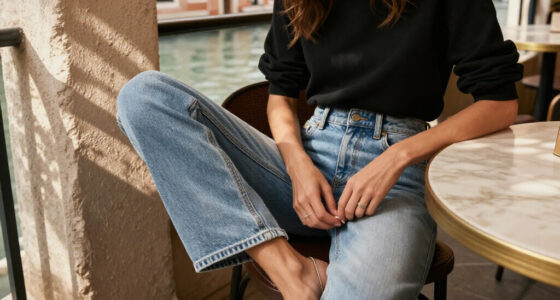
women's versatile joggers for work and leisure
As an affiliate, we earn on qualifying purchases.
As an affiliate, we earn on qualifying purchases.
The Rise of Casual Attire in Remote Work Settings
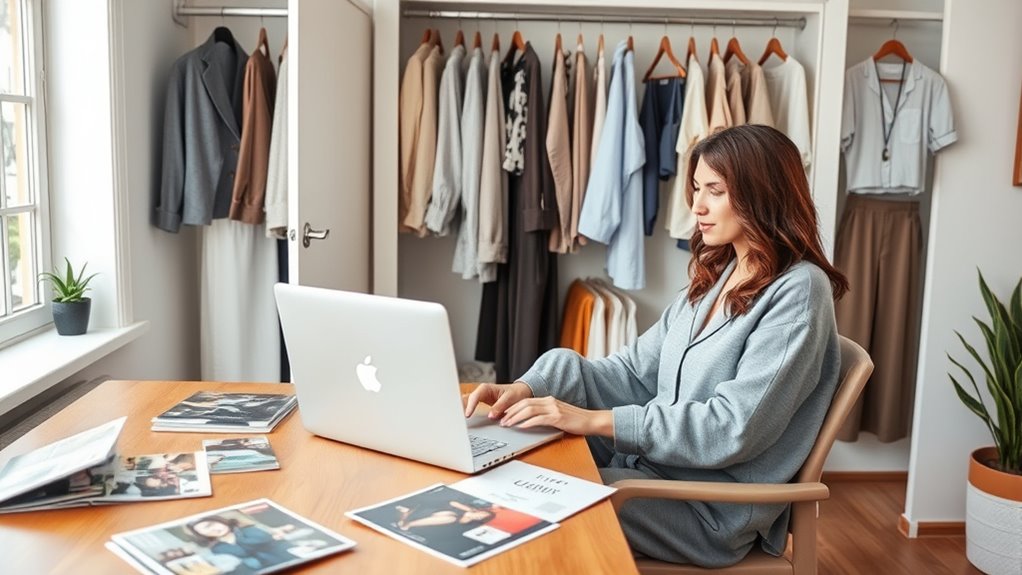
The rise of casual attire in remote work settings has transformed how people dress for their jobs. You’re likely swapping suits and dress shirts for jeans, t-shirts, or even pajamas. About 42% of Americans working from home wear casual everyday clothes, and 70% dress differently at home compared to the office. Women, in particular, are more comfortable choosing leisurewear, with many opting for pajamas during peak pandemic times. Comfort takes priority, and many find casual clothing helps them stay relaxed and focused. The shift has also led to a decline in formal dress codes, with only 4.3% of employers enforcing strict rules. Additionally, the focus on comfort has increased demand for home wardrobe flexibility, allowing individuals to easily transition between work and leisure attire. This new norm emphasizes practicality and comfort, reshaping workplace wardrobe expectations across various industries. As remote work becomes more prevalent, the importance of energy-efficient clothing options that support long hours at home is gaining attention.
sustainable multi-use blouses for women
As an affiliate, we earn on qualifying purchases.
As an affiliate, we earn on qualifying purchases.
The Shift Toward Versatile and Hybrid-Appropriate Clothing
You’re looking for clothes that work seamlessly for both work and leisure, balancing style and comfort. Many prioritize multi-use apparel that can be dressed up or down, making wardrobes more flexible. This shift reflects a growing demand for versatile pieces that adapt to your hybrid schedule without sacrificing your personal style.
Balancing Style and Comfort
As remote and hybrid work models become the norm, balancing style and comfort has gained importance. You want clothing that looks professional enough for video calls but feels good for long hours at home. To achieve this, focus on versatile pieces that serve multiple purposes. Incorporating adaptive wardrobe strategies can help you seamlessly transition between work and leisure, ensuring you stay prepared for any situation.
- Mix casual and polished styles, like pairing a blazer with a soft t-shirt.
- Prioritize fabrics that are breathable yet structured.
- Opt for multi-use clothing that shifts from work to leisure seamlessly.
- Choose items that are easy to layer for varying comfort needs.
- Incorporate vintage-inspired textiles and designs to add unique character while maintaining modern functionality.
This approach helps you stay confident and comfortable without sacrificing professionalism. Finding the right balance means you can adapt your wardrobe to different daily demands, reducing stress and boosting productivity.
Demand for Multi-Use Apparel
With comfort and style now top priorities, demand for multi-use apparel has surged among remote and hybrid workers. You want clothing that changes seamlessly from work calls to casual downtime. Versatile pieces like blazer-style joggers, smart-knit tops, and adaptable dresses fit this need perfectly. They allow you to be polished for video meetings yet comfortable for lounging. This shift is reflected in your shopping habits, with nearly half rating versatility as very important. You’re also seeking quality and durability, so your wardrobe becomes more practical and cost-effective. Below is a quick look at what you’re after:
| Feature | Example Items | Benefits |
|---|---|---|
| Flexibility | Blazer joggers | Work-to-casual transition |
| Quality | Sustainable fabrics | Longevity and value |
| Comfort | Stretchy knits | All-day ease |
| Style | Minimalist designs | Timeless, versatile looks |
| Functionality | Pockets, adjustable fit | Practical for multiple settings |
Preference for Flexible Wardrobes
The shift toward versatile wardrobes reflects a growing desire for clothing that effortlessly progresses between work and leisure. You now prioritize pieces that serve dual purposes, simplifying your mornings and reducing clutter. This trend encourages investing in items like:
- Stylish blouses that suit video calls and casual outings
- Comfortable chinos or tailored joggers for work and errands
- Layered outfits that transition easily from home to office
- Footwear that’s both professional and comfortable for all-day wear
You want your wardrobe to adapt to your dynamic schedule without sacrificing style or comfort. With 92% of hybrid workers seeking flexible clothing options, it’s clear that versatility is key. This trend helps you stay prepared for spontaneous meetings, relaxed weekends, or quick trips, all while maintaining a polished appearance. Incorporating performance fabrics and lightweight, adaptable fabrics into your wardrobe ensures maximum comfort without compromising style, especially as performance fabrics continue to evolve and enhance everyday wear. Additionally, choosing fabrics with breathability and durability can extend the lifespan of your versatile clothing. Recognizing the importance of high-quality materials ensures your wardrobe remains stylish and durable over time.
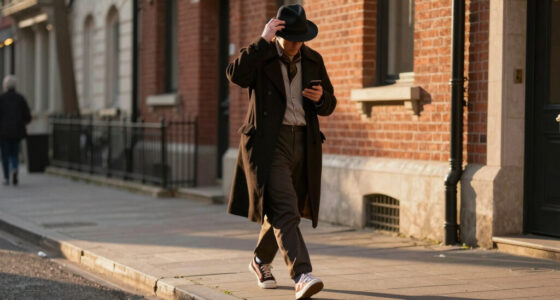
professional casual blazers for video calls
As an affiliate, we earn on qualifying purchases.
As an affiliate, we earn on qualifying purchases.
Impact of Returning to the Office on Wardrobe Choices
Returning to the office prompts a significant shift in wardrobe choices, as employees shift from casual and flexible workwear to more structured and traditional outfits. You’ll likely swap your relaxed jeans and t-shirts for tailored pants, blouses, or button-down shirts. Employers like Amazon and JPMorgan now require five-day in-office attendance, pushing you to build capsule wardrobes with versatile pieces. You’ll focus on professionalism and appearance, often choosing outfits that balance comfort with polish. Incorporating professional attire can help you make a confident impression and adapt seamlessly to the office environment. This transition also emphasizes the importance of appropriate dress code compliance to meet workplace expectations. While comfort remains important, you’ll prioritize a more refined look to match the office environment. Overall, returning to work in person reshapes your wardrobe toward a more formal and cohesive style. Developing a wardrobe strategy can help streamline outfit choices and maintain confidence throughout the workweek.
eco-friendly workwear for remote employees
As an affiliate, we earn on qualifying purchases.
As an affiliate, we earn on qualifying purchases.
Emerging Style Trends for Workwear in 2025
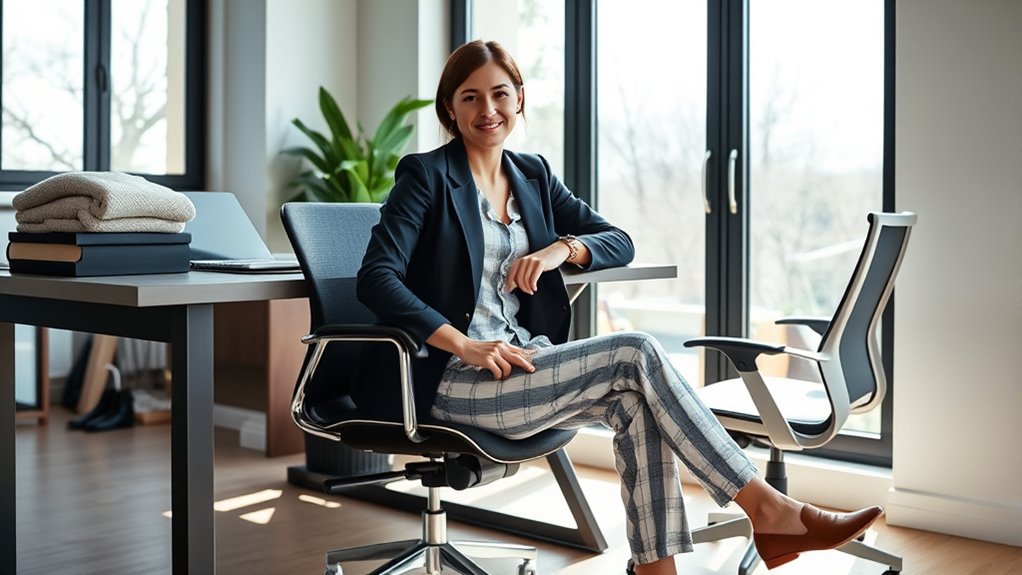
As workwear continues to evolve in 2025, three key style trends are shaping how you dress for both office and remote settings. First, Flexible Chic dominates, combining polished pieces with casual comfort—think tailored joggers paired with blazers. Second, Quiet Luxury emphasizes subtle sophistication, with neutral tones and high-quality fabrics making understated statements. Lastly, Office Siren blends boldness and professionalism, featuring statement accessories and modern silhouettes to stand out during video calls or in-person meetings.
You’ll see these trends reflected in:
- Versatile, multi-use clothing suitable for work, home, and leisure
- Elevated basics with refined fabrics and finishes
- Incorporation of sustainable, second-hand pieces for eco-conscious style
- Personal expression through accessories and unique textures
These trends help you stay stylish, comfortable, and adaptable in a changing work landscape.
The Decline of Formal Dress Codes and Its Effects
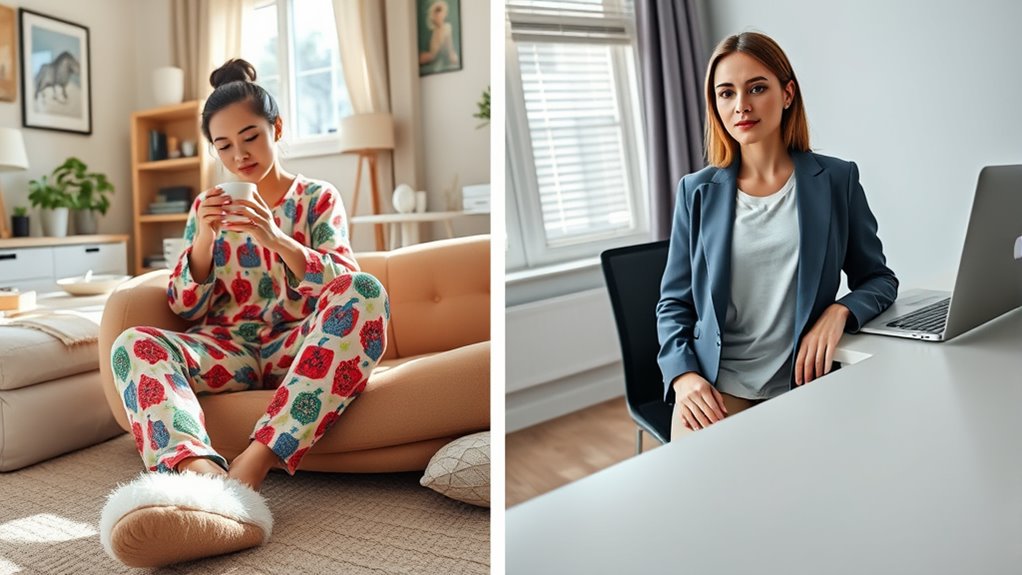
The evolution of workwear trends has considerably shifted expectations around dress codes in the workplace. Today, formal dress codes have declined by 80%, with only 4.3% of employers enforcing strict rules. This change stems from the pandemic, which accelerated casual norms as in-person meetings decreased. You now prioritize comfort over formality, often dressing in casual outfits like jeans or t-shirts, even during video calls. Tech companies and startups favor self-expression over rigid standards, making dress codes more relaxed. This shift attracts younger talent who value authenticity and comfort. As a result, traditional notions of professionalism are evolving, allowing you to focus more on personal style and function rather than conforming to outdated formalities. This trend reshapes workplace culture, emphasizing flexibility and individuality.
The Comfort-First Approach Driving Wardrobe Decisions

Prioritizing comfort has become the main driver behind wardrobe choices for many people working from home. You’re likely opting for clothes that feel good and require less effort, rather than traditional business attire. This shift is reflected in how you choose your daily outfits. You may:
- Wear casual items like jeans and t-shirts most of the time
- Prefer stretchy, soft fabrics that move easily with you
- Mix comfort with style, creating versatile outfits
- Avoid restrictive or formal clothing altogether
- Embrace free floating styles that prioritize ease and comfort over structure, which can also contribute to a more relaxed home environment.
This comfort-first approach reduces stress and saves time, making your day more productive and relaxed. It’s about feeling at ease while maintaining a presentable look for video calls and virtual meetings. Ultimately, comfort now takes precedence over conventional fashion rules.
Gender Differences in WFH Clothing Habits
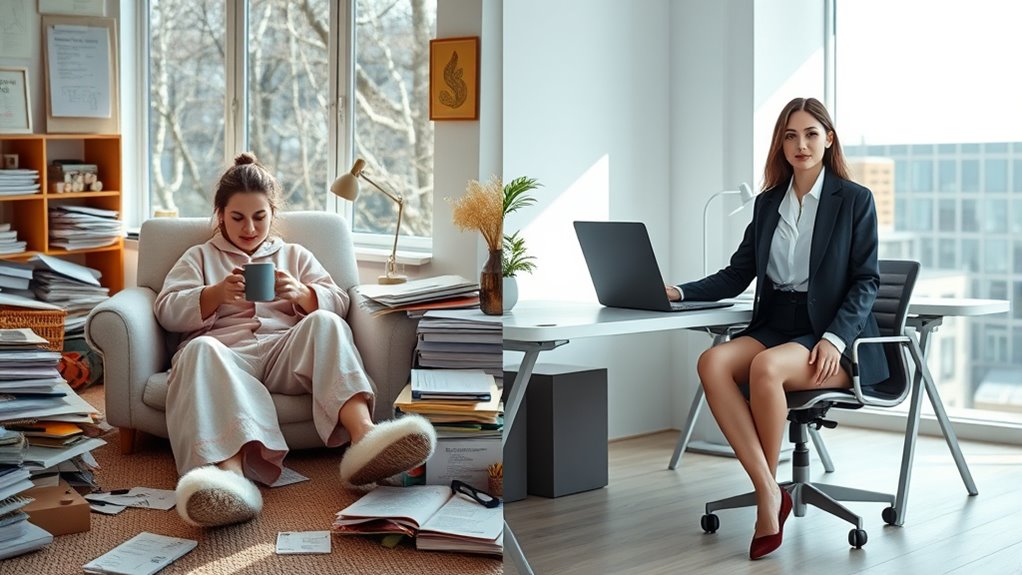
Gender shapes how you approach your WFH wardrobe choices, with women more likely to favor comfort and loungewear, while men tend to stick closer to traditional casual or business casual styles. Women often swap formal work attire for cozy pajamas or relaxed outfits, feeling more comfortable during video calls. They also tend to shop for versatile pieces that suit both work and leisure, emphasizing comfort and practicality. Additionally, many women are seeking clothing versatility to maximize their wardrobe options while maintaining comfort. This focus on wardrobe flexibility reflects a broader trend toward adaptable clothing that supports various activities throughout the day. Recognizing the importance of personal finance management and how wardrobe choices can impact their overall lifestyle and budget helps individuals make smarter clothing investments that support both comfort and functionality in their daily routines. This shift also highlights the increasing influence of market trends on consumer preferences in the WFH environment.
The Influence of Economic Factors on Workwear Spending
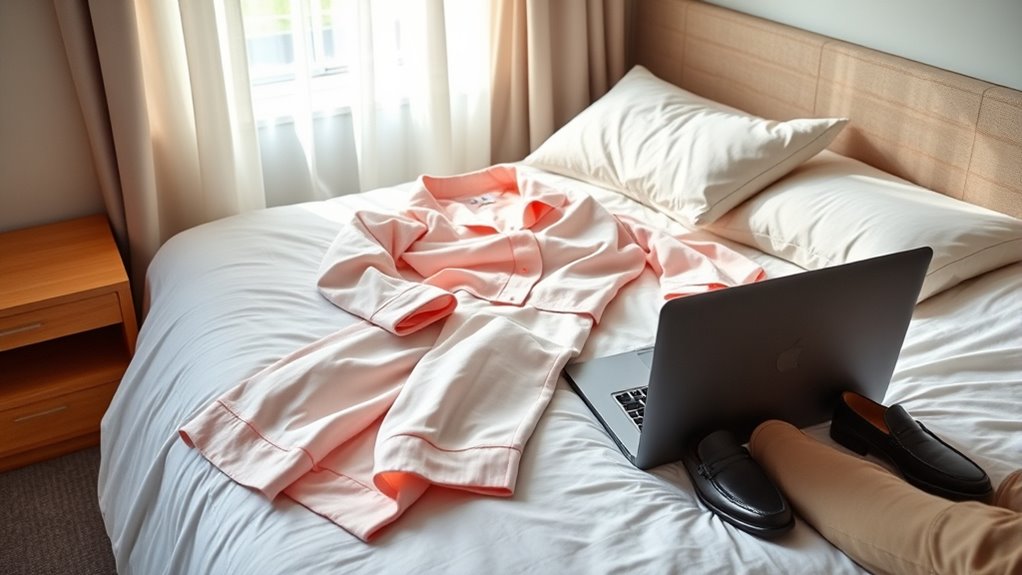
Economic factors considerably influence how much you spend on workwear, especially as remote and hybrid work models become more common. When budgets tighten, you tend to prioritize multi-use pieces, quality, and comfort over trendy or expensive items. This shift is reflected in your spending habits, with many opting for versatile clothing suitable for work, leisure, and errands. You might also turn to second-hand stores or resale platforms to save money. Key influences include:
- Reduced overall spending on work attire due to economic uncertainty
- Increased interest in affordable, multi-use clothing for different settings
- Preference for quality over quantity to ensure longer-lasting pieces
- Growing reliance on second-hand shopping to stretch your budget
- The trend toward second-hand shopping underscores a broader shift in consumer behavior driven by economic factors
- As economic pressures mount, consumers are increasingly seeking cost-effective wardrobe solutions to adapt to their financial realities
- The rise of sustainable fashion options reflects a desire to make mindful purchasing decisions while managing tight budgets
- Additionally, consumers are becoming more aware of clothing durability to maximize value and reduce frequent replacements
- Notably, some consumers are exploring personalized styling advice to maximize the versatility of their existing wardrobe and avoid unnecessary purchases
These trends highlight how your financial situation shapes your wardrobe choices in the evolving work environment.
The Growing Popularity of Second-Hand and Multi-Use Apparel
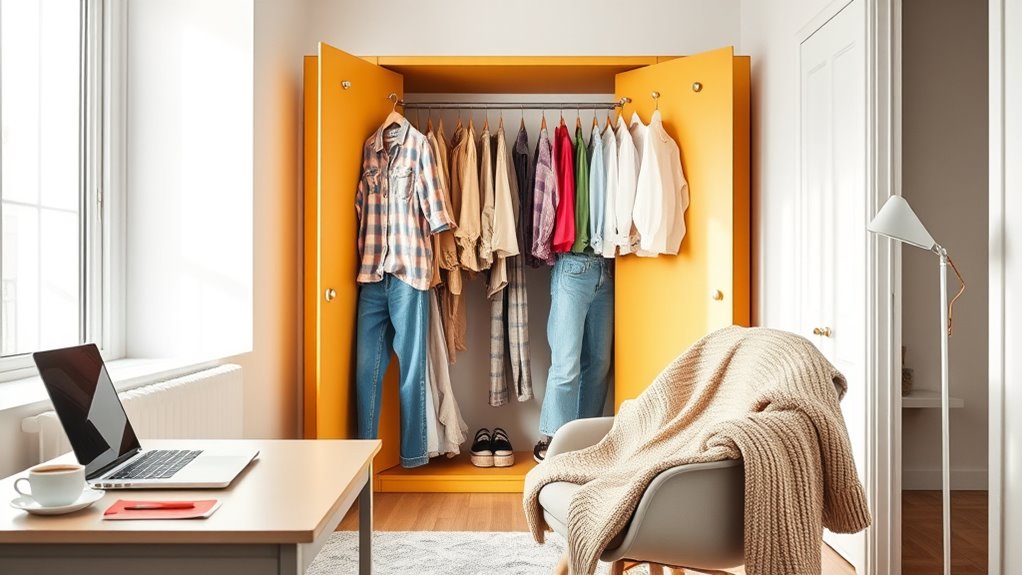
More people are turning to second-hand shopping and multi-use clothing to stretch their budgets and reduce waste. You’ll find versatile pieces that work for both work calls and casual moments, making wardrobe management easier. This trend not only cuts costs but also supports sustainable fashion choices.
Resale Shopping Boom
Have you noticed how second-hand shopping is gaining popularity among remote workers? More people are turning to resale platforms to find stylish, affordable, and eco-friendly clothes. This trend is driven by the desire for versatile pieces that fit both work-from-home comfort and occasional outings. You’ll see a shift toward items that can be worn multiple ways, reducing the need for a large wardrobe.
Here’s what makes resale shopping appealing:
- Access to unique, vintage, and designer pieces at lower prices
- Sustainable shopping that reduces waste and carbon footprint
- The ability to curate a personalized wardrobe with versatile items
- Savings on quality clothing that lasts longer and looks great
This boom reflects your desire to stay stylish, save money, and make eco-conscious choices—all without sacrificing comfort or versatility.
Versatile Wardrobe Choices
As remote workers seek to streamline their wardrobes, versatile clothing options have surged in popularity, especially second-hand and multi-use apparel. You’re looking for pieces that can easily adapt from work to leisure without cluttering your closet. Second-hand shopping offers eco-friendly, affordable options that can be styled for multiple occasions. Multi-use clothing, like neutral-colored blouses or stretchy trousers, provides flexibility, reducing the need for a separate work wardrobe. This shift not only saves money but also aligns with eco-conscious values. With fewer formal dress codes and a focus on comfort, you’re encouraged to mix and match items for different settings. Versatile wardrobe choices empower you to stay stylish and comfortable while adapting to the evolving work-from-home culture.
Frequently Asked Questions
How Do Work-From-Home Attire Trends Differ Across Various Industries?
You’ll notice that industry standards influence your WFH attire. In creative or tech fields, you likely dress casually, often in jeans and t-shirts, prioritizing comfort and self-expression. Meanwhile, finance or consulting professionals may opt for business casual or even formal wear during virtual meetings to maintain professionalism. Your industry shapes whether you lean toward relaxed loungewear or polished outfits, but overall, comfort and versatility become key across all sectors.
What Are the Key Features of Versatile Clothing Preferred by Hybrid Workers?
You prefer versatile clothing that easily shift between work and leisure. Look for pieces that are flexible, like smart-casual styles, with comfortable fabrics and adaptable designs. Prioritize items that can be dressed up or down, ensuring they’re suitable for video calls and casual moments alike. Quality matters, so choose durable, well-made pieces. Comfort is key, especially for long hours, so opt for breathable fabrics and flexible fits.
How Is the Shift Towards Casual Dress Impacting Corporate Dress Code Policies?
The shift towards casual dress is making corporate dress codes more relaxed. You’ll notice fewer employers enforcing strict attire rules, with 80% seeing a decline in formal dress codes. Many companies now prioritize comfort and self-expression, especially in tech and creative industries. This change helps attract younger talent and reduces employee stress, allowing you to dress more comfortably while maintaining professionalism. Casual norms also encourage personal style and versatility at work.
What Role Does Social Media Influence Play in Evolving Workwear Styles?
Social media heavily influences your workwear choices by showcasing diverse styles and setting new fashion standards. You see trendy, versatile looks that blend comfort with professionalism, inspiring you to experiment with casual chic or quiet luxury. Platforms like Instagram and TikTok encourage self-expression, making you feel more confident to adopt unofficial work uniforms, mix and match pieces, and prioritize comfort without sacrificing style. This constant exposure accelerates the evolution of your work-from-home wardrobe.
How Are Retailers Adapting to Increased Demand for Second-Hand Work Apparel?
Retailers are actively expanding their second-hand offerings to meet your growing demand for affordable, versatile work apparel. They’re partnering with resale platforms, launching dedicated thrift sections, and promoting sustainable shopping options. You can now find quality, stylish workwear at lower prices through online resale sites or stores with pre-owned sections. This shift helps you save money, access more options, and support eco-friendly practices while staying professional and comfortable at work.
Conclusion
As your wardrobe transforms from pajamas to polished, you’re riding a wave of change that blends comfort with style. This shift isn’t just about clothes—it’s about reclaiming confidence and embracing adaptability. Every outfit becomes a brushstroke on your canvas of professionalism and self-expression. So, step into this new era with boldness, knowing your wardrobe is a reflection of your resilient, evolving self—ready to conquer whatever the workday brings.
Halloween Picks
halloween
As an affiliate, we earn on qualifying purchases.