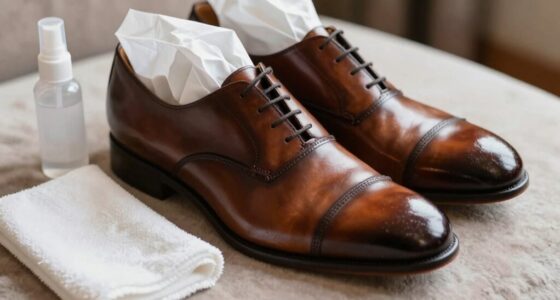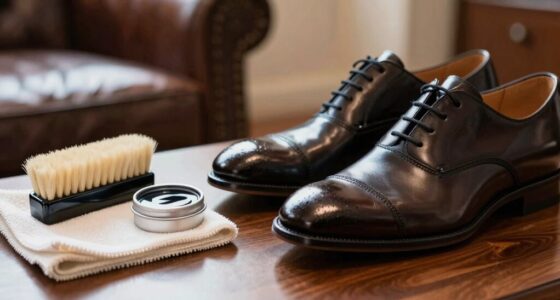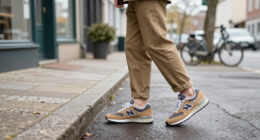
Neglecting proper storage, cleaning, and handling can drastically shorten the lifespan of your expensive fashion pieces. Cramped closets, exposure to sunlight, and poor hangers cause fading and fabric weakening. Over-washing and tumble drying accelerate wear, while careless handling risks damage. Vintage and high-end items need special care, like acid-free storage and gentle cleaning routines. If you want to protect your wardrobe investments and extend their lifespan, understanding the best practices is essential—you’ll find valuable tips ahead.

Get your wardrobe favorites delivered free — and shop member deals
- Fast, free delivery on millions of items
- Access to Prime Big Deal Days deals on October 6–7
- Prime Video, Amazon Music and more included
Key Takeaways
- Overwashing or frequent dry cleaning damages delicate fibers and accelerates wear.
- Storing high-end garments in cramped spaces or without proper support causes deformation.
- Exposing expensive items to direct sunlight or high humidity accelerates fading and fabric deterioration.
- Using harsh detergents or high heat during cleaning weakens fibers and shortens garment lifespan.
- Neglecting regular inspection and early repairs leads to small damages becoming costly, irreparable issues.

Your closet is a reflection of your style, but making certain mistakes can cause your clothes to wear out faster and lose their appeal. If you own expensive fashion pieces, it’s essential to treat them with care to maximize their lifespan. One common mistake is neglecting proper storage. Even high-end garments can suffer damage if left in the wrong environment. Avoid cramped closets or hanging clothes in direct sunlight, which can fade fabrics and weaken fibers over time. Instead, invest in quality hangers that support the shape of your garments and store seasonal or rarely worn items in breathable garment bags. Proper storage not only preserves the look but also prevents unnecessary wear and tear. Additionally, ensuring good ventilation is crucial for preventing moisture buildup that can lead to mold or fabric deterioration.
Another mistake that shortens the life of your clothes involves washing habits. Many people over-wash their clothes, especially delicate or expensive pieces. Frequent washing exposes fabrics to unnecessary friction, which accelerates wear. When possible, spot clean or air out garments to extend their usability. When washing is necessary, opt for gentle cycles and cold water to protect fibers. For sustainable fabrics, this approach is particularly important because it reduces environmental impact and helps maintain the integrity of eco-friendly materials. Additionally, consider investing in a steamer instead of a dryer; high heat and tumbling can weaken fibers and cause premature aging of your clothes. Proper washing and drying techniques are paramount to keep your wardrobe looking fresh.
You might also overlook the value of vintage preservation. If you have vintage or heirloom pieces, treating them with extra care ensures they stay beautiful longer. Store vintage garments in acid-free tissue paper and keep them away from harsh light or humidity. Regularly inspecting these items can catch early signs of deterioration, allowing you to address issues before they worsen. Vintage preservation isn’t just about maintaining appearance; it’s an act of respecting the craftsmanship and history behind each piece. When you take the time to care for vintage items properly, you’re not only extending their life but also making a sustainable choice that reduces the need for new clothing production. This careful approach is especially important considering the clothing’s environmental impact, which can be minimized through proper preservation. Proper storage and handling also help prevent fabric deterioration, which is common in improperly stored vintage garments.
Lastly, wearing your expensive clothes carelessly, like overstuffing drawers or ignoring signs of damage, accelerates deterioration. Be mindful of how often and how roughly you handle your garments. Investing in quality storage options, adopting gentle cleaning routines, and respecting the uniqueness of vintage pieces all contribute to a longer, more satisfying life for your wardrobe’s most precious items. In doing so, you preserve both your style and your investment.
expensive clothing storage solutions
As an affiliate, we earn on qualifying purchases.
As an affiliate, we earn on qualifying purchases.
Frequently Asked Questions
How Often Should I Inspect My Closet for Damage?
You should inspect your closet for damage at least once every three to six months. Regular closet organization helps you spot issues early, like loose threads or fabric wear. Incorporate clothing maintenance into your routine, checking for stains, tears, or hardware problems. This proactive approach keeps your wardrobe in top shape, extends the lifespan of your expensive fashion, and prevents small issues from turning into costly repairs or replacements down the line.
What Are the Best Storage Solutions for Delicate Fabrics?
To best store delicate fabrics, use fabric protection like breathable garment bags or tissue paper to prevent snagging and dust. Storage tips include hanging items on padded hangers for shape retention or folding them carefully with acid-free tissue to avoid creases. Keep your delicate pieces in a cool, dark, and dry space to prevent damage from sunlight or humidity. Proper storage helps extend their lifespan and keeps them looking pristine.
How Can I Prevent Mold and Pests in My Closet?
A stitch in time saves nine, so start by controlling humidity and using pest deterrents. Keep your closet dry with a dehumidifier or silica gel packs, and guarantee proper ventilation. Regularly inspect for signs of pests like moths or beetles, and use natural repellents or cedar blocks to deter them. These steps prevent mold growth and pest infestations, helping your expensive fashion stay pristine longer.
When Is the Right Time to Donate or Discard Old Clothes?
You should donate or discard old clothes when they no longer fit, are damaged, or you haven’t worn them in over a year. Practice wardrobe rotation to assess which pieces still serve your style. Engaging in fashion recycling helps you declutter responsibly and makes room for new items. Regularly evaluating your wardrobe guarantees you keep only the pieces that bring you joy and maintain the longevity of your wardrobe investments.
How Do Temperature Fluctuations Affect Expensive Clothing?
Temperature fluctuations can damage your expensive clothing by causing fibers to expand and contract, leading to wear and tear. To protect your garments, maintain humidity control and temperature stability in your closet. Avoid storing clothes in areas prone to heat spikes or cold drafts. By keeping a consistent climate, you help preserve the fabric’s integrity, preventing premature aging, discoloration, and fabric deterioration, ultimately extending the lifespan of your investment pieces.
gentle fabric steamer for delicate garments
As an affiliate, we earn on qualifying purchases.
As an affiliate, we earn on qualifying purchases.
Conclusion
Avoid these closet mistakes, and your expensive fashion pieces will thank you by lasting longer than you ever imagined—like a superhero cape that never tears. Keep your closet organized, stick to proper care routines, and resist the urge to overstuff. When you treat your wardrobe with love and attention, you’ll not only save money but also enjoy your favorite pieces for decades. After all, a well-maintained closet is the secret to eternal style!
As an affiliate, we earn on qualifying purchases.
high-quality wooden or velvet hangers
As an affiliate, we earn on qualifying purchases.
As an affiliate, we earn on qualifying purchases.
Fall Picks
fall essentials
As an affiliate, we earn on qualifying purchases.