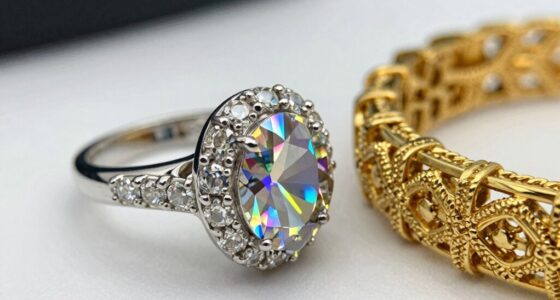
The future of luxury is shifting toward digital fashion, NFTs, and virtual designer goods, offering exclusive, immersive experiences. You can expect virtual try-ons, blockchain-backed collectibles, and digital storefronts that create new ways to express your style and connect with brands. Emerging markets like India and tech hubs like North America lead this change, while gaming and the metaverse expand how luxury interacts with your digital life. Explore further to discover how these innovations will reshape your luxury experience.
Key Takeaways
- Digital fashion is projected to reach over $1,700 billion by 2034, revolutionizing luxury branding and consumer engagement.
- NFTs enable exclusive virtual assets, enhancing authenticity, loyalty, and new revenue streams in the digital luxury ecosystem.
- Virtual try-on technology and immersive AR/VR experiences are transforming personalized shopping and global runway access.
- Resale markets and gaming platforms expand brand reach, promote sustainability, and increase consumer ownership of virtual designer goods.
- Rapid digital transformation and technological innovations will shape luxury fashion’s future, integrating physical and digital worlds seamlessly.
The Expanding Digital Fashion Market and Its Global Impact

The digital fashion market is experiencing rapid expansion, transforming how you and brands connect worldwide. In 2023, it’s valued at $0.41 billion and is projected to hit $2.94 billion by 2025, with expectations soaring to $1,714 billion by 2034. This growth is driven by innovations like virtual try-ons, NFTs, and immersive experiences. North America leads with 38% of global revenue, fueled by the US market’s $74.9 billion valuation in 2024. As the sector expands, regional and technological advancements will reshape shopping, brand engagement, and ownership models. You’ll see more virtual clothing, NFT collaborations, and personalized digital experiences becoming mainstream, making digital fashion a crucial part of the future luxury landscape. Additionally, the integration of European cloud servers ensures secure, sustainable infrastructure supporting these digital innovations on a global scale.
Key Segments Shaping the Future of Virtual Style
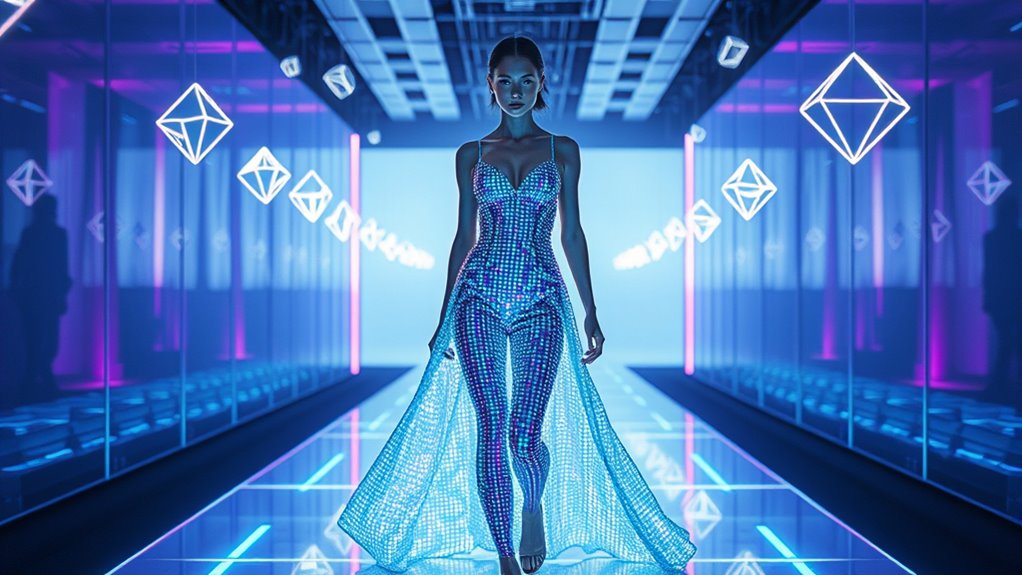
As virtual fashion continues to evolve, several key segments are shaping its future landscape. Digital fashion platforms dominate, holding over half the market share, enabling seamless creation and sharing of virtual styles. Virtual try-on technology leads in enhancing personalized shopping experiences, with nearly half of 2024’s market engaged in this segment. Subscription models also thrive, offering continuous access to curated virtual wardrobes. Among emerging areas, virtual clothing is the fastest-growing segment, driven by demand for unique digital garments. Additionally, immersive fashion experiences are expanding, blending gaming, AR, and virtual environments. These segments not only transform how you shop and style but also set the foundation for a future where virtual and physical luxury intertwine more deeply than ever before.
The Role of NFTs in Revolutionizing Luxury Branding
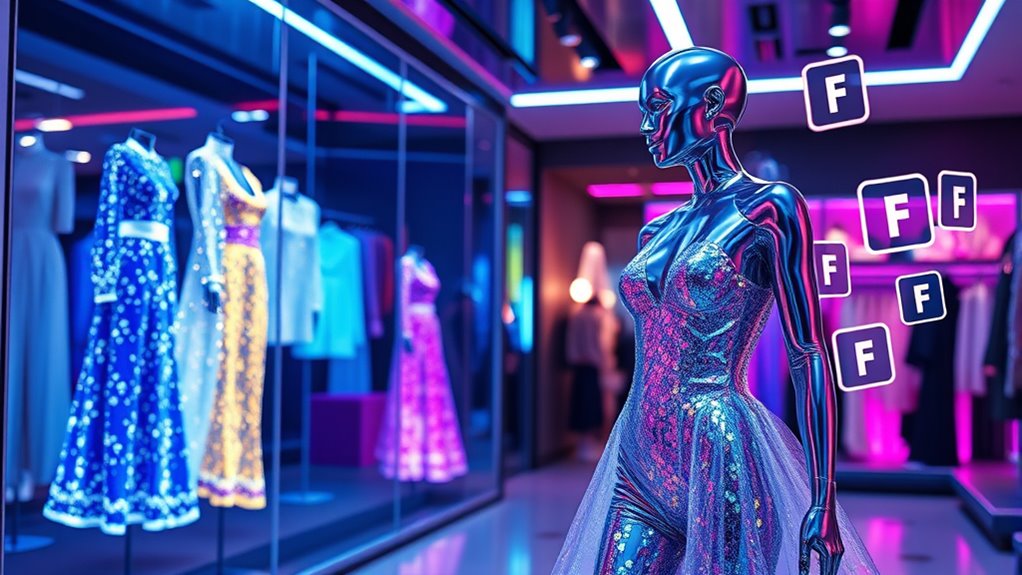
NFTs are rapidly transforming luxury branding by offering unique digital assets that deepen consumer engagement and authenticity. They create exclusive ownership experiences, allowing brands to verify authenticity and combat counterfeiting. You can leverage NFTs to build stronger emotional connections with your audience through limited editions and personalized digital collectibles. Additionally, NFTs enable seamless integration into the metaverse, expanding your brand’s digital footprint and creating new revenue streams. They also foster community loyalty by offering access to VIP events, behind-the-scenes content, and special collaborations. This digital shift helps brands stay relevant in a fast-evolving market, reinforcing luxury status through innovation.
NFTs revolutionize luxury branding through exclusive digital assets, authentic verification, metaverse integration, and enhanced consumer loyalty.
- Enhance exclusivity with limited-edition digital collectibles
- Verify authenticity and fight counterfeiting
- Expand into the metaverse with virtual assets
- Strengthen loyalty through exclusive access
Technological Advances Driving Immersive Fashion Experiences
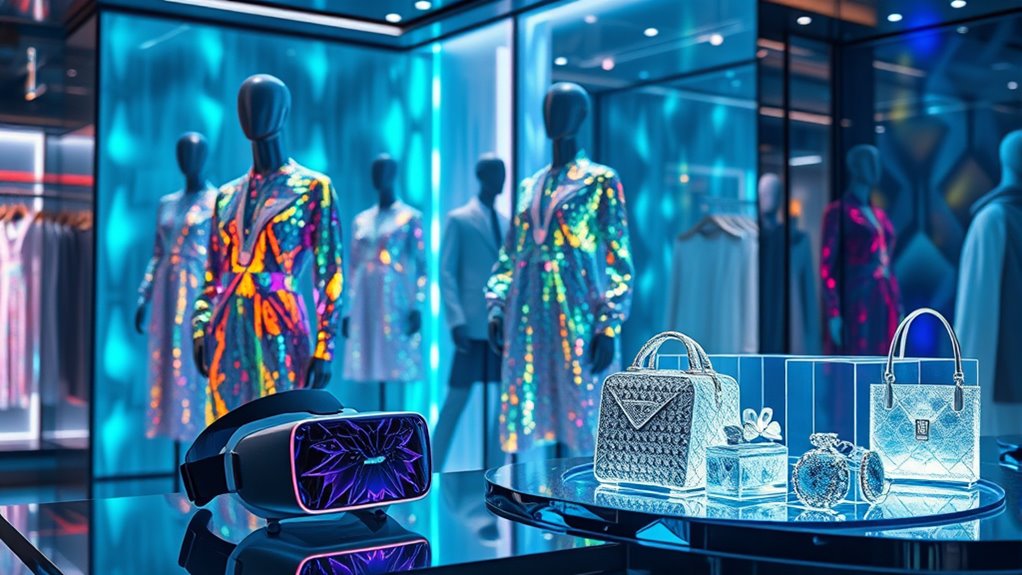
Advancements in augmented reality (AR) and virtual reality (VR) are revolutionizing how you experience fashion, making immersive interactions more accessible and engaging than ever before. These technologies allow you to virtually try on outfits, explore designer collections, and attend digital runway shows from anywhere. They create a seamless blend of physical and digital worlds, enhancing personalization and interactivity. Additionally, understanding how sleep science influences daily routines can help fashion enthusiasts maintain optimal well-being while engaging with innovative digital experiences. Moreover, integrating smart home technology features such as adaptive lighting and circadian support can further enhance the overall immersive experience, aligning digital fashion interactions with your daily environment. Incorporating projector technology into your living space can also elevate virtual fashion showcases by providing an expansive and dynamic display.
Regional Trends and Markets Leading Digital Fashion Adoption
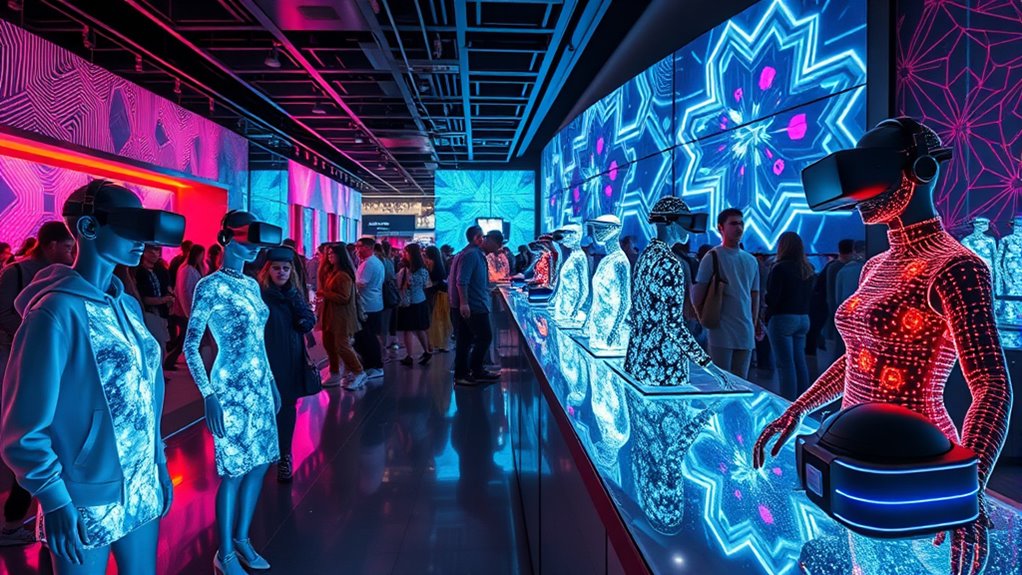
North America currently dominates the digital fashion landscape, contributing nearly 40% of global revenue, with the US leading the charge. The US market is expected to grow markedly, reaching over $89 billion by 2025, fueling innovation and adoption. Meanwhile, India’s digital fashion sector is poised for rapid expansion, with the highest CAGR from 2025 to 2030, signaling a dynamic shift in regional influence. Additionally, emerging markets are increasingly adopting digital fashion technologies, driven by rising internet penetration and mobile device usage. As consumer awareness around skin health benefits increases, brands are integrating skincare ingredients like glycolic acid into their product lines to meet evolving demands. Incorporating sustainable practices and eco-friendly materials is becoming essential for long-term growth in the industry, especially as companies seek to align with increasing consumer emphasis on ethical manufacturing.
North America’s Market Share
Have you noticed how North America is leading the charge in digital fashion adoption? It holds 38% of the global revenue in 2024, with a market value of $93.7 billion. This dominance stems from high consumer engagement, major brand investments, and advanced technological infrastructure. The US alone accounts for a significant portion, projected to grow from $74.9 billion in 2024 to nearly $90 billion in 2025. Additionally, regional trends indicate that North America’s market share is driven by early adoption of immersive and AR experiences. The region’s strong digital infrastructure further supports rapid innovation and consumer access to virtual fashion platforms. Moreover, the region’s focus on pool of technical knowledge and investment in emerging technologies accelerates the development of virtual designer goods. The increasing integration of blockchain technology ensures secure ownership and resale of virtual fashion items. This technological expertise also fosters virtual marketplace growth, providing new channels for luxury brands. – Key players investing heavily in virtual try-on and NFTs – Rapid growth of luxury retail footprint in digital spaces – Early adoption of immersive and AR experiences – Increasing consumer demand for virtual and resale fashion options
US Digital Growth Trajectory
The United States stands out as a dominant force in digital fashion growth, with its market value expected to surge from $74.9 billion in 2024 to nearly $90 billion by 2025. This rapid expansion is driven by a strong digital infrastructure, high consumer engagement, and widespread adoption of virtual try-on and platform-based shopping. North America’s 38% revenue contribution underscores its leadership, with the US leading the charge. You’ll notice that digital fashion’s ecosystem is fueled by innovative technologies like AR and gaming integrations, which boost personalization and immersive experiences. The booming virtual try-on segment and increasing NFT adoption further accelerate growth, creating new revenue streams. As this trajectory continues, the US will remain a key player shaping the future landscape of digital luxury and designer virtual goods. Additionally, the development of reliable backup power solutions ensures that digital platforms remain operational and secure, supporting ongoing innovation and consumer trust. Incorporating sustainable practices into virtual environments and digital fashion platforms is increasingly important to align with eco-conscious consumer preferences and reduce environmental impact. To support this growth sustainably, investments in renewable energy sources are becoming a vital part of powering digital infrastructure and data centers. Moreover, integrating energy-efficient technologies can help further minimize the environmental footprint of this expanding industry. Furthermore, advancements in digital infrastructure are crucial to handle the increasing data demands and ensure seamless user experiences.
India’s Rapid Expansion
India is poised to become a leading force in digital fashion adoption, fueled by rapid technological advancements and a growing young, tech-savvy population. The country’s expanding internet infrastructure and affordable smartphones create fertile ground for immersive experiences, virtual try-ons, and NFT-driven collections. As local brands experiment with digital assets, India’s market accelerates, attracting global investments.
- Increasing smartphone penetration drives user engagement in virtual fashion.
- Major brands are launching region-specific NFT collaborations.
- E-commerce platforms incorporate AR for personalized shopping.
- Digital fashion startups see exponential growth, fueling innovation. This momentum is further supported by eco-friendly travel experiences, as brands and consumers become more conscious of sustainability in digital and physical realms. Furthermore, Vetted – Perfect Fit Living offers insights into sustainable lifestyle choices that can complement the adoption of digital fashion.
This momentum positions India to surpass traditional markets, shaping the future of luxury and virtual designer goods. With a focus on localization and tech adoption, India’s digital fashion scene is set to thrive, influencing global trends and expanding its market share rapidly.
Emerging technologies, such as augmented reality, are expected to further enhance the integration of digital fashion into everyday life.
Additionally, the adoption of digital asset ownership practices is making virtual fashion more secure and accessible to a wider audience.
Virtual Try-On and Personalization: Enhancing Consumer Engagement
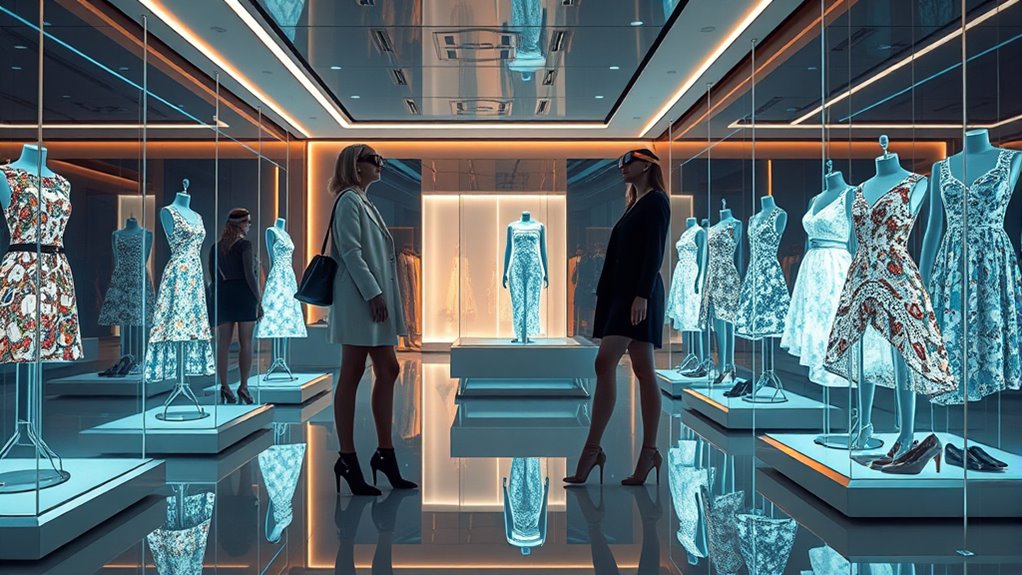
Virtual try-on technology is transforming how you engage with fashion by offering personalized, immersive shopping experiences. It allows you to see how clothes, accessories, or shoes fit in real-time, reducing uncertainty and increasing confidence in your choices. This innovation boosts engagement and satisfaction, making shopping more convenient and fun. Brands now tailor virtual experiences to your preferences, enhancing loyalty. To visualize this, consider the following:
| Feature | Benefit | Impact |
|---|---|---|
| Real-time visualization | Instant fit preview | Faster decision-making |
| Customization options | Personal style expression | Increased loyalty |
| AR integration | Immersive experience | Higher engagement |
| Data-driven personalization | Tailored recommendations | Better customer satisfaction |
Resale and Secondhand Markets: Unlocking New Opportunities

As the luxury fashion landscape evolves, resale and secondhand markets are emerging as powerful drivers of growth and sustainability. You can now access rare and desirable pieces without supporting fast fashion or overproduction. These markets offer a way to extend a brand’s lifecycle, reduce waste, and attract eco-conscious consumers. You’ll find that resale platforms leverage technology to authenticate items, ensuring trust and quality. Additionally, luxury brands increasingly collaborate with resale platforms, creating new revenue streams and brand loyalty.
Resale markets boost sustainability, extend brand life, and attract eco-conscious luxury consumers through authenticating and offering rare, vintage pieces.
- Authentication algorithms reduce counterfeit risks and boost confidence
- Digital platforms facilitate seamless, instant transactions
- Limited-edition and vintage items command premium prices
- Resale growth outpaces new sales, reshaping consumer buying behaviors
The Growing Influence of Gaming and Metaverse Integration
Resale and secondhand markets are transforming the way consumers access luxury, but their influence is expanding further into gaming and the metaverse. You now see brands integrating virtual goods into popular games, enabling players to wear digital versions of luxury items. This shift boosts brand exposure and creates new revenue streams. As gaming and metaverse platforms grow, so does their impact on luxury fashion. Here’s a snapshot:
| Platform | Key Feature | Consumer Benefit |
|---|---|---|
| Fortnite | Virtual clothing collaborations | Access to exclusive styles |
| Roblox | Customizable digital wearables | Personal expression |
| Decentraland | Ownership of NFTs as wearables | Investment and status |
This integration accelerates digital luxury adoption and reshapes how brands engage with future consumers.
Strategic Opportunities for High-End Brands in Virtual Spaces
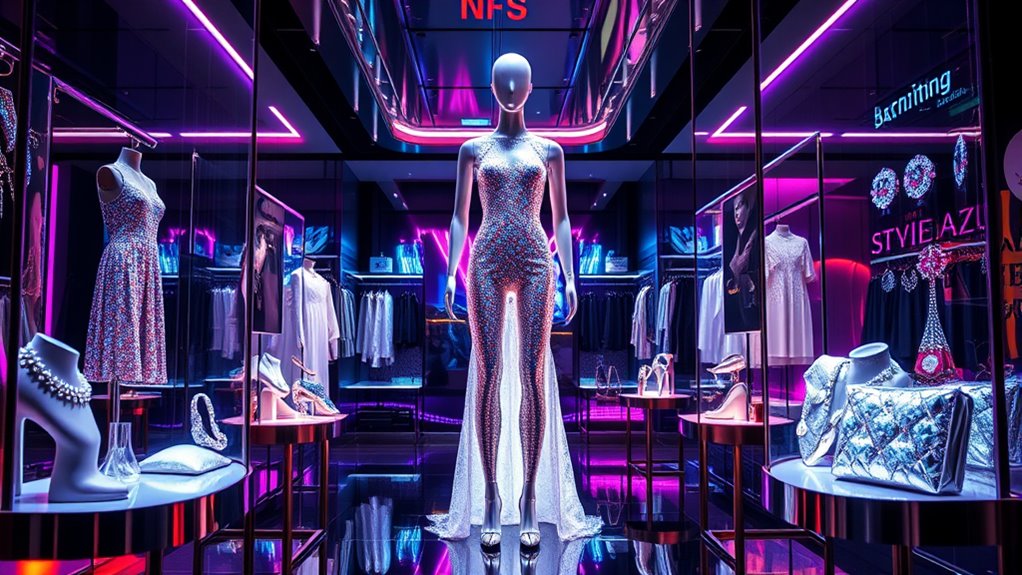
You can leverage virtual storefronts to create immersive shopping experiences that attract digital-savvy customers. Digital collectibles, like fashion NFTs, offer unique opportunities for brand engagement and exclusivity. Embracing these strategies positions your brand at the forefront of the evolving luxury landscape.
Virtual Storefront Innovation
Could virtual storefronts be the next frontier for high-end brands seeking to elevate their digital presence? Absolutely. They offer a seamless blend of exclusivity and accessibility, attracting new audiences and reinforcing brand prestige. By innovating storefront design and interactivity, you can create immersive experiences that mirror physical luxury boutiques. These virtual spaces enable personalized customer journeys, real-time customization, and instant access to limited editions or NFTs.
- Implementing interactive 3D environments that showcase collections
- Using AI-driven personalization to tailor shopping experiences
- Incorporating virtual events and exclusive releases to drive engagement
- Integrating seamless e-commerce features with social sharing options
This approach not only enhances brand visibility but also opens revenue streams through virtual exclusives and collaborations, positioning you at the forefront of digital luxury innovation.
Digital Collectible Strategies
High-end brands can capitalize on the growing popularity of digital collectibles by developing strategic approaches that enhance brand exclusivity and customer engagement in virtual spaces. Focus on creating limited-edition NFTs and virtual items that reinforce your brand’s luxury status and appeal to collectors. Incorporate storytelling and provenance to add value and authenticity, making each digital collectible a coveted asset. Leverage immersive experiences, like virtual showrooms or interactive drops, to deepen customer connection. Partner with influential digital artists or platforms to expand reach and credibility. Use data-driven insights to tailor offerings to specific audiences and maximize engagement. By aligning digital collectibles with your brand’s heritage and innovation, you can access new revenue streams and foster loyalty in this rapidly evolving virtual landscape.
Emerging Trends and Predictions for the Next Decade
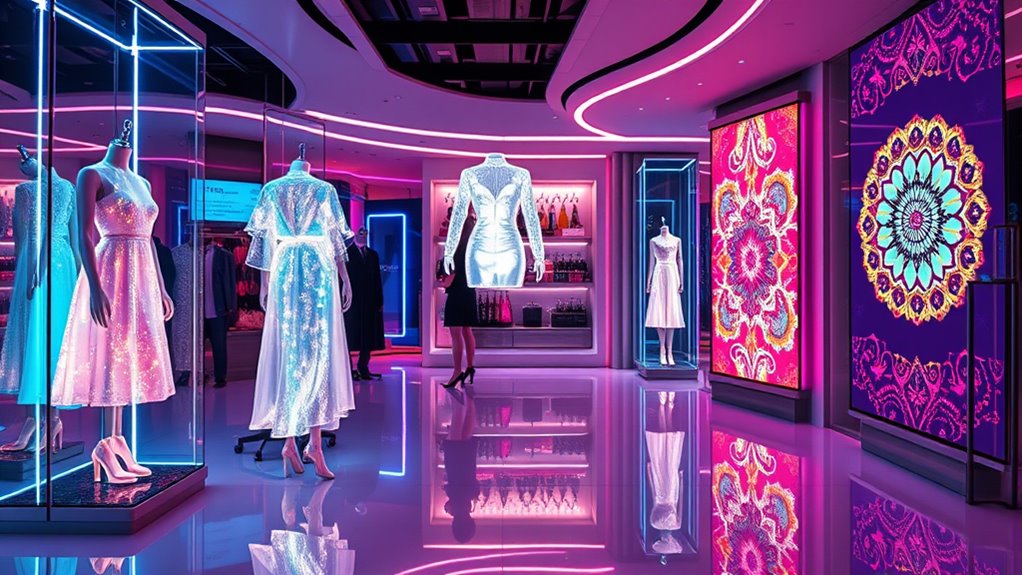
Emerging trends in the luxury fashion landscape over the next decade point toward rapid digital transformation and innovative consumer experiences. You’ll see continued growth in digital fashion markets, projected to reach over $1,700 billion by 2034, with NFTs and virtual goods leading the charge. Regional shifts favor North America and India, with the latter experiencing the highest CAGR. Key market segments like virtual try-on and immersive fashion will dominate, fueling personalized shopping. NFTs will become central to metaverse wearables, boosting brand engagement. Technology drivers such as AR and gaming integration will accelerate adoption, creating new profit streams. Expect luxury retail space to expand, secondhand markets to outpace new sales, and creative resets to reinvigorate the segment post-2025. These trends will redefine how you experience and access luxury fashion.
Frequently Asked Questions
How Will Digital Fashion Impact Traditional Luxury Brand Strategies?
Digital fashion will push you to innovate your strategies by embracing virtual experiences, NFTs, and augmented reality. You’ll need to integrate these technologies to connect with tech-savvy consumers, offer personalized virtual try-ons, and explore new revenue streams through digital collectibles. By adopting a digital-first mindset, you can stay competitive, enhance brand engagement, and tap into the rapidly growing virtual fashion market, ensuring your luxury brand remains relevant in the evolving landscape.
What Are the Environmental Benefits of Virtual Fashion and NFTS?
Virtual fashion and NFTs help you reduce environmental impact by cutting down on material waste, shipping emissions, and energy use from production. You can experiment with digital outfits without creating physical samples, lowering resource consumption. Plus, virtual goods don’t require traditional manufacturing or transportation, making them a sustainable choice. By embracing digital fashion, you contribute to a greener future while enjoying innovative, eco-friendly ways to express your style.
How Accessible Will Virtual Designer Goods Become for Consumers?
You’ll find virtual designer goods becoming increasingly accessible as technology advances, making it easier for you to explore and purchase digital fashion through various platforms. With the growth of digital fashion markets and immersive try-on experiences, you can enjoy personalized and affordable options without the barriers of physical inventory. As brands experiment more with NFTs and virtual wearables, expect a broader range of luxury digital products tailored to your preferences.
What Legal Challenges Exist Around Ownership and Authenticity of Digital Assets?
You face a digital Wild West where ownership and authenticity are like shifting sands, causing chaos for buyers and brands alike. Laws struggle to keep pace with rapid innovation, leaving gaps in copyright, resale rights, and fraud prevention. Without clear regulations, you risk losing control over your digital assets or falling prey to counterfeiters. Managing this legal maze demands proactive measures to protect your investments and guarantee genuine ownership.
How Will Consumer Perceptions Evolve Towards Virtual and Nft-Based Luxury Items?
You’ll likely see consumers becoming more accepting of virtual and NFT-based luxury items as digital fashion gains credibility and mainstream appeal. As awareness grows, people may view these assets as innovative, exclusive, and sustainable alternatives to physical goods. Your perception might shift from skepticism to excitement, especially as brands create authentic, high-quality digital experiences. Over time, owning virtual luxury items could become a status symbol, blending exclusivity with digital innovation.
Conclusion
As digital fashion blurs the line between reality and virtuality, you find yourself at a crossroads—where luxury meets innovation. The immersive experiences and NFTs open endless possibilities, yet the essence of craftsmanship remains. Embrace the future’s rapid pace, knowing that tradition and technology will intertwine, shaping a new era of style. In this digital landscape, your next statement piece might just be a virtual masterpiece, both fleeting and forever.