Your desire for luxury brands comes from a need to signal social status, express your identity, and feel emotionally connected to the brands you love. Whether you opt for bold logos or subtle designs, your choices reflect your background, values, or aspirations. Brands craft stories and innovations that boost your confidence and showcase your uniqueness. If you want to understand what drives these preferences and how they shape your personal style, there’s more to explore below.
Key Takeaways
- People crave luxury brands to signal social status and differentiate themselves within social hierarchies.
- Emotional connections and brand stories foster personal identity and reinforce feelings of confidence and belonging.
- Luxury items serve as symbols of success, sophistication, and individuality, satisfying desires for recognition.
- Consumers choose loud or subtle luxury based on their socioeconomic background and personal values.
- Innovation, exclusivity, and sustainability in luxury brands enhance desirability and fulfill the need for prestige.
The Role of Social Signaling in Luxury Consumption

Social signaling plays an essential role in luxury consumption because you often choose high-end products to communicate your social status and wealth. Wearing luxury brands with visible logos or distinctive features helps you stand out and signals your position within social hierarchies. Many consumers, especially those from lower socioeconomic tiers, prefer loud luxury with prominent identifiers to make their status unmistakable. Conversely, experienced luxury buyers favor subtlety and quiet luxury, signaling sophistication rather than ostentation. Interestingly, only a small percentage buy luxury explicitly to display wealth; most prefer to communicate social distinction more subtly. Your choice of luxury items, whether loud or discreet, reflects your desire to project a specific social identity, reinforcing your place in a network of status and recognition. Additionally, understanding the concept of Free Floating luxury can shed light on how consumers sometimes prioritize the perceived value and exclusivity over overt branding. Recognizing the influence of social hierarchies helps explain why certain luxury consumption patterns persist across different cultures and socioeconomic classes. This understanding reveals how status symbols serve as tools for social navigation and personal identity. Moreover, the desire for social validation often influences individuals to select luxury goods that resonate with their aspirations and perceived social roles. When consumers associate luxury consumption with cultural capital, it further emphasizes how material possessions can enhance social mobility and acceptance.
Emotional Connections and Personal Identity

Luxury brands do more than signal status; they create deep emotional bonds that shape your personal identity. When you buy a luxury item, you’re not just acquiring a product; you’re reinforcing how you see yourself. These brands reflect your values, aspirations, and personality, helping you craft a narrative of success, sophistication, or individuality. The emotional connection you develop with a brand often mirrors your desire to feel unique or accepted. If a brand resonates with your sense of self, it becomes part of your identity, boosting confidence and emotional well-being. This personal link makes luxury feel authentic, not just superficial. Additionally, understanding the emotional bonds that luxury brands foster can help you recognize the importance of personal meaning in your choices. Recognizing the cultural significance behind luxury brands can deepen your appreciation and connection to the items you choose. Exploring the psychology of branding reveals how these emotional attachments influence consumer behavior and identity formation. Ultimately, your choice to wear or own luxury goods becomes a reflection of who you are and who you aspire to be.
Functional Value and Brand Differentiation
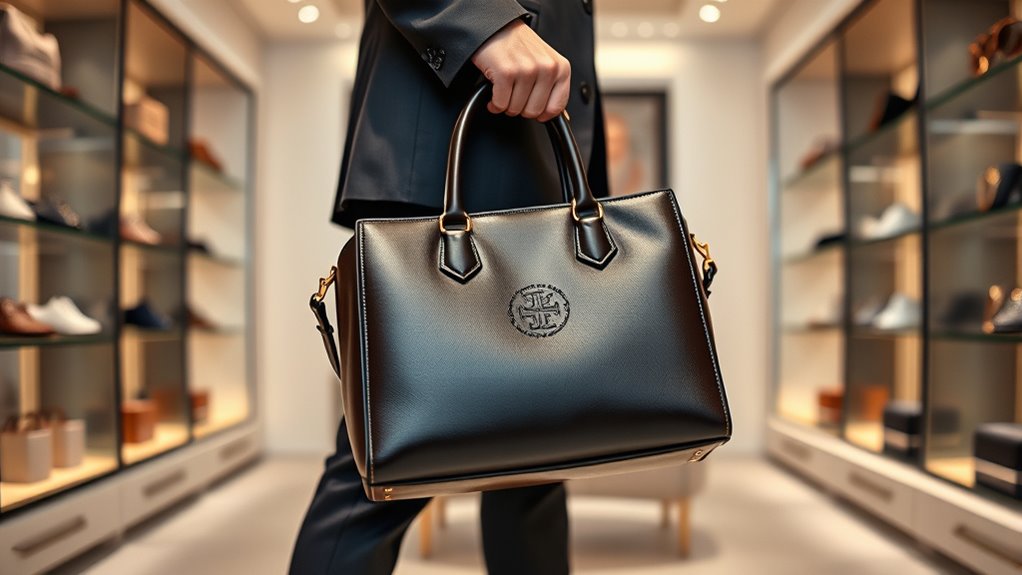
You recognize that quality and innovation set brands apart in a crowded market. When a product offers superior function or groundbreaking features, it strengthens your perception of its value. By emphasizing these aspects, brands can effectively differentiate themselves and meet your evolving needs. Incorporating reliable power solutions into product design can further enhance consumer trust and loyalty. Ensuring that products also incorporate safe electrical design can help prevent hazards and build confidence in the brand. Additionally, incorporating high contrast ratios can improve the perceived image quality and overall user satisfaction. Recognizing the importance of performance ratings based on suction power and durability can also guide consumers toward more satisfying purchases. Considering ventilation considerations is essential for maintaining safety and optimal performance in your home systems.
Quality as Differentiator
How does quality serve as a key differentiator in luxury branding? It signals superior craftsmanship, durability, and exclusivity, setting your brand apart from mass-market options. When you seek high-quality products, you’re not just buying an item; you’re investing in a symbol of excellence that lasts longer and performs better. This functional value reinforces your perception of the brand as trustworthy and refined. Quality also builds emotional bonds—when a product meets your expectations flawlessly, it fosters pride and confidence. For luxury consumers, quality isn’t just about utility; it’s about confirming your taste, status, and self-image. This differentiation through superior quality helps brands establish a unique identity in a crowded market, making your choice feel both meaningful and distinguished. Additionally, brand differentiation through quality creates a perception of exclusivity, which further enhances the desirability of luxury products. Moreover, emphasizing quality often involves showcasing craftsmanship and meticulous attention to detail, which elevates the overall brand perception and reinforces its luxury status. Recognizing the importance of functional value ensures that consumers see these products as worthwhile investments.
Innovation and Function
Innovation and functional design are powerful tools for differentiating a brand in the competitive luxury market. You recognize that unique features, advanced materials, and cutting-edge technology set brands apart. For example, a luxury watch with innovative movement or a handbag crafted from sustainable, durable materials appeals to your desire for practicality and exclusivity. These functional benefits reinforce your perception of the product’s quality and longevity. Brands that invest in innovation also signal leadership and forward-thinking, strengthening your trust. When a luxury item combines style with enhanced usability—like smart jewelry or eco-friendly fabrics—you feel confident in its value beyond aesthetics. Ultimately, innovation and functional design help your chosen brand stand out, making it more than just a status symbol but a meaningful part of your lifestyle.
Economic Status and Brand Social Identity
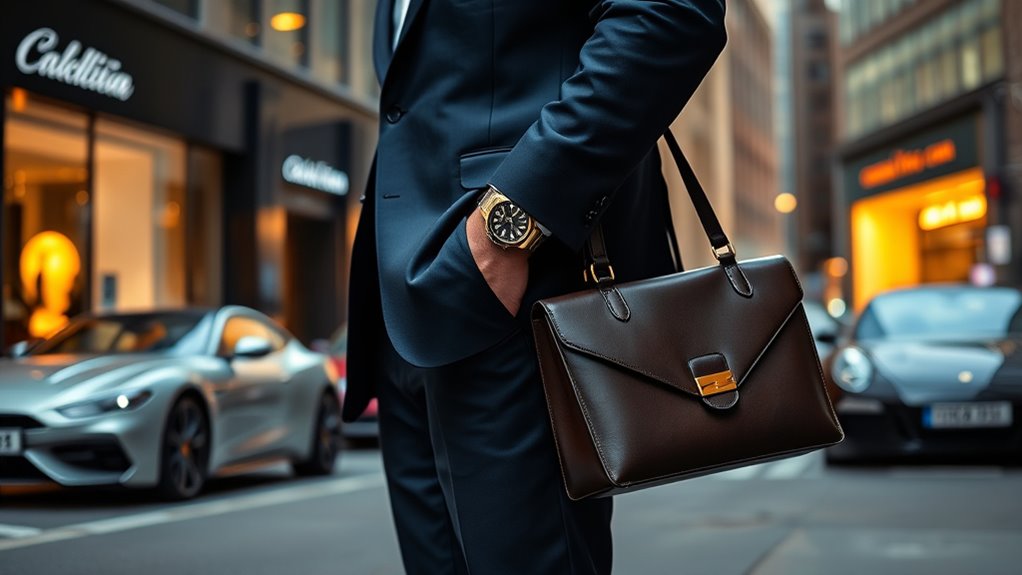
Economic status plays a pivotal role in shaping how consumers perceive and utilize brand social identity. If you’re from a lower socioeconomic background, you might prefer loud luxury with prominent logos to signal your status visibly. Conversely, if you’re more experienced or affluent, you likely favor quiet luxury that subtly communicates exclusivity without shouting. Your economic position influences whether you see luxury as a way to showcase wealth or as a discreet reflection of personal achievement. Consumers from different tiers also differ in their motivations: some use luxury to seek social recognition, while others focus on aligning brands with their self-identity. Additionally, understanding the role of AI Ethicist Jobs highlights how technological advances can influence perceptions of authenticity and trust in brand identities. Recognizing how market volatility impacts luxury branding can further clarify why consumers from different economic backgrounds make distinct choices. This variability underscores the importance of insulated jackets in providing comfort and status signaling across different social groups. Moreover, emerging sneaker culture trends such as Nike Tech’s dominance and Adidas Samba’s comeback demonstrate how brand visibility and innovative designs can shape social perceptions and personal identities. For instance, brand reputation significantly affects consumers’ trust and choice, especially in times of economic uncertainty.
The Psychology Behind Loud vs. Quiet Luxury

The psychology behind loud versus quiet luxury reveals how your perceptions of status and self-identity influence your choices. If you prefer loud luxury, you likely seek visible symbols of wealth and social standing, often favoring prominent logos and flashy designs to signal success. This approach appeals to those wanting to showcase their achievement or fit into social groups that value conspicuous displays. Conversely, quiet luxury attracts individuals who value subtlety and understated quality, emphasizing craftsmanship over branding. You might see quiet luxury as more authentic, aligning with a desire for discretion and personal refinement. Your preference depends on how you want others to perceive you and how you see yourself—either as someone who openly displays success or as someone who values privacy and sophistication. Additionally, brand perception plays a crucial role in shaping these preferences, as it influences how individuals align their choices with their self-image. Recognizing these underlying motivations can help you better understand the psychology of consumer behavior, especially in relation to sustainable brands that emphasize authenticity and ethical values in their appeal.
Consumer Segmentation and Luxury Preferences

Different consumer segments approach luxury differently based on their experiences, social backgrounds, and personal values. Less experienced buyers from lower socioeconomic backgrounds often prefer loud luxury with prominent logos to showcase status and attract attention. They see luxury as a way to flaunt wealth and gain social recognition. In contrast, seasoned consumers and high-net-worth individuals favor quiet luxury, valuing subtlety and craftsmanship over conspicuous branding. Younger consumers tend to prioritize socially conscious brands that align with their values, seeking authenticity and purpose. Meanwhile, Henrys (High Earners, Not Rich Yet) prefer discreet, refined luxury that emphasizes quality over visibility. Understanding these diverse preferences helps brands tailor their offerings, balancing exclusivity, storytelling, and social signaling to resonate with each segment’s motivations.
The Impact of Brand Stories on Emotional Loyalty

Your connection to a brand deepens when its story resonates with your personal values and identity. Crafting a compelling narrative encourages loyalty by making you feel emotionally invested beyond just the product. When brands tell authentic stories, they turn customers into lifelong supporters who identify with their mission and vision.
Emotional Connection Building
Brand stories serve as powerful tools to forge emotional bonds with consumers, transforming transactional interactions into meaningful experiences. When a brand shares its origins, values, or craftsmanship, you connect on a deeper level, seeing more than just a product—you see a story that resonates with your identity. These narratives evoke feelings of trust, pride, and belonging, making your loyalty less about price and more about shared values. When a brand’s story aligns with your personal beliefs or aspirations, it strengthens your emotional attachment. This connection encourages you to choose that brand repeatedly, not just because of its functional benefits but because it affirms who you are and what you stand for. Ultimately, compelling stories turn passive consumers into passionate advocates.
Narrative as Loyalty
When a brand shares compelling stories, it creates a powerful emotional connection that fosters loyalty beyond functional benefits. Your attachment deepens as the story resonates with your values, identity, or aspirations. This narrative shapes your perception of the brand, making it more than just a product. To build loyalty through storytelling, brands often focus on:
- Highlighting heritage and legacy to reinforce trust.
- Showcasing sustainability efforts to align with your values.
- Creating authentic, relatable characters that mirror your experiences.
These stories evoke feelings of pride, belonging, and trust, encouraging you to remain loyal. When a brand’s narrative reflects your self-identity or social aspirations, it transforms your relationship from transactional to emotional, strengthening your commitment over time.
Psychological Drivers: Uniqueness and Self-Expression
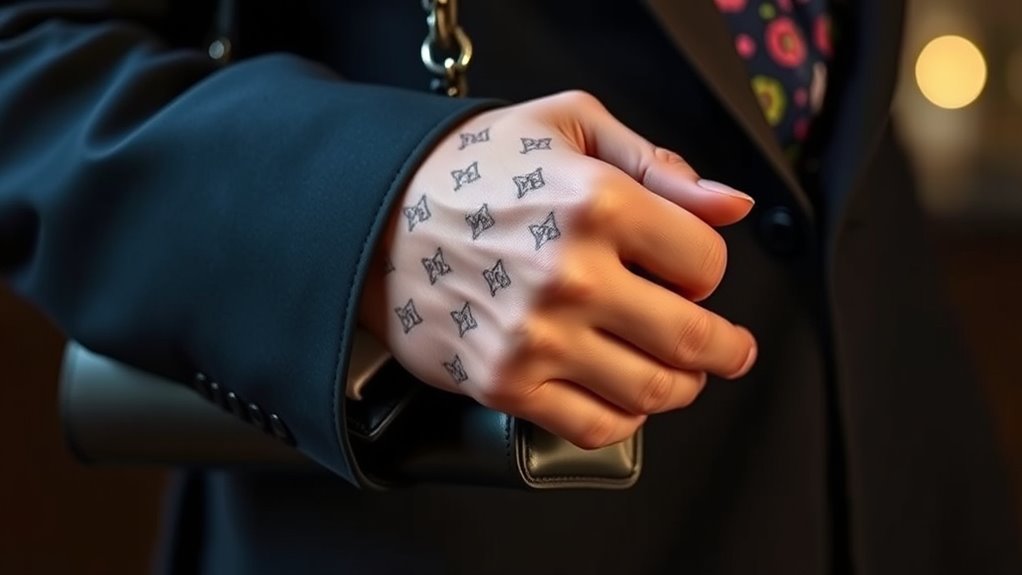
The desire for uniqueness is a powerful psychological driver that influences luxury purchases, as consumers seek to stand out and express their individuality. When you buy luxury brands, it’s often about more than just owning a high-quality item—it’s about shaping your identity and showcasing what makes you different. Luxury brands serve as tools for self-expression, allowing you to communicate your personality and values. You want products that reflect your unique style and help you stand apart from the crowd. This craving for distinction fuels impulsive buys and special occasion splurges, reinforcing your sense of individuality. Ultimately, luxury brands become extensions of your identity, helping you craft a personal narrative that emphasizes your uniqueness and emotional connection.
Balancing Accessibility and Exclusivity in Luxury Marketing
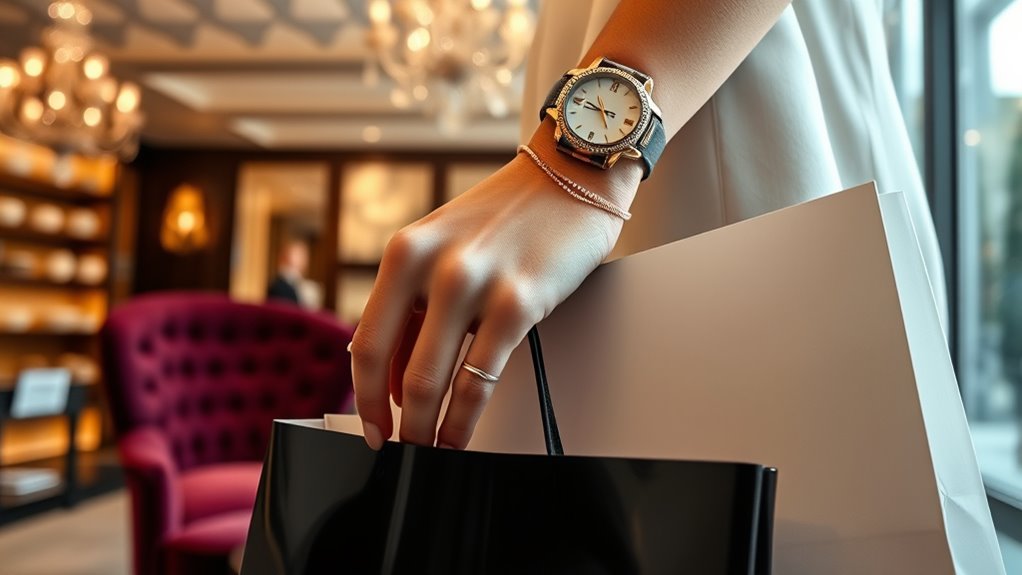
To maintain your brand’s allure, you need to carefully manage scarcity while offering tiered access that appeals to different customer segments. Striking the right balance between visibility and discretion helps reinforce exclusivity without alienating potential buyers. By thoughtfully steering these strategies, you ensure your luxury brand remains both desirable and accessible.
Managing Brand Scarcity
Balancing accessibility and exclusivity is essential for managing brand scarcity in luxury marketing. If you want to maintain desirability, you must carefully control how often and where your products are available. Here are three strategies to contemplate:
- Limit product releases to create anticipation and perceived rarity.
- Use selective distribution channels to keep the brand exclusive.
- Offer personalized experiences that deepen emotional connection without broad availability.
Offering Tiered Access
Offering tiered access allows luxury brands to satisfy different consumer segments by providing varying levels of exclusivity and accessibility. You can create a sense of prestige for high-end clients through private showings, limited editions, or invite-only events. Simultaneously, you make the brand approachable for aspirational buyers by offering entry-level products or digital experiences. This strategy helps balance the desire for exclusivity with market expansion, ensuring your brand remains desirable without alienating potential customers. Tiered access also fosters a sense of progression—encouraging consumers to endeavor for higher levels of engagement or purchase. By carefully managing these layers, you reinforce your brand’s image of sophistication while accommodating different motivations, from status signaling to personal expression. Ultimately, this approach sustains interest and loyalty across diverse consumer groups.
Balancing Visibility and Discretion
Luxury brands must carefully navigate the tension between being visible enough to attract aspirational consumers and remaining discreet to appeal to connoisseurs who value subtlety. Striking this balance means offering products that signal status without shouting. To do this effectively, consider these strategies:
- Limit visible branding on flagship items, creating a sense of exclusivity for those in the know.
- Use subtle design details that convey craftsmanship, appealing to consumers seeking quiet luxury.
- Create tiered collections—some more accessible, others reserved for the elite—maintaining a sense of rarity.
Sustainability and Innovation as Modern Symbols of Status

As sustainability and innovation become increasingly integrated into brand strategies, they now serve as modern symbols of status that go beyond traditional displays of wealth. You’re drawn to brands that highlight eco-friendly materials like mycelium or incorporate cutting-edge technology such as electric innovations. These elements signal that you value progress, responsibility, and forward-thinking—traits that elevate your social standing in a new way. Sustainable practices and innovative designs demonstrate your commitment to a better future, making your luxury choices more meaningful. They differentiate you from those stuck in conventional branding, reflecting a sophisticated awareness of global issues. By aligning with brands that prioritize sustainability and innovation, you showcase your status as someone who not only appreciates exclusivity but also champions progress and responsibility.
Frequently Asked Questions
How Do Cultural Differences Influence Perceptions of Luxury Branding?
Cultural differences shape how you perceive luxury branding, influencing what signals status and exclusivity matter most. In some cultures, bold logos and visible signs of wealth are prized, while in others, subtlety and craftsmanship are key. Your background affects whether you see luxury as a social statement or a personal expression. Recognizing these nuances helps brands tailor their messaging, ensuring they resonate deeply across diverse cultural landscapes.
Can Luxury Brands Effectively Target Both Loud and Quiet Luxury Consumers Simultaneously?
Yes, luxury brands can target both loud and quiet consumers simultaneously by balancing visibility and subtlety. You should create bold, eye-catching products for those who seek status and understated, high-quality items for those valuing discretion. By offering a diverse range, you cater to different needs—flaunting wealth or quietly expressing sophistication—allowing you to engage a broader audience and strengthen your brand’s appeal across varied consumer segments.
What Role Does Social Media Play in Shaping Luxury Brand Perceptions?
Social media plays a vital role in shaping how you perceive luxury brands by showcasing their status, exclusivity, and storytelling. It allows you to see both loud and quiet luxury, influencing your desire for visible logos or discreet elegance. You’re inspired by brand narratives and peer validation, which reinforce your identity and connection to the brand. Social platforms also foster communities, making luxury feel more accessible and personal, fueling your emotional and social attachment.
How Do Age and Gender Impact Luxury Brand Preferences and Identity Expression?
Age and gender shape how you choose luxury brands and express your identity. Younger people often chase loud, status-signaling luxury, while older consumers prefer subtle, quality pieces that speak quietly. Women might focus on emotional and social values, using luxury to reflect nurturing or sophistication. Men may prioritize functional or economic aspects, emphasizing success and competence. Keep in mind, understanding these nuances helps you connect more authentically with your luxury choices.
Are Sustainable Luxury Brands Perceived as More Authentic and Desirable?
Yes, sustainable luxury brands are perceived as more authentic and desirable. You’re drawn to them because they align with your values, offering emotional and social meaning beyond just status. Their eco-friendly practices and storytelling foster trust and loyalty, making you feel responsible and unique. This authenticity elevates their desirability, as you see them not only as symbols of wealth but also as brands committed to positive impact.
Conclusion
So, next time you’re tempted by that shiny luxury item, remember—you’re not just buying a brand, but a carefully crafted story of status and identity. Ironically, in chasing exclusivity, you might be craving acceptance more than rarity. Whether loud or quiet, your desire for luxury reveals a need to stand out—or blend in—in a world obsessed with image. It’s a game of illusions, where sometimes, the biggest statement is simply belonging.