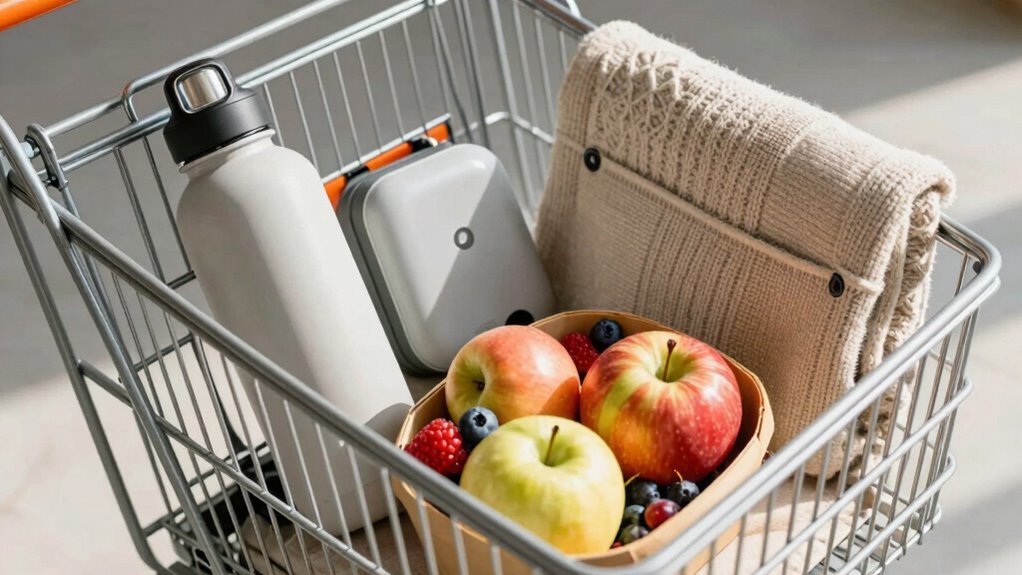
When prioritizing better over more, focus on eco-friendly options made with sustainable materials and produced responsibly. Choose reputable brands that are transparent about sourcing and quality, ensuring durability and longevity. Invest in versatile, timeless items that truly meet your needs, reducing clutter and waste. Emphasize long-lasting, well-crafted products that support your values and save money over time. If you want to learn more about making mindful choices, stay with us.
Open a free Amazon Business account
Business pricing, bulk buying and tax-exempt orders.
As an affiliate, we earn on qualifying purchases.
Key Takeaways
- Focus on eco-friendly, sustainably produced items with certifications or labels.
- Prioritize reputable brands known for quality, transparency, and ethical practices.
- Choose durable, long-lasting products to reduce waste and save money over time.
- Select practical, versatile items that meet real needs and minimize clutter.
- Embrace a mindset of buying fewer, higher-quality products for lasting satisfaction.

When you’re shopping for quality over quantity, it’s easy to get overwhelmed by endless options and shiny distractions. With so many products shouting for your attention, it’s tempting to go for what looks good or costs the least. But if you want to truly prioritize buying better, you need to focus on a few key factors. First, consider eco-friendly options. Choosing products made with sustainable materials or produced through environmentally responsible methods isn’t just a trend; it’s a way to reduce your impact on the planet. Look for certifications or labels that verify eco-conscious practices, such as organic, recycled, or biodegradable materials. These options often last longer and perform better, making them a smarter investment over time.
Prioritize eco-friendly, sustainable products for lasting quality and a smaller environmental footprint.
Next, pay close attention to brand reputation. A brand’s reputation offers insight into its values, product quality, and customer satisfaction. Reputable brands tend to stand behind their products, ensuring they meet high standards and are ethically produced. Do some research before making a purchase—read reviews, check for transparency about sourcing and manufacturing, and see if the company aligns with your values. A well-regarded brand not only provides peace of mind but often offers better after-sales support and warranties, which are crucial when investing in higher-quality items. Additionally, understanding certification labels can help you identify genuinely eco-friendly products and avoid misleading marketing claims. Incorporating eco-certifications into your decision-making process can further ensure you’re choosing products that meet strict environmental standards.
Beyond eco-friendly options and brand reputation, think about durability and longevity. Buying better means investing in items that won’t fall apart after a few uses. Quality materials and craftsmanship matter more than flashy packaging or low prices. When you choose well-made products, you’re reducing waste because you won’t need to replace them as often. This approach saves money in the long run and supports a more sustainable lifestyle.
Additionally, consider the practical benefits of your purchase. Ask yourself if the product truly meets your needs or if it’s just a fleeting impulse. Buying better involves mindfulness—selecting items that are versatile, timeless, and genuinely useful. This way, you avoid clutter and unnecessary spending, focusing instead on what adds real value to your life. Recognizing the importance of long-lasting products can help you make more informed choices that benefit both your lifestyle and the environment.
Ultimately, when you prioritize eco-friendly options, brand reputation, durability, and practicality, you’re making smarter choices that align with a more sustainable and intentional lifestyle. It’s about shifting your mindset from accumulating more to investing in fewer, better-quality items that serve you well and respect the environment. This approach might require more effort upfront, but it pays off in lasting satisfaction, reduced waste, and a sense of doing your part for the planet.
eco-friendly reusable water bottles
As an affiliate, we earn on qualifying purchases.
As an affiliate, we earn on qualifying purchases.
Frequently Asked Questions
How Do I Identify Truly Necessary Features in a Product?
You identify necessary features by doing a feature comparison and considering your specific needs. Focus on what solves your problems, not just trendy extras. Read user reviews to see how people use the product daily and which features matter most. If certain features consistently get praised or criticized, they’re likely important. By combining a clear comparison and real user insights, you’ll confidently choose what’s truly necessary and avoid unnecessary extras.
What Financial Considerations Should I Keep in Mind?
Think of your finances like a vintage radio—carefully tuned. When buying better, focus on budget planning to avoid overspending and prioritize debt management to keep your financial health intact. Avoid impulse buys that could lead to unnecessary debt; instead, save for quality items that last. Keep a steady eye on your income and expenses, ensuring your purchase aligns with your long-term financial goals.
How Can I Assess Product Quality Effectively?
You can assess product quality by examining material durability and researching the brand reputation. Check reviews and ask about the materials used to guarantee longevity. A reputable brand often indicates consistent quality and better customer support. Feel the product if possible, and consider warranties or guarantees. These steps help you make informed decisions, ensuring you invest in something that lasts longer and performs well, rather than just opting for cheaper, lower-quality options.
Is It Better to Buy From Local or Online Stores?
Opting for local stores often offers a charming, personal touch, allowing you to see sustainable sourcing firsthand and support community efforts. While online shopping provides convenience and a broader selection, it can sometimes lack the assurance of brand reputation and transparency. By choosing local, you get a clearer picture of a product’s origins, helping you make more mindful decisions aligned with better quality and ethical standards.
How Do I Avoid Impulse Purchases?
To avoid impulse purchases, stay aware of your budget and develop mindful shopping habits. Before buying, ask yourself if it’s a necessity or a temptation. Create a shopping list and stick to it, avoiding browsing without purpose. Limit your exposure to sales or tempting displays, and give yourself time to think before making non-essential purchases. This approach keeps your spending intentional, helping you prioritize quality over quantity.
As an affiliate, we earn on qualifying purchases.
Conclusion
Remember, choosing quality over quantity is like planting a single, sturdy tree instead of a forest of fragile saplings. It’s about nurturing what truly matters, letting your investments grow deeper roots. When you prioritize meaning over mere accumulation, you create a foundation that endures storms and seasons. So, focus on what truly enriches your life—because sometimes, the most valuable treasures are those that stand tall and steadfast, weathering time’s tests.
As an affiliate, we earn on qualifying purchases.
As an affiliate, we earn on qualifying purchases.
Flea & tick season Picks
flea and tick prevention
As an affiliate, we earn on qualifying purchases.