
TL;DR
The Good Trade’s 2026 guide reviews eight men’s organic and nontoxic underwear options, drawing on editor research and product testing. The supplied source does not name the eight products or provide test results, so readers should compare labels, fit and certification details rather than assume all listed items meet the same standards.
The Good Trade has published a 2026 guide to men’s organic and nontoxic underwear, saying an editor researched and tested options for comfort, support and durability. The material supplied for this article does not identify the eight products in the headline, list their prices or give individual test results, leaving readers without enough information here to compare specific brands.

Get your wardrobe favorites delivered free with Prime
- Fast, free delivery on millions of items
- Prime Video, Amazon Music and more included
- Member-only deals all year
The guide’s editor describes choosing underwear for an active daily routine, including gym visits, walks, childcare and work at a home office. The review says it considered comfort, support, style and lasting wear, as well as the materials used in garments worn close to the skin. The Good Trade says its editors research and test products they endorse and may earn commissions from purchases made through some links.
The source discusses organic cotton and other natural fibers, and points readers toward production and chemical-safety information. It mentions bluesign® as a textile-production certification that screens chemicals for safety for workers, consumers and the environment. However, the supplied excerpt ends during its certification discussion; it does not include the full list of standards or say which reviewed products hold them.
The article also raises questions about fabric, dyes and finishes. Those points are general considerations in the source, not product-by-product findings. No test protocol, lab results, certification documents, prices, sizing ranges or full product names appear in the material provided, so the headline’s promise of eight recommendations cannot be independently assessed from this excerpt alone.
Choosing organic underwear starts with the details
The Good Trade says its editors researched and tested options for comfort, support and durability. The supplied excerpt omits the product names and individual results, so shoppers cannot compare its eight picks from this material alone.
What the review considered
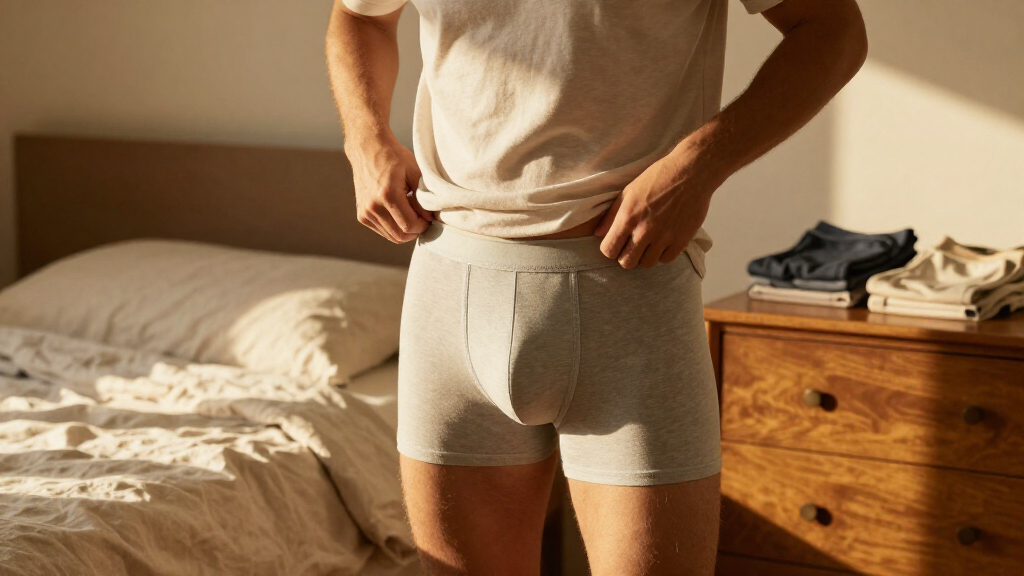
The editor described underwear for exercise, family activities and desk work.
Comfort and fit
Compare fabric feel, support and fit for your routine.
Fiber and finishes
Check fabric content, dyes, finishes and any blended fibers.
Durability
The guide says it considered lasting wear, but the excerpt gives no product-level results.
Materials mentioned
These are general options discussed in the source, not verified compositions for specific picks.
Verify the claims
Certification scope and garment components can differ.
Confirm which materials are certified organic and what the certification covers.
The excerpt mentions bluesign® chemical screening but does not identify which products hold it.
Check blends, elastic, dyes and finishes separately; “organic” alone does not establish that an item is chemical-free.
Before you buy
Use product-specific details to compare options.
- The guide’s stated review priorities
- General material and certification considerations
- An affiliate commission disclosure
- Product names, prices or test scores
- Fabric compositions and size ranges
- Test methods or certification documents
How to Compare Materials and Claims
Underwear is worn for long periods and often close to sensitive skin, so fabric feel, breathability and fit can matter in everyday use. A guide that tests garments may help shoppers narrow options, but the value of its recommendations depends on transparent product details and clearly explained testing. Readers should check whether a product is certified organic, what parts of the garment the certification covers, and whether elastic or blends contain synthetic fibers.
The source associates organic production with reduced use of certain agricultural chemicals and describes possible environmental and comfort benefits. Those points should not be taken as proof that every item labeled organic is chemical-free, safer for everyone, or made under fair labor conditions. Organic-fiber certification and labor standards are distinct questions; buyers may need to check separate labels and brand disclosures. The excerpt also does not establish that underwear materials cause or prevent fertility problems.
Popular right now

Dyson Airwrap i.d. Multi-Styler with Bluetooth Connectivity

Ninja Foodi 8-Quart DualZone 6-in-1 Air Fryer, Grey (DZ201)

Sony WH-1000XM6 Wireless Noise-Canceling Headphones, Black
As an affiliate, we earn on qualifying purchases.
What the Review Says It Tested
The Good Trade frames the review around an editor’s effort to replace older underwear while paying closer attention to clothing materials and potential plastic shedding. The reviewer describes a preference for classic, minimalist styles and says the underwear needed to accommodate movement through exercise, family activities and desk work. That account explains the review’s stated priorities, but it is not a substitute for standardized performance data.
The source’s broader shopping guidance recommends considering fabric content and how garments are dyed or finished. It refers to organic cotton, bamboo viscose and hemp as natural-fiber options, while noting concerns about some textile treatments. These are claims and general guidance from the publication, not findings established here for any particular pair. Certification details vary, and readers should verify them on a brand’s product page or certification directory rather than infer them from broad terms such as “nontoxic.”
““The Good Trade editors endorse products we’ve personally researched, tested, and genuinely love.””
— The Good Trade
Missing Product and Test Details
The source excerpt does not name the eight recommended products, identify manufacturers or provide test scores, prices, fabric compositions, size charts or return policies. It also does not explain how long products were tested, how durability was measured, or whether chemical-safety claims were independently verified. The certification section is incomplete, so it is unclear which additional standards the full guide discusses or whether any listed underwear carries them.
Health claims in the supplied material also need careful qualification. It raises potential concerns about chemicals and fertility but provides no study citations or evidence tying the eight products to reproductive outcomes. No product-specific health effect is established by the available information. Claims about pesticide residues, skin absorption, hormone disruption or infection risk should not be read as proven outcomes of wearing conventional underwear.
Check the Full Guide Before Buying
Readers seeking the recommendations will need to consult The Good Trade’s complete 2026 article, where the product names and any linked specifications may appear. Before purchasing, compare fiber content, certification scope, construction and care instructions, and confirm that the size range and return terms meet your needs. Sizing varies by brand, so use each company’s own measurements rather than relying on a label size from another maker.
The publication’s affiliate disclosure means shoppers can compare prices and claims directly with brands or other retailers. Until the full product list and testing details are available, the confirmed development is the publication of a review—not a verified ranking of eight products or proof that any option is nontoxic in every respect.
Key Questions
Which eight underwear brands does the guide recommend?
The supplied source excerpt does not name the products or brands. Readers will need the complete Good Trade guide to see its recommendations.
Does the source show that organic underwear improves fertility?
No. The excerpt discusses possible considerations involving fit, temperature and textile chemicals, but it provides no product-specific evidence or cited findings establishing a fertility benefit.
What certification does the excerpt mention?
It mentions bluesign®, describing it as a system that screens chemicals used in textile production for safety. The excerpt is cut off before providing the full certification discussion or identifying products that carry the standard.
Does “organic” mean an item is fully chemical-free?
The source does not establish that. Organic claims concern particular materials or production standards; dyes, finishes, blends and other parts of a garment may require separate checks.
How should shoppers choose a size?
Check each brand’s size chart and garment measurements. Sizing varies by brand, and the supplied excerpt does not provide size ranges for the products in the review.
Source: thegoodtrade.com