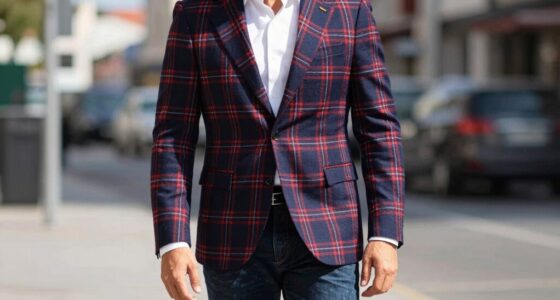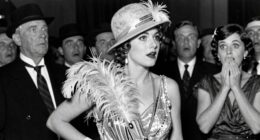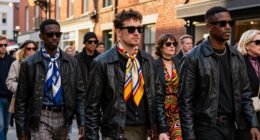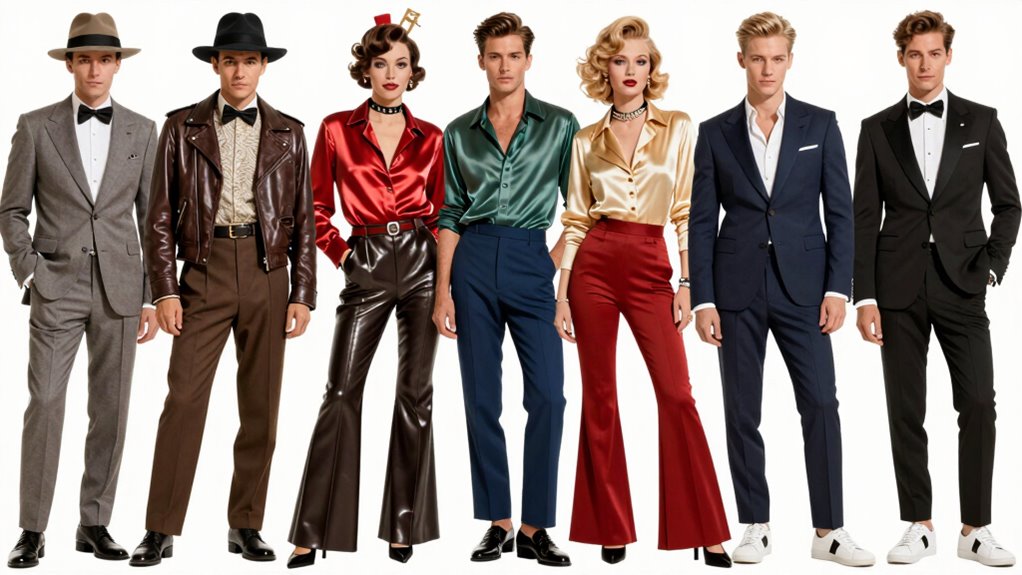

From sharp three-piece suits of the early 20th century to rebellious 1960s minimalism, each era teaches you to adapt and express yourself. Power dressing in the mid-20th century shows how structure commands authority, while vintage streetwear reveals the importance of comfort and individuality today. Embracing diversity and sustainability is shaping modern styles. Stay curious, as discovering these iconic looks will help you craft a timeless, authentic wardrobe.
Key Takeaways
- Early 20th-century men’s fashion emphasized tailored suits, precise fits, and accessories like pocket watches, establishing a foundation of formality and refinement.
- The 1960s introduced minimalism and youthful rebellion with slim tailoring, clean lines, and casual grooming trends.
- The 1970s and 1980s embraced boldness with disco glam, exaggerated shoulder pads, and subcultural styles like punk and hip-hop.
- The 1990s and 2000s shifted toward streetwear, blending comfort, individuality, and cultural influences through oversized clothing and sneakers.
- Contemporary trends prioritize inclusivity, sustainability, and self-expression, blending traditional elegance with modern versatility.
The Formal Foundations of the Early 20th Century
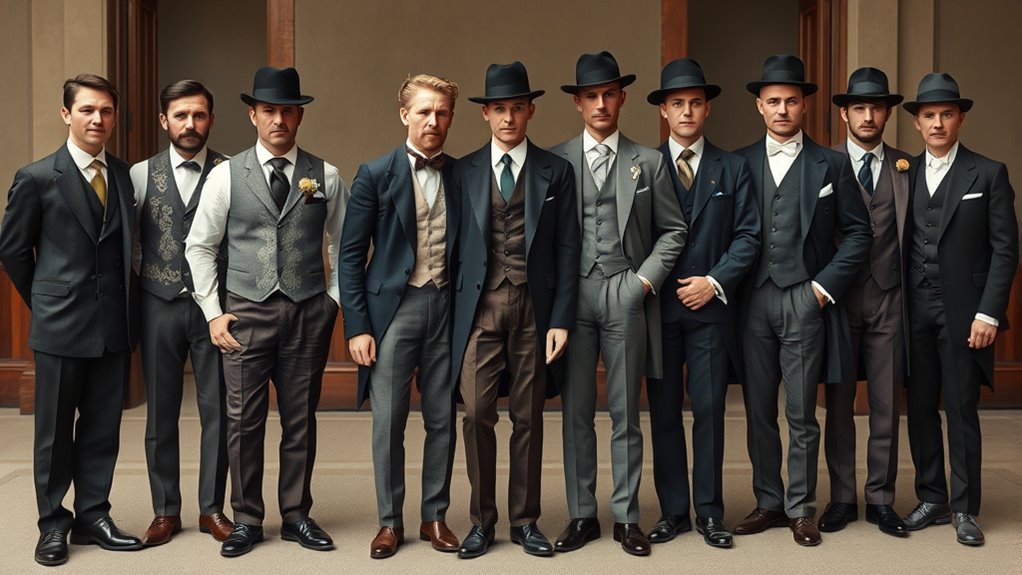
The formal foundations of the early 20th century menswear are rooted in a strict emphasis on structure and tailored fit. You’d wear a three-piece suit with a sharply defined torso and narrow waist, reflecting industrial-era formality and social status. Bespoke tailoring, especially influenced by Savile Row, set the standard for fit, emphasizing clean lines and precision. Accessories like pocket watches, bowler hats, and spats weren’t just style choices—they signaled class and etiquette. High-starched collars and waistcoats completed the look, projecting authority and refinement. This era’s focus on tailored structure created a polished silhouette that communicated professionalism and social standing. These elements laid the groundwork for modern suiting, emphasizing fit, formality, and attention to detail.
Power and Practicality in the Mid-20th Century

During the mid-20th century, menswear increasingly prioritized both power and practicality, reflecting broader societal shifts and wartime influences. You’ll notice broader shoulders, double-breasted jackets, and tapered trousers that project authority. Fabrics became durable and functional, often military-inspired, emphasizing utility without sacrificing style. This era balanced commanding silhouettes with wearable comfort, especially post-WWII when resilience was key. The table below highlights key features:
| Power Elements | Practical Elements |
|---|---|
| Broad shoulders | Durable, military fabrics |
| Double-breasted | Pockets with flaps |
| Tapered trousers | Easy-to-maintain materials |
| Structured fit | Functional design |
| Wide lapels | Versatile, adaptable clothing |
Additionally, the use of functional design in menswear allowed for clothing that could withstand everyday wear while maintaining a sharp appearance. This combination created a look that was both authoritative and ready for everyday demands, shaping modern menswear.
Youthful Rebellion and Minimalist Tailoring of the 1960s
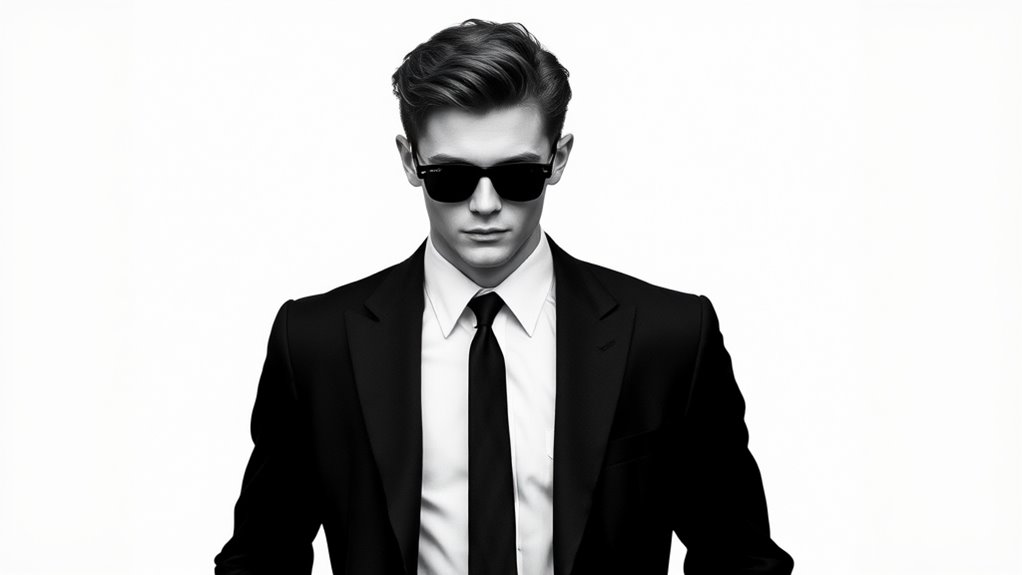
In the 1960s, youth culture began shaping men’s fashion with a bold push against traditional formality. You’ll notice a shift toward sleek, minimalist tailoring that emphasized clean lines and simplicity. Slim trousers and narrow lapels became the norm, reflecting a desire for modernity and freedom from the heavy, structured styles of previous decades. Leather jackets, white T-shirts, and slim denim introduced a rebellious edge inspired by cinema icons and music stars. Grooming also shifted—shorter hairstyles and a more casual approach to grooming signaled a move toward individual expression. This era balanced rebellion with refined tailoring, creating versatile looks that remain influential. The 1960s teach you that style can be both sharp and effortless, embodying confidence and youthful defiance. Additionally, understanding color accuracy helps in appreciating how different styles can be enhanced through proper calibration and presentation, much like the visual impact of iconic fashion choices from that era.
Bold Expressions and Subcultural Signatures of the 1970s and 1980s

In the 1970s and 1980s, men’s fashion became a canvas for bold expressions and subcultural signatures. You see this in the flashy disco glam and flared trousers of the ’70s, as well as the power suits with exaggerated shoulder pads of the ’80s. These styles not only marked social identities but also set the stage for future streetwear and alternative fashion movements. The era also saw the rise of innovative European cloud servers, which parallels how fashion embraced cutting-edge technology and design to push boundaries.
Disco Glam and Flare
Disco glam and flare defined the bold, expressive style movements of the 1970s and 1980s, transforming everyday menswear into statements of attitude and subcultural identity. You’d embrace shimmering fabrics like satin and sequins, which caught the light on dance floors, while flared trousers added dramatic movement. Bright colors, bold patterns, and oversized lapels became hallmarks of disco culture, encouraging you to stand out confidently. The era also saw the rise of platform shoes and wide-collared shirts, emphasizing a sense of flamboyance. In the 1980s, power suiting with broad shoulders and strong silhouettes complemented the era’s assertive attitude. This period was about expressing personality boldly, blending fashion with attitude and making sure your look communicated your confidence and involvement in cultural movements.
Power Dressing and Shoulder Pads
Power dressing and shoulder pads emerged as defining statements of the 1970s and 1980s, transforming menswear into tools of authority and self-expression. In the 1970s, bold patterns, wide lapels, and padded shoulders created a commanding silhouette, often featuring double-breasted suits that conveyed confidence. By the 1980s, power dressing fully embraced exaggerated shoulder pads, emphasizing a broad, statuesque frame that symbolized corporate success. These looks weren’t just about appearance—they signaled status and ambition. You’d see men in tailored, structured suits with sharp lines, often accessorized with wide ties and polished shoes. Shoulder pads became a visual shorthand for strength, authority, and professionalism, shaping the modern idea of menswear as a statement of power and presence.
Subcultural Style Signatures
The 1970s and 1980s saw menswear become a canvas for subcultural identity and bold self-expression. You’d notice punk’s rebellious look: leather jackets, DIY distressing, and safety pins, making a statement against mainstream fashion. Hip-hop culture introduced oversized sportswear, gold chains, and sneakers, emphasizing status and attitude. Disco and glam influences brought shiny fabrics, flared trousers, and flamboyant patterns, encouraging flamboyance and freedom. Meanwhile, new wave and post-punk styles favored edgy, unconventional silhouettes, often with bold prints and unconventional accessories. Designer logos and conspicuous branding rose in popularity, signaling wealth and status. These signatures created visual language for belonging and defiance, shaping how men expressed their identities through clothes—an ongoing dialogue between culture, attitude, and personal style. Additionally, the era highlighted the importance of creative storytelling, which helped subcultures communicate their values and identities through distinctive fashion choices.
Streetwear and Casual Innovation in the Late 20th and Early 21st Centuries
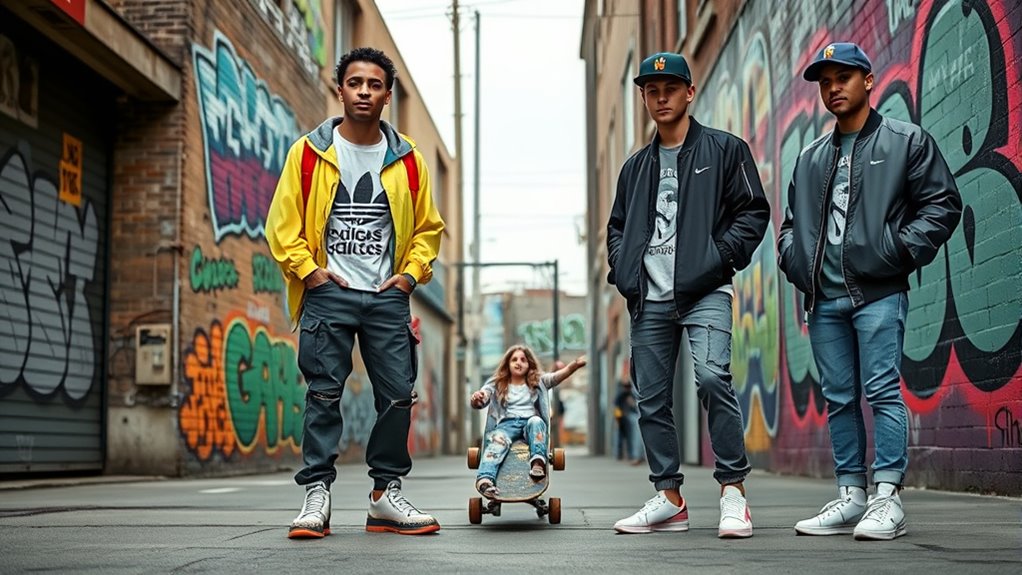
As streetwear evolved in the late 20th and early 21st centuries, it reshaped men’s casual fashion by blending comfort, individuality, and cultural influences. You’ll notice oversized hoodies, baggy jeans, and sneakers becoming everyday staples, reflecting skate, hip-hop, and sports cultures. Collaborations between brands, artists, and designers created hype around limited drops, making style more accessible and dynamic. Technical fabrics and athleisure blurred the lines between performance wear and casual outfits, emphasizing ease and functionality. You’re encouraged to mix high and low, combining luxury sneakers with streetwear basics or vintage pieces with modern silhouettes. This era champions self-expression, versatility, and comfort, empowering you to craft a look that’s uniquely yours without sacrificing practicality or style.
Embracing Diversity and Sustainability in Recent Styles

Recent menswear styles increasingly prioritize diversity and sustainability, reflecting broader cultural shifts toward inclusion and environmental responsibility. You now see more designers embracing different body types, gender expressions, and cultural backgrounds, making fashion more accessible and representative. Sustainability drives choices toward eco-friendly fabrics, ethical production, and timeless designs that last. This shift encourages you to contemplate how your wardrobe impacts the planet and society. Incorporating Free Floating elements into wardrobe choices can also promote versatility and adaptability, aligning with sustainable fashion principles.
Lessons From Decades of Evolution in Men’s Fashion
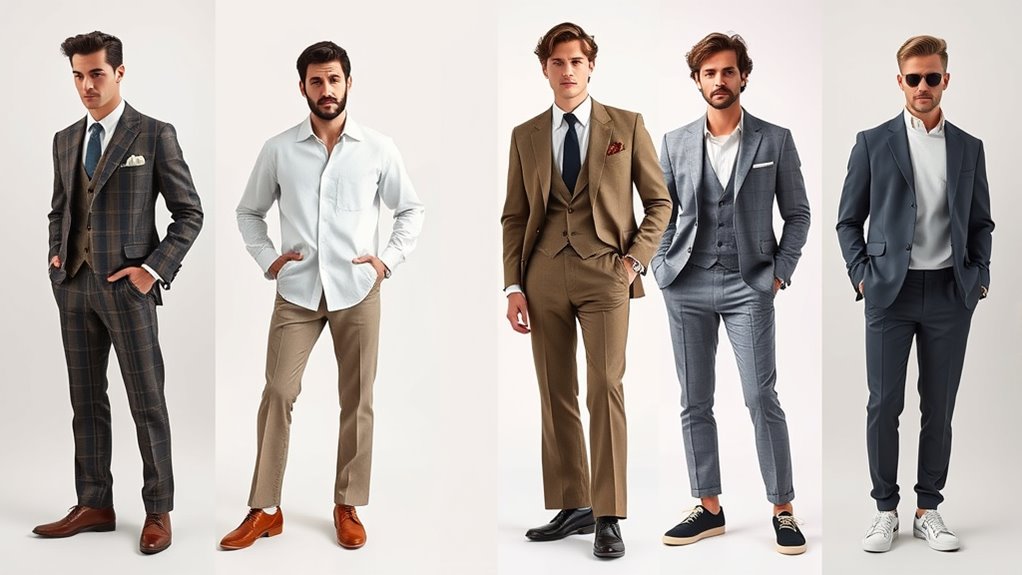
Studying the evolution of men’s fashion reveals valuable lessons about adaptability, self-expression, and the importance of authenticity. Over the decades, menswear has constantly shifted to reflect cultural changes, technological advances, and social attitudes. You learn that embracing change keeps your style fresh and relevant. Each era’s trends show that personal expression can be rooted in tradition or rebellion, depending on what you choose to wear. The key is authenticity—staying true to yourself while adapting to new influences. From tailored suits to streetwear, the evolution teaches you that style isn’t static; it’s a conversation between your identity and the world around you. Recognizing the influence of cultural shifts and how they impact fashion can help you better understand the context behind each look. By understanding these lessons, you can craft a wardrobe that’s versatile, meaningful, and uniquely yours.
Frequently Asked Questions
How Did Tailoring Influence Men’s Fashion Beyond the Early 20TH Century?
Tailoring shaped men’s fashion well beyond the early 20th century by emphasizing fit, structure, and versatility. You see its influence in the slim suits of the 1950s and 1960s, reflecting minimalism and refinement. It also inspired power dressing in the 1980s, with broad shoulders and sharp lines. Today, tailoring continues to inspire diverse styles, blending classic craftsmanship with modern comfort, allowing you to express personality while maintaining a polished appearance.
What Role Did Military Uniforms Play in Shaping Post-War Menswear?
Military uniforms molded modern menswear by making practical, polished pieces popular. You can see this influence in the standardized details—pockets, fabrics, and fits—that emphasized functionality and formality. Post-war, these military-inspired designs pushed men toward durable, disciplined styles, blending utility with sharpness. Whether in the structured double-breasted suits or casual khakis, the military’s meticulous methods made everyday menswear more purposeful, polished, and powerful.
How Did Youth Culture Redefine Men’s Casual and Formal Styles in the 1960S?
In the 1960s, youth culture reshaped men’s styles by embracing slim, tailored silhouettes that contrasted with previous broader fits. You’d see icons in skinny jeans, white T-shirts, and minimalist suits, reflecting rebellion and modernity. This era popularized casual staples like Harrington jackets and loafers, blending formal and informal looks. You’re encouraged to mix and match, expressing individuality while maintaining a sharp, youthful aesthetic that remains influential today.
In What Ways Did Subcultures Like Punk and Hip-Hop Impact Mainstream Menswear?
You might think mainstream menswear is polished and predictable, but subcultures like punk and hip-hop flipped that script. Punk’s DIY ripped leather and safety pins challenged luxury norms, while hip-hop’s oversized chains and sneakers made streetwear a symbol of status. Ironically, what started as rebellion now influences high fashion, proving that even the boldest subcultural signals can become chic staples in your closet.
How Are Modern Sustainability Practices Transforming Men’s Fashion Today?
Modern sustainability practices are reshaping your menswear by emphasizing ethical sourcing, durability, and eco-friendly materials. You’re encouraged to choose garments made from organic, recycled, or biodegradable fabrics, reducing waste and environmental impact. Brands now prioritize transparency and circular fashion models, making it easier for you to shop responsibly. This shift promotes versatile, long-lasting pieces that blend style with environmental consciousness, helping you stay fashionable while supporting a sustainable future.
Conclusion
As you explore these decades, you see how men’s style reflects changing attitudes and individuality. For example, imagine adopting a 1960s mod look with slim tailoring and bold colors—showing confidence and rebellion. Fashion evolves, but the core lesson remains: embrace your unique voice while respecting the style foundations of each era. By blending history with your personal touch, you create a look that’s timeless and true to you.