The best wireless headphones for runners pair a secure fit with sound that suits your routes and training habits. The SHOKZ OpenRun Pro 2 is my best overall pick for runners who want an open-ear design, while the SHOKZ OpenRun is a simpler alternative and the bmani T16 stands out for runners who prefer ear-hook earbuds and long stated playtime. The main tradeoff is between hearing more of your surroundings with open-ear models and getting a more isolated, conventional earbud fit. Fit, water protection, battery life, and usable controls matter as much as sound when you are moving. Read on for the full comparison and help matching each option to your runs.

Get your wardrobe favorites delivered free with Prime
- Fast, free delivery on millions of items
- Prime Video, Amazon Music and more included
- Member-only deals all year
Complete the kit


Key Takeaways
- SHOKZ OpenRun Pro 2 leads this lineup for runners seeking an open-ear design from an established sports-headphone brand; its position reflects the balance of running-focused use and brand-specific features, not a claim that it suits every ear or route.
- The two OpenRun Pro 2 color versions share the same product family, so choose Black or Orange by preference; the Mini is the more relevant alternative when a smaller fit is the priority.
- The standard SHOKZ OpenRun offers a simpler route into bone-conduction listening than the Pro 2 family, making it a sensible pick for runners who do not need the newer model’s feature set.
- Ear-hook models serve a different need than open-ear headsets: bmani T16 and Back Bay Audio Runner options are for buyers who want earbuds anchored around the ears rather than a band-style fit.
- Several generic bone-conduction listings need extra specification checking. Bluetooth version or an IP rating alone does not establish comfort, sound quality, or reliable outdoor use.
| SHOKZ OpenRun Pro 2 Open-Ear Bluetooth Sport Headphones, Black |  | Best Overall | Fit: Open ear | Audio technology: Bone conduction and air conduction | Battery life: Up to 12 hours | VIEW LATEST PRICE | See Our Full Breakdown |
| Open-Ear Bone Conduction Sports Headphones | 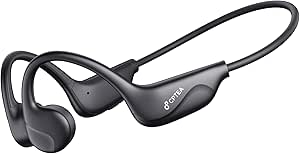 | Best for Lightweight Simplicity | Weight: 27 g | Driver size: 16 mm | Bluetooth: 6.0 | VIEW LATEST PRICE | See Our Full Breakdown |
| Gavhaio JY-B1 Open-Ear Bone Conduction Headphones, Bluetooth 6.0 |  | Best for Quick Recharging | Model: JY-B1 | Weight: 25 g | Connectivity: Bluetooth 6.0, wireless | VIEW LATEST PRICE | See Our Full Breakdown |
| Gavhaio JY-B2 Bone Conduction Headphones, Bluetooth 6.0, IP65 |  | Best for Multi-Device Workouts | Technology: Bone conduction, open-ear | Bluetooth version: 6.0 | Weight: 25 g | VIEW LATEST PRICE | See Our Full Breakdown |
| SHOKZ OpenRun Pro 2 Bone Conduction Bluetooth Sport Headphones, Orange | 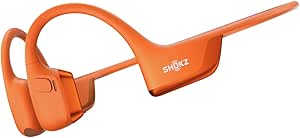 | Best for Visibility | Model: OpenRun Pro 2 (S820) | Color: Orange | Design: Open-ear | VIEW LATEST PRICE | See Our Full Breakdown |
| SHOKZ OpenRun Pro 2 Mini Open-Ear Bluetooth Sport Headphones, Black | 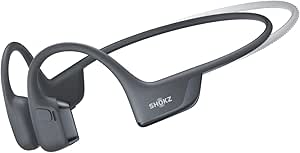 | Best for Runners Who Want Open-Ear Bass | Design: Open-ear bone and air conduction | Battery life: Listed as 7 hours in product information and up to 12 hours in the description | Charging time: 60 minutes | VIEW LATEST PRICE | See Our Full Breakdown |
| bmani T16 Wireless Earbuds with Ear Hooks, LED Charging Case, and 80-Hour Total Playtime | 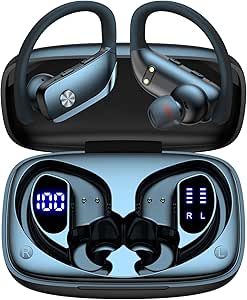 | Best for Long Gaps Between Charges | Connectivity: Bluetooth wireless | Earbud playtime: Up to 8 hours per charge | Total playtime with case: Up to 80 hours | VIEW LATEST PRICE | See Our Full Breakdown |
| SHOKZ OpenRun Bone Conduction Open-Ear Bluetooth Sport Headphones, Black |  | Best for Wet-Weather Awareness | Design: Open-ear bone conduction | Water resistance: IP67; not suitable for swimming | Battery life: Up to 8 hours | VIEW LATEST PRICE | See Our Full Breakdown |
| Back Bay Audio Runner 40 Wireless Sport Earbuds |  | Best for Rainy Runs with In-Ear Isolation | Connectivity: Bluetooth 5 | Water resistance: IPX7; not intended for swimming | Battery life: Up to 6 hours per charge; up to 30 hours with charging case | VIEW LATEST PRICE | See Our Full Breakdown |
| Bluetooth 6.0 Bone Conduction Open-Ear Headphones with Mic |  | Best Lightweight Budget-Style Open-Ear Pick | Connectivity: Bluetooth 6.0 | Wireless range: Up to 33 ft | Playback time: Up to 12 hours | VIEW LATEST PRICE | See Our Full Breakdown |
| Back Bay Audio Runner 60 Wireless Running Earbuds |  | Best for Long Training Blocks | Model: Runner 60 (2023 Update) | Connectivity: Bluetooth 5 | Bluetooth range: 30 feet | VIEW LATEST PRICE | See Our Full Breakdown |
| CXK Bone Conduction Headphones X15 |  | Best for Open-Ear Awareness | Model: X15 | Connectivity: Bluetooth 6.0 | Battery life: Up to 10 hours | VIEW LATEST PRICE | See Our Full Breakdown |
| Back Bay Audio Runner 40 Wireless Earbuds |  | Best for Simple, Secure Workouts | Model: Runner 40 (2025) | Connectivity: Bluetooth 5.3 | Bluetooth range: 30 feet | VIEW LATEST PRICE | See Our Full Breakdown |
| wireless headphones for runner | Water resistance | Battery life | Weight | Connectivity |
|---|---|---|---|---|
| SHOKZ OpenRun Pro 2 Open-Ear B | IP55 | Up to 12 hours | — | — |
| Open-Ear Bone Conduction Sport | Sweat- and rain-resistant | — | 27 g | — |
| Gavhaio JY-B1 Open-Ear Bone Co | IP65 | Up to 10 hours | 25 g | Bluetooth 6.0, wireless |
| Gavhaio JY-B2 Bone Conduction | IP65 | Up to 10 hours | 25 g | — |
| SHOKZ OpenRun Pro 2 Bone Condu | — | Up to 12 hours | — | — |
| SHOKZ OpenRun Pro 2 Mini Open- | Water resistant; rating not specified | Listed as 7 hours in product information and up to 12 hours in the description | — | — |
| bmani T16 Wireless Earbuds wit | — | — | — | Bluetooth wireless |
| SHOKZ OpenRun Bone Conduction | IP67; not suitable for swimming | Up to 8 hours | — | — |
| Back Bay Audio Runner 40 Wirel | IPX7; not intended for swimming | Up to 6 hours per charge; up to 30 hours with charging case | — | Bluetooth 5 |
| Bluetooth 6.0 Bone Conduction | IP54; not suitable for swimming or prolonged immersion | — | 28 g | Bluetooth 6.0 |
| Back Bay Audio Runner 60 Wirel | IPX7; not designed for swimming | Up to 8 hours per charge; up to 80 hours with charging case | 3 ounces | Bluetooth 5 |
| CXK Bone Conduction Headphones | IPX7; not suitable for swimming | Up to 10 hours | 28 g | Bluetooth 6.0 |
| Back Bay Audio Runner 40 Wirel | IPX7; not for swimming | Up to 6 hours per charge; up to 30 hours with charging case | 45 g | Bluetooth 5.3 |
More Details on Our Top Picks
SHOKZ OpenRun Pro 2 Open-Ear Bluetooth Sport Headphones, Black
The OpenRun Pro 2 is the strongest all-around choice here for runners who want open-ear awareness without giving up as much audio depth. Its combination of bone and air conduction is designed to deliver fuller bass and clear highs than the basic bone-conduction models in this group, while the memory-wire frame is intended to stay secure as you move. The 12-hour battery also outlasts the up-to-10-hour Gavhaio JY-B1 and JY-B2, making it a better fit for long training blocks and frequent use between charges.
The tradeoff is inherent to the open-ear format: outside noise remains audible, and sound can be less private than with sealed earbuds. Its IP55 rating handles workout exposure, but it is not a swimming headphone. Choose it over the lower-spec options for longer runtime and hybrid drivers; skip it if isolation matters more than awareness.
Pros:- Open-ear fit helps keep surrounding sounds audible while running.
- Hybrid bone- and air-conduction drivers are designed for clearer highs and deeper bass.
- Up to 12 hours of battery life exceeds the runtime listed for the Gavhaio JY-B1 and JY-B2.
- Lightweight memory-wire frame is designed to stay secure during workouts.
Cons:- Open-ear design cannot isolate traffic, wind, or other outside noise like sealed earbuds.
- Audio may be noticeable to people nearby in quiet settings.
- IP55 water resistance is not intended for swimming or underwater use.
Best for: Runners who want an awareness-friendly open-ear fit, fuller sound, and enough battery for long workouts or repeated daily use.
Not ideal for: Runners who need strong noise isolation, private listening in quiet spaces, or headphones for swimming.
- Fit:Open ear
- Audio technology:Bone conduction and air conduction
- Battery life:Up to 12 hours
- Battery charge time:1 hour
- Water resistance:IP55
- Microphones:Dual wind-resistant microphones with AI noise reduction
- Frame material:Nickel-titanium alloy, plastic, and silicone
- Color:Black
Our verdict“Choose the OpenRun Pro 2 if you want a secure, awareness-focused running headphone with longer runtime and hybrid drivers.”
Open-Ear Bone Conduction Sports Headphones
At a listed 27 g, these headphones suit runners who want an uncomplicated open-ear design and do not need app-based extras or multiple sound modes. Their Bluetooth 6.0 connection, Type-C charging, and playback time of over 10 hours at 60% volume cover the essentials for regular training. The open-ear fit avoids placing an earpiece in the canal, which can feel preferable for runners who want to hear traffic and other activity around them.
Compared with the Gavhaio JY-B1, this model lists a slightly longer stated playback threshold but gives less detail about customization, calls, and device switching. Its roughly two-hour recharge is also slower than the one-hour charge listed for the JY-B1 and the OpenRun Pro 2. The sweat- and rain-resistant description is useful, but it does not provide a specific IP rating, so buyers who want a defined protection level may prefer the IP65 Gavhaio options.
Pros:- Listed weight of 27 g supports a lightweight feel during runs.
- Open-ear design leaves the ear canal unobstructed and helps preserve awareness.
- Over 10 hours of playback at 60% volume suits routine training.
- USB Type-C charging is a common, convenient charging format.
Cons:- About two hours to recharge is slower than the listed charge time for the Gavhaio JY-B1.
- No specific IP rating is supplied, leaving water protection less precisely defined than on the Gavhaio models.
- Open-ear listening offers limited isolation in noisy areas.
Best for: Runners who want a light, canal-free listening option with Type-C charging and straightforward playback for everyday routes.
Not ideal for: Buyers who want a stated IP water-resistance rating, EQ choices, or the faster listed charging of the Gavhaio JY-B1.
- Weight:27 g
- Driver size:16 mm
- Bluetooth:6.0
- Wireless range:10 m (33 ft)
- Playback time:Over 10 hours at 60% volume
- Charging time:About 2 hours
- Charging port:USB Type-C
- Water resistance:Sweat- and rain-resistant
Our verdict“Pick this model for lightweight, straightforward open-ear listening, but choose the Gavhaio JY-B1 if a stated IP65 rating and EQ modes matter more.”
Gavhaio JY-B1 Open-Ear Bone Conduction Headphones, Bluetooth 6.0
The Gavhaio JY-B1 is a practical pick for runners who value a light frame and short charging breaks. At 25 g, it is lighter on paper than the 27 g Open-Ear Bone Conduction Sports Headphones, and its listed one-hour charge time is notably shorter than that model’s roughly two hours. Three EQ modes let you switch between vocal, bass, and balanced sound, while dual-device connection can simplify moving between a phone and another paired device.
Its up-to-10-hour battery is shorter than the 12 hours listed for the SHOKZ OpenRun Pro 2, so frequent long-distance runners may prefer SHOKZ’s extra headroom and hybrid drivers. The JY-B1’s IP65 rating gives it a clearer stated protection level than the unnamed-rating alternative, though it is not for swimming. A built-in microphone supports calls, but the supplied details do not specify wind reduction or call-noise processing.
Pros:- 25 g listed weight is lighter than the 27 g open-ear alternative in this batch.
- One-hour listed charge time suits runners who need a quicker turnaround.
- Vocal, Bass, and Balanced EQ modes allow basic sound tailoring.
- IP65 rating and dual-device connection add useful workout and daily-use flexibility.
Cons:- Up to 10 hours of battery life is shorter than the SHOKZ OpenRun Pro 2’s listed 12 hours.
- Not intended for swimming or underwater use.
- Microphone details do not specify wind resistance or noise reduction.
Best for: Runners who want a light open-ear headset with EQ choices, two-device pairing, and a short listed recharge time.
Not ideal for: Distance runners who need more than 10 hours between charges, or swimmers seeking underwater-capable headphones.
- Model:JY-B1
- Weight:25 g
- Connectivity:Bluetooth 6.0, wireless
- Bluetooth range:33 feet
- Battery life:Up to 10 hours
- Battery charge time:1 hour
- EQ modes:Vocal, Bass, Balanced
- Water resistance:IP65
- Device connection:Dual-device
Our verdict“Choose the JY-B1 if quick charging, light weight, and EQ modes matter more than the longer runtime of the SHOKZ OpenRun Pro 2.”
Gavhaio JY-B2 Bone Conduction Headphones, Bluetooth 6.0, IP65
The Gavhaio JY-B2 makes the most sense for runners who want one open-ear headset for training and hands-free calls across two connected devices. It pairs dual-device connection with push-button controls, a built-in microphone, and three EQ modes, offering more stated switching and call flexibility than the simpler Open-Ear Bone Conduction Sports Headphones. Its 25 g frame and IP65 rating are suited to workout use, while USB-C charging keeps the charging setup familiar.
On paper, it closely resembles the JY-B1, but the JY-B2 takes 1.5 hours to charge rather than the JY-B1’s listed one hour. Both offer up to 10 hours of playback and are not intended for swimming. The SHOKZ OpenRun Pro 2 is the better match for runners prioritizing longer battery life and hybrid drivers; the JY-B2 is the more feature-focused fit for users who value two-device pairing and physical controls.
Pros:- Dual-device connection helps runners switch between paired devices.
- Push-button controls provide a physical control option during workouts.
- Three EQ modes and a built-in microphone add flexibility for music and calls.
- 25 g weight and IP65 rating suit regular workout use.
Cons:- Up to 10 hours of playback is less than the SHOKZ OpenRun Pro 2’s listed 12 hours.
- The 1.5-hour listed charging time is longer than the JY-B1’s one-hour charge time.
- Not intended for swimming or underwater use.
Best for: Runners who alternate between a phone and another device and want push-button controls, call support, and open-ear awareness.
Not ideal for: Runners who prioritize the fastest recharge, longer battery life, or headphones suitable for swimming.
- Technology:Bone conduction, open-ear
- Bluetooth version:6.0
- Weight:25 g
- Battery life:Up to 10 hours
- Battery charge time:1.5 hours
- Charging:USB-C
- Water resistance:IP65
- EQ modes:Vocal, Bass, Balanced
- Controls:Push-button
Our verdict“Choose the JY-B2 for two-device pairing and physical controls; opt for the JY-B1 if a shorter listed charging time is your priority.”
SHOKZ OpenRun Pro 2 Bone Conduction Bluetooth Sport Headphones, Orange
The orange SHOKZ OpenRun Pro 2 has the same core running appeal as the black version: open-ear awareness, hybrid bone- and air-conduction drivers, and up to 12 hours of audio. Its bright color gives it a distinct role for runners who prefer a more visible-looking accessory, while the hard-shell carrying case makes it easier to protect and pack between workouts. Dual wind-resistant microphones with AI noise reduction also give it a stronger stated call setup than the Gavhaio JY-B2, whose microphone is listed without those specific features.
Compared with the black OpenRun Pro 2, the key difference in the supplied details is presentation and included accessories, not the running fundamentals. Both SHOKZ options outlast the JY-B1 and JY-B2 on listed battery life. The tradeoff remains open-ear listening: outside noise is not blocked, and nearby listeners may hear some audio. Runners who want discretion or isolation should consider sealed earbuds instead.
Pros:- Bright orange color offers a more visible-looking alternative to the black OpenRun Pro 2.
- Bone- and air-conduction drivers are designed for clear highs and deeper bass.
- Up to 12 hours of battery life exceeds the listed runtime of the Gavhaio JY-B1 and JY-B2.
- Hard-shell carrying case is included for storage and transport.
Cons:- Open-ear design provides less isolation from traffic, wind, and other surrounding noise.
- Audio may be less private in quiet settings.
- Its core running features closely match the black OpenRun Pro 2, so color and included accessories are the main listed distinctions.
Best for: Runners who want the OpenRun Pro 2’s long runtime and open-ear design in a bright orange color, with a case for carrying it.
Not ideal for: Runners who prefer a discreet color, need strong noise isolation, or want private listening in quiet places.
- Model:OpenRun Pro 2 (S820)
- Color:Orange
- Design:Open-ear
- Driver type:Bone conduction with air conduction
- Battery life:Up to 12 hours
- Microphones:Dual wind-resistant microphones with AI noise reduction
- Controls:Touch control and app
- Warranty:2 years
- Included items:Hard-shell carrying case, headphones, stickers, user manual
Our verdict“Pick the orange OpenRun Pro 2 if you want SHOKZ’s longer-runtime open-ear setup in a brighter color with a carrying case.”
SHOKZ OpenRun Pro 2 Mini Open-Ear Bluetooth Sport Headphones, Black
The OpenRun Pro 2 Mini suits runners who want to hear traffic and other people without giving up fuller-sounding audio. Its combination of bone and air conduction drivers is a more bass-focused approach than the bone-conduction-only SHOKZ OpenRun, while the open-ear fit keeps the ear canals uncovered. A lightweight titanium-alloy frame and ergonomic hooks are designed to stay put through movement, and EQ modes let you adjust the sound for different listening preferences. The tradeoff is less certainty around endurance: the listing gives both up to 12 hours and 7 hours of playback, so I would not choose it on the longer figure alone. Water resistance is also mentioned without a specific rating, unlike the OpenRun’s IP67 specification.
Pros:- Open-ear design helps preserve awareness of surrounding sounds
- Bone and air conduction drivers aim for fuller bass than bone conduction alone
- Lightweight titanium-alloy frame and ear hooks are designed for a secure running fit
- EQ modes and wind-resistant microphones with AI noise reduction add listening and call flexibility
Cons:- Battery information conflicts: the listing states both 7 and up to 12 hours
- Water resistance is not given a specific rating
- Open-ear construction provides less isolation from surrounding noise
Best for: Runners who want an open-ear fit, a secure compact frame, and more bass emphasis than standard bone-conduction headphones.
Not ideal for: Runners who need a clearly stated water-resistance rating or dependable all-day battery expectations.
- Design:Open-ear bone and air conduction
- Battery life:Listed as 7 hours in product information and up to 12 hours in the description
- Charging time:60 minutes
- Frame materials:Silicone and titanium alloy
- Microphones:Dual wind-resistant microphones with AI noise reduction
- Water resistance:Water resistant; rating not specified
- Warranty:2 years
Our verdict“Choose the OpenRun Pro 2 Mini if open-ear awareness and richer audio matter more than a clearly documented battery life and water rating.”
bmani T16 Wireless Earbuds with Ear Hooks, LED Charging Case, and 80-Hour Total Playtime
The bmani T16 is the practical pick for runners who prefer conventional in-ear audio and do not want to recharge the case often. Its headline advantage is up to 80 hours total playtime with the case, far beyond the stated 30-hour totals for the Back Bay Audio Runner 40 and the OpenRun Pro 2 Mini’s listed single-charge figures. That total does not mean 80 hours between case charges: each earbud is rated for up to 8 hours, so longer outings still require a stop to recharge. Adjustable hooks help hold the earbuds in place, and physical buttons may be easier to operate mid-run than touch controls. The compromise is limited weather certainty: the build is described as sweat- and dust-resistant, but no formal water-resistance rating is supplied.
Pros:- Charging case is specified for up to 80 hours of total playtime
- Adjustable ear hooks are designed to help the earbuds stay secure during workouts
- Separate main and volume buttons offer tactile control
- LED indicators show case power and earbud charging status
Cons:- Each earbud is rated for up to 8 hours, well below the case’s total-playtime figure
- No formal sweat- or water-resistance rating is provided
- In-ear design does not keep the ear canals open like the SHOKZ OpenRun models
Best for: Runners who prefer earbuds with adjustable hooks and want a charging case that can support many sessions between recharges.
Not ideal for: Runners who need a stated water-resistance rating or long uninterrupted listening beyond the earbuds’ 8-hour per-charge limit.
- Connectivity:Bluetooth wireless
- Earbud playtime:Up to 8 hours per charge
- Total playtime with case:Up to 80 hours
- Driver size:10 mm
- Microphones:Dual
- Bluetooth range:15 meters
- Charging port:USB Type-C
- Resistance:Sweat- and dust-resistant; rating not specified
Our verdict“Pick the T16 if frequent charging is your main frustration, but look elsewhere for a verified water rating or open-ear awareness.”
SHOKZ OpenRun Bone Conduction Open-Ear Bluetooth Sport Headphones, Black
The SHOKZ OpenRun is a strong match for runners who want a defined level of weather protection alongside an open-ear fit. Its IP67 rating and up-to-8-hour battery are clearer than the unspecified water resistance and conflicting battery figures of the OpenRun Pro 2 Mini. A quick-charge feature also offers up to 1.5 hours of use from a 10-minute charge, useful when a run is approaching and the headset is low. Unlike that newer SHOKZ model, the OpenRun uses bone conduction alone, so it gives up the Pro 2 Mini’s air-conduction contribution to bass. That means it is the more straightforward pick for weather-minded training, not for runners seeking the fullest sound. IP67 does not make it suitable for swimming, and the open-ear design cannot isolate traffic or gym noise.
Pros:- IP67 water-resistance rating offers clear protection guidance for training conditions
- Open-ear bone-conduction design keeps the ear canals uncovered
- 10-minute quick charge provides up to 1.5 hours of use
- Lightweight wraparound fit is designed to stay secure while running
Cons:- Not suitable for swimming despite its water-resistance rating
- Open-ear fit provides less noise isolation than in-ear options such as the Back Bay Audio Runner 40
- Up to 8 hours of battery life is shorter than the claimed totals for the bmani T16 case
Best for: Runners who train in rain or sweat heavily and want open-ear awareness with a clearly stated water-resistance rating.
Not ideal for: Runners who want stronger noise isolation, a bass-forward presentation, or headphones for swimming.
- Design:Open-ear bone conduction
- Water resistance:IP67; not suitable for swimming
- Battery life:Up to 8 hours
- Quick charge:10 minutes for up to 1.5 hours of use
- Charging:Magnetic induction
- Compatibility:Android, iOS, Windows, and Bluetooth-enabled devices
- Controls:Button and volume control
- Warranty:2 years
Our verdict“Choose the OpenRun for reliable open-ear running in wet conditions, not for swimming or bass-heavy, isolated listening.”
Back Bay Audio Runner 40 Wireless Sport Earbuds
The Back Bay Audio Runner 40 is the in-ear alternative for runners who want a secure fit and a stated rain-and-sweat rating. Its IPX7 protection is more specific than the bmani T16’s ungraded resistance, while over-ear hooks help keep the earbuds anchored during movement. That makes it a better fit for wet-weather routes than the T16, though neither should be treated as a swimming headphone. Battery life is the main compromise: each charge is rated for up to 6 hours, with the case extending total playback to 30 hours. The bmani T16 lasts up to 8 hours per earbud and claims a much higher case total, while the SHOKZ OpenRun leaves the ears open for ambient awareness. Touch controls and a bass mode add flexibility, but the in-ear design trades some awareness for a more enclosed listen.
Pros:- IPX7 rating is specified for rain and sweat resistance
- Over-ear hooks help secure the earbuds during workouts
- Charging case extends total playback to up to 30 hours
- Touch controls and bass mode allow on-ear adjustments
Cons:- Up to 6 hours per charge is less than the bmani T16’s stated 8 hours
- In-ear fit offers less environmental awareness than either SHOKZ OpenRun model
- Not intended for swimming
Best for: Runners who want hooked in-ear earbuds for rain and sweat, and prefer some isolation from surrounding noise.
Not ideal for: Runners who prioritize hearing traffic, need more than 6 hours from one charge, or want headphones for swimming.
- Connectivity:Bluetooth 5
- Water resistance:IPX7; not intended for swimming
- Battery life:Up to 6 hours per charge; up to 30 hours with charging case
- Charging:USB-C
- Controls:Touch controls for music, volume, and calls
- Bluetooth range:30 feet
- Warranty:1 year
- Color:Rose gold
Our verdict“Choose the Runner 40 for hooked, weather-rated in-ear listening, but choose an open-ear model if road awareness matters more.”
Bluetooth 6.0 Bone Conduction Open-Ear Headphones with Mic
These Bluetooth 6.0 bone-conduction headphones stand out for a listed weight of just 28 g and a stated battery life of up to 12 hours. That gives them a lighter, longer-running spec profile than the SHOKZ OpenRun, which lists up to 8 hours, while retaining the open-ear design that helps runners hear nearby sounds. Their IP54 rating covers sweat and light splashes, but the SHOKZ OpenRun’s IP67 rating gives a clearer fit for harsher wet-weather use. The open specification list also leaves important questions unanswered: it names a built-in microphone without call-quality details, and supplies no charging quick-start feature. Choose this model for a lightweight frame and longer stated playback, not if you need verified swimming protection, strong call performance, or a known brand-specific support package.
Pros:- Listed weight of 28 g keeps the wraparound design lightweight
- Up to 12 hours of playback exceeds the SHOKZ OpenRun’s stated 8 hours
- Open-ear bone conduction allows ambient sound to remain audible
- IP54 protection is specified for sweat and light splashes
Cons:- IP54 does not cover swimming or prolonged water exposure
- Built-in microphone is listed without call-quality details
- About 2-hour charging time and no quick-charge feature are specified
Best for: Runners seeking a lightweight open-ear frame and longer stated battery life for regular road or treadmill sessions.
Not ideal for: Runners who train in heavy rain, need detailed microphone performance, or want a clearly established product warranty.
- Connectivity:Bluetooth 6.0
- Wireless range:Up to 33 ft
- Playback time:Up to 12 hours
- Charging time:About 2 hours
- Charging port:USB Type-C
- Weight:28 g
- Water resistance:IP54; not suitable for swimming or prolonged immersion
- Design:Open-ear bone conduction, wraparound frame
Our verdict“Pick this model for a lightweight open-ear fit and long stated playback, but favor the SHOKZ OpenRun for stronger documented water protection.”
Back Bay Audio Runner 60 Wireless Running Earbuds
Over-ear hooks and six ear-tip sizes give the Runner 60 more ways to find a stable fit than open-ear options such as the CXK X15, whose design leaves the ear canal open. That sealed fit can help keep music present during a noisy gym session, while IPX7 water resistance suits rainy runs and sweaty workouts; the rating does not make these safe for swimming. The standout is endurance: the case brings total stated playback to up to 80 hours, far beyond the Runner 40’s 30-hour combined figure. The tradeoff is that the buds themselves last up to eight hours per charge, so longer outings still call for a case break. Pick these if you want a secure, conventional earbud fit and long stretches between case recharges; skip them if open-ear awareness or swim use is the priority.
Pros:- Over-ear hooks are designed to help keep the earbuds secure during runs and workouts.
- Six ear-tip sizes offer more fit options than a fixed-size design.
- Up to 80 hours of total playback with the charging case supports infrequent case recharging.
- IPX7 water resistance and bass boost mode suit sweaty or rainy training.
Cons:- Up to eight hours per charge may not cover especially long outings without a case break.
- IPX7 does not mean the earbuds are suitable for swimming.
- The in-ear design does not provide the open-ear listening approach of the CXK X15.
Best for: Runners and gym-goers who prefer in-ear sound, need adjustable tip sizing, and want a case that can supply up to 80 hours of combined playback.
Not ideal for: Swimmers, and runners who want open-ear listening to keep more outside sound unobstructed; these are not designed for swimming and use an in-ear fit.
- Model:Runner 60 (2023 Update)
- Connectivity:Bluetooth 5
- Bluetooth range:30 feet
- Water resistance:IPX7; not designed for swimming
- Battery life:Up to 8 hours per charge; up to 80 hours with charging case
- Driver size:10 mm
- Frequency response:20–20,000 Hz
- Weight:3 ounces
- Warranty:1 year
Our verdict“Choose the Runner 60 for a hooked in-ear fit and unusually high case-backed playback, but not for swimming or open-ear awareness.”
CXK Bone Conduction Headphones X15
The CXK X15 makes the most sense for runners who want to hear their surroundings while listening: its open-ear bone-conduction design does not seal the ear canal like the Back Bay Audio Runner 60. That difference can suit road routes where ambient sound matters, though it also means the X15 is not the pick for listeners seeking the fuller, bass-heavy presentation of conventional earbuds. Its 28 g titanium frame is built for a lightweight, secure fit, and the stated 10-hour battery life exceeds the Runner 40’s six hours per charge. Bluetooth 6.0 and app-based EQ add flexibility, but custom tuning cannot remove the basic bass limits of bone conduction. The IPX7 rating covers sweat and rain, not swimming. Choose this for open-ear training; choose hooked earbuds if stronger bass and a more enclosed fit matter more.
Pros:- Open-ear bone-conduction design leaves the ear canal unsealed.
- Lightweight 28 g titanium frame is designed for a secure fit during movement.
- Up to 10 hours of battery life exceeds the Runner 40’s stated six hours per charge.
- Companion app supports custom EQ, and the IPX7 rating suits sweat and rain.
Cons:- Bone-conduction audio may not deliver the deep bass of the Back Bay Audio Runner 60.
- IPX7 water resistance does not make the headphones suitable for swimming.
- The 2-hour charge time means a full recharge takes planning between sessions.
Best for: Road runners and cyclists who want lightweight, open-ear listening and the ability to remain more aware of nearby sounds.
Not ideal for: Listeners who prioritize deep bass or an in-ear seal, and swimmers seeking headphones for use in the water.
- Model:X15
- Connectivity:Bluetooth 6.0
- Battery life:Up to 10 hours
- Charge time:2 hours
- Weight:28 g
- Frame material:Titanium
- Bluetooth range:33 feet
- Water resistance:IPX7; not suitable for swimming
- Age range:Adult
Our verdict“Pick the CXK X15 if open-ear awareness and a light frame outweigh deep bass and an in-ear seal.”
Back Bay Audio Runner 40 Wireless Earbuds
The Runner 40 is the straightforward hooked-earbud choice in this group: its wraparound hooks are intended to keep it in place through runs and workouts, while touch controls handle music, volume, and calls. It shares the Runner 60’s IPX7 rating and workout-focused fit, but its 30-hour combined playback is well below the Runner 60’s stated 80 hours. In exchange, the Runner 40 uses Bluetooth 5.3 and USB-C charging, and its six-hour per-charge limit is clearly suited to regular sessions rather than all-day listening. Compared with the CXK X15, it offers a conventional earbud approach instead of open-ear bone conduction, which may better suit listeners who want bass mode but gives less of an open-ear feel. Its IPX7 rating handles sweat and rain, not swimming.
Pros:- Wraparound hooks are designed to help the earbuds stay secure during movement.
- Bluetooth 5.3 and touch controls support wireless listening and on-ear control of music, volume, and calls.
- Up to 30 hours of combined playback provides additional listening through the case.
- IPX7 water resistance suits rainy runs and sweaty workouts.
Cons:- Up to six hours per charge is less than the Runner 60’s eight-hour figure.
- The stated 30-hour combined playback is substantially below the Runner 60’s 80 hours.
- IPX7 does not mean the earbuds can be used for swimming.
Best for: Runners who want hooked wireless earbuds with touch controls for routine training sessions and do not need the Runner 60’s longer case-backed battery life.
Not ideal for: People planning extended listening away from a charging case, or swimmers; playback is up to six hours per charge and the earbuds are not intended for swimming.
- Model:Runner 40 (2025)
- Connectivity:Bluetooth 5.3
- Bluetooth range:30 feet
- Water resistance:IPX7; not for swimming
- Battery life:Up to 6 hours per charge; up to 30 hours with charging case
- Charging:USB-C
- Controls:Touch controls for music, volume, and calls
- Weight:45 g
- Warranty:1 year
Our verdict“Choose the Runner 40 for hooked fit, touch controls, and routine workout use; opt for the Runner 60 if battery endurance is your priority.”

How We Picked
I ranked these 13 options by how well their design and stated features address a runner’s routine: staying in place during movement, choosing between open-ear awareness and an earbud seal, managing sweat or rain, and using controls without disrupting a run. I gave more weight to clear running-oriented design and useful, specific information than to headline figures alone. Battery claims, wireless versions, and water-resistance labels can help narrow choices, but they do not tell the whole story about fit or long-term comfort.
The SHOKZ OpenRun Pro 2 sits first because it is the clearest premium, running-specific open-ear choice in this group. The standard OpenRun and Mini follow for buyers who prefer a more straightforward model or smaller fit, while the bmani and Back Bay Audio ear-hook earbuds offer a distinct fit style. The remaining bone-conduction products are ranked as alternatives rather than assumed equivalents: their listings provide fewer grounds for comparing fit, durability, and day-to-day controls. The order reflects usefulness for runners and confidence in the product distinctions available, not a claim that one design works for every person.
| wireless headphones for runner | Battery life | Connectivity |
|---|---|---|
| SHOKZ OpenRun Pro 2 Open-Ear B | Up to 12 hours | — |
| Open-Ear Bone Conduction Sport | — | — |
| Gavhaio JY-B1 Open-Ear Bone Co | Up to 10 hours | Bluetooth 6.0, wireless |
| Gavhaio JY-B2 Bone Conduction | Up to 10 hours | — |
| SHOKZ OpenRun Pro 2 Bone Condu | Up to 12 hours | — |
| SHOKZ OpenRun Pro 2 Mini Open- | Listed as 7 hours in product information and up to 12 hours in the description | — |
| bmani T16 Wireless Earbuds wit | — | Bluetooth wireless |
| SHOKZ OpenRun Bone Conduction | Up to 8 hours | — |
| Back Bay Audio Runner 40 Wirel | Up to 6 hours per charge; up to 30 hours with charging case | Bluetooth 5 |
| Bluetooth 6.0 Bone Conduction | — | Bluetooth 6.0 |
| Back Bay Audio Runner 60 Wirel | Up to 8 hours per charge; up to 80 hours with charging case | Bluetooth 5 |
| CXK Bone Conduction Headphones | Up to 10 hours | Bluetooth 6.0 |
| Back Bay Audio Runner 40 Wirel | Up to 6 hours per charge; up to 30 hours with charging case | Bluetooth 5.3 |
Factors to Consider When Choosing Best Wireless Headphones For Runners
Before choosing a model, decide how you want headphones to sit and what your usual running environment demands. The following factors help avoid buying based on a single spec that may not matter once you are on the road.
Choose Your Fit Before Comparing Features
Open-ear bone-conduction headphones and ear-hook earbuds solve different fit problems. A band-style headset leaves the ear canal open, while an ear-hook model holds a bud at or in the ear and may feel more familiar to people who already run with earbuds. Neither design guarantees a secure fit for every head or ear shape, so pay attention to adjustment options and return terms. Runners who dislike pressure inside the ear may prefer an open-ear style, but they should check how the band sits with glasses, hats, or ponytails. If earbuds tend to loosen during your stride, an ear hook may help, though it adds material around the ear. Pick the wearing style first; battery and Bluetooth details cannot fix a poor fit.
Match Awareness to Your Route
Open-ear headphones can make it easier to hear traffic, other runners, or announcements than sealed earbuds, but they do not replace attention or guarantee that you will hear every hazard. This can make them appealing for shared paths and street runs, especially when listening at a restrained volume. Earbuds may provide a more contained listening experience, which some runners prefer on a treadmill or quieter route. Do not assume a product is safe for every outdoor setting just because it is open-ear. Route conditions, volume, and local rules all affect the choice. If your training moves between roads and indoor sessions, consider whether one fit style is comfortable enough for both rather than buying around a single workout.
Treat Water Ratings as Boundaries, Not Guarantees
Sweat resistance and water protection are useful for running, but an IP label describes limited test conditions rather than every real-world exposure. Check the exact rating for the model you are considering, and do not transfer a rating from one product in a family to another. A rating such as IP65 can provide a more specific point of comparison than a vague claim of sweat resistance, but it does not mean a headset is suited to swimming or careless washing. After a wet run, follow the maker’s care instructions and allow the device to dry before charging. Runners in hot climates or frequent rain should give protection more weight than occasional treadmill users. When a listing omits a clear rating, treat that as missing information rather than proof of poor protection.
Read Battery Claims in Context
Battery figures can describe the headphones alone or a total that includes charging-case top-ups, so those numbers are not directly comparable. The bmani T16 listing’s stated 80-hour total playtime, for example, refers to total playtime with its case rather than a single continuous run. Think about your longest workout, how often you can recharge, and whether you want to carry a case. A smaller headset or band-style model may suit runners who want to leave the case at home, while case-based earbuds can help on travel days. Volume, call use, and age can also affect real-world battery life. Choose enough capacity for your routine, not the largest headline figure.
Prioritize Controls You Can Use While Moving
Touch controls may be difficult to trigger accurately with sweaty hands, while physical buttons can be easier to locate without looking. Check whether a model lets you pause audio, change volume, and handle calls in a way that works with gloves or a running jacket. Microphones matter more if you take calls outdoors, but road noise and wind can limit call clarity regardless of the listing. A feature list that names a microphone does not establish how well it performs at pace. Before buying, identify the controls you use most often and look for clear instructions about their operation. Simple, reachable controls can prevent more mid-run frustration than an extra wireless specification.
Pay More for a Clear Benefit, Not a Longer Spec List
A premium model makes sense when its fit, controls, or running-specific design solves a problem you encounter often. It is harder to justify paying more for features you will not use, especially if a simpler option already matches your route and preferred wearing style. At the other end, generic listings can look attractive on paper while leaving fit, warranty, and support details unclear. Compare the exact model name and version before relying on specifications, particularly across similar listings. Beginners may be better served by a recognizable, straightforward design than by a product whose feature claims are hard to verify. Consider ease of care and available support as part of the purchase, not as afterthoughts.
Frequently Asked Questions
Are open-ear headphones or ear-hook earbuds a better choice for road running?
Open-ear models leave the ear canal unsealed and may make surrounding sounds easier to hear, which can suit runners sharing roads or paths. Ear-hook earbuds offer a different kind of stability and a more conventional earbud fit, but they may block more environmental sound depending on their design. Neither style makes a runner fully aware of traffic, so keep volume low and stay alert. If you switch between busy streets and indoor workouts, decide which setting matters most or look for a fit you can comfortably use in both. Your ear and head shape should guide the final choice.
Does bone conduction mean I will hear traffic clearly while listening?
No. Bone-conduction headphones leave the ear open, but music can still distract you, and environmental noise may mask sounds you need to hear. Listening volume, traffic, wind, and the fit of the headset all affect awareness. Treat open-ear listening as one part of safer running, not a substitute for looking and listening around you. On particularly busy routes, lower the volume or pause playback near intersections. If you need to hear the world as clearly as possible, consider whether any headphones are appropriate for that route.
How much water resistance should I look for if I run in rain?
Start by checking the exact model’s stated water-resistance rating and the manufacturer’s care instructions. Ratings apply to defined test conditions, not every combination of rain, sweat, and repeated use. An IP65 claim, such as the one listed for the Gavhaio JY-B2, gives a more specific reference than a general sweat-resistant description, but it does not make a device waterproof for swimming. If your runs often involve heavy rain, choose a model with clearly stated protection and avoid charging it while damp. When a listing has no clear rating, do not assume it matches a rated alternative.
Should I choose the SHOKZ OpenRun Pro 2 or the standard OpenRun?
The Pro 2 is the stronger starting point if you want the lineup’s premium SHOKZ open-ear option and its running-focused feature set. The standard OpenRun is a more straightforward alternative for buyers who do not need the newer model’s added features. Compare the exact specifications and fit details for the versions you are considering rather than relying on the shared name. The OpenRun Pro 2 Mini is worth checking if the standard fit feels too large, while the Orange and Black Pro 2 listings represent color choices within the same product family. Your comfort and preferred controls should settle the decision.
Are stated total-playtime figures comparable across earbuds and open-ear headphones?
Not always. Some earbud listings count listening time from both the earbuds and repeated charging-case top-ups, while a headset figure may describe use between charges. That makes a large total-playtime claim less useful unless the listing explains how it was calculated. The bmani T16’s stated 80-hour total includes its LED charging case, so compare it with other case-based totals rather than treating it as one uninterrupted session. For running, focus on whether the device can cover your longest workout and how often you are willing to recharge. Battery use also changes with volume and calls.
Conclusion
For most runners who want an open-ear sports headset, I would start with the SHOKZ OpenRun Pro 2 as the best overall; choose the Black or Orange version by preference, or the Mini if a smaller fit is the priority. The best premium pick is also the Pro 2 family, while the standard SHOKZ OpenRun makes more sense for a beginner seeking a simpler bone-conduction option. For best value by feature type, consider the bmani T16 if you want ear-hook earbuds and a case-based battery setup, after checking that its fit and protection suit your runs. Runners who want an alternative ear-hook design can compare the Back Bay Audio Runner 40 and Runner 60, while buyers interested in less-established bone-conduction listings should verify fit, water protection, and support before choosing. The right pick is the one that fits securely and suits your route—not the one with the longest feature list.