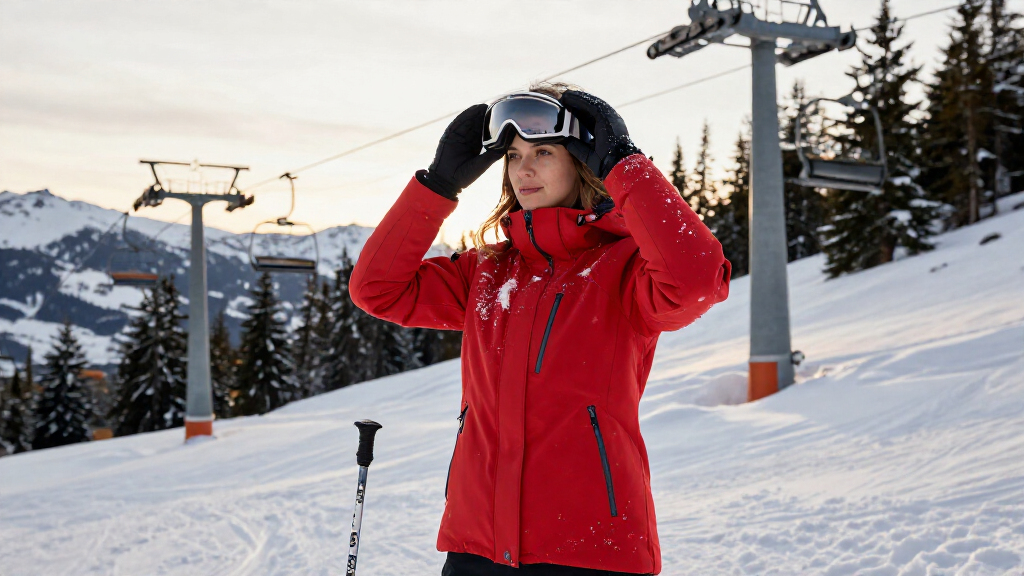

For most resort skiers, I’d start with the Helly Hansen Men’s Alpha LIFALOFT, which pairs insulated warmth with a performance-focused design. The North Face Clement Triclimate stands out for adaptable layering, while the Helly Hansen Alpha 4.0 is a strong choice for skiers who want a more feature-rich jacket. The main tradeoff is between built-in insulation for easy warmth and a shell or 3-in-1 setup that handles changing conditions with more flexibility. Fit, ventilation, and the amount of time you spend on lifts matter as much as headline waterproofing claims. Read on for the full comparison and guidance on matching a premium jacket to your skiing style.

Get your wardrobe favorites delivered free with Prime
- Fast, free delivery on millions of items
- Prime Video, Amazon Music and more included
- Member-only deals all year
Key Takeaways
- The Helly Hansen Alpha LIFALOFT is my best overall pick for skiers seeking a balance of insulation and resort-focused performance, rather than the simplest or most modular setup.
- The North Face Clement Triclimate offers the clearest layering flexibility among these picks; its 3-in-1 format suits changing weather, but can feel less streamlined than a dedicated ski jacket.
- Several jackets prioritize warmth through built-in insulation, including options from Spyder and Helly Hansen, which can simplify cold lift rides but offer less freedom to tune layers.
- The lineup spans more than one kind of premium purchase: race-oriented, insulated, shell-like, and 3-in-1 designs serve different skiing habits, so a higher-spec jacket is not automatically the better match.
- Fit and intended use deserve close attention: the women’s Alphelia and the Kvitfjell Race Puffy address more specific needs than general-purpose men’s resort models.
| Obermeyer Men’s Raze Waterproof Ski Jacket |  | Best for Active, All-Day Skiing | Fabric: HydroBlock Pro plain weave; 55% polyester and 45% Repreve polyester | Shell: 100% polyester | Lining: 100% nylon | VIEW LATEST PRICE | See Our Full Breakdown |
| Spyder Men’s Vertex Ski Jacket |  | Best for Insulated Warmth | Fabric: 55% recycled polyester, 45% polyester | Insulation: Insulated | Care: Hand wash only | VIEW LATEST PRICE | See Our Full Breakdown |
| Oakley TNP TBT Men’s Insulated Jacket |  | Best for Helmet-Ready, Everyday Resort Use | Fabric: 100% polyester Oxford mechanical stretch | Lining: Three-zone moisture-regulating system | Waterproofing: FN Dry 10K laminate | VIEW LATEST PRICE | See Our Full Breakdown |
| Helly Hansen Men’s Alpha LIFALOFT Insulated Ski Jacket |  | Best for Lightweight Warmth and Slope Safety | Fabric: Polyamide | Insulation: LIFALOFT | Water resistance: Water-resistant exterior for light precipitation | VIEW LATEST PRICE | See Our Full Breakdown |
| Helly Hansen Garibaldi 2.0 Insulated Ski Jacket for Men |  | Best for Full-Feature Storm Protection | Fabric: 100% polyester | Lining: 100% polyamide | Insulation: 100% polyester; 60 g | VIEW LATEST PRICE | See Our Full Breakdown |
| Spyder Men’s Chambers Waterproof Insulated Ski Jacket |  | Best for Wet, Changeable Conditions | Shell: Recycled polyester with EXO Shield 20K/20K waterproof and breathable protection | Insulation: 80 g bio-based Sorona | Water-repellent finish: DWR | VIEW LATEST PRICE | See Our Full Breakdown |
| The North Face Men’s Clement Triclimate 3-in-1 Jacket |  | Best for Layering Versatility | Shell: Seam-sealed waterproof DryVent | Insulation: Heatseeker synthetic insulation; 100 g in body and 80 g in sleeves | Construction: 3-in-1 shell and inner jacket system | VIEW LATEST PRICE | See Our Full Breakdown |
| 686 Men’s Foundation Insulated Hooded Jacket |  | Best for Resort Regulars Seeking a Simpler Build | Waterproofing: 2-layer infiDRY 10K fabric with DWR | Seams: Critically taped Bemis seams | Insulation: InfiLOFT; 60 g in body and sleeves, 40 g in hood | VIEW LATEST PRICE | See Our Full Breakdown |
| Spyder Men’s Rival Winter Jacket Hooded Insulated Waterproof Ski Coat |  | Best for Lightweight Warmth and Pocket Organization | Material: 100% recycled polyester | Waterproofing: 20,000 mm | Breathability: 20,000 g/m²/24h | VIEW LATEST PRICE | See Our Full Breakdown |
| 686 Men’s GLCR Hydra Thermagraph Jacket |  | Best for Active Skiers Who Want Stretch and Body-Mapped Warmth | Fabric: 2-layer infiDRY 20K stretch polyester | Water-repellent finish: DWR | Seams: Fully taped Bemis seams | VIEW LATEST PRICE | See Our Full Breakdown |
| Obermeyer Men’s Foundation Jacket |  | Best for Everyday Resort Versatility | Fabric: 100% polyester | Shell: HydroBlock Pro ripstop | Water-repellent finish: Durable Water-Resistant (DWR) | VIEW LATEST PRICE | See Our Full Breakdown |
| Helly Hansen Men’s Kvitfjell Race Puffy Ski Jacket |  | Best for Built-In Resort Warmth | Shell and lining: 100% polyester | Insulation: 133 g PrimaLoft Black Eco, 100% recycled polyester | Weather protection: HELLY TECH Protection, DWR treatment, critically taped seams | VIEW LATEST PRICE | See Our Full Breakdown |
| Helly Hansen Women’s Alphelia Ski Jacket |  | Best for Stretch and Mobility | Shell: 85% polyamide, 15% elastane | Construction: HELLY TECH Performance 2-layer | Weather protection: Waterproof, breathable, and wind-resistant | VIEW LATEST PRICE | See Our Full Breakdown |
| Helly Hansen Alpha 4.0 Ski Jacket |  | Best Premium Technical Pick | Fabric: 85% polyamide, 15% elastane | Insulation: 80 g PrimaLoft Black Eco | Weather protection: Waterproof, windproof, breathable HELLY TECH Professional | VIEW LATEST PRICE | See Our Full Breakdown |
| premium ski jacket | Insulation | Hood | Fabric | Ventilation |
|---|---|---|---|---|
| Obermeyer Men’s Raze Waterproo | — | Removable, adjustable, and helmet-compatible | HydroBlock Pro plain weave; 55% polyester and 45% Repreve polyester | — |
| Spyder Men’s Vertex Ski Jacket | Insulated | — | 55% recycled polyester, 45% polyester | — |
| Oakley TNP TBT Men’s Insulated | — | Adjustable and helmet-compatible | 100% polyester Oxford mechanical stretch | — |
| Helly Hansen Men’s Alpha LIFAL | LIFALOFT | Adjustable, helmet-compatible, and detachable | Polyamide | Underarm vents |
| Helly Hansen Garibaldi 2.0 Ins | 100% polyester; 60 g | — | 100% polyester | H2Flow |
| Spyder Men’s Chambers Waterpro | 80 g bio-based Sorona | Removable and helmet-compatible | — | Underarm vents with YKK zippers |
| The North Face Men’s Clement T | Heatseeker synthetic insulation; 100 g in body and 80 g in sleeves | Helmet-compatible with rear cord-lock adjustment | — | Underarm vents |
| 686 Men’s Foundation Insulated | InfiLOFT; 60 g in body and sleeves, 40 g in hood | Adjustable and helmet-compatible | — | Mesh-lined Air-Flo underarm vents |
| Spyder Men’s Rival Winter Jack | 80 g lightweight bio-based insulation | Removable and helmet-compatible | — | Underarm ventilation system |
| 686 Men’s GLCR Hydra Thermagra | 140 g Thermagraph body-mapped insulation; 85% recycled | Adjustable and helmet-compatible | 2-layer infiDRY 20K stretch polyester | Vader vents and mesh-lined underarm vents |
| Obermeyer Men’s Foundation Jac | — | Removable, helmet compatible, two-way adjustable | 100% polyester | — |
| Helly Hansen Men’s Kvitfjell R | 133 g PrimaLoft Black Eco, 100% recycled polyester | — | — | Mechanical ventilation zippers |
| Helly Hansen Women’s Alphelia | 100% polyester | — | — | — |
| Helly Hansen Alpha 4.0 Ski Jac | 80 g PrimaLoft Black Eco | Detachable, adjustable, helmet compatible | 85% polyamide, 15% elastane | — |
More Details on Our Top Picks
Obermeyer Men’s Raze Waterproof Ski Jacket
The Raze is my pick for skiers who want a capable waterproof shell with insulation, without the bulk of a heavier jacket. Its 15K HydroBlock Pro protection, critically sealed seams, and YKK AquaGuard zippers give it a stronger stated weather-protection profile than the Oakley TNP TBT’s 10K laminate. Two-way stretch and articulated sleeves help the jacket move with you, while ventilation offers another way to manage heat on strenuous runs. A powder skirt, removable helmet-compatible hood, and dedicated pass and goggle pockets round out its mountain-focused setup.
The tradeoff is warmth: its lightweight insulation may not suit skiers who run cold or spend long periods riding lifts in severe weather. Compared with the more fully insulated Spyder Vertex, the Raze puts more emphasis on mobility and ventilation. It also needs machine washing and low-heat tumble drying, rather than a simpler care routine.
Pros:- 15K waterproof protection with critically sealed seams and water-resistant YKK AquaGuard zippers
- Two-way stretch and articulated sleeves support movement
- Ventilation helps manage warmth during active skiing
- Removable helmet-compatible hood, powder skirt, and useful mountain pockets
Cons:- Lightweight insulation may provide less warmth than more heavily insulated options such as the Spyder Vertex
- Care requires machine washing and low-heat tumble drying
Best for: Active resort skiers who want stretch, adjustable ventilation, and strong stated waterproof protection in a lightly insulated jacket.
Not ideal for: Skiers who run cold, prioritize heavier insulation, or want a jacket specifically described for sustained severe-weather warmth.
- Fabric:HydroBlock Pro plain weave; 55% polyester and 45% Repreve polyester
- Shell:100% polyester
- Lining:100% nylon
- Waterproof protection:15K
- Stretch:Two-way
- Hood:Removable, adjustable, and helmet-compatible
- Center back length:29.5 inches
- Construction:Skier Critical seam sealing; YKK AquaGuard zippers; PFAS-free
Our verdict“Choose the Raze if mobility and robust stated waterproofing matter more to you than maximum insulation.”
Spyder Men’s Vertex Ski Jacket
The Vertex earns a place for buyers who put insulated warmth and on-mountain protection ahead of a long list of specified technical details. Its lightweight construction is intended to keep the jacket from feeling cumbersome, a useful balance for resort skiers who want insulation but still need to move freely. The fabric blend includes 55% recycled polyester, giving it a recycled-material component without changing its straightforward insulated-jacket role.
Compared with the Obermeyer Raze, the Vertex is the more direct choice for shoppers focused on insulation; the Raze provides clearer published information about waterproof protection, seam sealing, stretch, and ventilation. That limited specification detail makes the Vertex harder to match to demanding wet conditions. Care is another tradeoff: it requires hand washing, unlike the Raze’s machine-wash instructions. I’d choose it for warmth-focused resort use, not when precise weather-performance specifications are the deciding factor.
Pros:- Insulation is designed to provide warmth without excessive bulk
- Lightweight construction supports comfortable movement
- Made with 55% recycled polyester
- Designed for on-mountain warmth and protection
Cons:- Hand wash only
- Provided specifications do not state a waterproof rating or seam-sealing details
Best for: Resort skiers seeking an insulated jacket with a lightweight feel and who are comfortable hand washing their outerwear.
Not ideal for: Buyers who need clearly stated waterproof ratings, detailed weatherproof construction, or machine-washable care.
- Fabric:55% recycled polyester, 45% polyester
- Insulation:Insulated
- Care:Hand wash only
- Origin:Imported
Our verdict“Pick the Vertex if insulated comfort is your priority and you do not need the Raze’s more detailed waterproof specifications.”
Oakley TNP TBT Men’s Insulated Jacket
The TNP TBT suits resort skiers who want insulation and practical weather protection in a relatively straightforward package. Its FN Dry 10K laminate, O Protect DWR treatment, and taped critical seams provide defined protection details, while a three-zone lining is designed to manage moisture and warmth. The adjustable, helmet-compatible hood makes it easy to adapt coverage on the hill, and the waterproof chest pocket gives a more secure place for small essentials than a standard exposed pocket.
Against the Obermeyer Raze, the Oakley has a lower stated waterproof rating and less complete seam taping, while the Raze also specifies stretch and ventilation. The TNP TBT’s advantage is its emphasis on a moisture-regulating lining and an insulated setup. The major catch is dry-clean-only care, which is less convenient than the Raze’s machine-wash instructions. I’d skip it if easy maintenance or stronger published waterproof protection matters most.
Pros:- FN Dry 10K laminate paired with O Protect DWR treatment
- Three-zone lining is designed to manage moisture and warmth
- Adjustable hood fits over a helmet
- Waterproof zip chest pocket protects small stored items
Cons:- Dry clean only
- Seams are taped only in critical areas
- Its stated 10K waterproofing is below the Raze’s 15K rating
Best for: Resort skiers who want an insulated jacket with a helmet-compatible hood, defined 10K protection, and a waterproof chest pocket.
Not ideal for: Frequent skiers seeking easy-care outerwear, full seam taping, or a higher stated waterproof rating than 10K.
- Fabric:100% polyester Oxford mechanical stretch
- Lining:Three-zone moisture-regulating system
- Waterproofing:FN Dry 10K laminate
- Treatment:O Protect DWR
- Seams:Taped in critical areas
- Hood:Adjustable and helmet-compatible
- Pocket:Waterproof zip chest pocket
- Care:Dry clean only
Our verdict“Choose the TNP TBT for its insulated, helmet-ready resort setup if dry-clean-only care is acceptable.”
Helly Hansen Men’s Alpha LIFALOFT Insulated Ski Jacket
The Alpha LIFALOFT is the light-insulation choice for skiers who value mobility and slope-oriented details. Its LIFALOFT insulation is designed to add warmth without much bulk, while underarm vents let you release heat when the pace picks up. A detachable, helmet-compatible hood and powder skirt help adjust coverage, and the RECCO reflector adds a findability feature for mountain use. The LIFE POCKET+ is intended to help protect phone function in cold conditions.
This jacket has a clear weather limitation: its exterior is described as water-resistant for light precipitation, not as a waterproof shell. That makes it less suited to wet or prolonged storm conditions than the Obermeyer Raze, which has a stated 15K waterproof rating. The Alpha’s lighter insulation and ventilation may appeal to active skiers, but buyers seeking more complete weather protection should look elsewhere. Hand washing also takes more effort than the Raze’s machine-wash care.
Pros:- LIFALOFT insulation is designed to add warmth without much bulk
- Underarm vents help release excess heat during activity
- RECCO reflector supports findability on the slopes
- Helmet-compatible detachable hood, powder skirt, and LIFE POCKET+ add ski-specific utility
Cons:- Exterior is described as water-resistant for light precipitation rather than waterproof
- Hand wash only
Best for: Active resort skiers in relatively mild or dry conditions who want low-bulk insulation, ventilation, and a RECCO reflector.
Not ideal for: Skiers regularly facing heavy snow or wet weather, or anyone who needs a clearly specified waterproof shell.
- Fabric:Polyamide
- Insulation:LIFALOFT
- Water resistance:Water-resistant exterior for light precipitation
- Hood:Adjustable, helmet-compatible, and detachable
- Safety feature:RECCO Advanced Rescue system
- Pockets:Ski pass pocket and LIFE POCKET+ phone pocket
- Ventilation:Underarm vents
- Care:Hand wash only
Our verdict“Choose the Alpha LIFALOFT for lightweight warmth and slope-focused features in conditions that do not demand a waterproof shell.”
Helly Hansen Garibaldi 2.0 Insulated Ski Jacket for Men
The Garibaldi 2.0 is the strongest fit here for skiers who want an insulated jacket built around a waterproof, windproof, breathable two-layer construction. Its relaxed fit leaves room for layering, while 60 g polyester insulation adds warmth for resort days. H2Flow ventilation helps manage temperature, and ski-focused details include a powder skirt, helmet-compatible hood, thumbhole cuffs, ski pass pocket, and RECCO transponder. The LIFE POCKET+ is designed to help keep a phone functioning in cold conditions.
Compared with the Helly Hansen Alpha LIFALOFT, the Garibaldi 2.0 is the more weather-protective option; the Alpha is described only as water-resistant for light precipitation. The tradeoff is a more relaxed, insulated build that may feel less streamlined than the Obermeyer Raze, which emphasizes stretch and articulated movement. Its care routine also calls for prompt removal from the washer and tumble drying to reactivate water repellency, so it asks more attention than a simple wash-and-hang approach.
Pros:- Waterproof, windproof, breathable two-layer construction
- H2Flow ventilation helps regulate temperature
- Relaxed fit accommodates layers
- RECCO, LIFE POCKET+, powder skirt, and ski pass pocket provide useful mountain features
Cons:- Relaxed fit may feel too roomy for skiers who prefer a streamlined cut
- Care instructions call for prompt washer removal and tumble drying to reactivate water repellency
Best for: Resort skiers who want a relaxed fit, insulation, specified waterproof and windproof construction, and a full set of ski-focused features.
Not ideal for: Skiers who prefer a close athletic cut, minimal insulation, or low-maintenance care without tumble drying.
- Fabric:100% polyester
- Lining:100% polyamide
- Insulation:100% polyester; 60 g
- Construction:2-layer
- Fit:Relaxed
- Ventilation:H2Flow
- Ski features:RECCO transponder, LIFE POCKET+, ski pass pocket, powder skirt, helmet-compatible hood, and elastic cuffs with thumbholes
- Origin:Imported
Our verdict“Pick the Garibaldi 2.0 if you want an insulated, relaxed-fit jacket with more complete stated weather protection than the Alpha LIFALOFT.”
Spyder Men’s Chambers Waterproof Insulated Ski Jacket
The Chambers makes the most sense for skiers who prioritize weather protection without a heavy-feeling insulated build. Its EXO Shield 20K/20K shell, DWR finish, and waterproof zippers are suited to wet snow, while 80 g of bio-based Sorona insulation adds warmth without the bulk of a heavier setup. Underarm vents help release heat on active runs, and the powder skirt, thumbhole cuffs, and adjustable hem close off common entry points for snow.
Compared with the 686 GLCR Hydra Thermagraph, the Chambers offers a simpler insulation approach rather than body-mapped warmth and stretch construction. Its removable helmet-compatible hood adds flexibility, though removing or reattaching it is less convenient than an integrated hood. I would choose it for strong shell protection and practical storage, but shoppers who need a stated temperature range or detailed fit guidance will find the available information limited.
Pros:- EXO Shield 20K/20K protection suits wet snow and rain.
- 80 g Sorona insulation adds warmth without a bulky feel.
- Underarm vents and a removable helmet-compatible hood adapt to changing conditions.
- Includes a powder skirt, thumbhole cuffs, and dedicated goggle and data-card storage.
Cons:- The hood must be detached when a fixed-hood design is preferred.
- No temperature rating or sizing details are provided.
- The insulation is a fixed, moderate-weight layer rather than a removable liner.
Best for: Skiers who often ride in wet snow or variable weather and want substantial waterproofing with moderate insulation.
Not ideal for: Buyers who need a published temperature rating, detailed sizing guidance, or a hood that stays permanently attached.
- Shell:Recycled polyester with EXO Shield 20K/20K waterproof and breathable protection
- Insulation:80 g bio-based Sorona
- Water-repellent finish:DWR
- Zippers:YKK Aquaguard
- Hood:Removable and helmet-compatible
- Ventilation:Underarm vents with YKK zippers
- Snow protection:Fixed powder skirt, interior stretch cuffs with thumbholes, adjustable cuffs, and drawcord hem
- Pockets:Chest, hand, internal zippered, RFID data-card, and mesh goggle pockets
- PFAS:Produced without PFAS chemicals
Our verdict“Choose the Chambers if wet-weather protection and moderate built-in warmth matter more than a removable liner or published temperature guidance.”
The North Face Men’s Clement Triclimate 3-in-1 Jacket
The Clement Triclimate earns its place through adaptability: wear the waterproof DryVent shell and insulated inner jacket together, or separate them when conditions call for less warmth or a standalone layer. That setup gives it a wider range of uses than the fixed-insulation Spyder Chambers, which is more straightforward for skiers who want one jacket ready to go. The seam-sealed shell, powder skirt, and underarm vents keep the design focused on mountain use rather than everyday layering alone.
Heatseeker insulation is listed at 100 g in the body and 80 g in the sleeves, while ten pockets provide room for pass, goggle, and other essentials. The tradeoff is added system complexity: two pieces can mean more bulk and more fit adjustment than a single insulated jacket. Its regular fit may also feel restrictive over bulky midlayers, and no temperature rating is supplied. I would pick it for flexible use across changing conditions, not for the lightest, simplest setup.
Pros:- Shell and insulated inner jacket can be worn together or separately.
- Seam-sealed waterproof shell includes underarm vents.
- Helmet-compatible hood and powder skirt provide snow-focused coverage.
- Ten pockets include a wrist pass pocket with a built-in goggle wipe.
Cons:- The two-piece system can add bulk compared with a single insulated jacket.
- Regular fit may limit room for thick layers.
- No temperature rating is provided.
Best for: Skiers who want one jacket system that can cover cold days, milder weather, and shell-only use.
Not ideal for: Riders who prefer a lightweight single-piece jacket or need extra room for bulky midlayers.
- Shell:Seam-sealed waterproof DryVent
- Insulation:Heatseeker synthetic insulation; 100 g in body and 80 g in sleeves
- Construction:3-in-1 shell and inner jacket system
- Fit:Regular
- Hood:Helmet-compatible with rear cord-lock adjustment
- Ventilation:Underarm vents
- Snow protection:Snap-down powder skirt, adjustable cuffs, and cinch-cord hem
- Pockets:10, including a wrist pass pocket with built-in goggle wipe
- Water-repellent finish:Non-PFC DWR
Our verdict“Choose the Clement if you want a versatile shell-and-insulator system; skip it if you value a streamlined, single-layer jacket more.”
686 Men’s Foundation Insulated Hooded Jacket
The Foundation is a practical choice for resort skiers who want built-in warmth and useful mountain details without stepping up to the higher waterproof rating of the 686 GLCR Hydra Thermagraph. Its 2-layer infiDRY 10K fabric and critically taped seams provide weather protection for typical resort days, while body-mapped InfiLOFT insulation adds warmth where specified. Underarm vents offer a way to shed heat during hard skiing, and the pass, phone, goggle, and stash pockets help keep gear organized.
The modern fit, helmet-compatible hood, and adjustable powder skirt give it a more mountain-focused setup than a basic insulated coat. In comparison with the Hydra, though, the Foundation has a lower stated waterproof rating and does not list stretch fabric or the same 20K protection. Its insulation is also lighter in the hood than in the body and sleeves. I would favor it for day-to-day resort use, but not for buyers who regularly face prolonged, very wet conditions.
Pros:- 2-layer infiDRY fabric and critically taped seams provide weather protection.
- Body-mapped InfiLOFT insulation pairs with underarm vents for adjustable comfort.
- Helmet-compatible hood and adjustable powder skirt suit resort skiing.
- Storage includes phone, goggle, stash, and sleeve-pass pockets.
Cons:- Its 10K waterproof rating is lower than the 20K rating on the 686 GLCR Hydra.
- The hood has 40 g insulation, less than the body and sleeves.
- The description gives no temperature rating.
Best for: Resort skiers who want a moderately insulated jacket with dedicated pass, phone, and goggle storage.
Not ideal for: Skiers who spend long days in heavy wet snow and want the stronger stated waterproof rating of a 20K shell.
- Waterproofing:2-layer infiDRY 10K fabric with DWR
- Seams:Critically taped Bemis seams
- Insulation:InfiLOFT; 60 g in body and sleeves, 40 g in hood
- Ventilation:Mesh-lined Air-Flo underarm vents
- Fit:Modern fit
- Hood:Adjustable and helmet-compatible
- Pockets:Internal smartphone pocket with audio cord outlet, goggle and stash pockets, sleeve pass pocket, and front hand pockets
- Snow protection:Adjustable powder skirt, cuffs, and hem; inner thumb grips
- Sizes:Small to XX-Large
Our verdict“Choose the Foundation for everyday resort skiing and organized storage, but look to a higher-rated shell for frequent wet-weather use.”
Spyder Men’s Rival Winter Jacket Hooded Insulated Waterproof Ski Coat
The Rival is a close alternative to the Spyder Chambers, pairing a recycled-polyester shell with a 20,000 mm waterproof rating, 20,000 g/m²/24h breathability, and 80 g of bio-based insulation. That combination suits skiers who want warmth and weather protection without moving to a heavier-feeling jacket. Underarm ventilation and stretch cuffs with thumbholes help manage heat and keep snow from creeping inside, while the powder skirt and drawcord hem complete the coverage.
Its strongest practical distinction is storage: chest and hand pockets are joined by internal, data-card, and mesh goggle pockets. The supplied details do not identify the shell as EXO Shield or name Aquaguard zippers, unlike the Chambers, so I would not assume the two models have identical construction beyond their shared headline ratings and features. The removable helmet-compatible hood is flexible, but can be a nuisance when weather changes quickly. Choose the Rival for its organized pockets and light insulation; skip it if a fixed hood is a priority.
Pros:- 20,000 mm waterproofing and 20,000 g/m²/24h breathability suit demanding snow conditions.
- 80 g bio-based insulation adds warmth without a bulky build.
- Multiple secure pockets include data-card and mesh goggle storage.
- Underarm vents, powder skirt, thumbhole cuffs, and drawcord hem support on-slope use.
Cons:- The removable hood takes extra steps to attach or detach.
- No temperature rating or sizing details are provided.
- The description does not specify the shell technology or zipper model.
Best for: Skiers who want a lightweight insulated jacket with 20K weather protection and dedicated storage for goggles and a data card.
Not ideal for: Riders who want a fixed hood or need more published construction and sizing detail before choosing.
- Material:100% recycled polyester
- Waterproofing:20,000 mm
- Breathability:20,000 g/m²/24h
- Insulation:80 g lightweight bio-based insulation
- Hood:Removable and helmet-compatible
- Ventilation:Underarm ventilation system
- Pockets:Chest, hand, internal zippered, data-card, and mesh goggle pockets
- Fit adjustments:Powder skirt with snaps, stretch cuffs with thumbholes, and drawcord hem
- PFAS:Made without PFAS chemicals
Our verdict“Pick the Rival for lightweight 20K protection and useful storage, especially if a removable hood works for your routine.”
686 Men’s GLCR Hydra Thermagraph Jacket
The GLCR Hydra Thermagraph is the most movement-focused option in this group. Its 2-layer infiDRY 20K stretch fabric and fully taped seams combine substantial stated weather protection with flexibility, while articulated fit supports a freer feel during turns and active riding. Thermagraph body-mapped insulation places warmth within a design that also has underarm vents, giving this jacket a more technical, activity-ready approach than the simpler fixed insulation in the Spyder Chambers or Rival.
The 85% recycled insulation and dedicated phone-heater pocket add useful details, and the helmet-compatible hood and powder skirt round out its snow coverage. The tradeoff is a two-layer construction rather than a more heavily layered build, so buyers seeking maximum shell structure may prefer another design. Its features may also be more than a casual resort skier needs. I would choose the Hydra for an active fit and stretch, not simply for warmth at a lift line.
Pros:- 20K infiDRY stretch fabric and fully taped seams provide weather protection with mobility.
- Articulated fit supports movement on turns and varied terrain.
- Body-mapped insulation is 85% recycled.
- Includes underarm vents, a helmet-compatible hood, powder skirt, and phone-heater pocket.
Cons:- Two-layer construction may feel less protective or structured than a more heavily layered jacket.
- Its technical feature set may be unnecessary for less active resort use.
- No temperature rating is provided.
Best for: Active resort skiers and riders who value stretch, articulated movement, and body-mapped insulation in a 20K jacket.
Not ideal for: Casual skiers seeking a simple, low-feature jacket or buyers who prefer a more heavily layered construction.
- Fabric:2-layer infiDRY 20K stretch polyester
- Water-repellent finish:DWR
- Seams:Fully taped Bemis seams
- Insulation:140 g Thermagraph body-mapped insulation; 85% recycled
- Ventilation:Vader vents and mesh-lined underarm vents
- Hood:Adjustable and helmet-compatible
- Fit:Articulated
- Pockets:Phone-heater pocket, internal goggle and stash pockets, sleeve pass pocket, and front hand pockets
- Sizes:Small to XX-Large
Our verdict“Choose the Hydra if you want a flexible, movement-oriented 20K jacket with mapped insulation rather than a simpler insulated coat.”
Obermeyer Men’s Foundation Jacket
The Obermeyer Men’s Foundation is the straightforward pick for skiers who want a flexible shell-style jacket rather than the substantial built-in insulation of the Helly Hansen Kvitfjell Race Puffy. Its HydroBlock Pro ripstop shell, DWR finish, and skier-critical seam sealing are aimed at changing mountain weather, while the regular fit leaves room to move and layer. The removable, helmet-compatible hood also makes it easier to adapt the jacket to different conditions. Its main limitation is that the supplied details describe the DWR as shedding light moisture, not a waterproof rating, so I would favor a more explicitly waterproof option for sustained wet conditions. Hand-wash-only care is another drawback for frequent resort use. This is the less insulated, more adaptable choice beside the Kvitfjell, but not the strongest pick for cold-weather warmth.
Pros:- HydroBlock Pro ripstop shell is designed for changing mountain weather
- DWR finish sheds light moisture and helps the fabric dry quickly
- Regular fit supports movement and room for layers
- Removable, two-way adjustable hood fits over a helmet
Cons:- Hand-wash-only care is inconvenient for frequent use
- The supplied description specifies shedding light moisture but gives no waterproof rating
Best for: Resort skiers who prefer a regular-fit jacket for changing conditions and plan to adjust warmth with layers.
Not ideal for: Skiers who need substantial built-in insulation or a clearly specified waterproof rating for frequent wet-weather days.
- Fabric:100% polyester
- Shell:HydroBlock Pro ripstop
- Water-repellent finish:Durable Water-Resistant (DWR)
- Seam sealing:Skier-critical seam sealing tape
- Fit:Regular
- Hood:Removable, helmet compatible, two-way adjustable
- Care:Hand wash only
Our verdict“Choose the Foundation if you want a layer-friendly resort jacket with a removable helmet-compatible hood, but look to the Kvitfjell for more built-in warmth.”
Helly Hansen Men’s Kvitfjell Race Puffy Ski Jacket
For cold resort days, the Kvitfjell Race Puffy makes a clearer case for warmth than the layer-friendly Obermeyer Men’s Foundation: its 133 g PrimaLoft Black Eco insulation supplies heat without relying on extra layers. Ski-specific details add practical value, including mechanical ventilation for releasing excess heat, an adjustable powder skirt, and a helmet-compatible hood. A LIFE POCKET is designed to help preserve phone battery life in the cold, while RECCO reflectors add a rescue-search feature. The tradeoff is focus: this jacket is built around skiing, so it is less adaptable for everyday use than a simpler shell. The supplied specifications also give no waterproof rating, despite the HELLY TECH Protection shell and critically taped seams. I would choose it over the Foundation for insulation and resort features, but not if a stated waterproof rating is a must.
Pros:- 133 g PrimaLoft Black Eco insulation adds warmth for cold resort conditions
- Mechanical ventilation helps release heat during active skiing
- Adjustable powder skirt and helmet-compatible hood support ski use
- LIFE POCKET, ski pass pocket, and goggle-wipe chest pocket offer targeted storage
Cons:- Ski-focused design may be less useful for everyday wear
- No waterproof rating is specified in the supplied product details
- Insulation may feel warmer than needed during high-output activity
Best for: Resort skiers who get cold easily and want synthetic insulation, ventilation, and ski-specific storage in one jacket.
Not ideal for: Buyers seeking a versatile everyday winter jacket or a model with a clearly stated waterproof rating.
- Shell and lining:100% polyester
- Insulation:133 g PrimaLoft Black Eco, 100% recycled polyester
- Weather protection:HELLY TECH Protection, DWR treatment, critically taped seams
- Ventilation:Mechanical ventilation zippers
- Safety feature:RECCO reflectors
- Hood and snow protection:Helmet-compatible hood and adjustable powder skirt
- Pockets:Ski pass pocket, goggle-wipe chest pocket, phone holder
- Zippers:YKK VISLON AquaGuard
Our verdict“Pick the Kvitfjell over the Obermeyer Foundation when built-in warmth and resort-specific features matter more than versatility.”
Helly Hansen Women’s Alphelia Ski Jacket
The Women’s Alphelia suits skiers who value freedom of movement without giving up built-in warmth or weather protection. Its four-way stretch shell and articulated sleeves support a more mobile feel than the insulated Kvitfjell Race Puffy, while the waterproof, wind-resistant HELLY TECH Performance 2-layer construction offers a more clearly specified wet-weather proposition than the Obermeyer Men’s Foundation. Lightweight synthetic insulation, wrist gaiters, and an adjustable powder skirt help cover the practical needs of resort skiing. Underarm vents give skiers a way to shed heat, and dedicated goggle and ski-pass pockets keep essentials close. The main compromise is care: the instructions rule out soaking and fabric softener and call for tumble drying until completely dry. I would choose it for mobility, not for the simplest laundry routine.
Pros:- Waterproof, breathable, and wind-resistant HELLY TECH Performance construction
- Four-way stretch supports movement on the slopes
- Lightweight synthetic insulation adds warmth without a heavier feel
- Underarm vents, wrist gaiters, and ski-specific pockets support resort use
Cons:- Care instructions require tumble drying until completely dry
- Fabric softener and soaking are not recommended
- Insulation weight is not specified in the supplied product details
Best for: Women resort skiers who want waterproof protection, lightweight insulation, and stretch for active movement.
Not ideal for: Skiers who want low-maintenance garment care or a jacket with more detailed insulation weight specifications.
- Shell:85% polyamide, 15% elastane
- Construction:HELLY TECH Performance 2-layer
- Weather protection:Waterproof, breathable, and wind-resistant
- Insulation:100% polyester
- Fabric stretch:4-way stretch
- Hood and snow protection:Detachable hood and adjustable powder skirt
- Ski features:Underarm ventilation, wrist gaiters, goggle pocket, ski pass pocket, RECCO transponder
- Care:Close zippers before washing; do not soak or use fabric softener; dry inside out and tumble dry until completely dry
Our verdict“Choose the Alphelia if you want a women’s ski jacket that pairs specified waterproof protection with stretch and mobility, and you are comfortable following detailed care instructions.”
Helly Hansen Alpha 4.0 Ski Jacket
The Helly Hansen Alpha 4.0 is the most technically specified option here for skiers who want weather protection and active temperature control in a single insulated jacket. Its fully seam-sealed HELLY TECH Professional construction is explicitly waterproof, windproof, and breathable—a more complete stated weather-protection package than the Kvitfjell Race Puffy details provide. The Alpha pairs 80 g PrimaLoft Black Eco insulation with H2Flow ventilation, helping balance warmth and heat release as effort changes. Four-way stretch, an articulated fit, a stretch powder skirt, and wrist gaiters support movement and snow coverage; the LIFE POCKET and RECCO technology add useful ski-day functions. The tradeoff is specialization: compared with the more versatile Obermeyer Foundation, this jacket carries more dedicated ski features that casual winter wearers may not need. Its technical finish also calls for following the machine-wash instructions.
Pros:- Fully seam-sealed HELLY TECH Professional fabric is waterproof, windproof, and breathable
- H2Flow ventilation and 80 g insulation help manage changing activity levels
- Four-way stretch and articulated fit support movement
- LIFE POCKET, RECCO technology, powder skirt, and wrist gaiters add ski-focused utility
Cons:- Specialized ski features may be unnecessary for casual winter wear
- Machine-wash care requires following the supplied instructions to maintain the technical finish
Best for: Frequent skiers who want specified waterproof protection, adjustable ventilation, and technical features for long days on the mountain.
Not ideal for: Casual winter users who do not need ski-specific details or buyers who want a simple, low-fuss everyday jacket.
- Fabric:85% polyamide, 15% elastane
- Insulation:80 g PrimaLoft Black Eco
- Weather protection:Waterproof, windproof, breathable HELLY TECH Professional
- Seam construction:Fully seam-sealed with durable water-repellent finish
- Temperature regulation:H2Flow system with ventilation openings
- Fit and stretch:Articulated fit with 4-way stretch fabric
- Hood:Detachable, adjustable, helmet compatible
- Ski and safety features:LIFE POCKET, RECCO technology, ski pass pocket, stretch powder skirt, wrist gaiters with thumb holes
- Materials and care:Contains Ocean Bound recycled materials; bluesign certified; machine wash
Our verdict“Choose the Alpha 4.0 over the Kvitfjell if you want an explicitly waterproof technical shell paired with insulation and active ventilation.”
How We Picked
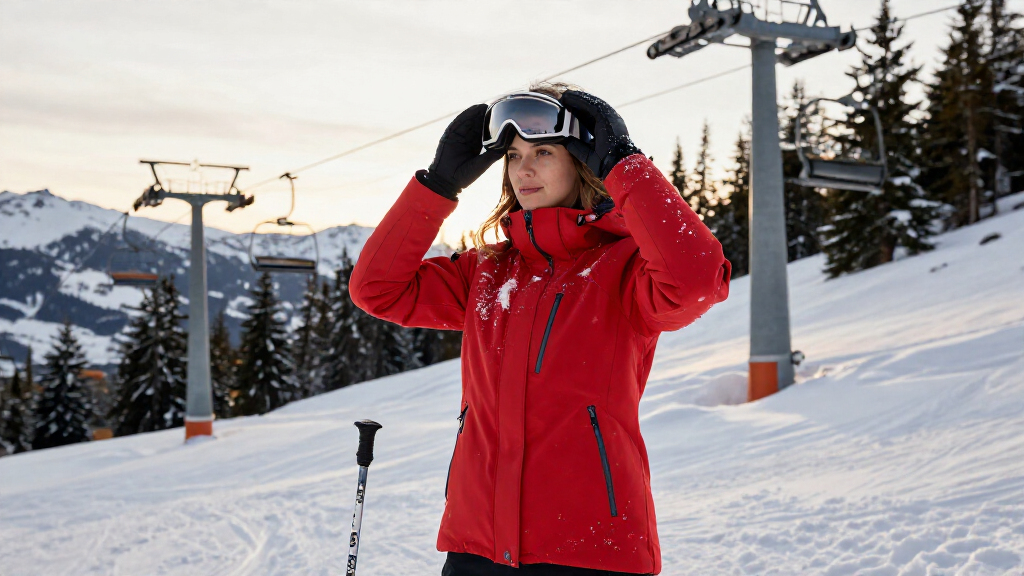
I compared these jackets around the decisions that matter during a ski day: weather protection, insulation strategy, mobility, ventilation, and practical resort features. I also weighed versatility, since a jacket that works across a wider range of temperatures may suit more buyers than one optimized for a narrower use. Product names and stated design details guided the comparison; I did not treat every model as interchangeable just because it is marketed for skiing.
The ranking gives priority to all-around usefulness for resort skiing, then recognizes designs with a clear advantage for particular buyers. The Alpha LIFALOFT leads for its balance of warmth and performance intent; the Clement ranks highly for modularity, while race-focused and heavily insulated options make more sense for narrower preferences. Value here means useful capability for the intended buyer, not a claim about price. I also account for tradeoffs: insulation can limit layering flexibility, modular systems add pieces to manage, and specialized cuts may be less suitable for everyday resort use.
Factors to Consider When Choosing Best Premium Ski Jackets
Premium ski jackets differ most in how they handle warmth, weather changes, and movement—not in how many features appear on a label. I’d choose by matching the jacket’s design to the conditions and habits you actually have, then check fit and compatibility with your other layers.
Choose Insulation Around Your Usual Conditions
Built-in insulation is convenient when you ski in reliably cold weather or spend long stretches riding lifts. It reduces the need to build warmth from several layers, but can feel stuffy during high-output skiing or on mild days. A lighter jacket or shell gives you more control through midlayers, at the cost of requiring a more deliberate clothing system. A common mistake is choosing the warmest option based on the coldest day you might encounter. Think instead about your typical resort conditions and whether you tend to run warm or cold. If your season includes a wide range of temperatures, flexibility may matter more than maximum insulation.
Decide Whether Modularity Is Worth the Extra Bulk
A 3-in-1 jacket gives you a shell and an insulating layer that can be worn together or separately, which is useful when weather shifts across a trip. That flexibility also means more pieces to pack, dry, and manage, and the combined fit may feel bulkier than a single-purpose jacket. Separate shell and midlayer systems can offer similar adaptability but require careful compatibility and layering choices. Buyers sometimes pay for versatility they rarely use, then default to wearing the pieces together every day. Consider whether you ski across changing climates, travel often, or mainly visit one cold resort. A fixed-insulation jacket can be the simpler choice when your needs stay consistent.
Check Fit in a Skiing Position
A jacket should allow reaching forward, bending, and lifting your arms without pulling at the hem or constricting the shoulders. Try it with the midlayer you expect to wear, since a comfortable shop fit can become tight once insulation is added. A very loose cut can leave excess fabric that catches on gear, while a close fit may restrict movement or limit layering. Sleeve length and hood coverage matter too, especially when wearing gloves and a helmet. Do not rely on a size label alone; compare the brand’s measurements and intended fit. For a women’s-specific model such as the Alphelia, check the cut against your preferred layering volume rather than assuming every women’s jacket fits alike.
Look Beyond Waterproof Labels
Water resistance depends on the complete garment, including seams, closures, hood design, and how well cuffs meet gloves. A waterproof rating alone does not tell you how comfortable the jacket will feel during sustained effort. Ventilation, such as usable pit zips, can prevent sweat from building up inside when you are working hard. Moisture trapped under a jacket can leave you colder later, even if the outer fabric keeps snow out. Check whether the hood fits over your helmet and whether pockets remain accessible with a pack or lift pass. These details can make a larger difference over a full day than a small change in a fabric specification.
Match Features to Your Actual Ski Routine
Resort skiers often benefit from a powder skirt, secure pass storage, and pockets that remain easy to reach in gloves. Those details matter less to someone who prioritizes a clean, light setup or skis mostly in mild weather. Race-oriented designs can suit skiers who value a more athletic feel, but may not be the most convenient choice for casual all-day resort use. Also check whether the jacket’s pockets fit your usual items; extra storage is not helpful if it interferes with a harness or backpack. Make a short list of features you will use every session before choosing a highly equipped model. This keeps you from carrying unnecessary bulk for features that sound appealing only on paper.
Plan for Care and Long-Term Use
Performance fabrics need appropriate cleaning to preserve their water-shedding behavior, so read the care label before buying. Frequent use, sunscreen, and body oils can affect face fabrics and coatings over time. Avoid assuming that a premium jacket needs no maintenance; dirt and residue can reduce performance even when the garment still looks serviceable. Check whether care instructions fit your routine and whether the jacket’s construction makes routine cleaning straightforward. If you ski often, durability and easy upkeep may matter more than a longer list of specialized features. A jacket that you can care for consistently is more likely to stay useful across many seasons.
Frequently Asked Questions
Should I choose an insulated ski jacket or a shell?
Choose insulation if you want straightforward warmth for cold resort days and do not want to build a detailed layering system. A shell makes more sense if you already own suitable midlayers, ski in varied temperatures, or tend to overheat while moving. The Clement Triclimate is a middle ground for buyers who want separate pieces in one system, though it adds bulk and extra pieces to manage. Think about your usual weather rather than an occasional extreme day. If you are unsure, prioritize a fit that leaves room for a midlayer without restricting movement.
Is a 3-in-1 jacket a good choice for a ski trip with changing weather?
It can be, especially if you expect cold mornings, warmer afternoons, or mixed conditions across several days. The separate components let you adjust warmth without packing an entirely different jacket. The tradeoff is that the combined setup may feel bulkier, and you need to keep track of multiple pieces. If you mostly ski in one consistently cold climate, a dedicated insulated jacket may feel simpler and more comfortable. Compare how you will use the pieces separately before choosing modularity for its own sake.
What makes a premium ski jacket worth choosing over a basic one?
The difference should be useful performance, not simply a longer feature list. Better weather protection, well-placed ventilation, durable construction, and a fit that works with ski layers can improve comfort over repeated days on snow. Some premium options also specialize in insulation or modular layering, which can suit particular routines. You may not benefit from those upgrades if you ski only occasionally in mild conditions or already have reliable layers. Identify the problems your current setup creates, then choose a jacket that addresses them directly.
How should I choose between the Helly Hansen Alpha LIFALOFT and the Alpha 4.0?
Both suit buyers looking at performance-focused resort jackets, so compare their fit, insulation needs, and feature preferences rather than choosing by name alone. The Alpha LIFALOFT is my all-around pick in this group, while the Alpha 4.0 is a strong alternative for someone seeking a more feature-rich option. If you run warm or want to control your layering, check how each jacket handles ventilation and room for a midlayer. Review current product specifications for the exact season and version, since details can change. Trying both with your usual ski layers is the clearest way to spot differences in mobility and comfort.
Can one ski jacket work for both resort skiing and everyday winter use?
Yes, but a ski-specific cut and features may feel less convenient for daily wear. Powder skirts, technical pockets, and a helmet-compatible hood are useful on the mountain but can add bulk around town. A simpler insulated design may serve as a more versatile winter coat, while a modular jacket can adapt to different temperatures if you are comfortable managing its layers. Consider how often you will wear it away from the slopes and whether the fit works over ordinary clothes. If skiing is the main purpose, prioritize movement and snow protection over streetwear versatility.
Conclusion
For the broadest mix of resort warmth and performance, I’d choose the Helly Hansen Men’s Alpha LIFALOFT as best overall. The North Face Clement Triclimate is my best value in versatility for skiers who will use its separate layers, while the Helly Hansen Alpha 4.0 is my best premium pick for buyers drawn to a more feature-rich performance jacket. Beginners who want an uncomplicated, insulated setup can start by comparing the Spyder Chambers, Spyder Rival, and Obermeyer Raze against their fit and warmth needs. For specific priorities, consider the Kvitfjell Race Puffy for a race-oriented feel, the 686 GLCR Hydra Thermagraph for buyers comparing technical insulation, and the Alphelia for a women’s-specific option. The right choice is the one that matches your typical conditions, layers, and movement—not the jacket with the longest feature list.