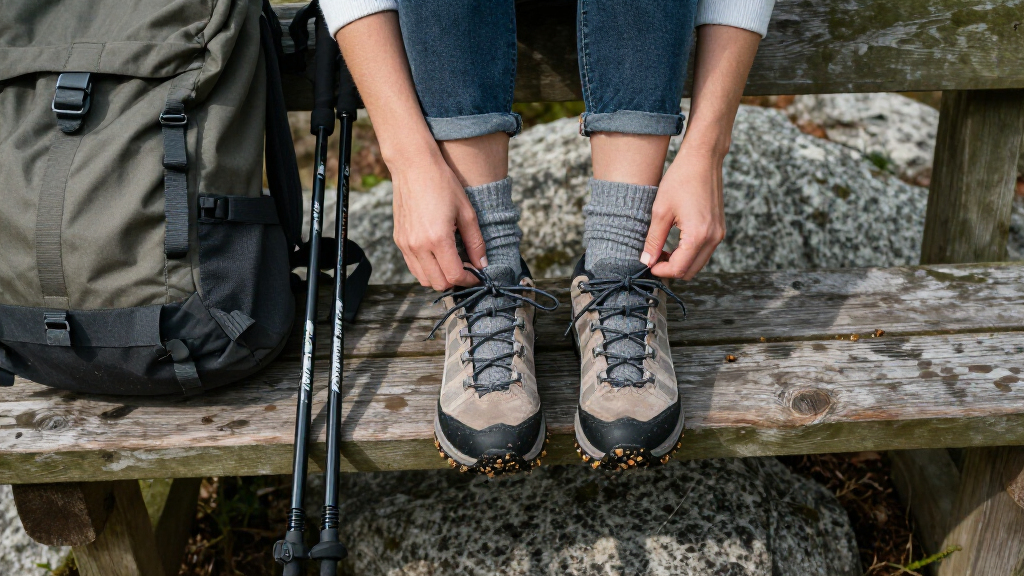

The best hiking sneakers balance trail grip, steady support, and comfort without the bulk of a boot. My best overall pick is the Merrell Women’s Moab 3 Hiking Shoes for its hiking-focused build, while the Brooks Women’s Cascadia 20 suits hikers who prefer a trail-running feel and the Columbia Men’s Transverse Hike Waterproof adds weather protection. The main tradeoff is between lighter, more flexible shoes and sturdier designs that offer more protection or support. Waterproofing can help on wet trails, but may feel warmer and dry more slowly after water gets inside. Read on for how the 15 options compare and which style fits your routes.

Get your wardrobe favorites delivered free — and shop member deals
- Fast, free delivery on millions of items
- Access to Prime Big Deal Days deals on October 6–7
- Prime Video, Amazon Music and more included
Key Takeaways
- The Merrell Moab 3 is my best overall choice because it is built as a hiking shoe, while several other contenders borrow their feel from trail-running designs.
- The Brooks Cascadia 20 and Saucony Excursion TR16 favor a running-shoe approach, which can suit hikers who value a more nimble feel over boot-like structure.
- Waterproof models serve a specific weather need: the Columbia Transverse Waterproof and adidas Terrex Rain.RDY options prioritize wet-condition protection, with less appeal for hot, dry hikes.
- Mid-height designs trade sneaker freedom for added coverage; the adidas Anylander Mid and Columbia Crestwood Mid make more sense when ankle coverage matters to the buyer.
- The lineup spans very different trail needs, from the leather OL OUTJET LEGEND to lightweight trail shoes, so fit, terrain, and weather should guide the choice more than the hiking label.
| adidas Men’s Terrex Eastrail 3 Hiking Shoes – Grey |  | Best Simple Trail Pick | Brand: adidas | Model: Terrex Eastrail 3 | Color: Grey | VIEW LATEST PRICE | See Our Full Breakdown |
| Brooks Women’s Cascadia 20 Trail Running Shoe |  | Best for Wet and Varied Trails | Sole material: Rubber | Outer material: Nylon | Closure: Lace-up | VIEW LATEST PRICE | See Our Full Breakdown |
| adidas Women’s Terrex Rockadia Hiking Shoes |  | Best for Wide Fits | Sole material: Rubber | Outer material: Rubber | Closure: Lace-up | VIEW LATEST PRICE | See Our Full Breakdown |
| Columbia Men’s Transverse Hike Waterproof Hiking Shoe |  | Best Waterproof Hiking Shoe | Brand: Columbia | Gender: Men’s | Sole material: Rubber | VIEW LATEST PRICE | See Our Full Breakdown |
| Brooks Men’s Caldera 8 Ultra Trail Running Shoe |  | Best for Long-Distance Cushioning | Sole material: Rubber | Outer material: Mesh and rubber | Inner material: Synthetic | VIEW LATEST PRICE | See Our Full Breakdown |
| adidas Women’s Terrex Soulstride Rain.RDY Trail Running Shoes |  | Best for Lightweight Trail Runs | Brand: adidas | Model: Terrex Soulstride Rain.RDY | Gender: Women’s | VIEW LATEST PRICE | See Our Full Breakdown |
| adidas Men’s Terrex Anylander Mid Top Rain.Rdy Hiking Shoes |  | Best for Wet-Weather Coverage | Weight: 390 g (US size 9) | Waterproofing: RAIN.RDY membrane | Midsole: EVA | VIEW LATEST PRICE | See Our Full Breakdown |
| Columbia Women’s Konos TRS Trail Shoes |  | Best for Cushioning and Wet-or-Dry Grip | Brand: Columbia | Model: Konos TRS | Outer material: Mesh | VIEW LATEST PRICE | See Our Full Breakdown |
| Columbia Men’s Crestwood Mid Hiking Boot |  | Best for Dry, Ready-to-Wear Hikes | Materials: Leather and textile | Shaft height: Low-top | Midsole: Techlite cushioned | VIEW LATEST PRICE | See Our Full Breakdown |
| Saucony Men’s Excursion TR14 Trail Running Shoes |  | Best for Rugged Trail-Running Protection | Sole material: Rubber | Outer material: Grey/Gold | Inner material: Foam | VIEW LATEST PRICE | See Our Full Breakdown |
| Merrell Women’s Moab 3 Hiking Shoes |  | Best Overall | Upper: Pig suede leather and mesh | Midsole: Cushioned | Insole: Removable Kinetic Fit ADVANCED contoured insole | VIEW LATEST PRICE | See Our Full Breakdown |
| Columbia Men’s Fairbanks Low Hiking Shoes |  | Best for Town-to-Trail Wear | Upper: Suede leather and breathable mesh | Midsole: Techlite cushioned | Outsole: Omni-Grip non-marking traction rubber | VIEW LATEST PRICE | See Our Full Breakdown |
| OL OUTJET LEGEND Men’s Waterproof Low-Top Leather Hiking Shoes |  | Best Waterproof Leather Pick | Upper: Leather | Inner material: Leather | Waterproofing: OL-TEX design | VIEW LATEST PRICE | See Our Full Breakdown |
| Saucony Women’s Excursion TR16 Trail Running Shoes |  | Best Breathable Trail Runner | Model: Excursion TR16 | Upper: Mesh | Cushioning: VERSARUN | VIEW LATEST PRICE | See Our Full Breakdown |
| Columbia Women’s Transverse Low Hiking Shoes |  | Best for Mixed-Terrain Grip | Upper material: Canvas listed in specs; description also states leather and mesh | Sole material: Rubber | Cushioning technology: TECHLITE | VIEW LATEST PRICE | See Our Full Breakdown |
| hiking sneaker | Outsole | Sole material | Origin | Midsole |
|---|---|---|---|---|
| adidas Men’s Terrex Eastrail 3 | — | Rubber | Imported | — |
| Brooks Women’s Cascadia 20 Tra | Vibram Megagrip with 4 mm lugs and Traction Lug technology | Rubber | Imported | — |
| adidas Women’s Terrex Rockadia | Full-length Adiwear | Rubber | Imported | — |
| Columbia Men’s Transverse Hike | OMNI-GRIP multi-terrain traction | Rubber | — | TECHLITE lightweight cushioning |
| Brooks Men’s Caldera 8 Ultra T | — | Rubber | Imported | — |
| adidas Women’s Terrex Soulstri | Traxion | — | — | EVA |
| adidas Men’s Terrex Anylander | Traxion rubber | — | Imported | EVA |
| Columbia Women’s Konos TRS Tra | Adapt Trax rubber | — | — | Techlite+ |
| Columbia Men’s Crestwood Mid H | Omni-Grip non-marking rubber | Rubber | Imported | Techlite cushioned |
| Saucony Men’s Excursion TR14 T | — | Rubber | — | — |
| Merrell Women’s Moab 3 Hiking | Vibram rubber | — | — | Cushioned |
| Columbia Men’s Fairbanks Low H | Omni-Grip non-marking traction rubber | — | — | Techlite cushioned |
| OL OUTJET LEGEND Men’s Waterpr | Rubber | — | Imported | Thickened EVA |
| Saucony Women’s Excursion TR16 | Carbon-rubber lugs | Rubber | Imported | — |
| Columbia Women’s Transverse Lo | — | Rubber | Imported | — |
More Details on Our Top Picks
adidas Men’s Terrex Eastrail 3 Hiking Shoes – Grey
The Terrex Eastrail 3 suits hikers who want a straightforward lace-up shoe for casual trail days. Its rubber sole and rubber outer material give it a hiking-oriented build, while the laces let you adjust the fit across the foot. Compared with the more specialized Brooks Cascadia 20, the Eastrail 3 comes with fewer stated trail technologies: the product details do not specify lug depth, waterproofing, cushioning, or protective overlays. That makes it a simpler choice for maintained paths and buyers who value a basic design over a feature-heavy trail runner. The limited specification detail also makes it harder to judge how it will handle wet, steep, or rocky routes. Choose it for uncomplicated outings; look elsewhere for documented grip or weather protection.
Pros:- Rubber sole is suited to outdoor use
- Lace-up closure allows fit adjustment
- Hiking-focused design
- Simple construction for casual trail outings
Cons:- Product details do not specify outsole tread or grip performance
- No waterproofing or cushioning information is provided
- Less trail-specific detail than the Brooks Cascadia 20
Best for: Hikers seeking a basic lace-up shoe for maintained trails and outdoor walks
Not ideal for: Hikers tackling wet, rocky, or technical routes who need specified traction, cushioning, or waterproofing
- Brand:adidas
- Model:Terrex Eastrail 3
- Color:Grey
- Sole material:Rubber
- Outer material:Rubber
- Closure:Lace-up
- Origin:Imported
Our verdict“Choose the Terrex Eastrail 3 for uncomplicated hikes on maintained paths if a simple lace-up design meets your needs.”
Brooks Women’s Cascadia 20 Trail Running Shoe
The Cascadia 20 is the lineup’s strongest match for hikers who prioritize traction and protection across changing trail conditions. Its Vibram Megagrip outsole uses 4 mm lugs and Traction Lug technology, while a reinforced toe cap and mudguard help shield feet from trail debris. The nitrogen-infused DNA FLASH v2 cushioning adds shock absorption, and the air mesh upper with 3D overlays balances breathability with structure. Compared with the simpler adidas Terrex Eastrail 3, Brooks gives buyers more specific information about grip, cushioning, and protection. That trail focus has a tradeoff: the Cascadia is designed primarily for trails, so its tread and build may feel less at home on frequent road walks. Pick it for varied routes; skip it if one shoe needs to cover mostly pavement.
Pros:- Vibram Megagrip outsole with 4 mm lugs and Traction Lug technology
- Cushioned nitrogen-infused DNA FLASH v2 midsole
- Reinforced toe cap and mudguard protect against trail debris
- Air mesh upper with 3D overlays balances breathability and structure
Cons:- Trail-focused design may feel less versatile on roads
- Protective overlays and mudguard add structure that may not suit those seeking a minimal shoe
Best for: Women hiking on mixed, wet, or debris-covered trails who want specified grip and toe protection
Not ideal for: Road-heavy walkers who want a versatile everyday shoe as well as occasional trail footwear
- Sole material:Rubber
- Outer material:Nylon
- Closure:Lace-up
- Outsole:Vibram Megagrip with 4 mm lugs and Traction Lug technology
- Cushioning:4 mm nitrogen-infused DNA FLASH v2
- Upper:Air mesh with 3D overlays
- Protection:Reinforced toe cap and mudguard
- Predecessor:Cascadia 19
- Origin:Imported
Our verdict“Choose the Cascadia 20 for wet and varied trails where grip, cushioning, and toe protection matter more than road versatility.”
adidas Women’s Terrex Rockadia Hiking Shoes
The Terrex Rockadia gives wide-footed hikers a stated fit advantage that is missing from the other options here. Its wide fit and lace-up closure let buyers start with more room across the foot while still adjusting the hold; the textile and synthetic upper keeps the build distinct from the rubber outer material listed for the Terrex Eastrail 3. A full-length Adiwear outsole is designed for lasting trail comfort, though the product details do not specify lug depth, waterproofing, or underfoot cushioning. That makes the Rockadia a more clearly described fit choice than a technical-performance pick. Compared with the Brooks Cascadia 20, it offers less stated protection and grip technology, but its wide fit may be the deciding factor for hikers who find standard trail shoes restrictive.
Pros:- Wide fit offers more room across the foot
- Lace-up closure allows fit adjustment
- Full-length Adiwear outsole is designed for lasting trail comfort
- Textile and synthetic upper differs from the Eastrail 3’s listed rubber outer
Cons:- No waterproofing details are provided
- Outsole lug depth and technical grip performance are not specified
- No cushioning or protective toe feature is listed
Best for: Women with wider feet seeking a lace-up hiking shoe for comfortable trail outings
Not ideal for: Hikers who need documented waterproofing, deep-lug traction, or reinforced protection for demanding terrain
- Sole material:Rubber
- Outer material:Rubber
- Closure:Lace-up
- Fit:Wide
- Upper:Textile and synthetic
- Sockliner:Textile
- Outsole:Full-length Adiwear
- Origin:Imported
Our verdict“Choose the Terrex Rockadia if a wide fit is your main requirement for comfortable hiking on trails.”
Columbia Men’s Transverse Hike Waterproof Hiking Shoe
The Transverse Hike Waterproof stands out for hikers who want stated weather protection in a shoe-height design. Its seam-sealed OMNI-TECH construction is described as waterproof and breathable, while the leather and mesh upper pairs with a cushioned collar for trail comfort. The OMNI-GRIP outsole is intended for traction across rock, dirt, and gravel, and the lightweight TECHLITE midsole adds cushioning for longer outings. Compared with the Brooks Cascadia 20, Columbia provides explicit waterproof construction and a leather-and-mesh upper, while Brooks gives more specific outsole details, including its 4 mm lugs. This Columbia model is ankle height, so it may feel less supportive than a taller boot, and its weather protection can be more than fair-weather hikers need.
Pros:- Seam-sealed OMNI-TECH construction is waterproof and breathable
- OMNI-GRIP outsole is designed for rock, dirt, and gravel
- TECHLITE midsole provides lightweight cushioning
- Leather and mesh upper with metal hardware
Cons:- Ankle-height shaft offers less coverage than a taller hiking boot
- Outsole lug depth is not specified
- Waterproof construction may be unnecessary for dry-weather hikes
Best for: Men hiking in changeable or wet weather who want waterproof protection without choosing a taller boot
Not ideal for: Hikers seeking the support of a taller boot or the detailed lug specifications offered by the Cascadia 20
- Brand:Columbia
- Gender:Men’s
- Sole material:Rubber
- Shaft height:Ankle
- Shaft circumference:1 inch
- Waterproof:Yes; seam-sealed OMNI-TECH construction
- Upper material:Leather and mesh
- Outsole:OMNI-GRIP multi-terrain traction
- Midsole:TECHLITE lightweight cushioning
Our verdict“Choose the Transverse Hike Waterproof if you want a breathable waterproof barrier and cushioned trail shoe for wet conditions.”
Brooks Men’s Caldera 8 Ultra Trail Running Shoe
The Caldera 8 is the distance-focused pick for hikers who want generous underfoot cushioning on long, rough routes. Its nitrogen-infused DNA LOFT v3 foam is stacked high to soften contact with rocks and roots, while raised sidewalls and a widened base add stability around that plush platform. The breathable mesh upper with TPEE is designed to resist snagging, a useful detail on brushy trails. Compared with the Brooks Cascadia 20, the Caldera emphasizes cushioning and a wide, stable base; the Cascadia instead spells out its 4 mm lugs and wet-and-dry grip technology. That high stack may feel less connected to the ground on technical terrain, where precise foot placement matters. Its Carbon Neutral certification is also listed for buyers who value that attribute.
Pros:- High-stack nitrogen-infused DNA LOFT v3 cushioning softens rough terrain
- Raised sidewalls and widened base support stability
- Breathable mesh with TPEE resists trail snags
- Certified Carbon Neutral
Cons:- High stack may feel less ground-responsive on technical trails
- Product details do not specify lug depth or a particular grip technology
- Ultra trail build may be more shoe than needed for short, easy walks
Best for: Men covering long trail distances who prefer plush cushioning and added protection from rocks and roots
Not ideal for: Hikers on technical terrain who prefer a low, ground-connected feel and precise feedback underfoot
- Sole material:Rubber
- Outer material:Mesh and rubber
- Inner material:Synthetic
- Cushioning:Nitrogen-infused DNA LOFT v3
- Stability features:Raised sidewalls and widened base with flex grooves
- Upper:Breathable mesh with TPEE
- Certification:Carbon Neutral
- Predecessor:Caldera 7
- Origin:Imported
Our verdict“Choose the Caldera 8 for long, rough trail days if plush cushioning matters more to you than close ground feel.”
adidas Women’s Terrex Soulstride Rain.RDY Trail Running Shoes
The Terrex Soulstride Rain.RDY is the light, breathable choice for hikers who move at a trail-running pace and want cushioning without a bulky build. Its Traxion rubber outsole with directional lugs is aimed at grip on rugged ground, while the EVA midsole absorbs impact over longer outings. Compared with the waterproof Terrex Anylander Mid Top Rain.Rdy, this low-profile mesh shoe should feel airier in warm, dry conditions, but offers less coverage for wet trails. Its product data calls the shoe Rain.RDY, yet does not specify a waterproof membrane, so I would not choose it on the assumption that it keeps feet dry. The mesh upper and recycled content add practical appeal; the tradeoff is less weather protection than a dedicated hiking shoe.
Pros:- Lightweight, breathable mesh upper
- Traxion outsole with directional lugs for rugged terrain
- EVA midsole provides cushioning for longer outings
- Made with at least 20% recycled materials
Cons:- Product data does not specify a waterproof membrane
- Low-profile trail-running design offers less coverage than a mid-top hiking shoe
Best for: Hikers who prefer a lightweight, breathable shoe for dry trails and brisk day hikes
Not ideal for: Hikers regularly crossing wet ground who need clearly specified waterproof protection or a mid-top
- Brand:adidas
- Model:Terrex Soulstride Rain.RDY
- Gender:Women’s
- Upper material:Mesh
- Midsole:EVA
- Outsole:Traxion
- Closure:Lace-up
- Recycled content:At least 20%
Our verdict“Choose this for breathable cushioning and trail grip on dry hikes; pick the Terrex Anylander Mid Top for specified waterproofing and added ankle coverage.”
adidas Men’s Terrex Anylander Mid Top Rain.Rdy Hiking Shoes
The Terrex Anylander Mid Top Rain.Rdy earns its place for hikers who put dry feet and extra upper coverage ahead of maximum breathability. Its RAIN.RDY membrane is a stated waterproof feature, and the mid-top design covers more of the ankle than the low-cut Columbia Konos TRS. A 390 g weight for a US 9 and a cushioned EVA midsole give buyers concrete context for its build, while the 10 mm drop may suit those accustomed to a raised heel-to-toe profile. The main compromise is the rubber outer material, which may feel warmer than mesh on mild, dry hikes. Its Traxion rubber outsole is designed for rugged grip, but the listed details do not establish how it compares on a particular trail surface.
Pros:- RAIN.RDY membrane is specified for waterproof protection
- Mid-top design offers more coverage than low-cut trail shoes
- Traxion rubber outsole has lugs for rugged terrain
- EVA midsole provides cushioning in a listed 390 g shoe
Cons:- Rubber outer material may be less breathable than mesh alternatives
- Mid-top coverage is less suited to buyers seeking a low-cut feel
Best for: Men hiking in damp conditions who want a waterproof membrane and mid-top coverage
Not ideal for: Hikers who prioritize airflow on warm, dry outings or want a low-cut, mesh-focused shoe
- Weight:390 g (US size 9)
- Waterproofing:RAIN.RDY membrane
- Midsole:EVA
- Outsole:Traxion rubber
- Midsole drop:10 mm
- Heel / forefoot height:27 mm / 17 mm
- Closure:Lace-up
- Origin:Imported
Our verdict“Pick the Anylander for stated waterproof protection and mid-top coverage; choose the Konos TRS if airflow and a mesh upper matter more.”
Columbia Women’s Konos TRS Trail Shoes
The Columbia Konos TRS combines a breathable mesh upper with a support-focused underfoot system, making it a strong fit for hikers who want a versatile low-cut shoe across mixed trail conditions. Its OMNI-MAX PLUS system pairs a Techlite+ midsole with deflection domes for cushioning and stability, while Adapt Trax is specified for wet-or-dry traction. That gives it a different emphasis from the lighter, more run-oriented Terrex Soulstride Rain.RDY, whose listed outsole is Traxion and whose data does not specify a waterproof membrane. No-sew overlays add support without relying on a heavy-looking upper. The tradeoff is that the Konos is not described as waterproof, and its support features may be more than a minimalist shoe seeker wants.
Pros:- Adapt Trax outsole is designed for wet-or-dry traction
- OMNI-MAX PLUS system pairs cushioning and stability features
- Breathable mesh upper with no-sew overlays
- NAVIC FIT lace system
Cons:- No waterproof membrane is specified in the product data
- Support-focused construction may not suit hikers seeking a minimalist feel
Best for: Women who want a breathable trail shoe with cushioning and traction specified for wet or dry surfaces
Not ideal for: Hikers needing a stated waterproof membrane or seeking a stripped-down, minimalist shoe
- Brand:Columbia
- Model:Konos TRS
- Outer material:Mesh
- Inner material:Cotton
- Midsole:Techlite+
- Underfoot system:OMNI-MAX PLUS
- Outsole:Adapt Trax rubber
- Fit system:NAVIC FIT lace system
Our verdict“Choose the Konos TRS for its mesh upper and wet-or-dry traction features; choose the Terrex Anylander Mid Top when specified waterproofing is the priority.”
Columbia Men’s Crestwood Mid Hiking Boot
The Columbia Crestwood suits hikers who want a straightforward leather-and-mesh shoe with cushioning and a stated true-to-size fit. Its Techlite midsole and Omni-Grip non-marking rubber outsole target comfortable footing across varied terrain, while the product description says it needs no break-in. That ready-to-wear angle separates it from the more technical Columbia Konos TRS, which adds a named wet-or-dry traction system and a support-focused underfoot design. Crestwood’s leather and textile build offers a different balance from mesh-only trail shoes, but the breathable construction is described as best for dry environments. The listed shaft height says low-top despite “Mid” in the product name, so I would judge its coverage from the specific fit rather than assume it provides mid-height ankle support.
Pros:- Techlite midsole provides cushioning
- Omni-Grip non-marking rubber outsole for traction
- Leather and textile construction
- Product description states no break-in period and a true-to-size fit
Cons:- Breathable construction is best suited to dry conditions
- Listed shaft height is low-top, despite “Mid” in the product name
Best for: Men wanting a cushioned, low-top hiking shoe for dry day hikes and varied ground
Not ideal for: Hikers who need waterproof protection or confirmed mid-height ankle coverage
- Materials:Leather and textile
- Shaft height:Low-top
- Midsole:Techlite cushioned
- Outsole:Omni-Grip non-marking rubber
- Sole material:Rubber
- Fit:True to size
- Origin:Imported
Our verdict“Choose the Crestwood for a cushioned, low-top shoe described as ready to wear on dry hikes; pick the Terrex Anylander Mid Top for specified waterproofing.”
Saucony Men’s Excursion TR14 Trail Running Shoes
The Saucony Excursion TR14 is the most trail-running-oriented pick here for buyers who want cushioning, rugged traction, and protection on dirt trails. Its product description emphasizes those three aims, while the listed rubber sole and lace-up closure point to a familiar, practical setup. Compared with the Columbia Crestwood, whose description stresses dry-weather breathability and a no-break-in fit, the Excursion is framed around protection and traction for running over dirt. The available data is sparse, though: it gives no outsole technology, waterproofing details, weight, or fit guidance. That makes it harder to compare its grip or weather coverage precisely with the Traxion-equipped adidas options. I would choose it for its stated trail-running focus, but buyers who need detailed specs should favor a better-documented shoe such as the Konos TRS.
Pros:- Designed with trail-running cushioning
- Described as having rugged traction for dirt trails
- Product description highlights durable protection
- Lace-up closure allows a conventional adjustable fit
Cons:- Available specs do not identify a specific outsole technology
- No waterproofing, weight, or fit details are provided
Best for: Men who want a trail-running shoe described for cushioning, dirt-trail traction, and protection
Not ideal for: Hikers who need documented waterproofing, weight, fit, or specific outsole technology before choosing
- Sole material:Rubber
- Outer material:Grey/Gold
- Inner material:Foam
- Closure:Lace-up
- Intended use:Trail running
- Cushioning:Specified for trail running; type not provided
Our verdict“Choose the Excursion TR14 for its stated dirt-trail running focus, but consider the Konos TRS if you want more specific traction and cushioning details.”
Merrell Women’s Moab 3 Hiking Shoes
The Moab 3 is the most balanced hiking sneaker here for buyers who want a supportive, trail-ready shoe without moving to a boot. Its contoured Kinetic Fit insole and cushioned midsole make it a stronger choice for long walks than the more flexible Saucony Women’s Excursion TR16, while the Vibram rubber outsole is built for dependable grip. Pig suede and mesh add durability, though the protective tongue and toe cap can make the upper feel warmer than the Excursion’s breathable mesh. Recycled laces, webbing, and lining are a welcome material choice, but they do not change the shoe’s central appeal: ready-made support and versatile construction. I would choose it for mixed trail days, while skipping it if maximum airflow is the priority.
Pros:- Contoured removable insole provides structured support
- Cushioned midsole suits extended walks
- Vibram rubber outsole is designed for trail traction
- Recycled laces, webbing, and mesh lining
Cons:- Protective tongue and toe cap may reduce breathability
- Leather and protective construction may feel less airy than the Saucony Excursion TR16
Best for: Hikers seeking supportive cushioning and durable construction for regular day hikes on varied trails
Not ideal for: Hot-weather hikers who prioritize a highly breathable, lightweight mesh upper
- Upper:Pig suede leather and mesh
- Midsole:Cushioned
- Insole:Removable Kinetic Fit ADVANCED contoured insole
- Outsole:Vibram rubber
- Laces and webbing:100% recycled
- Lining:100% recycled mesh
Our verdict“Choose the Moab 3 for a supportive, durable all-around hiking sneaker, especially if ventilation is secondary to cushioning and grip.”
Columbia Men’s Fairbanks Low Hiking Shoes
The Fairbanks Low suits hikers who want one sneaker for short trails and everyday errands. Its Techlite cushioned midsole is designed to soften each step and return energy, while the low cut and lightweight build favor easy movement over the more structured feel of the Merrell Women’s Moab 3. Columbia’s Omni-Grip outsole is intended for wet and dry surfaces and is non-marking, a practical detail when a walk continues indoors. The suede and mesh upper gives it a more casual look, but suede needs care and is less carefree in mud than a mesh-heavy shoe. I would pick it for mixed daily use; hikers focused on rugged, extended routes may prefer a more trail-centered build.
Pros:- Lightweight low-cut design supports easy everyday movement
- Techlite midsole provides cushioning and energy return
- Non-marking Omni-Grip outsole is designed for wet and dry traction
- Suede and mesh styling works on and off the trail
Cons:- Suede upper may need more cleaning and care than mesh
- Less structured than the Merrell Moab 3 for hikers seeking pronounced support
Best for: Day hikers who want a lightweight low-cut shoe that can also handle commuting, errands, and indoor stops
Not ideal for: Hikers tackling rough, extended routes who want a more protective or purpose-built trail shoe
- Upper:Suede leather and breathable mesh
- Midsole:Techlite cushioned
- Outsole:Omni-Grip non-marking traction rubber
- Closure:Lace-up with webbing eyelets
- Cut:Low-cut
- Inner material:Cotton
Our verdict“Pick the Fairbanks Low if your hikes share time with everyday wear and you value a light, versatile shoe.”
OL OUTJET LEGEND Men’s Waterproof Low-Top Leather Hiking Shoes
For buyers who put waterproofing ahead of a running-shoe feel, this low-top leather option fills a distinct spot in the lineup. Its OL-TEX waterproof construction and genuine leather upper are aimed at keeping feet dry in damp conditions, unlike the breathable mesh upper on the Saucony Women’s Excursion TR16. A thickened EVA midsole adds shock absorption, and the rubber outsole is designed for grip. The tradeoff is a less breathable, potentially heavier-feeling build than a mesh trail sneaker; the product details also offer less specific fit and support information than Merrell’s Moab 3. I would consider it for wet-weather walking and camping, but buyers wanting a known trail-running style or clearer fit guidance may be better served elsewhere.
Pros:- OL-TEX construction is specified as waterproof
- Genuine leather upper and lining
- EVA midsole is designed to absorb shock
- Rubber outsole provides traction
Cons:- Leather construction may breathe less than the Saucony Excursion TR16 mesh upper
- Product details provide limited information about fit and support
- Imported origin may not suit buyers seeking domestically made footwear
Best for: Hikers and campers who want a low-top leather shoe with stated waterproof construction for damp outings
Not ideal for: Warm-weather hikers seeking a breathable mesh upper or buyers who need detailed fit guidance
- Upper:Leather
- Inner material:Leather
- Waterproofing:OL-TEX design
- Midsole:Thickened EVA
- Outsole:Rubber
- Shoe height:Low top
- Origin:Imported
Our verdict“Choose this shoe for damp-weather outings when waterproof leather matters more than a lightweight, breathable feel.”
Saucony Women’s Excursion TR16 Trail Running Shoes
The Excursion TR16 brings a trail-running profile to this hiking sneaker roundup. Its mesh upper favors airflow, while VERSARUN cushioning is designed for balanced comfort over a day on foot. Carbon-rubber lugs add traction for varied terrain, giving it a more running-oriented feel than the leather-and-mesh Merrell Women’s Moab 3. That lighter, airier direction also means less emphasis on the Moab’s contoured insole and protective upper details. The listed specs do not identify waterproofing, so I would keep it to dry conditions or pair it with suitable socks when the forecast is uncertain. It makes the most sense for hikers who move briskly and value ventilation, rather than those seeking leather durability or extra coverage.
Pros:- Breathable mesh upper supports airflow
- VERSARUN cushioning targets balanced all-day comfort
- Carbon-rubber lugs are designed for varied terrain
- Trail-running design can suit everyday wear
Cons:- Specs do not state waterproofing
- Mesh upper offers less emphasis on protection than the Merrell Moab 3’s suede and mesh build
- Imported origin may not suit buyers seeking domestically made footwear
Best for: Women who hike at a brisk pace on dry trails and prefer breathable, running-shoe comfort
Not ideal for: Hikers who need stated waterproofing, a leather upper, or the more structured support of the Merrell Moab 3
- Model:Excursion TR16
- Upper:Mesh
- Cushioning:VERSARUN
- Outsole:Carbon-rubber lugs
- Sole material:Rubber
- Inner material:EVA
- Origin:Imported
Our verdict“Choose the Excursion TR16 for breathable comfort and trail-running agility on dry, varied routes.”
Columbia Women’s Transverse Low Hiking Shoes
The Transverse Low is aimed at hikers who put dependable grip across changing surfaces near the top of their list. Its OMNI-GRIP rubber outsole is described for rock, dirt, and gravel in wet or dry conditions, while TECHLITE cushioning adds impact absorption for walking comfort. That makes it a more terrain-focused alternative to the Columbia Men’s Fairbanks Low, whose Omni-Grip sole is also designed for wet and dry use but whose description emphasizes town-to-trail versatility. The Transverse Low’s product data conflicts on upper material, listing canvas in its specs but leather and mesh elsewhere, so I would not choose it based on a specific upper expectation. Fit details are also absent. Buyers who want clearly documented materials may prefer the Merrell Moab 3.
Pros:- OMNI-GRIP outsole is designed for varied terrain
- Rubber sole is specified for wet and dry conditions
- TECHLITE cushioning provides impact absorption
- Lightweight construction is intended for trail comfort
Cons:- Product details conflict on whether the upper is canvas or leather and mesh
- No fit information is provided
- Pull-on closure specification may be less adjustable than the lace-up Merrell Moab 3
Best for: Women choosing a hiking shoe for routes that mix rock, dirt, and gravel and who prioritize outsole traction
Not ideal for: Buyers who need confirmed upper materials, detailed fit information, or a clearly specified closure style
- Upper material:Canvas listed in specs; description also states leather and mesh
- Sole material:Rubber
- Cushioning technology:TECHLITE
- Traction technology:OMNI-GRIP
- Closure type:Pull-on
- Intended use:Hiking
- Origin:Imported
Our verdict“Consider the Transverse Low if mixed-terrain traction and cushioning matter most and the unclear upper details are acceptable.”
How We Picked
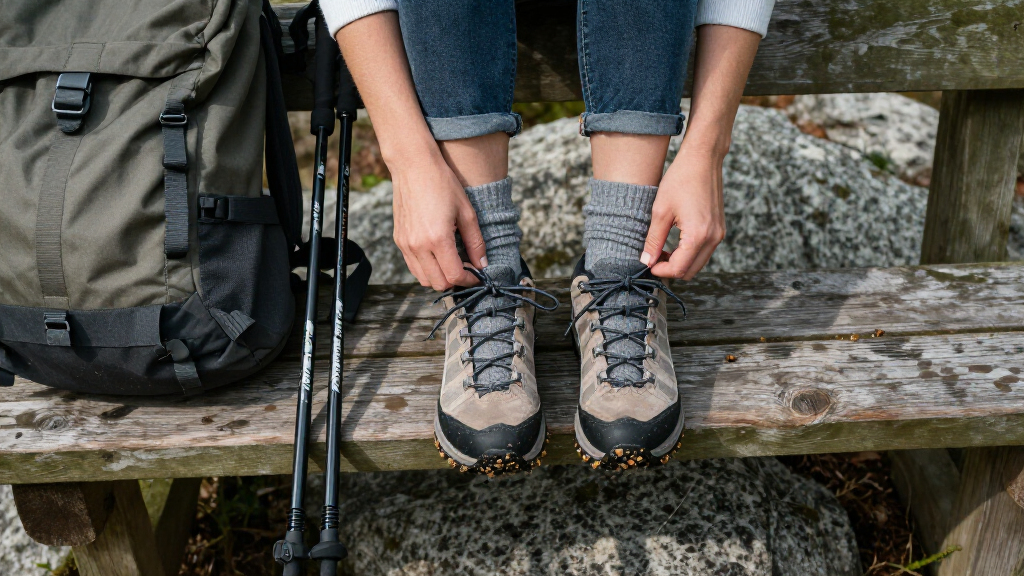
I compared these shoes by how clearly their design serves hiking: outsole grip, underfoot cushioning, stability, upper protection, and weather coverage. I also weighed usability factors such as low versus mid height, trail-running flexibility, and whether a shoe’s features seem suited to day hikes or rougher, wetter routes. Because the lineup includes both dedicated hiking shoes and trail-running shoes, I treated those as distinct approaches rather than assuming one style works for everyone.
The ranking gives priority to versatile hiking performance and a balanced mix of comfort, protection, and support. Models with a more specialized strength—such as waterproofing, a running-shoe feel, or mid-height coverage—rank as better fits for particular needs rather than universal picks. Product names alone do not establish fit or performance, so buyers should check current sizing guidance and try shoes with their usual hiking socks when possible.
| hiking sneaker | Midsole |
|---|---|
| adidas Men’s Terrex Eastrail 3 | — |
| Brooks Women’s Cascadia 20 Tra | — |
| adidas Women’s Terrex Rockadia | — |
| Columbia Men’s Transverse Hike | TECHLITE lightweight cushioning |
| Brooks Men’s Caldera 8 Ultra T | — |
| adidas Women’s Terrex Soulstri | EVA |
| adidas Men’s Terrex Anylander | EVA |
| Columbia Women’s Konos TRS Tra | Techlite+ |
| Columbia Men’s Crestwood Mid H | Techlite cushioned |
| Saucony Men’s Excursion TR14 T | — |
| Merrell Women’s Moab 3 Hiking | Cushioned |
| Columbia Men’s Fairbanks Low H | Techlite cushioned |
| OL OUTJET LEGEND Men’s Waterpr | Thickened EVA |
| Saucony Women’s Excursion TR16 | — |
| Columbia Women’s Transverse Lo | — |
Factors to Consider When Choosing Best Hiking Sneakers
Choosing hiking sneakers starts with matching the shoe to your routes, conditions, and feet. A feature that helps on one hike can become a drawback on another, so I would decide how much protection, structure, and weather coverage you actually need before comparing the details.
Match the Shoe to Your Terrain
Trail surfaces change how much outsole grip and underfoot protection matter. Packed paths and maintained trails usually place fewer demands on a shoe than loose gravel, roots, or rocky descents. On rough ground, a flexible running-style shoe may feel nimble but can leave the foot more exposed to sharp edges. Look for a secure hold and enough sole protection for the terrain you hike most, rather than choosing the most aggressive tread by default. Deep lugs can feel awkward on smooth paths and may collect mud. If your routes vary, prioritize a balanced outsole over a design made for one narrow condition.
Choose Waterproofing for Your Usual Weather
Waterproof uppers can help on damp trails, in shallow puddles, and during cool, wet days. They also tend to hold more warmth, which can make them less comfortable during hot hikes. Once water gets over the collar, a waterproof shoe can take longer to dry than a breathable mesh option. Think about whether your typical problem is rain and wet ground or heat and sweat. For frequent stream crossings, shoe height and drying time matter as much as a waterproof label. Do not assume waterproofing makes a low shoe suitable for deep water.
Get Fit Right Before Prioritizing Cushioning
A comfortable midsole cannot make up for a shoe that slips at the heel or squeezes the toes. Feet may swell over a long hike, so check toe room while standing and wearing the socks you plan to use outdoors. A snug midfoot can help the shoe stay stable, but pressure across the forefoot can become painful on descents. Cushioning preferences vary: softer foam may feel pleasant on easy paths, while some hikers prefer a firmer platform for a steadier feel on uneven ground. Try both shoes and walk down an incline if possible. Give fit more weight than a cushioning description or a familiar brand name.
Decide How Much Support You Need
Low-cut hiking sneakers offer freedom around the ankle and are often easier to wear on ordinary day hikes. Mid-height shoes add coverage, but they do not replace balance, careful foot placement, or a well-fitted pack. The value of added structure depends on your terrain, comfort, and how much ankle coverage you prefer. A common mistake is buying a heavier shoe for support when the real issue is a loose fit or an overly demanding route. Conversely, a very flexible trail shoe may feel less protective on rocky ground. Choose the lightest construction that still gives you the security you want.
Know When a Trail-Running Shoe Fits
Trail-running shoes can work well for hikers who want a lighter, more flexible feel on maintained trails and brisk day hikes. Their running-oriented design may offer less upper protection or hiking-specific structure than a dedicated hiking shoe. That difference matters more when you carry a heavy pack or spend hours on uneven, rocky terrain. Compare heel hold, toe protection, and sole stiffness instead of relying on the category name. If you are new to hiking, test a lighter option on a short route before committing to long days. Let your terrain and load decide whether agility is worth the tradeoff.
Pay for Features You Will Use
More specialized construction makes sense when it addresses a regular need, such as wet-weather protection, leather uppers, or extra coverage. For occasional fair-weather walks, those features can add warmth or stiffness without improving the experience. A premium position does not guarantee a better match for your feet, and a simpler shoe can be the smarter choice when the fit is right. Consider the hikes you take most often, how frequently you go, and how much care the upper may need. Leather can be durable but may require more upkeep than synthetic materials. Spend your attention on fit and useful construction before paying for features that rarely leave the closet.
Frequently Asked Questions
Are trail-running shoes a good choice for hiking?
They can be a good fit for day hikes on maintained trails if you value a lighter, more flexible feel. Models such as the Brooks Cascadia 20 and Saucony Excursion options reflect that running-oriented approach in this lineup. Compared with dedicated hiking shoes, trail runners may offer less protection or structure for rocky routes and heavier loads. Try them on the kind of terrain you plan to hike, and check that your toes do not hit the front on descents. For rough trails or a loaded pack, a sturdier hiking shoe may feel more secure.
Should I choose a waterproof hiking sneaker?
Choose waterproofing if you regularly hike in rain, damp grass, or wet conditions where your feet are likely to get soaked from above. It can be less appealing in warm weather because waterproof uppers often feel less breathable. Water entering over the collar can also take longer to escape, so waterproofing is not a solution for every stream crossing. Compare your usual climate and route conditions with the protection offered by models such as the Columbia Transverse Waterproof. If most of your hikes are dry and hot, a breathable upper may serve you better.
Do I need a mid-height hiking shoe for ankle support?
Not every hiker needs a mid-height shoe, and added height alone does not prevent ankle injuries. Low shoes can work well on maintained routes when they fit securely and match your comfort needs. Mid-height designs may appeal if you prefer extra coverage or often hike over rougher ground. They can feel less free around the ankle than low sneakers, so try them on before deciding. Choose based on fit, terrain, and personal comfort rather than assuming the taller shoe is automatically safer.
How much toe room should hiking sneakers have?
Your toes should be able to spread without pressure, while your heel and midfoot stay held in place. Leave room at the front for downhill walking, when feet can slide forward, but avoid so much space that the shoe shifts with each step. Try shoes later in the day if your feet tend to swell, and wear the socks you expect to hike in. Walk down an incline or use a ramp to see whether your toes strike the front. If they do, changing size or fit is more useful than hoping the shoe will stretch enough.
Can one pair of hiking sneakers handle both easy trails and rocky hikes?
A versatile shoe can cover maintained paths and some rougher sections, but every design has limits. More flexible models may feel comfortable and nimble on easy trails yet offer less protection underfoot on sharp rocks. Sturdier shoes can feel more secure on rough terrain while seeming heavier on casual walks. Think about which type of hike makes up most of your time, then decide which occasional compromise you can accept. If your routes vary widely, prioritize dependable fit and balanced protection over a highly specialized feature.
Conclusion
For the broadest hiking use in this lineup, I recommend the Merrell Women’s Moab 3 as my best overall pick. The OL OUTJET LEGEND leather low-top is a value-minded option for buyers drawn to a leather waterproof design, though its specific fit and build deserve a close check before purchase. For a premium-feeling, running-oriented choice, consider the Brooks Caldera 8; hikers who want a nimble option may prefer the Brooks Cascadia 20. Beginners should start with a comfortable low hiking shoe that fits securely, such as the Columbia Women’s Transverse Low, rather than buying extra height by default. For wet conditions, look at the Columbia Transverse Waterproof or adidas Rain.RDY models; for added coverage, compare the adidas Anylander Mid and Columbia Crestwood Mid. Let your route, weather, and fit settle the final choice.
Fall Picks
fall essentials
As an affiliate, we earn on qualifying purchases.