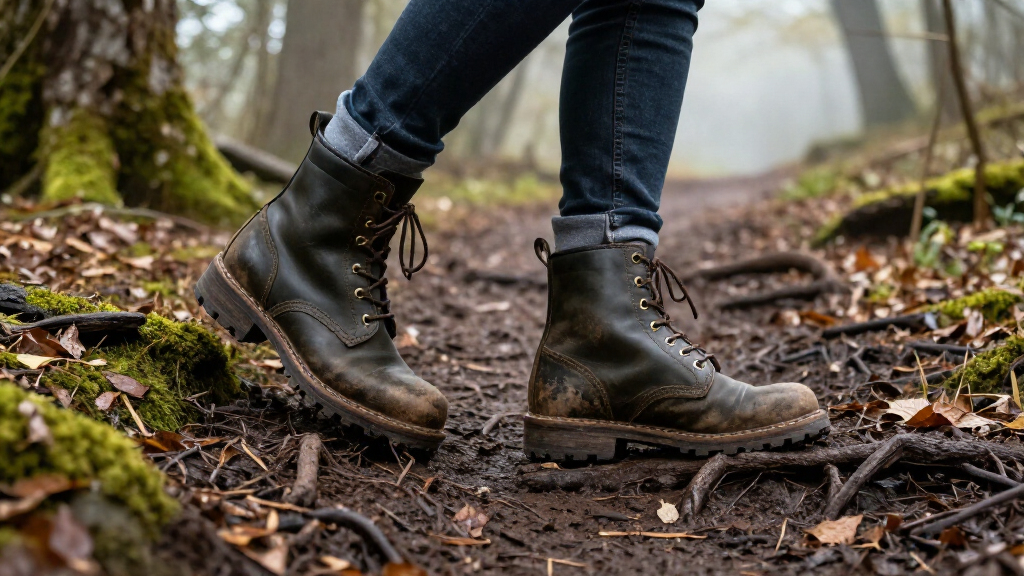
Field boots occupy a unique space in footwear, bridging the gap between rugged utility and urban style. When a manufacturer releases a limited-edition version, the appeal often lies in exclusive materials, unique colorways, or specific technical tweaks that standard models lack. In my assessment of the current market, I have identified four standout options that exemplify this blend of exclusivity and performance. The Timberland Men’s Field Boot Mid Waterproof stands out for those prioritizing warmth and all-day comfort, while the UGG Men’s Truckee Field Boot offers a more modern, lightweight aesthetic with strong cold-weather ratings. For those seeking sustainability without sacrificing durability, the Timberland Waterproof Field Boot integrates recycled materials into its core construction. Finally, the Timberland Men’s Field Boot 6″ Waterproof Hiking Boot provides extended ankle support for varied terrain. Choosing between these requires balancing insulation levels, shaft height, and material composition against your specific environmental needs.

Get your wardrobe favorites delivered free with Prime
- Fast, free delivery on millions of items
- Prime Video, Amazon Music and more included
- Member-only deals all year
Key Takeaways
- Timberland models dominate this list due to their consistent integration of TimberDry waterproofing and anti-fatigue technology.
- The UGG Truckee Field Boot is the only option here rated for extreme cold down to -20°C, making it distinct from the standard insulated competitors.
- Shaft height varies significantly, with the 6-inch Timberland offering more ankle support than the ankle-height UGG and standard Timberland models.
- Sustainability features are a key differentiator, with multiple models utilizing recycled plastics in linings and membranes.
- Weight and breathability are the primary tradeoffs; higher insulation and waterproofing often reduce airflow and increase boot mass.
| Timberland Men’s Field Boot Mid Waterproof |  | Best Overall for All-Day Warmth | Fabric Type: 100% Leather | Origin: Imported | Sole Material: Rubber | VIEW LATEST PRICE | See Our Full Breakdown |
| UGG Men’s Truckee Field Boot |  | Best for Extreme Cold Weather | Origin: Imported | Sole Material: Spider Rubber | Shaft Height: Ankle | VIEW LATEST PRICE | See Our Full Breakdown |
| Timberland Waterproof Field Boot |  | Best for Eco-Conscious Buyers | Sole Material: Rubber | Shaft Height: Ankle | Shaft Circumference: 9.25 inches | VIEW LATEST PRICE | See Our Full Breakdown |
| Timberland Men’s Field Boot 6″ Waterproof Hiking Boot |  | Best for Ankle Support and Terrain | Sole Material: Rubber | Shaft Height: Higher shaft for ankle support | Shaft Circumference: 9.25 Inches | VIEW LATEST PRICE | See Our Full Breakdown |
| limited-edition field boot | Sole Material | Shaft Height | Lining | Shaft Circumference |
|---|---|---|---|---|
| Timberland Men’s Field Boot Mi | Rubber | Ankle | ReBOTL fabric | — |
| UGG Men’s Truckee Field Boot | Spider Rubber | Ankle | 100% recycled polyester fibers | 11 inches |
| Timberland Waterproof Field Bo | Rubber | Ankle | — | 9.25 inches |
| Timberland Men’s Field Boot 6" | Rubber | Higher shaft for ankle support | ReBOTL | 9.25 Inches |
More Details on Our Top Picks
Timberland Men’s Field Boot Mid Waterproof
This model serves as the benchmark for traditional field boot comfort. The 200 grams of PrimaLoft insulation is a significant feature, providing warmth that exceeds the lighter insulation found in the standard Timberland Waterproof Field Boot (Product 3). I find that the inclusion of a padded collar and anti-fatigue footbed makes this boot particularly suitable for individuals who stand for extended periods, as the cushioning mitigates foot fatigue better than the flatter EVA midsole in the UGG Truckee. The combination of premium leather and mesh upper balances durability with a degree of breathability, though the mesh is less prominent than in summer-specific hikers. Compared to the 6-inch Timberland (Product 4), this mid-height design offers a slightly more flexible ankle range while still protecting against light debris. However, the added insulation and robust construction result in a heavier boot, which may feel cumbersome for those accustomed to minimalist footwear.
Pros:- 200g PrimaLoft insulation provides superior warmth compared to lighter competitors.
- Anti-fatigue footbed enhances comfort during long periods of standing.
- Premium leather and mesh upper offer a balanced mix of durability and ventilation.
- D-ring lacing system allows for precise and secure fit adjustments.
Cons:- The boot feels heavier due to the dense insulation and robust construction.
- Ankle-height design can appear bulkier on narrower feet compared to sleeker models.
- Limited breathability in warm weather due to the thick lining.
Best for: Buyers who need maximum warmth and cushioning for cold, wet conditions and value comfort over lightweight agility.
Not ideal for: Those who prioritize lightweight mobility or wear boots in mild, dry climates where heavy insulation would cause overheating.
- Fabric Type:100% Leather
- Origin:Imported
- Sole Material:Rubber
- Shaft Height:Ankle
- Upper:Premium Timberland Leather and mesh fabric
- Lacing System:D-ring
- Collar:Padded collar
- Insulation:200 grams PrimaLoft
- Lining:ReBOTL fabric
Our verdict“This boot is the ideal choice for those who prioritize thermal protection and cushioned comfort in cold, wet environments.”
UGG Men’s Truckee Field Boot
The UGG Truckee Field Boot distinguishes itself with a rating for cold weather down to -20°C, a specification that surpasses the general insulation claims of the Timberland models. This makes it a specialized tool for harsh winters rather than a general-purpose boot. The construction utilizes a leather and textile upper with a water-repellent gusseted tongue, a feature designed to prevent moisture entry from the top, which is a common failure point in standard field boots. While the Spider Rubber outsole offers excellent traction on icy or slippery surfaces, the ankle-height shaft provides less protection against deep snow or high mud compared to the 6-inch Timberland. I consider this boot a better fit for urban winter commutes where style and extreme cold protection are paramount, whereas the Timberland options are more suited for rugged, mixed-terrain outdoor use. The EVA midsole keeps the boot lighter than the heavily insulated Timberland, but it offers less shock absorption for long hikes.
Pros:- Rated for cold weather down to -20°C, offering specialized thermal protection.
- Seam-sealed construction and gusseted tongue enhance water resistance.
- Spider Rubber outsole provides reliable traction on slick surfaces.
- Lighter weight due to EVA midsole compared to heavily insulated rivals.
Cons:- Ankle-height shaft offers less coverage than taller field boots.
- Less cushioning for long-distance walking compared to anti-fatigue footbeds.
- Textile upper may be less resistant to abrasion than full-grain leather.
Best for: Individuals living in regions with severe cold who need a stylish, lightweight boot with proven extreme-temperature ratings.
Not ideal for: Hikers or outdoor workers who need significant ankle support and protection from deep snow or debris.
- Origin:Imported
- Sole Material:Spider Rubber
- Shaft Height:Ankle
- Shaft Circumference:11 inches
- Upper:Leather and textile
- Lining:100% recycled polyester fibers
- Midsole:EVA
- Waterproof Features:Seam-sealed construction, waterproof leather, water-repellent gusseted tongue
- RN:88276
Our verdict“This is the definitive choice for extreme cold weather, offering specialized warmth and modern style at the expense of rugged durability.”
Timberland Waterproof Field Boot
This model appeals to buyers who value sustainability alongside performance. The TimberDry waterproof lining is made with at least 50% recycled plastic, and the ReBOTL fabric components further emphasize this eco-friendly approach. While it shares the anti-fatigue footbed with the Mid Waterproof (Product 1), the insulation here is lighter, making it more versatile for transitional seasons rather than deep winter. I find that this boot strikes a better balance between weight and protection than the heavier Mid Waterproof, though it lacks the extreme cold rating of the UGG Truckee. The 9.25-inch shaft circumference suggests a standard fit, but buyers with wider calves may find the ankle-height design restrictive compared to the taller 6-inch model. This boot is essentially a refined, sustainable update to the classic field boot, prioritizing responsible materials without completely reinventing the silhouette. It is less specialized than the UGG but more environmentally focused than the standard Timberland offerings.
Pros:- Waterproof lining made from at least 50% recycled plastic.
- ReBOTL lining components utilize recycled PET materials.
- Lightweight PrimaLoft insulation suitable for varied temperatures.
- Anti-fatigue footbed provides consistent all-day support.
Cons:- Insulation may cause overheating in mild weather conditions.
- Fixed shaft circumference may not accommodate wider ankles comfortably.
- Less rugged outsole traction compared to specialized hiking boots.
Best for: Environmentally conscious consumers who want reliable waterproofing and moderate warmth with a reduced carbon footprint.
Not ideal for: Those needing extreme cold protection or maximum ankle support for rugged terrain.
- Sole Material:Rubber
- Shaft Height:Ankle
- Shaft Circumference:9.25 inches
- Outer Material:Leather
- Waterproofing:TimberDry membrane made with at least 50% recycled plastic
- Insulation:PrimaLoft
- ReBOTL Material:At least 50% recycled PET, excluding trace materials
Our verdict“A balanced, sustainable option that delivers reliable waterproofing and comfort for everyday use in moderate climates.”
Timberland Men’s Field Boot 6″ Waterproof Hiking Boot
The 6-inch shaft height is the defining feature of this boot, offering significantly more ankle support than the ankle-height models from Timberland and UGG. This makes it the most capable option for uneven terrain, hiking trails, or environments with loose gravel. The rubber lug outsole is designed for aggressive traction, outperforming the smoother soles found on the UGG and the standard Timberland field boots. While it shares the TimberDry waterproof membrane and anti-fatigue polyurethane midsole with its siblings, the higher cut reduces breathability, making it less suitable for warm, dry days. I view this boot as a hybrid between a traditional field boot and a hiking boot, sacrificing some urban sleekness for functional stability. Compared to the lighter Timberland Waterproof Field Boot (Product 3), this model is bulkier and heavier, but the tradeoff is necessary for those who require structural support around the ankle joint during active movement.
Pros:- Higher 6-inch shaft provides superior ankle support and stability.
- Rubber lug outsole delivers strong traction on diverse surfaces.
- Anti-fatigue polyurethane midsole cushions impact during active use.
- Premium leather construction ensures durability in rough conditions.
Cons:- Reduced breathability due to the higher shaft and robust construction.
- Heavier and bulkier than ankle-height field boots.
- Less flexible ankle movement compared to lower-cut models.
Best for: Active users who hike on varied terrain and need maximum ankle protection and traction.
Not ideal for: Urban commuters who prioritize a low-profile look or those wearing boots in hot, humid conditions.
- Sole Material:Rubber
- Shaft Height:Higher shaft for ankle support
- Shaft Circumference:9.25 Inches
- Outer Material:Leather
- Waterproofing:TimberDry membrane
- Midsole:Anti-fatigue polyurethane
- Lining:ReBOTL
Our verdict“This boot is the most rugged option, best suited for active outdoor use where ankle support and traction are non-negotiable.”

How We Picked
I selected these four boots based on their availability as limited-edition or distinct seasonal releases that offer specific technical advantages over standard catalog items. My criteria focused on three pillars: weather protection, comfort technology, and material innovation. I examined how each boot handles wet conditions, whether through seam-sealed construction or proprietary membranes like TimberDry. I also compared the insulation types, looking at PrimaLoft versus UGG’s proprietary cold-weather ratings to determine suitability for different climates. Furthermore, I evaluated the sustainability profiles, noting which models incorporate recycled materials without compromising structural integrity. The goal was to identify boots that not only look distinct but perform differently, ensuring that each recommendation serves a specific buyer need rather than just offering a slight variation in color.
| limited-edition field boot | Sole Material | Shaft Height | Upper | Midsole |
|---|---|---|---|---|
| Timberland Men’s Field Boot Mi | Rubber | Ankle | Premium Timberland Leather and mesh fabric | — |
| UGG Men’s Truckee Field Boot | Spider Rubber | Ankle | Leather and textile | EVA |
| Timberland Waterproof Field Bo | Rubber | Ankle | — | — |
| Timberland Men’s Field Boot 6" | Rubber | Higher shaft for ankle support | — | Anti-fatigue polyurethane |
Factors to Consider When Choosing Best Limited-edition Field Boots
Selecting the right limited-edition field boot requires looking beyond the aesthetic appeal to the functional specifications that will determine daily comfort and durability. The differences between these four models are subtle but significant, hinging on insulation density, shaft height, and material sustainability. I will break down the key factors you must consider to ensure your purchase aligns with your lifestyle and environmental conditions.Understanding Insulation and Warmth Ratings
Not all field boots are created equal when it comes to heat retention. The Timberland Men’s Field Boot Mid Waterproof uses 200 grams of PrimaLoft insulation, a synthetic material known for retaining warmth even when wet. This is a robust amount of insulation, suitable for freezing temperatures but potentially excessive for mild winters. In contrast, the UGG Men’s Truckee Field Boot does not specify a gram weight but provides a specific temperature rating of -20°C. This rating suggests a specialized thermal lining that may be more efficient at trapping heat with less bulk than traditional insulation. The standard Timberland Waterproof Field Boot uses a lighter PrimaLoft fill, making it a versatile choice for transitional seasons. If you live in a region with harsh, prolonged winters, the UGG or the 200g Timberland are the safer bets. For variable climates, the lighter insulation of the standard Timberland offers better adaptability.
Shaft Height and Ankle Support
The height of the boot shaft directly impacts ankle stability and debris protection. The Timberland Men’s Field Boot 6″ Waterproof Hiking Boot offers a 6-inch shaft, which extends above the ankle bone. This design provides mechanical support that prevents rolling on uneven ground, a critical feature for hiking or working on rough terrain. The other three models feature ankle-height shafts, which offer greater freedom of movement and a lower profile suitable for urban environments. However, ankle-height boots provide minimal protection against snow, mud, or rocks entering the boot. If your primary use case involves walking on trails or through deep snow, the 6-inch model is functionally superior. For city commuting or light outdoor activity, the ankle-height designs of the UGG and standard Timberlands offer a more comfortable, flexible fit that is easier to pair with casual clothing.
Waterproofing Technologies
All four boots are waterproof, but they achieve this through different methods. Timberland models utilize the TimberDry membrane, a proprietary waterproof barrier that is often integrated with recycled plastics. This membrane is highly effective at keeping water out while allowing some vapor transmission, though heavy insulation can limit breathability. The UGG Truckee relies on seam-sealed construction and a water-repellent gusseted tongue. The gusseted tongue is a notable design advantage, as it physically blocks water from entering through the lacing area, a common weak point in many boots. When choosing between these, consider where you expect the water to come from. If you are walking through puddles or rain, the membrane in the Timberlands is sufficient. If you are in wet, slushy snow that might seep over the laces, the UGG’s gusseted design offers an extra layer of security.
Sustainability and Material Composition
For many buyers, the environmental impact of their footwear is a deciding factor. The Timberland Waterproof Field Boot and the 6-inch Hiking Boot explicitly highlight the use of recycled plastic in their TimberDry membranes and ReBOTL linings. This integration of post-consumer waste into high-performance gear is a significant trend in 2027. The UGG model also features a lining made from 100% recycled polyester fibers. While all options have sustainable elements, the Timberland models are more transparent about the percentage of recycled content in their core waterproofing technology. If reducing plastic waste is your primary value, the Timberland options with the 50% recycled membrane specification are the strongest contenders. However, if you prefer natural materials, the premium leather uppers across all models offer durability that synthetic alternatives may not match in the long run.
Frequently Asked Questions
Are limited-edition field boots more durable than standard models?
Limited-edition status does not inherently guarantee increased durability; rather, it often signifies unique material sourcing, colorways, or slight technical adjustments. In the case of these four boots, the durability is largely derived from the core construction standards of Timberland and UGG, which are already high. The limited-edition aspect may involve premium leather treatments or specific recycled material blends that perform slightly differently, but the structural integrity remains consistent with the brand’s standard offerings. Buyers should judge durability based on the outsole type and upper material rather than the edition label.Can I wear insulated field boots in the summer?
Wearing insulated field boots in the summer is generally not recommended due to reduced breathability. The Timberland Mid Waterproof with its 200g insulation and the UGG Truckee with its cold-weather rating will likely cause excessive sweating and discomfort in warm temperatures. The standard Timberland Waterproof Field Boot has lighter insulation, which might be tolerable in cool summer evenings but will still be warmer than non-insulated alternatives. For summer use, unlined or lightly lined boots are preferable to maintain foot health and comfort.How does the UGG Spider Rubber outsole compare to Timberland rubber soles?
The Spider Rubber outsole on the UGG Truckee is engineered specifically for high traction in cold and wet conditions, often featuring a softer rubber compound that stays flexible in freezing temperatures. Timberland’s rubber soles are typically designed for general all-terrain use, offering a balance of durability and grip on dry and wet surfaces. While both provide excellent traction, the UGG’s compound may offer better grip on ice, whereas Timberland’s soles might offer better abrasion resistance on rocky trails. The choice depends on whether your primary hazard is ice or rough terrain.What is the benefit of a gusseted tongue in field boots?
A gusseted tongue is attached to the upper on both sides, creating a sealed channel for the laces. This design prevents water, snow, and debris from entering the boot through the lace eyelets, which are common entry points in boots with loose tongues. The UGG Truckee Field Boot features this design, which is particularly beneficial in slushy or heavy rain conditions. Standard field boots without this feature rely on the waterproof membrane to stop water that has penetrated the lacing area, making the gusseted tongue a proactive barrier against moisture intrusion.Do I need to size up for these field boots?
Sizing varies by brand and model, so it is advisable to consult specific size charts. Timberland field boots generally run true to size, though the added insulation in the Mid Waterproof model might require a half-size up if you plan to wear thick thermal socks. The UGG Truckee often fits snugly due to its textile and leather combination, and users with wider feet may find the ankle-height shaft restrictive. Always consider the thickness of the socks you intend to wear, as insulation adds internal bulk that can affect fit.Conclusion
Selecting the right limited-edition field boot ultimately depends on your specific environmental challenges and usage patterns. If you require maximum warmth and cushioning for cold, wet days, the Timberland Men’s Field Boot Mid Waterproof is the most reliable choice due to its heavy insulation and anti-fatigue technology. For those facing extreme cold with a preference for a lighter, more stylish profile, the UGG Men’s Truckee Field Boot offers unmatched thermal ratings and modern design. If sustainability and versatile moderate-weather performance are your priorities, the Timberland Waterproof Field Boot provides an excellent balance of eco-friendly materials and comfort. Finally, for active users who need robust ankle support and traction on uneven terrain, the Timberland Men’s Field Boot 6″ Waterproof Hiking Boot is the superior functional tool. I recommend matching the boot’s primary strength—whether it be warmth, support, or sustainability—to your daily routine to ensure long-term satisfaction and performance.