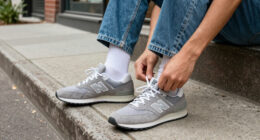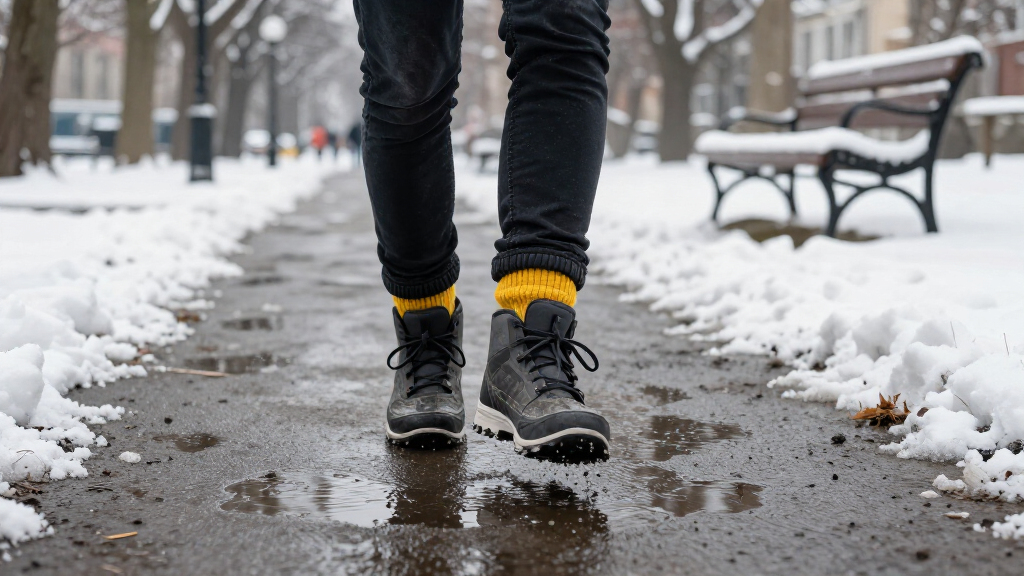

For a winter sneaker that can handle more than damp sidewalks, I put The North Face Clyffe Mid first: it pairs a waterproof membrane and insulation with a grippy Vibram outsole. The Columbia Konos TRS OutDry is the stronger fit for variable trails and wet ground, while the On Cloud 5 Waterproof favors lighter, breathable urban wear. Those differences matter because “waterproof winter sneaker” can mean anything from a warm, boot-like shoe to a streamlined rain-ready sneaker.

Get your wardrobe favorites delivered free with Prime
- Fast, free delivery on millions of items
- Prime Video, Amazon Music and more included
- Member-only deals all year
My ranking weighs water protection, cold-weather comfort, traction, and how well each model fits its intended use. There are tradeoffs: insulation adds warmth but can feel excessive in mild weather, while lighter designs may not provide much protection from cold or deep snow. I also distinguish products with stated winter insulation from waterproof shoes that are better suited to rainy days and brief outdoor trips.
Key Takeaways
- The North Face Clyffe Mid is my best overall cold-weather pick, with a waterproof DryVent membrane, 100g insulation, and Vibram Megagrip tread.
- Columbia Konos TRS OutDry offers the most trail-oriented combination of waterproofing, midfoot lockdown, cushioning, and wet-ground traction, but no insulation is specified.
- On Cloud 5 Waterproof suits buyers prioritizing lightweight, breathable city wear over warmth or snow-specific tread.
- Peak Footwear Frost Flow is the barefoot-style option for toe room and flexibility; its thin sole offers less cushioning than the hiking-focused picks.
- Cubicbee’s fur-lined pull-on sneaker emphasizes warmth and convenience, though its listed materials and construction provide fewer details for judging trail performance.
| The North Face Unisex Adult Clyffe Mid Insulated Waterproof Hiking Boot |  | Best Overall | Shaft: Mid height | Upper: Suede and textile | Waterproofing: DryVent membrane | VIEW ON AMAZON | See Our Full Breakdown |
| Columbia Women’s Konos TRS OutDry Hiking Shoes |  | Best for Wet Trails | Waterproofing: OutDry waterproof-breathable membrane | Fit system: NAVIC FIT midfoot lockdown | Midsole: Techlite+ | VIEW ON AMAZON | See Our Full Breakdown |
| On Women’s Cloud 5 Waterproof Sneakers |  | Best Lightweight City Sneaker | Upper: Performance mesh | Waterproofing: Waterproof construction | Breathability: Described as breathable | VIEW ON AMAZON | See Our Full Breakdown |
| Peak Footwear Frost Flow Waterproof Barefoot Winter Shoes |  | Best Barefoot-Style Fit | Sole material: Rubber | Outer material: Rubber | Lining: Fleece | VIEW ON AMAZON | See Our Full Breakdown |
| Cubicbee Women’s Waterproof Fur-Lined Winter Hiking Sneakers |  | Best Easy-On Warm Option | Upper: Waterproof cloth | Sole: PVC | Lining: Faux fur | VIEW ON AMAZON | See Our Full Breakdown |
| waterproof winter sneaker | Waterproofing | Upper |
|---|---|---|
| The North Face Unisex Adult Cl | DryVent membrane | Suede and textile |
| Columbia Women’s Konos TRS Out | OutDry waterproof-breathable membrane | — |
| On Women’s Cloud 5 Waterproof | Waterproof construction | Performance mesh |
| Peak Footwear Frost Flow Water | Described as waterproof | — |
| Cubicbee Women’s Waterproof Fu | — | Waterproof cloth |
More Details on Our Top Picks
The North Face Unisex Adult Clyffe Mid Insulated Waterproof Hiking Boot
The Clyffe Mid is my lead pick because it offers the most complete cold-weather package in this group. Its DryVent waterproof membrane addresses wet conditions, while 100g Heatseeker insulation adds a defined layer of warmth absent from the Columbia, On, and Peak Footwear descriptions. A mid-height shaft also gives it a more protective profile than the low-cut sneakers, though it is still positioned as more agile than a traditional winter boot.
For traction, the Vibram Megagrip outsole with 3mm lugs gives this shoe the clearest stated grip credentials for snow, slush, and wet surfaces. The Columbia Konos also has a purpose-built wet-condition traction system, but it does not list insulation; that makes the Clyffe the more convincing choice when cold is as much a concern as rain. Its molded-EVA midsole adds cushioning for longer walks, distinguishing it from Peak Footwear’s deliberately thin barefoot-style sole.
The tradeoff is bulk and warmth. 100g insulation can feel too warm during mild weather, fast indoor-outdoor errands, or active walking in above-freezing conditions. The available details also do not establish a precise temperature range or long-term insulation durability. I would pick it for cold, wet days and mixed urban-outdoor use, but not as my first choice for a lightweight travel sneaker or a shoe for warm rainy seasons.
Pros:- DryVent waterproof membrane and 100g Heatseeker insulation
- Vibram Megagrip outsole with 3mm lugs for wet and snowy surfaces
- Molded-EVA midsole for cushioning on longer walks
- Mid-height design offers more coverage than low-cut picks
Cons:- Insulation may feel too warm in mild conditions
- The listed details do not provide a temperature rating or long-term insulation assessment
Best for: Buyers seeking one insulated, waterproof shoe for cold walks, slush, and everyday outdoor use.
Not ideal for: Anyone who wants a low-profile, lightweight sneaker for mild weather or needs a documented temperature rating.
- Shaft:Mid height
- Upper:Suede and textile
- Waterproofing:DryVent membrane
- Insulation:100g synthetic Heatseeker
- Midsole:Single-density molded EVA
- Outsole:Vibram Megagrip rubber with 3mm lugs
- Fit category:Unisex adult
Our verdict“I rank the Clyffe Mid first for its unusually balanced mix of waterproofing, warmth, cushioning, and stated winter traction.”
Columbia Women’s Konos TRS OutDry Hiking Shoes
The Konos TRS OutDry is my trail-oriented pick for buyers who want waterproofing and support without the Clyffe Mid’s stated insulation. Its OutDry waterproof-breathable construction is aimed at wet weather, while NAVIC FIT provides midfoot lockdown and Techlite+ cushioning. Together, those features make it more suited to uneven routes than the urban-focused On Cloud 5 Waterproof.
Its Adapt Trax tread is designed for wet or slippery conditions, giving the Konos a clear outdoor role beside the Clyffe’s Vibram Megagrip. The Clyffe has more explicit winter warmth and a mid-height profile; the Columbia is the better match for a wearer who expects mixed terrain and wants stability, but does not necessarily need insulation. That distinction matters on cold days: a waterproof membrane can block rain, but it does not replace a warm lining.
The main gap is winter-specific detail. No insulation is listed, and the supplied specifications do not state the shoe’s weight or offer fit guidance. I would not assume it will keep feet warm during long stretches in freezing weather or deep snow. Compared with the Clyffe, it is a more flexible choice for damp trails and variable terrain, but it needs suitable socks or another warmth plan when temperatures drop.
Pros:- OutDry waterproof-breathable construction
- NAVIC FIT midfoot lockdown supports a stable feel
- Techlite+ cushioning for walking on uneven ground
- Adapt Trax tread is designed for wet and slippery conditions
Cons:- No insulation is specified for cold-weather warmth
- Available details do not state weight or fit guidance
Best for: Women wanting a waterproof, cushioned shoe with stability and traction for wet trails and everyday outdoor routes.
Not ideal for: Buyers who need built-in insulation, a stated cold-weather temperature range, or detailed fit guidance.
- Waterproofing:OutDry waterproof-breathable membrane
- Fit system:NAVIC FIT midfoot lockdown
- Midsole:Techlite+
- Traction:Adapt Trax tread
- Outsole:Rubber
- Outer material:Canvas
- Inner material:Cotton and synthetic blend
Our verdict“I recommend the Konos for wet routes and varied terrain, but choose the insulated Clyffe if warmth is your main winter concern.”
On Women’s Cloud 5 Waterproof Sneakers
For city walking in wet weather, I would look first at the On Cloud 5 Waterproof. Its appeal is a lightweight, breathable sneaker profile rather than the protective feel of an insulated hiking shoe. Compared with the Clyffe Mid, it gives up specified insulation and a lugged winter outsole, but it is better aligned with all-day urban wear, travel, and changing weather where a bulky boot can be inconvenient.
The listed waterproof and breathable construction aims to balance rain protection with comfort, while reflective details can improve visibility in low-light conditions. The shoe also uses recycled materials for over 90% of its polyester content and more than 40% of the shoe overall. That material detail may matter to buyers seeking a lower-recycled-content footprint, but it does not change the shoe’s central role: a streamlined option for wet streets rather than a snow-focused winter shoe.
The most meaningful limitation is what the description does not specify. No insulation or snow-specific traction details are provided, so I would not treat it as an equivalent to the Clyffe for cold slush or the Columbia for wet trails. It is also not the barefoot-style alternative that Peak Footwear offers. Choose it for lighter city use and skip it if your winter routine regularly involves deep snow, icy paths, or long periods standing in the cold.
Pros:- Lightweight design suited to all-day urban wear
- Waterproof and breathable according to the product description
- Reflective detailing for low-light visibility
- Recycled materials make up a substantial share of the shoe
Cons:- No insulation is listed for cold-weather use
- The supplied details do not specify snow or ice traction
Best for: Women who want a lightweight waterproof sneaker for urban walking, commuting, and travel in wet conditions.
Not ideal for: Anyone needing stated insulation, deep-snow coverage, or clearly specified trail tread.
- Upper:Performance mesh
- Waterproofing:Waterproof construction
- Breathability:Described as breathable
- Sole:Rubber
- Toe shape:Round
- Reflective detailing:Yes
- Recycled materials:Over 90% of polyester content and over 40% of the shoe
Our verdict“I see the Cloud 5 Waterproof as the easiest city-wear choice, not a substitute for an insulated or trail-focused winter shoe.”
Peak Footwear Frost Flow Waterproof Barefoot Winter Shoes
The Frost Flow takes a very different approach from the cushioned hiking shoes: a wide toe box and flexible, ultra-thin rubber sole are designed to let the foot move naturally. Its fleece lining adds warmth for casual cold-weather walks, and the lace-up design allows adjustment around the foot. For buyers who dislike narrow-feeling footwear, this is the most distinctive fit option in the group.
That flexible construction separates it from both Columbia’s supportive midfoot lockdown and the Clyffe’s molded-EVA cushioning. The Peak may feel less restrictive for everyday walking, while the Columbia and North Face offer more clearly described support and outdoor traction systems. Its waterproof claim makes it relevant to this roundup, but the product details do not name a waterproof membrane or explain how the upper and seams are sealed.
The thin sole is the central tradeoff. It leaves less material between the foot and hard or cold ground, and the description itself notes limited cushioning. I would choose it for shorter casual outings and toe-room preference, not for extended hikes, rough terrain, or icy routes where structured support and defined tread matter more. The description mentions possible orthopedic benefits, but no independent evidence is supplied, so I would not buy it on that basis.
Pros:- Wide toe box allows room for toes to spread
- Flexible, ultra-thin rubber sole supports natural foot movement
- Fleece lining adds warmth for casual cold-weather wear
- Lightweight lace-up design suits everyday walking and travel
Cons:- Thin sole may provide limited cushioning and protection from cold ground
- Waterproof construction details are not specified beyond the product claim
- No independent evidence is provided for orthopedic benefits
Best for: Wearers seeking a wide toe box, flexible barefoot-style movement, and fleece warmth for casual winter use.
Not ideal for: Hikers wanting substantial cushioning, strong underfoot protection, or detailed evidence of membrane construction and orthopedic benefits.
- Sole material:Rubber
- Outer material:Rubber
- Lining:Fleece
- Closure:Lace-up
- Design:Barefoot style with flexible, ultra-thin sole
- Toe box:Wide
- Waterproofing:Described as waterproof
Our verdict“I would pick the Frost Flow for toe space and flexible movement, while choosing the Columbia or Clyffe for more structured outdoor support.”
Cubicbee Women’s Waterproof Fur-Lined Winter Hiking Sneakers
The Cubicbee winter sneaker puts warmth and convenience ahead of technical detail. Its faux-fur lining, round toe, and pull-on entry make it an easy option for quick outdoor errands and casual winter walks. Compared with the lace-up Frost Flow, the pull-on design asks less effort at the door; compared with the Clyffe Mid, it gives less information about insulation, waterproof construction, and the outsole’s performance on demanding terrain.
A textured PVC sole is described as providing traction for snowy or rainy conditions, and the waterproof cloth upper is intended to keep weather out. These features make it more winter-oriented than the uninsulated On Cloud 5, at least by the description’s focus on warmth and wet conditions. Yet Columbia remains the clearer choice for trail use because it names its waterproofing, fit system, cushioning, and traction technology.
The biggest drawback is limited specification detail, not a single obvious design flaw. There is no stated insulation weight, membrane, or lug measurement, which makes it hard to compare protection or predict how it will perform on slick ground. The product notes also warn that manual measurements can vary and colors may differ from images. I would consider it for simple, warm pull-on wear, but choose a better-documented hiking model for long or technical winter outings.
Pros:- Faux-fur lining adds warmth for casual winter use
- Pull-on construction is convenient for quick outings
- Textured PVC sole is described as providing traction
- Waterproof cloth upper is intended for wet conditions
Cons:- Waterproof construction and insulation details are limited
- No lug depth or specific trail-performance information is provided
- Listed measurements may vary by 1–2 cm and color may differ from images
Best for: Women wanting a warm-lined, easy-to-pull-on shoe for casual outdoor use and everyday winter errands.
Not ideal for: Hikers who need detailed traction specifications, a named waterproof membrane, or clearly stated insulation performance.
- Upper:Waterproof cloth
- Sole:PVC
- Lining:Faux fur
- Closure:Pull-on
- Toe shape:Round
- Sole feature:Textured; described as anti-slip
- Intended use:Walking, hiking, and everyday outdoor activities
Our verdict“I would choose Cubicbee for easy-on warmth and everyday convenience, not for the more demanding trail conditions covered by Columbia or The North Face.”

How We Picked
I ranked these five options by how well their stated features answer the practical demands of wet winter wear: keeping water out, helping feet stay comfortable in cold conditions, and providing a sole suited to the surfaces each shoe targets. Waterproof claims alone do not make a shoe a strong winter choice, so I separated insulated designs from lightweight rain-ready sneakers and looked for traction and cushioning details where provided.
I also considered how much useful construction information is available. The North Face and Columbia provide clear membrane, outsole, and midsole details, which makes their outdoor roles easier to judge. On and Peak Footwear lean more toward urban comfort or natural foot movement, while Cubicbee focuses on warmth and easy pull-on use but gives fewer specifics about its traction and waterproof construction. I treat the supplied descriptions as claims, not independent test results; the listed information does not establish performance in prolonged immersion, deep snow, or severe ice.
Finally, I ranked each product for a distinct buyer rather than treating every shoe as interchangeable. Warmth, weight, grip, and flexibility pull in different directions: a cushioned, insulated mid may be a better winter all-rounder, while a light waterproof sneaker may feel more comfortable on mild, wet days. Fit details and insulation can vary by wearer and conditions, so I call out where the available specifications leave questions unanswered.
| waterproof winter sneaker | Upper | Waterproofing |
|---|---|---|
| The North Face Unisex Adult Cl | Suede and textile | DryVent membrane |
| Columbia Women’s Konos TRS Out | — | OutDry waterproof-breathable membrane |
| On Women’s Cloud 5 Waterproof | Performance mesh | Waterproof construction |
| Peak Footwear Frost Flow Water | — | Described as waterproof |
| Cubicbee Women’s Waterproof Fu | Waterproof cloth | — |
Factors to Consider When Choosing 5 Best Waterproof Winter Sneakers
The right waterproof winter sneaker depends on how cold it gets, what surfaces you walk on, and whether you value warmth, low weight, or natural foot movement most. I would compare the construction details against your actual winter routine rather than treating every waterproof claim as equal.Waterproofing Is Not the Same as Winter Protection
A shoe can resist rain without being built for freezing temperatures. The North Face Clyffe Mid is the clearest cold-weather choice here because it lists both a DryVent membrane and 100g insulation. Columbia names OutDry waterproof-breathable construction but does not list insulation, while On describes its Cloud 5 as waterproof and breathable without specifying a winter lining. Peak Footwear and Cubicbee are described as waterproof, but provide less information about membrane or seam construction. For deep snow or prolonged wet exposure, look for clear construction details and a higher protective profile, and do not infer more than the product information states.
Match the Sole to Your Route
Outsole design matters when sidewalks are wet, trails are muddy, or snow is packed underfoot. The Clyffe’s Vibram Megagrip outsole with 3mm lugs gives the most specific tread information in this group. Columbia’s Adapt Trax is designed for wet or slippery conditions, making the Konos a compelling trail alternative. Cubicbee describes a textured sole, but does not provide lug measurements or comparable technical details. On and Peak Footwear are better framed around city wear and flexible movement than as dedicated snow-traction picks. None of the supplied descriptions establishes performance on black ice, so I would not treat any of these as a replacement for footwear made specifically for icy conditions.
Choose Warmth Without Overheating
Insulation helps on cold walks but can feel uncomfortable when you move quickly or spend much of the day indoors. The Clyffe Mid’s 100g insulation is the most clearly defined warmth feature, and Cubicbee’s faux-fur lining also signals a warm casual design without a stated insulation weight. Peak Footwear adds fleece, while the On and Columbia descriptions do not specify insulating linings. If winter where you live is mostly wet and mild, a breathable, lighter shoe may suit you better; for sustained cold, favor a lined option and leave room for suitable socks without making the fit tight.
Think About Cushioning, Fit, and Support
For long walks, cushioning and stability can matter as much as waterproofing. The Columbia Konos combines Techlite+ cushioning with NAVIC FIT midfoot lockdown, while the Clyffe lists a molded-EVA midsole. By contrast, Peak Footwear’s ultra-thin sole favors flexibility and a natural-feeling stride over underfoot cushioning. Cubicbee’s available details do not describe a cushioning system, and On’s supplied specifications do not identify a midsole. If you already know you prefer a wide toe box or minimalist feel, Peak is the standout; if you need more structure on uneven ground, compare Columbia and The North Face first.
Check Fit Details and Intended Use
Fit can change how warm and secure a winter shoe feels, especially when you wear thicker socks. The descriptions here do not provide a shared sizing scale or detailed fit guidance, and Cubicbee notes that manual measurements may vary. Try to confirm the seller’s current sizing and return information before ordering, particularly for an unfamiliar brand or a pull-on shoe that offers less lace adjustment. For everyday travel, On has the light urban role; for trails, Columbia and The North Face provide more outdoor-focused construction details. Choose the role that reflects your regular route rather than paying attention to the word “winter” alone.
Frequently Asked Questions
Which shoe in this list is the warmest choice?
The North Face Clyffe Mid has the clearest stated insulation, with 100g synthetic Heatseeker, making it my strongest pick for cold-weather walks. Cubicbee and Peak Footwear also list warm linings—faux fur and fleece—but do not specify insulation weight or a temperature range. The On Cloud 5 Waterproof and Columbia Konos TRS OutDry descriptions do not mention insulation, so I would not choose them for warmth alone.
Are waterproof sneakers suitable for walking in snow?
They can work for shallow snow or slushy sidewalks if they have suitable traction and enough warmth, but a waterproof upper alone does not guarantee protection from snow entering over the collar or warmth in low temperatures. The mid-height Clyffe gives more coverage and lists insulation; Columbia provides wet-condition traction but no stated insulation. For deep snow, extended exposure, or icy paths, I would look for footwear with more specific snow and temperature guidance.
Which option is best for wet trails?
I would compare the Columbia Konos TRS OutDry and The North Face Clyffe Mid first. Columbia pairs OutDry waterproof-breathable construction with Adapt Trax tread, Techlite+ cushioning, and NAVIC FIT midfoot lockdown, making it the more trail-oriented choice without listed insulation. The Clyffe adds insulation and a Vibram Megagrip outsole, so it makes more sense when cold-weather warmth is part of the route as well.
Can I wear the On Cloud 5 Waterproof in winter?
The Cloud 5 Waterproof is described as waterproof, breathable, and lightweight, which suits wet city walks and travel. However, the supplied details do not list insulation or snow-specific traction, so I would treat it as a rain-ready urban sneaker rather than a dedicated cold-weather shoe. It is a stronger match for mild, wet conditions than for deep snow, icy sidewalks, or long periods outdoors in the cold.
What should I look for in a waterproof winter sneaker?
I would check for a named waterproof construction, insulation or lining suited to your temperatures, and outsole details that match your usual ground. Cushioning and fit also matter if you walk long distances or wear thick socks. Among these five, The North Face provides the clearest combination of membrane, insulation, and tread information; Columbia gives useful trail-support details but lists no insulation. For every model, treat unspecified temperature limits and ice performance as unknown rather than assuming the shoe covers them.
Conclusion
For one winter shoe that balances warmth, waterproofing, cushioning, and stated traction, I recommend The North Face Clyffe Mid. Choose the Columbia Konos TRS OutDry if wet trails and stability matter more than built-in warmth, or the On Cloud 5 Waterproof if your priority is lightweight city walking in rainy, relatively mild weather. The Peak Footwear Frost Flow suits buyers who want a wide toe box and flexible barefoot-style feel, while Cubicbee is the straightforward pick for pull-on convenience and a warm lining. My main dividing line is simple: for cold and slush, favor insulation and a protective profile; for wet urban routes, a lighter waterproof sneaker may be easier to wear.