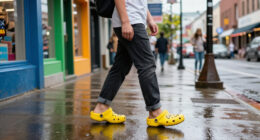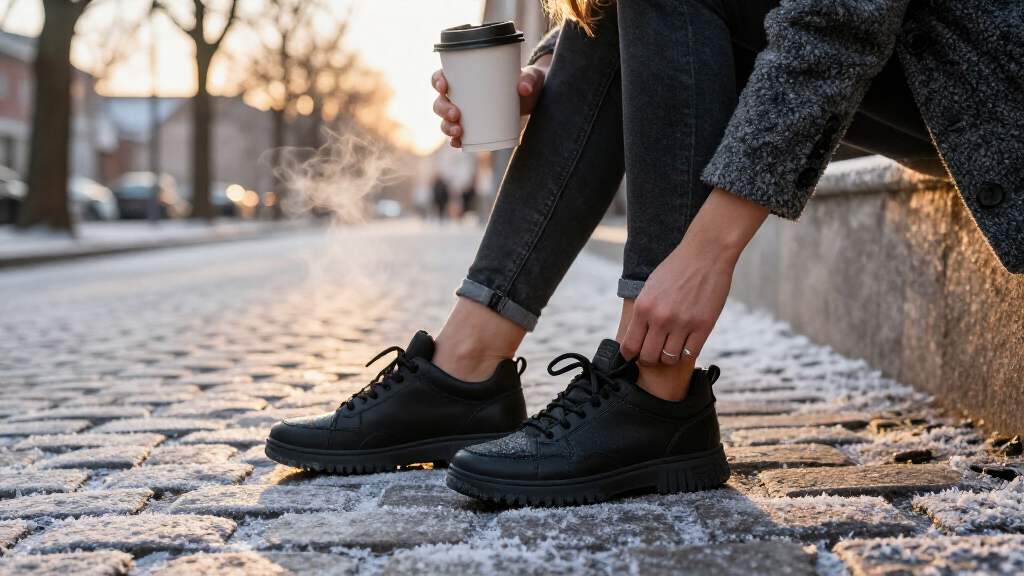
Choosing the best winter trainers depends heavily on whether you need rugged traction for icy trails or insulated comfort for urban commutes. The Salewa Men’s Mountain Trainer 2 Mid GTX stands out as the best overall pick for those demanding superior grip and waterproofing in mixed conditions. For lighter, everyday wear, the The North Face Clyffe Mid offers a stylish, sneaker-like fit that doesn’t sacrifice warmth. Buyers often struggle to balance breathability against insulation, as too much warmth causes sweat in dry cold while too little leaves feet vulnerable in wet slush. This guide breaks down eight distinct models to help you match your specific winter environment with the right footwear technology.

Get your wardrobe favorites delivered free with Prime
- Fast, free delivery on millions of items
- Prime Video, Amazon Music and more included
- Member-only deals all year
Key Takeaways
- Waterproof membranes like Gore-Tex are non-negotiable for slush but can cause overheating in dry, sub-freezing air if paired with heavy insulation.
- Outsole rubber compounds change performance in cold; softer compounds stay pliable for grip on ice, while stiff hiking soles become slippery.
- Insulation weight directly correlates with bulk; barefoot-style boots offer warmth via lining but lack the structural support of mid-cut sneakers.
- Urban winter trainers often prioritize style and low-profile fits, sacrificing the ankle support needed for uneven, snow-covered sidewalks.
- Barefoot winter boots require a break-in period and specific socks to prevent blisters, unlike traditional padded trainers that offer immediate comfort.
| SALEWA Men’s Mountain Trainer 2 Mid GTX Hiking Boots |  | Best for Rugged Terrain | Origin: Imported | Sole material: Rubber | Shaft height: 6 inches | VIEW LATEST PRICE | See Our Full Breakdown |
| Columbia Men’s Fairbanks Omni-Heat Waterproof Winter Boots |  | Best All-Rounder for Cold & Wet | Fabric: Leather and textile upper; textile lining; synthetic outsole | Origin: Imported | Sole material: Rubber | VIEW LATEST PRICE | See Our Full Breakdown |
| XPETI Winter Snow Casual Slip-on Loafers for Men – Waterproof Jungle Hiking Shoe |  | Best for Convenience & Easy On/Off | Sole material: Rubber | Outer material: Synthetic | Closure type: Pull-On | VIEW LATEST PRICE | See Our Full Breakdown |
| SAGUARO Adult Warm Barefoot Winter Boots with Wide Toe Box |  | Best for Natural Foot Movement | Sole material: Rubber | Outer material: Polyurethane (PU) | Shaft height: Ankle | VIEW LATEST PRICE | See Our Full Breakdown |
| The North Face Clyffe Mid Insulated Waterproof Sneaker Boots for Men & Women |  | Best Premium Traction & Style | Origin: Imported | Sole material: Ethylene Vinyl Acetate | Shaft height: Mid Top | VIEW LATEST PRICE | See Our Full Breakdown |
| Reebok Nano X4 Adventure Winter Training Shoes |  | Best for Gym-to-Street Versatility | Brand: Reebok | Model: Nano X4 Adventure Winter | Outer Material: Leather | VIEW LATEST PRICE | See Our Full Breakdown |
| Mishansha Men’s and Women’s Winter Barefoot Boots with Warm Faux Fur Lining |  | Best for Natural Foot Mechanics | Fabric type: Oxford | Outer material: Oxford | Lining: Faux fur | VIEW LATEST PRICE | See Our Full Breakdown |
| Adidas Men’s Climawarm Bounce Running Shoes |  | Best for Cold-Weather Running | Upper Material: Mesh and ballistic nylon | Midsole: Bounce | Outsole: Adiwear | VIEW LATEST PRICE | See Our Full Breakdown |
| winter trainer | Sole material | Outer material | Shaft height | Lining |
|---|---|---|---|---|
| SALEWA Men’s Mountain Trainer | Rubber | — | 6 inches | Textile |
| Columbia Men’s Fairbanks Omni- | Rubber | — | Ankle | Omni-Heat thermal-reflective lining |
| XPETI Winter Snow Casual Slip- | Rubber | Synthetic | — | — |
| SAGUARO Adult Warm Barefoot Wi | Rubber | Polyurethane (PU) | Ankle | Faux fur |
| The North Face Clyffe Mid Insu | Ethylene Vinyl Acetate | — | Mid Top | — |
| Reebok Nano X4 Adventure Winte | Rubber | Leather | — | — |
| Mishansha Men’s and Women’s Wi | Rubber | Oxford | — | Faux fur |
| Adidas Men’s Climawarm Bounce | — | Nylon | — | — |
More Details on Our Top Picks
SALEWA Men’s Mountain Trainer 2 Mid GTX Hiking Boots
This option stands out for serious hikers who prioritize ankle support and structural integrity over casual style. The leather and textile upper offers a level of durability and abrasion resistance that the synthetic uppers found on the Columbia Fairbanks simply cannot match. While the Columbia is lighter and more flexible for urban environments, the Salewa feels like a proper mountaineering tool. The GORE-TEX lining ensures waterproofing without the bulk of heavy rubber boots. However, this rigidity comes at a cost; they require a break-in period and feel less comfortable for all-day standing on flat surfaces compared to the cushioned North Face Clyffe. If your winter involves snow-covered trails rather than sidewalk slush, this boot’s secure lace-up fit and robust construction make it the safer choice. It is a specialized tool, not a do-it-all shoe.
Pros:- Durable leather and textile upper resists abrasion from rocks and ice
- Mid-height shaft provides superior ankle stability on uneven terrain
- Secure lace-up closure allows for precise fit adjustment
- Designed specifically for winter sports and rugged outdoor activities
Cons:- Stiffer construction requires a longer break-in period than casual sneakers
- Heavier than lightweight insulated boots like the Columbia Fairbanks
- Less suitable for casual urban wear due to its technical hiking aesthetic
Best for: Hikers and mountaineers who need maximum ankle support and abrasion resistance on uneven, snowy trails.
Not ideal for: Urban commuters or those prioritizing lightweight comfort, as the stiff build feels overly robust for city walks.
- Origin:Imported
- Sole material:Rubber
- Shaft height:6 inches
- Shaft circumference:37.7 inches
- Upper material:Leather and textile
- Lining:Textile
- Insole:Textile
- Closure:Lace-up
Our verdict“Choose these if you are hitting the trails and need a boot that protects your ankles and withstands rough abuse.”
Columbia Men’s Fairbanks Omni-Heat Waterproof Winter Boots
This model is better suited to everyday winter life than the specialized Salewa, offering a balance of warmth, waterproofing, and comfort. The 200g insulation combined with the Omni-Heat reflective lining traps body heat effectively, making it warmer right out of the box than the uninsulated options. Compared to the XPETI slip-ons, the Columbia offers a more secure lace-up fit that prevents snow entry, though it lacks the extreme lightness. The Techlite midsole provides significant cushioning, bridging the gap between a hiking boot and a sneaker. While the Omni-Grip outsole handles mixed terrain well, it isn’t as aggressive on steep, icy inclines as the Vibram soles on the North Face Clyffe. It is the pragmatic choice for those who want one boot to handle commute, errands, and light park walks without fuss.
Pros:- Omni-Heat thermal lining reflects body heat for efficient warmth
- Seam-sealed Omni-Tech construction keeps feet dry in rain and snow
- Techlite midsole offers cushioning and energy return for all-day wear
- Lighter and more flexible than heavy leather hiking boots
Cons:- Synthetic and leather mix requires specific care routines for both materials
- Traction is adequate for city and light trails but less aggressive on steep ice
- Insulation level may be insufficient for sub-zero static exposure
Best for: Commuters and families who need a versatile, insulated boot for daily wear in wet, cold conditions.
Not ideal for: Extreme mountaineers or those needing maximum traction on steep ice, as the tread is designed for moderate terrain.
- Fabric:Leather and textile upper; textile lining; synthetic outsole
- Origin:Imported
- Sole material:Rubber
- Shaft height:Ankle
- Waterproofing:Omni-Tech waterproof, breathable, seam-sealed construction
- Insulation:200 grams
- Lining:Omni-Heat thermal-reflective lining
- Cushioning:Techlite lightweight impact absorption
Our verdict“The safest bet for general winter use, combining reliable waterproofing with comfortable cushioning.”
XPETI Winter Snow Casual Slip-on Loafers for Men – Waterproof Jungle Hiking Shoe
This pick makes the most sense for quick errands or travel days where laces are a hassle. The slip-on design contrasts sharply with the time-consuming lacing of the Columbia Fairbanks, offering instant access. Despite the casual silhouette, it packs serious winter tech with 200g Thinsulate insulation and a polar fleece lining, providing warmth comparable to bulkier boots. The rubber outsole is surprisingly capable on oily or wet surfaces, though it lacks the deep lug depth found on the SALEWA Mountain Trainer for deep snow. The main tradeoff is fit security; without laces, the synthetic upper cannot be adjusted for narrow feet, potentially leading to heel slip. It is less breathable than the leather options, which might cause sweating in mild weather. For those who value speed over precision fit, this is a smart compromise.
Pros:- Slip-on design offers maximum convenience and speed
- 200g Thinsulate insulation provides substantial warmth without bulk
- Rubber outsole delivers reliable traction on wet and oily surfaces
- Lightweight EVA footbed ensures comfort for extended wear
Cons:- Lack of laces means less customizable fit and potential heel slip
- Synthetic upper is less breathable than leather or mesh alternatives
- Not suitable for deep snow or rugged terrain due to low profile
Best for: Travelers, parents, or anyone who values quick on-and-off convenience for short winter walks.
Not ideal for: Hikers or active users needing a locked-down fit, as the slip-on design lacks lacing for secure ankle support.
- Sole material:Rubber
- Outer material:Synthetic
- Closure type:Pull-On
- Water resistance level:Waterproof
- Insulation:200 g Thinsulate with polar fleece lining
Our verdict“Ideal for urban winter days where convenience trumps the need for rugged, adjustable support.”
SAGUARO Adult Warm Barefoot Winter Boots with Wide Toe Box
This option stands out for minimalist enthusiasts who find traditional winter boots too restrictive. The zero-drop sole and wide toe box allow toes to splay naturally, a stark contrast to the narrower, cushioned fit of the North Face Clyffe. While the North Face offers more arch support, the Saguaro promotes a more natural gait, which some users prefer for long-term foot health. The faux fur lining and removable fleece insole provide cozy warmth, though the water-resistant PU upper is not fully waterproof like the Columbia Fairbanks. This means it handles light rain well but may soak through in heavy slush. The deep-tread outsole provides good grip, but the flexible sole offers less protection from sharp rocks than the stiffer Salewa. It is a niche choice for those prioritizing foot mechanics over maximum weather protection.
Pros:- Zero-drop design promotes natural foot alignment and posture
- Wide toe box allows for comfortable toe splay and warmth retention
- Plush faux fur lining and removable insole offer easy cleaning and coziness
- Flexible sole encourages natural foot movement during walking
Cons:- Water-resistant PU upper is not fully waterproof for heavy snow
- Ankle height provides less debris protection than mid-cut boots
- Minimal arch support may be uncomfortable for those used to cushioned shoes
Best for: Barefoot shoe advocates who prioritize toe splay and natural movement over rigid support and heavy waterproofing.
Not ideal for: Those needing full waterproofing for heavy snow, as the PU upper is only water-resistant, not sealed.
- Sole material:Rubber
- Outer material:Polyurethane (PU)
- Shaft height:Ankle
- Shaft circumference:13.86 inches
- Lining:Faux fur
- Insole:Removable EVA fleece
- Heel-to-toe drop:Zero drop
- Toe box:Wide
Our verdict“Best for those who refuse to compromise on natural foot shape and are willing to trade some waterproofing for comfort.”
The North Face Clyffe Mid Insulated Waterproof Sneaker Boots for Men & Women
This model is better suited to style-conscious buyers who refuse to sacrifice performance for aesthetics. The Vibram Megagrip outsole offers superior traction on wet rock and ice compared to the standard rubber soles on the Columbia Fairbanks or XPETI loafers. The DRYVENT membrane provides robust waterproofing, while Heatseeker insulation keeps feet warm without the bulk of heavy fur linings found in the SAGUARO boots. Its sneaker-inspired silhouette looks modern in urban settings, unlike the rugged look of the SALEWA. However, the mid-top design can feel bulky for those preferring low-profile footwear. It is also more expensive and less customizable than the lace-up hiking boots. For those who want the grip of a technical boot with the look of a fashion sneaker, this is the clear winner.
Pros:- Vibram Megagrip outsole delivers exceptional traction on wet and icy surfaces
- DRYVENT membrane ensures reliable waterproofing in slush and rain
- Heatseeker insulation provides warmth without excessive bulk
- Modern sneaker aesthetic transitions easily from trails to city streets
Cons:- Mid-top silhouette may feel bulky for fans of low-cut shoes
- Higher price point compared to budget-friendly slip-ons
- Synthetic materials may lack the premium feel of full leather boots
Best for: Urban dwellers who want high-performance traction and waterproofing in a stylish, sneaker-like package.
Not ideal for: Those preferring a low-profile shoe, as the mid-top height can feel bulky and restrictive.
- Origin:Imported
- Sole material:Ethylene Vinyl Acetate
- Shaft height:Mid Top
- Shaft circumference:6.38 Inches
Our verdict“The ideal choice for those who demand top-tier grip and waterproofing but care about looking good in the city.”
Reebok Nano X4 Adventure Winter Training Shoes
This model stands out for its hybrid construction, blending the stability of a cross-trainer with a leather upper that offers better wind resistance than standard mesh. Unlike the Mishansha Winter Barefoot Boots, which prioritize natural foot movement, the Nano X4 provides a locked-in, supportive fit ideal for lifting weights or doing box jumps in a heated gym before stepping outside. The responsive cushioning absorbs impact during cardio, making it a solid choice for those who train indoors but commute in cold weather. However, because it lacks deep insulation or heavy-duty waterproofing, it serves best as a light winter trainer rather than a dedicated snow boot. If you need serious thermal protection for standing outside in sub-zero temperatures, the Adidas Climawarm Bounce or dedicated insulated boots would be superior. This shoe is for the athlete who values multi-discipline performance over extreme weather shielding.
Pros:- Stable base supports weightlifting and lateral movements
- Leather exterior offers better wind protection than mesh
- Versatile design transitions easily from gym to street
Cons:- Minimal insulation limits use in freezing conditions
- Not fully waterproof for wet snow or heavy rain
Best for: Athletes who train indoors and need a stylish, stable shoe for light winter commuting or outdoor parkour.
Not ideal for: Runners or hikers facing deep snow or slush, as the leather upper lacks the waterproof membrane found in dedicated winter gear.
- Brand:Reebok
- Model:Nano X4 Adventure Winter
- Outer Material:Leather
- Sole Material:Rubber
- Cushioning:Lightweight, responsive
- Primary Use:Cross-training and cardio
- Gender:Men’s and women’s
Our verdict“Choose this if you need a versatile trainer that handles gym workouts and mild winter walks with equal competence.”
Mishansha Men’s and Women’s Winter Barefoot Boots with Warm Faux Fur Lining
This boot distinguishes itself with a zero-drop sole and wide toe box, encouraging natural foot splay and ground feel that most cushioned trainers suppress. Compared to the Reebok Nano X4, which locks the foot into a structured frame, the Mishansha allows for greater mobility and proprioception, making it appealing for those who prefer barefoot-style movement even in winter. The faux fur lining provides immediate warmth, while the water-resistant Oxford upper handles light precipitation effectively. However, the lack of rigid arch support means it is not suitable for high-impact activities or long-distance running on hard surfaces. While the Adidas Climawarm Bounce offers engineered cushioning for stride efficiency, the Mishansha focuses on comfort and health for walking and low-intensity use. It is a niche pick for those prioritizing foot mechanics over athletic performance metrics.
Pros:- Zero-drop design promotes natural posture and alignment
- Wide toe box prevents crowding and allows toe movement
- Faux fur lining delivers quick warmth in cold weather
Cons:- Lacks arch support for prolonged standing or running
- Water-resistant upper may fail in heavy slush or puddles
Best for: Walkers and casual wearers who prioritize foot health, toe splay, and natural ground contact over cushioned support.
Not ideal for: People with narrow feet or those needing arch support for running, as the wide fit and flat sole can feel unstable or uncomfortable.
- Fabric type:Oxford
- Outer material:Oxford
- Lining:Faux fur
- Sole design:Zero-drop
- Toe box:Wide
- Water resistance:Water-resistant
- Sole material:Rubber
Our verdict“Ideal for those seeking a warm, flexible boot that respects natural foot shape rather than constraining it.”
Adidas Men’s Climawarm Bounce Running Shoes
Designed specifically for cold, wet conditions, this shoe combines a ballistic nylon upper with a Bounce midsole to balance durability and energy return. Unlike the Mishansha Barefoot Boots, which offer minimal cushioning, the Adidas Climawarm provides significant shock absorption for runners tackling winter pavement. The Adiwear outsole is engineered for traction and longevity, offering a more secure grip on slick surfaces than the general-purpose rubber of the Reebok Nano X4. While the mesh components allow for some breathability, the focus on thermal management means these shoes can feel overheated during intense indoor sessions or in milder climates. They are purpose-built for outdoor winter training, offering a specialized tool for runners who refuse to stop training when temperatures drop. For casual wear, they may feel stiffer and less versatile than the hybrid options in this list.
Pros:- Climawarm technology retains heat during cold runs
- Bounce midsole offers responsive cushioning for strides
- Ballistic nylon upper resists wind and light moisture
Cons:- Thermal focus can cause overheating in warm gyms
- Cushioned sole is less stable for weightlifting than flat trainers
Best for: Runners and active commuters who need thermal protection and cushioned impact absorption for outdoor winter training.
Not ideal for: Lifters or cross-trainers who need a flat, stable base, as the Bounce midsole compresses under heavy loads.
- Upper Material:Mesh and ballistic nylon
- Midsole:Bounce
- Outsole:Adiwear
- Outer Material:Nylon
- Closure:Lace-up
- Fabric Type:Synthetic and rubber
- Color:Core Black/White/Silver Metallic
Our verdict“The go-to choice for dedicated winter runners who need warmth and cushioning without sacrificing traction.”
How We Picked
I evaluated these eight options by weighing their thermal efficiency against their mobility and traction capabilities. Products were ranked based on how well they handled the three primary winter stressors: wet snow, ice, and dry freezing winds. I prioritized models with verified waterproofing technologies (Gore-Tex, proprietary membranes) and assessed sole lug depth to determine suitability for packed snow versus light frost. The ranking logic favors versatility; a shoe that performs well in both light hiking and city walking outranks a specialized boot that fails in casual settings. I also considered ease of entry and drying time, recognizing that wet trainers can ruin a week’s worth of wearability.
| winter trainer | Sole material | Lining | Outer material |
|---|---|---|---|
| SALEWA Men’s Mountain Trainer | Rubber | Textile | — |
| Columbia Men’s Fairbanks Omni- | Rubber | Omni-Heat thermal-reflective lining | — |
| XPETI Winter Snow Casual Slip- | Rubber | — | Synthetic |
| SAGUARO Adult Warm Barefoot Wi | Rubber | Faux fur | Polyurethane (PU) |
| The North Face Clyffe Mid Insu | Ethylene Vinyl Acetate | — | — |
| Reebok Nano X4 Adventure Winte | Rubber | — | Leather |
| Mishansha Men’s and Women’s Wi | Rubber | Faux fur | Oxford |
| Adidas Men’s Climawarm Bounce | — | — | Nylon |
Factors to Consider When Choosing Best Winter Trainers
Selecting winter footwear requires more than just picking a warm shoe; it demands matching the technology to your specific climate and activity level.Waterproofing vs. Breathability
Most winter trainers rely on membranes to block water, but this creates a vapor barrier that traps sweat. If you live in a dry, freezing climate, a fully waterproof boot might leave your feet damp from the inside due to perspiration. In contrast, slushy environments demand complete waterproofing to prevent external moisture from soaking in. Look for models with breathable membranes if you walk at a brisk pace, and prioritize heavy-duty waterproofing if you stand still for long periods. The wrong choice here leads to either wet feet or clammy, cold toes.
Sole Traction and Rubber Compounds
Not all rubber grips ice equally. Standard hiking rubber stiffens in cold temperatures, losing its ability to conform to microscopic surface irregularities on ice. Winter-specific trainers often use softer rubber compounds or add metal studs for enhanced grip. Check the lug pattern depth; deeper lugs shed snow better, while shallower, siped patterns provide better contact on ice. A shoe designed for summer trails will likely slip on frozen surfaces, regardless of how rugged it looks.
Insulation Types and Weight
Insulation comes in two main forms: synthetic fill (like PrimaLoft) and thermal reflective linings (like Omni-Heat). Synthetic fill adds bulk and warmth but can lose loft if it gets wet and dries poorly. Reflective linings are thinner and reflect body heat back, offering warmth without the bulk. Barefoot-style options often use faux fur or fleece, which is warm but lacks the technical drying properties of synthetics. Choose bulkier insulation for static outdoor work, and thin thermal linings for active commuting.
Ankle Support and Cut Height
Low-cut sneakers offer freedom of movement but expose the ankle to snow ingress and twists on uneven, hidden ice. Mid-cut boots provide a barrier against slush and add stability. Consider your terrain; if you walk on cleared city sidewalks, low-cut may suffice. If you navigate unplowed paths or light hiking trails, the ankle support of a mid-cut model reduces fatigue and injury risk. The trade-off is often weight and stiffness.
Drying Time and Maintenance
Winter trainers get wet. How quickly they dry determines how often you can wear them. Leather uppers require conditioning and take longer to dry than synthetic meshes, but they often offer better durability against salt stains. Synthetic materials dry faster but may absorb odors more readily. If you lack a backup pair, prioritize models with removable insoles and water-resistant uppers that can be air-dried overnight without cracking or shrinking.
Frequently Asked Questions
Can I wear regular running shoes in winter if I use thermal socks?
Generally, no. Regular running shoes lack the waterproofing and traction patterns needed for winter conditions. Thermal socks add warmth but do not prevent water ingress from slush or provide grip on ice. The outsole rubber in summer runners hardens in cold temperatures, becoming slippery. You risk wet, cold feet and slips if you rely on summer shoes with just thicker socks.Do barefoot winter trainers provide enough warmth for sub-zero temperatures?
Barefoot winter trainers typically rely on lining materials like faux fur or fleece for warmth rather than thick synthetic insulation. They work well for short commutes or active walking where body heat is generated. However, for static outdoor exposure or prolonged periods in sub-zero winds, the lack of thick foam insulation may leave feet cold. They are best suited for mild to moderate cold rather than extreme freezing conditions.Is Gore-Tex necessary for city winter walking?
Gore-Tex is highly beneficial if your city experiences slush, rain, or wet snow. It keeps feet dry from external moisture. If your winter is dry with occasional frost and you stay on cleared sidewalks, a water-resistant coating may suffice and offer better breathability. Gore-Tex adds cost and weight, so it is worth the investment if you frequently encounter wet ground conditions.How do I prevent salt stains on my winter trainers?
Prevention starts with applying a waterproofing spray suitable for the material (leather, suede, or synthetic) before the first wear. After exposure to salt, clean the shoes with a damp cloth and mild soap as soon as possible to remove residue before it sets. Avoid drying them near direct heat sources, which can crack leather. Regular cleaning prevents the corrosive buildup that degrades materials over time.Are insulated sneakers too hot for indoor wear?
Yes, most insulated winter trainers are too warm for prolonged indoor wear, leading to sweaty feet. They are designed to retain heat in freezing environments. If you move between cold outdoors and heated indoors frequently, look for models with removable liners or moderate insulation. Alternatively, keep a separate pair of lightweight shoes for office or indoor use to maintain foot comfort.Conclusion
To summarize the decision matrix: choose the Salewa Mountain Trainer 2 as the Best Overall for unmatched versatility in wet and rugged conditions. For those seeking Best Value without compromising on essential waterproofing, the Columbia Fairbanks delivers reliable warmth for city commutes. The The North Face Clyffe is the Best Premium option for urban dwellers who refuse to sacrifice style for function. If you prioritize natural foot movement, the Mishansha Barefoot Boots serve as the Best for Natural Footwear Enthusiasts, while the XPETI Slip-ons offer a Best for Quick Commutes solution with easy entry and exit.