To stay warm and stylish in winter, focus on layering smartly. Start with a moisture-wicking base layer that fits snugly. Add a versatile mid-layer like fleece or down for insulation, and top it with a waterproof, windproof outer shell. Accessorize with chic gloves, hats, and scarves, choosing pieces that complement your look. By adjusting layers based on activity and weather, you’ll stay cozy and fashionable—exploring these strategies further will help you master winter style with ease.
Key Takeaways
- Use a moisture-wicking, snug base layer to keep sweat away from your skin while maintaining a sleek look.
- Incorporate stylish mid-layers like fitted fleece or wool for warmth without bulk.
- Choose outer shells that are both waterproof and breathable, matching weather conditions for protection and style.
- Accessorize with coordinated hats, scarves, and gloves to add flair and insulation.
- Layer thoughtfully with tailored fits and color coordination to achieve a balanced, fashionable winter ensemble.

Beautiful Passport Holder for Travel with Wristlet Strap - All-in-One Wallet for Women with Card Slots and Tassel Keychain - Perfect RFID Blocking Case to Keep Your Travel Documents Organized & Safe
Smart All-in-One Travel Purse: ZICOTO’s ultimate travel pouch combines a wallet, wristlet strap, and matching tassel keychain. Stay...
As an affiliate, we earn on qualifying purchases.
Understanding Your Base Layer: The Foundation of Warmth and Comfort

Your base layer is the most critical component of winter layering because it directly contacts your skin and manages moisture. Its main job is to wick sweat away to prevent chill and keep your core warm. Choose materials like merino wool, synthetic fabrics such as polyester or polypropylene, or silk, which excel at moisture transport. Avoid cotton since it traps moisture and can make you colder. The fit should be snug but not restrictive, allowing efficient moisture transfer without cutting off circulation. Pick lightweight options for high activity, or go for mid or heavyweight if you’re in very cold conditions or staying still for long periods. Proper care, like washing per fabric instructions and avoiding fabric softeners, guarantees your base layer maintains its wicking and thermal properties. Additionally, selecting energy-efficient fabrics can enhance sustainability and performance in your winter wardrobe. Ensuring your base layer is properly fitted helps maximize its effectiveness in moisture management and insulation.

Passport Holder for Travel Essentials, RFID Blocking Leather Cover Wallet with Magnetic Closure, Aesthetic & Cute Passport Book Case for Women and Men - Wildflower
Instant Access & Magnetic Closure: Access your travel essentials in a snap. Our passport holder features a smooth...
As an affiliate, we earn on qualifying purchases.
Mastering Mid-Layer Insulation for Versatile Heat Retention

The mid-layer plays a key role in trapping heat and providing insulation during winter activities. Your goal is to create a thermal buffer that keeps warmth close to your body while allowing moisture to escape. Choose materials like fleece, wool, down, or synthetic insulators based on your activity level and weather conditions. For high-intensity pursuits, go lightweight or midweight fleece; for colder, low-movement days, opt for thicker or down options. Ventilation features like zippered openings or removable layers help regulate temperature, preventing overheating. Make sure your mid-layer fits well—loose enough for movement but snug enough to trap air effectively. Layering a vest with sleeves or combining fleeces offers tailored insulation, boosting versatility without bulk. Incorporating effective storytelling into your layering strategies can help you stay motivated and inspired to explore different winter gear combinations, enhancing both warmth and style. Additionally, staying informed about current market trends can guide you toward the most innovative and effective layering solutions available today. To optimize comfort and performance, consider integrating smart clothing technology that monitors temperature and adjusts insulation accordingly. For optimal performance, consider the sauna and cold-plunge systems that can complement your winter routines and support recovery and well-being. Staying aware of precious metal IRA markets can also inspire innovative investment strategies that keep your financial portfolio resilient during economic fluctuations.
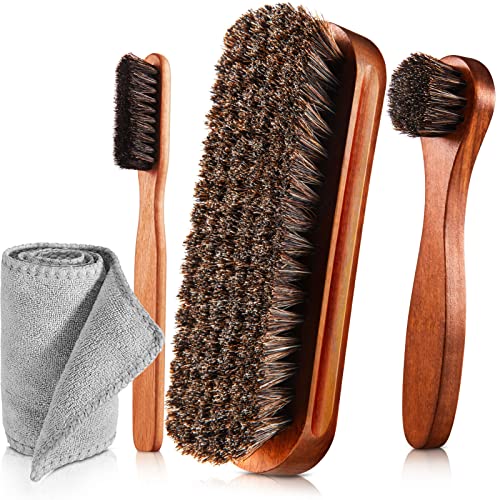
4 Pcs Horsehair Shine Shoes Brush Kit Polish Dauber Applicators Cleaning Leather Shoes Boots Care Brushes Suede Cleaner Brush with Microfiber Shoe Cloth(4 Pcs Style A)
Shoes Shine Brush Set - There are 1 x large size shine brush, 1 x long handle horsehair...
As an affiliate, we earn on qualifying purchases.
Choosing the Perfect Outer Layer to Block Wind and Water

Choosing the right outer layer is essential for effectively blocking wind and water while maintaining breathability. Your outer shell determines how well you stay dry and comfortable during winter activities. To pick the best one, consider these key factors:
Selecting the right outer shell keeps you dry, comfortable, and protected from wind and water during winter adventures.
- Material: Opt for waterproof/breathable membranes like Gore-Tex or comparable fabrics that block moisture but allow vapor escape. These materials utilize advanced membrane technology to provide effective protection without sacrificing ventilation. Modern fabric construction techniques enhance durability and performance in harsh conditions. Incorporating smart textile innovations can further improve moisture management and adaptivity to changing weather. Understanding the material performance can help you select gear suited for your specific needs.
- Seam Sealing: Ensure seams are taped to prevent leaks where water can intrude.
- Fit: Look for a fit that’s roomy enough for layers underneath without restricting movement.
- Features: Prioritize adjustable hoods, cuffs, and storm flaps for sealing out wind and rain.
Adding a technical reference to pool terminology can help deepen your understanding of material technology.
A good outer layer balances protection with breathability, keeping you dry without trapping sweat.
Amazon Product B0C8TFMSLL
As an affiliate, we earn on qualifying purchases.
Practical Tips for Managing Extremities and Accessories

Managing extremities and accessories effectively is essential for maintaining warmth and comfort in winter conditions. Start with a well-insulated hat or balaclava to minimize heat loss from your head, especially in windy weather. Layer gloves—wear liner gloves underneath insulated mittens or shell gloves—so you can adjust for activity and temperature. Choose waterproof, insulated boots with enough room for thick socks to prevent circulation issues. Use moisture-wicking socks to keep feet dry. Protect your neck and face with gaiters, scarves, or masks to block wind and manage sweat. Carry spare glove liners, socks, and a packable hat for prolonged exposure or wet conditions. Proper management of these small but critical accessories ensures you stay warm, dry, and comfortable throughout winter adventures. Incorporating waterproof footwear can significantly enhance your protection against wet and cold environments. Additionally, selecting insulated accessories designed for winter can provide extra layers of warmth when needed. Paying attention to layering techniques can further optimize overall warmth and comfort during outdoor activities.
Balancing Style and Function in Layered Winter Outfits

Balancing style and function in layered winter outfits requires thoughtful coordination to guarantee you stay warm without sacrificing your personal look. To achieve this, consider these key tips:
- Choose versatile colors and textures—combine neutrals with bold accents to keep your outfit fresh yet practical.
- Layer with purpose—select fitted base layers and structured outer pieces that complement each other, maintaining a sleek silhouette.
- Prioritize fit and proportion—avoid bulk by tailoring layers to your body, ensuring comfort and style go hand in hand.
- Incorporate statement accessories—use scarves, hats, or gloves to add color or texture, elevating your look while serving functional purposes.
Adapting Your Layering Strategy for Different Activities and Conditions

You need to adjust your layers based on the activity and weather to stay comfortable and protected. For high-intensity efforts, opt for lighter, moisture-wicking base layers and well-ventilated mid-layers, while low-activity or cold conditions call for heavier insulation. Match your outer shell to the weather—waterproof for rain or snow, and breathable for wind—to guarantee ideal performance and comfort. To ensure your outdoor gear is suitable for your setup, consider materials and fuel primers, which can help you choose the best clothing and equipment to stay warm and dry. Additionally, understanding the success journey of influential musicians and personalities can inspire your approach to outdoor pursuits and personal growth. Proper layering techniques are essential to adapt quickly to changing conditions and maintain optimal warmth, especially when selecting high-quality home decor and gift ideas that combine style with functionality for your living space.
Adjust Layers for Activity
Adapting your layering system to different activities and conditions guarantees ideal comfort and protection. Your approach should change based on exertion level, environment, and weather. Incorporate layering strategies that are responsive to changing conditions to maintain consistent warmth and safety. 1. High-intensity activities: Opt for lightweight, moisture-wicking base layers and minimal insulation to prevent overheating and sweat buildup. Use breathable shells to allow vapor escape. Incorporate Free Floating elements like ventilation zippers to further regulate temperature during exertion. Additionally, choosing layers with adjustable features allows for quick modifications as activity levels fluctuate. A well-designed layering system can also prevent overheating, ensuring you stay comfortable during intense movements. Utilizing layering principles can help you build adaptable outfits suited for quick changes in activity intensity. 2. Low-activity or static situations: Add mid-layers like fleece or down to trap heat, and use waterproof outer shells for prolonged exposure to snow or rain. 3. Cold, windy days**: Prioritize windproof outer layers and thicker mid-layers, ensuring your outfit blocks drafts and retains heat. 4. Wet conditions**: Focus on waterproof shells and avoid heavy mid-layers that trap moisture, keeping your layers breathable and dry. Adjusting layers keeps your comfort ideal and your warmth consistent, no matter the activity.
Match Outer Layers to Weather
Choosing the right outer layer depends heavily on the weather conditions you’ll face, as it directly influences your comfort, protection, and activity performance. For windy days, opt for a windproof shell to block chill and reduce wind chill effects. When rain or snow are expected, use a waterproof, breathable jacket with sealed seams to keep moisture out while allowing vapor to escape. If you’ll be active in high-exertion situations, choose a lightweight, highly breathable shell to prevent overheating and sweat buildup. For cold, calm days, a heavier, insulated outer layer can provide extra warmth. Remember, fit matters—your outer layer should accommodate your mid and base layers without binding. Adjust your outerwear based on the forecast, activity level, and intensity to stay comfortable and dry.
Tailor Insulation for Conditions
Adjusting your insulation layer based on activity and weather conditions guarantees ideal warmth and comfort. To do this effectively, consider these strategies:
- Choose lightweight mid-layers for high-intensity activities like running or skiing, where excess bulk can hinder movement.
- Opt for mid-weight or down insulation when staying stationary or in very cold weather to maximize warmth without sacrificing mobility.
- Use removable or ventilated mid-layers during variable exertion to regulate heat and avoid overheating.
- Select waterproof or windproof outer shells that complement your insulation, especially in wet or windy conditions, to prevent heat loss.
Frequently Asked Questions
How Do I Choose the Right Base Layer Material for My Activity?
You should choose your base layer material based on your activity level and conditions. For high-intensity activities, go for lightweight merino wool or synthetic fabrics like polyester—they wick moisture fast and keep you dry. If you’re staying still or in cold weather, opt for midweight or silk for extra warmth. Avoid cotton, as it traps moisture and can make you colder. Always pick a snug fit to maximize moisture transport and comfort.
What Are the Best Mid-Layer Options for Wet Versus Dry Conditions?
Imagine facing unpredictable weather—your mid-layer becomes your secret weapon. For wet conditions, opt for synthetic insulated jackets or fleece with moisture-wicking properties, keeping you warm even when damp. In dry weather, lightweight down or wool insulators trap heat efficiently, offering cozy warmth without weight. The right choice depends on moisture exposure, so choose accordingly to stay comfortable and protected, no matter what the weather throws at you.
How Can I Prevent My Outer Shell From Losing Breathability Over Time?
To prevent your outer shell from losing breathability over time, regularly reproof it with a waterproofing spray or wash-in treatment designed for breathable fabrics. Always follow the manufacturer’s care instructions, avoiding harsh detergents and fabric softeners that can clog pores. After washing, guarantee seams are sealed properly. Store your shell in a cool, dry place, and reapply water-repellent treatments periodically, especially after exposure to dirt, oils, or heavy use.
What Layering Techniques Protect Against Extreme Wind Chill?
You can beat wind chill like a fortress by layering smartly. Start with a snug, moisture-wicking base layer to keep sweat away. Add an insulated mid-layer for warmth, then top it with a windproof, waterproof outer shell that blocks even the fiercest gusts. Make sure your outer layer has sealed seams and a high collar. Don’t forget a windproof hat and gloves—these tiny shields make a huge difference.
How Do I Balance Style and Warmth Without Bulk in Winter Outfits?
You can balance style and warmth by choosing fitted, lightweight layers that add insulation without bulk. Opt for sleek merino wool base layers and slim mid-layers like thin fleece or down vests. Select tailored outerwear with a flattering cut and strategic details like belts or structured fabrics to maintain your silhouette. Use accessories like scarves or hats to add color and texture, and focus on neutral tones for a polished look that’s winter-ready.
Conclusion
Mastering winter layering is your secret weapon against the cold, transforming you into an unstoppable force of warmth and style. By knowing your base, mid, and outer layers, you create a fortress that blocks wind, water, and frost—making winter feel like a mild breeze. Keep your extremities cozy and accessories smartly chosen, and you’ll conquer any chill with confidence. Stay sharp, stay warm, and let your winter wardrobe be your ultimate armor against the icy world outside.