Exotic skins like crocodile, alligator, and ostrich have long symbolized luxury, but ethical concerns challenge their appeal. Many sources come from endangered species or involve questionable farming practices, risking illegal poaching and animal suffering. Regulations now demand transparency and sustainable methods, prompting innovations like lab-grown leathers and plant-based alternatives. If you want to understand how designers balance luxury and responsibility, keep exploring these evolving solutions and industry shifts.

Get your wardrobe favorites delivered free — and shop member deals
- Fast, free delivery on millions of items
- Access to Prime Big Deal Days deals on October 6–7
- Prime Video, Amazon Music and more included
Key Takeaways
- Exotic leather sourcing often involves endangered species, raising concerns about illegal poaching and biodiversity loss.
- Ethical issues include animal suffering during harvesting and the lack of transparency in supply chains.
- Stricter regulations like CITES aim to control trade but complicate sourcing and increase costs for brands.
- Innovations such as lab-grown or synthetic alternatives seek to reduce environmental and ethical impacts.
- Consumer demand for transparency and sustainability pressures luxury brands to adopt responsible sourcing practices.
The Allure of Exotic Leathers in Luxury Fashion
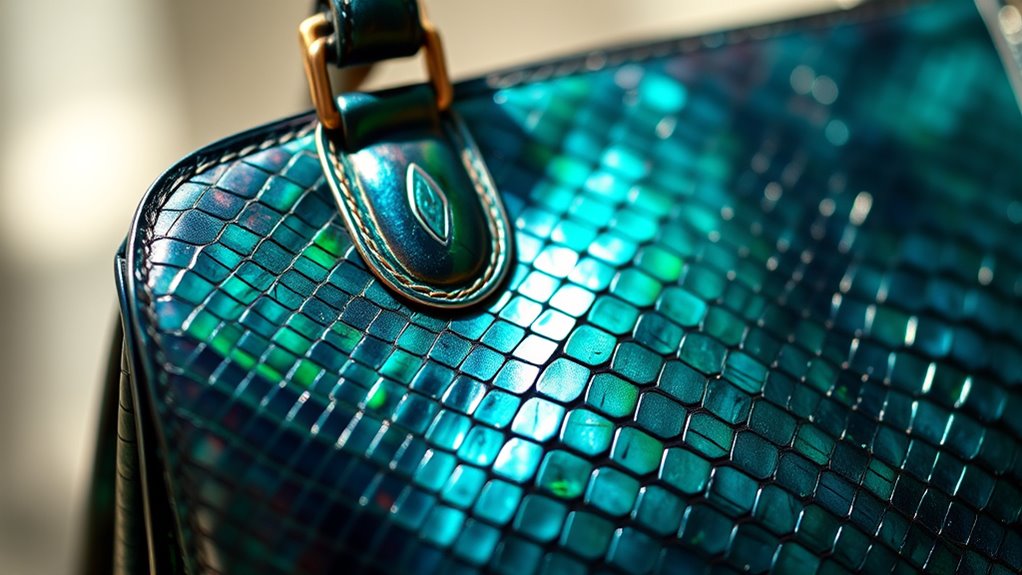
Have you ever wondered why exotic leathers remain so coveted in luxury fashion? It’s because they offer unmatched exclusivity, texture, and visual appeal that standard leathers can’t match. Crocodile and alligator skins, for example, feature distinctive scales that create a sense of bold sophistication. Ostrich leather stands out with its soft, pebbled grain, perfect for high-end bags and shoes. Snake and stingray leathers provide unique patterns and a luxurious feel that appeal to those seeking individuality. These materials are often associated with craftsmanship, rarity, and status, making them highly desirable among luxury consumers. The allure isn’t just about aesthetics; it’s about owning a piece of something rare and refined, elevating personal style and signaling wealth and taste. Moreover, the sustainability concerns surrounding the use of exotic skins have sparked ongoing debates about ethics and environmental impact in the luxury industry.
Ethical Concerns Surrounding Exotic Skin Sourcing

As demand for exotic leathers grows, ethical concerns about how these skins are sourced come to the forefront. You might wonder if the animals are farmed responsibly or captured ethically. Many exotic skins come from species threatened or endangered, raising fears of illegal poaching and habitat destruction. Some suppliers cut corners, ignoring sustainability or animal welfare standards to meet high demand. The lack of traceability makes it difficult to verify ethical practices, leaving consumers uncertain about the origins of their luxury goods. Additionally, the harvesting process can cause unnecessary suffering, especially if suppliers prioritize profit over animal rights. The high refresh rates of projectors enhance gaming experiences, but ethical sourcing ensures that the thrill doesn’t come at the cost of animal welfare. As a result, many brands face scrutiny, and your awareness of ethical sourcing influences your choices when purchasing exotic leather products.
Regulatory Landscape and Its Impact on the Market

Regulatory changes are reshaping the luxury leather market, especially for exotic skins. You’ll notice stricter international rules like CITES, which limit trade and increase costs for rare species. In 2025, US tariffs on reptile hides further raise prices and encourage brands to seek alternative sources. These regulations push you to prioritize transparency and responsible sourcing, often through blockchain tracking systems. Innovative tanning methods, such as waterless and plant-based processes, are gaining traction to meet environmental standards. As a result, some luxury brands adapt by exploring lab-grown or synthetic options to navigate legal hurdles and reduce ecological impact. Overall, the evolving regulatory landscape compels you to balance market demand with ethical commitments, shaping the future availability and perception of exotic leather goods.
Innovations and Alternatives in Sustainable Exotic Leather Production
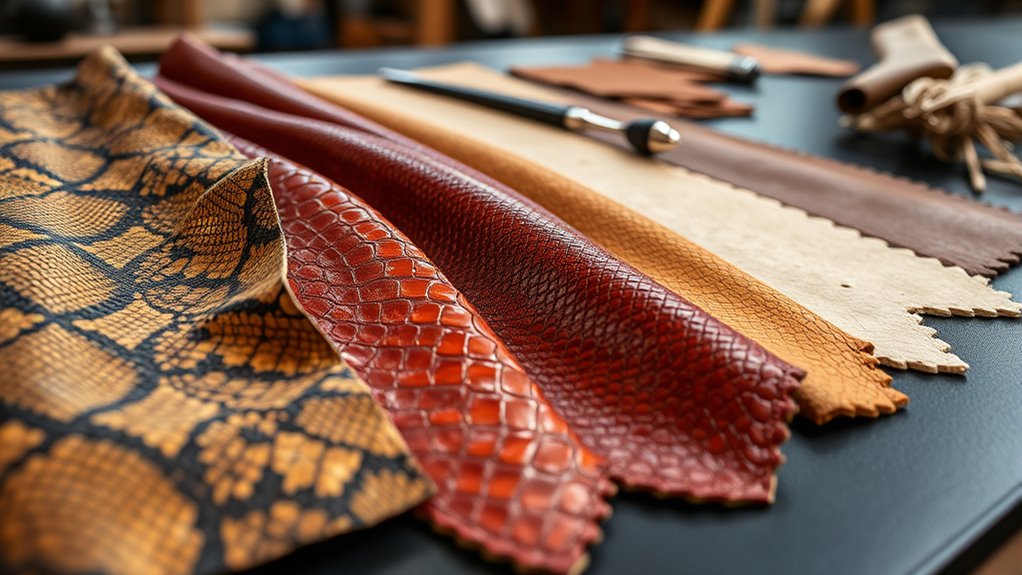
Innovations in sustainable exotic leather production are transforming the luxury market by offering eco-friendlier alternatives that meet both ethical standards and consumer demand. You can now find lab-grown skins, which use cellular agriculture to produce realistic leather without harming animals. Waterless and plant-based tanning methods reduce environmental impact compared to traditional processes, cutting water use and chemical waste. Researchers are developing biofabricated leathers from mushroom mycelium, cactus, and other plant fibers, mimicking the texture and durability of exotic skins. Some brands are exploring recycled and upcycled materials, turning waste into luxury products. These innovations help brands improve traceability, transparency, and sustainability. Additionally, advances in smart home technology are enabling more sustainable practices in manufacturing and supply chain management. As a result, you get high-quality, ethically produced options that align with your values while maintaining the luxury and exclusivity you desire.
Balancing Luxury, Ethics, and Consumer Expectations
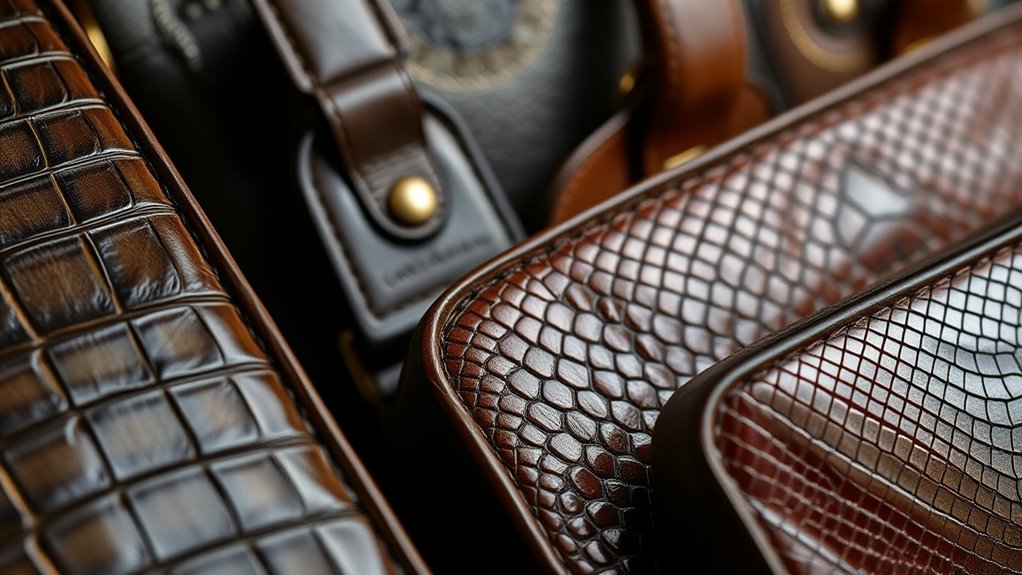
Emerging sustainable alternatives are reshaping how luxury brands meet growing consumer demand for ethically produced exotic leathers. You now expect transparency, traceability, and eco-friendly practices from brands. To balance luxury, ethics, and expectations, brands are adopting innovative methods like plant-based and lab-grown leathers, plus blockchain tracking. Here’s a quick look at key factors:
| Aspect | Consumer Expectation | Brand Response |
|---|---|---|
| Ethical Sourcing | Responsible, traceable supplies | Transparency and certifications |
| Environmental Impact | Sustainable production methods | Waterless tanning, eco-friendly dyes |
| Luxury Quality | Premium craftsmanship | Maintaining high standards |
| Market Trends | Personalization, exclusivity | Customization and limited editions |
You need brands that prioritize ethics without compromising luxury, aligning consumer values with product excellence. Including traceability, brands can better demonstrate their commitment to ethical sourcing and environmental responsibility.
Frequently Asked Questions
How Do Luxury Brands Verify the Ethical Sourcing of Exotic Skins?
You verify the ethical sourcing of exotic skins by checking if brands use transparent supply chains, often verified through blockchain technology. They ensure suppliers follow strict regulations like CITES, which controls endangered species trade. You can also look for certifications from third-party organizations, traceability reports, and sustainability disclosures. Brands committed to ethics actively monitor and audit their supply chains to confirm responsible sourcing practices, giving you confidence in their commitment to sustainability.
What Are the Environmental Impacts of Traditional Exotic Leather Tanning Methods?
Think of the environmental impact like a ripple in a pond—traditional exotic leather tanning creates lasting waves. You cause pollution by using toxic chemicals like chromium, which contaminates water sources and harms ecosystems. Water-intensive processes and hazardous waste disposal further damage the environment. These methods often lead to soil and water pollution, threatening wildlife and communities. That’s why many brands seek eco-friendly tanning alternatives to reduce their ecological footprint.
Are Lab-Grown or Synthetic Exotic Leathers Truly Sustainable and Cruelty-Free?
Lab-grown or synthetic exotic leathers are generally more sustainable and cruelty-free than traditional options. You avoid harming animals and reduce environmental impacts linked to farming and tanning processes. These materials use less water, energy, and chemicals, making them eco-friendlier. While some concerns about synthetic plastics exist, innovations in biodegradable and plant-based options are emerging, further enhancing their sustainability. Overall, they offer a promising alternative for conscious consumers seeking luxury without ethical compromise.
How Do CITES Regulations Influence the Availability of Exotic Skins Globally?
Imagine a vast garden where exotic skins are rare, delicate blooms. CITES regulations act as skilled gatekeepers, deciding which flowers can bloom freely and which must be kept safe. These rules limit access to certain skins, making them harder to obtain globally. As a result, suppliers may seek alternative sources or materials, influencing market availability, costs, and how luxury brands craft their prized products.
What Steps Are Consumers Taking to Ensure Ethical Purchasing of Luxury Leather Goods?
You’re increasingly researching brands’ sourcing practices and choosing those committed to ethical standards. You look for certifications like CITES and transparency in supply chains. You prefer products from suppliers using sustainable, traceable methods and avoid items linked to illegal or unethical harvesting. Social media influences your decisions, prompting you to support brands that prioritize animal welfare and environmental responsibility, ensuring your luxury purchases align with your values.
Conclusion
As you navigate the world of luxury leather, consider whether the allure of exotic skins outweighs the ethical concerns they raise. Can the industry find a way to balance opulence with responsibility? With innovations and increased awareness, there’s hope for more sustainable choices that satisfy both your desire for exclusivity and your conscience. Ultimately, it’s up to you to decide if luxury can truly be ethical—are you willing to choose differently?
Fall Picks
fall essentials
As an affiliate, we earn on qualifying purchases.