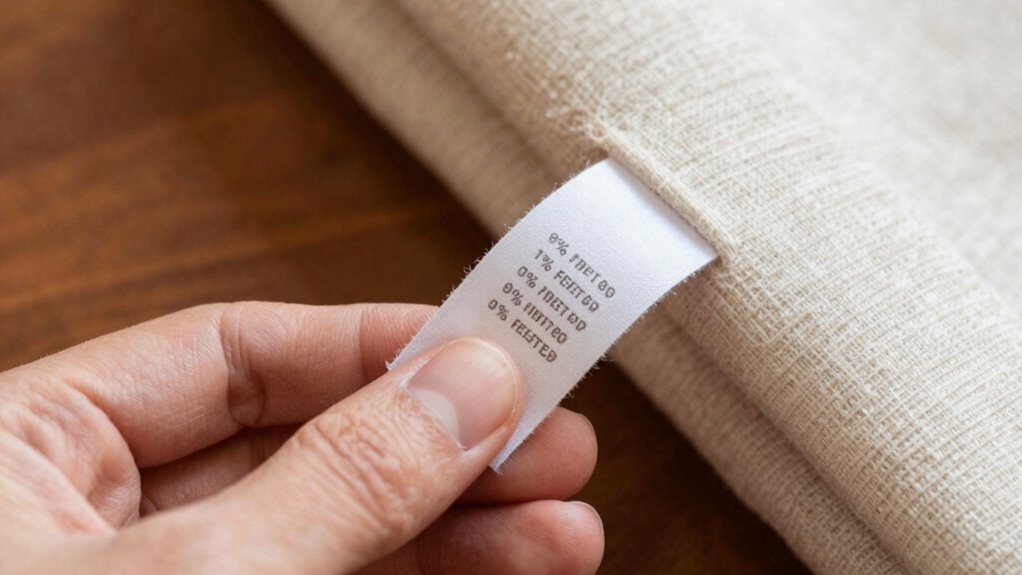

To read fabric composition with confidence, start by checking the labels for fiber percentages, like “80% polyester, 20% cotton.” Understand the difference between natural fibers like cotton and wool, which need gentle care, and synthetic fibers like polyester, which are more durable. Recognize abbreviations and blends, and look for eco-friendly certifications for sustainable choices. If you continue exploring, you’ll gain even more tips to shop smarter and care for your garments better.

Get your wardrobe favorites delivered free with Prime
- Fast, free delivery on millions of items
- Prime Video, Amazon Music and more included
- Member-only deals all year
Key Takeaways
- Always check the fiber percentage on the label to understand the fabric’s blend and care requirements.
- Learn common abbreviations (e.g., “Poly” for polyester, “Cotton”) to quickly identify fiber types.
- Recognize that higher percentages of natural fibers often require gentler washing methods.
- Look for eco-friendly certifications or labels indicating sustainable sourcing practices.
- Compare fabric compositions across garments to select durable, suitable options for your needs.
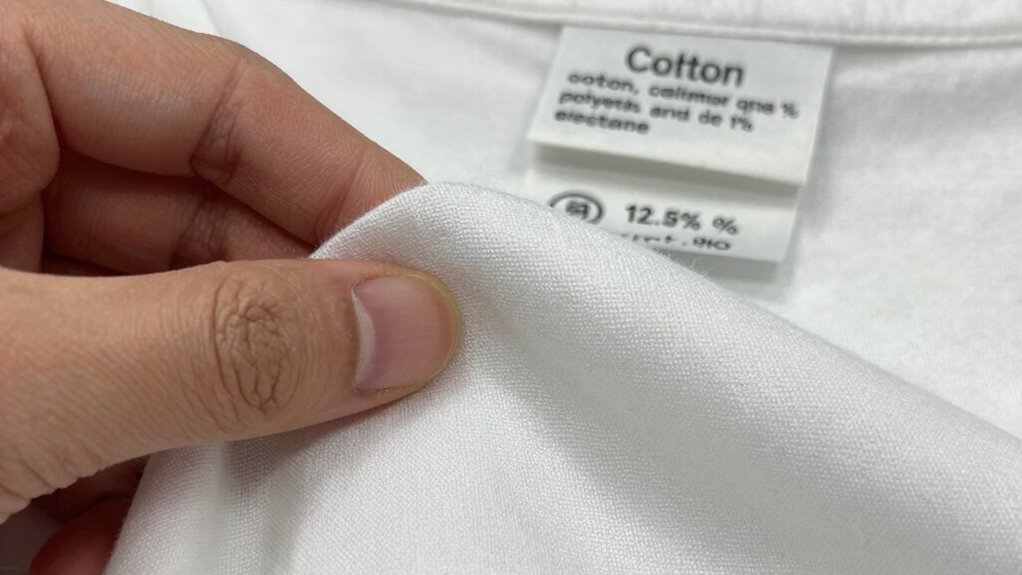
Understanding how to read fabric composition is essential for making informed clothing choices. When you know what materials your garments are made of, you can better care for them and select options that align with your values, such as sustainability. Fabric composition labels reveal the blend of fibers used, which directly impacts fabric care tips and the garment’s longevity. For example, natural fibers like cotton and wool often require gentle washing, while synthetic fibers like polyester are usually more durable and resistant to shrinking. Recognizing these differences helps you maintain your clothes properly and extend their lifespan.
Reading fabric labels also gives you insight into sustainable sourcing practices. Many brands now highlight eco-friendly materials or ethical manufacturing processes. When you understand fabric composition, you can identify clothing made from sustainable sources, such as organic cotton or recycled fibers. This knowledge empowers you to support brands committed to reducing environmental impact and ensures your clothing choices align with your values. Additionally, being aware of fabric blends allows you to select garments designed for durability or specific activities. For instance, a polyester blend may be ideal for activewear because it resists sweat and wear, while linen fabrics are great for breathability in hot weather.
Understanding fabric blends helps you choose durable, activity-specific clothing that aligns with your sustainability values.
It’s important to become familiar with common fabric abbreviations and percentages listed on labels. You might see labels stating “80% polyester, 20% cotton,” which indicates a synthetic blend that’s easy to care for and resistant to wrinkles. Conversely, a label like “100% wool” suggests a need for special fabric care tips, such as dry cleaning or gentle hand washing. When you understand these details, you can avoid damaging your clothes and keep them looking their best for longer. Gaining knowledge about fabric care can also help you prevent common mishaps like shrinking or fading, ultimately saving you time and money.
Knowing how to interpret fabric composition also helps you make smarter shopping decisions. You can compare different garments and choose ones that suit your lifestyle, budget, and environmental concerns. If sustainability is a priority, look for labels emphasizing eco-friendly fibers or certifications. By doing so, you’re not only investing in quality clothing but also contributing to a more sustainable fashion industry. Ultimately, mastering how to read fabric composition puts you in control of your wardrobe, helping you select, care for, and appreciate your clothes with confidence.
As an affiliate, we earn on qualifying purchases.
Frequently Asked Questions
What Do Fabric Codes Like “100% Cotton” Really Mean?
When you see fabric codes like “100% cotton,” it means the material is entirely made of cotton fibers. Knowing this helps you follow proper fabric care tips, like washing in cold water or avoiding bleach, to preserve its quality. It also raises awareness of the environmental impact, as natural fibers like cotton can be eco-friendly if grown sustainably. Understanding these codes helps you make better choices for your wardrobe and the planet.
How Can I Tell if a Fabric Is Genuine or Synthetic?
To tell if a fabric is genuine or synthetic, start with fiber identification tests like burning or chemical analysis. Natural fibers like cotton or wool smell different when burned compared to synthetics, which melt or emit chemical fumes. You can also perform a water absorbency test—natural fabrics absorb water quickly, while synthetics repel it. These methods help verify textile authenticity, ensuring you know exactly what you’re getting.
Why Do Fabric Labels Vary Between Countries?
Think of fabric labels as passports—they reflect a country’s unique cultural standards and international labeling rules. You’ll notice variations because each country has its own regulations for fabric descriptions, labels, and safety standards. These differences help manufacturers meet local legal requirements and consumer expectations, making the labels a mirror of diverse cultural influences. So, when you see different labels, it’s a reminder that fabric standards travel across borders, shaped by local customs and international agreements.
What Is the Difference Between Blend and Pure Fabrics?
A blend fabric combines different fibers through fiber blending, creating a material with combined qualities. Pure fabrics, on the other hand, consist of only one type of fiber, ensuring fabric purity. Knowing the difference helps you choose fabrics based on durability, feel, and care requirements. Blends often offer a balance of benefits, while pure fabrics provide specific fiber characteristics. Always check labels to understand whether you’re dealing with a blend or pure fabric.
How Often Do Fabric Compositions Change Over Time?
Fabric compositions can change gradually over time due to material evolution and innovations in textile manufacturing. While some fabrics stay consistent, others evolve with new blends or sustainable fibers, impacting their lifecycle. You might worry about outdated info, but standards and labels typically reflect current compositions. Staying informed helps you understand these shifts, so you can confidently select fabrics that match your needs, knowing that fabric composition updates are part of ongoing material evolution.
natural fiber clothing care products
As an affiliate, we earn on qualifying purchases.
As an affiliate, we earn on qualifying purchases.
Conclusion
Now that you know how to read fabric labels like a pro, you’re practically a textile wizard! With this knowledge, you’ll never be fooled by tricky blends or deceptive tags again. You’ll confidently decode every fiber, turning fabric confusion into crystal-clear clarity in an instant. Get ready to conquer the wardrobe world, transforming your shopping trips into victorious battles of fabric mastery. From now on, fabric labels are your best friends—no secret can hide from your expert eyes!
eco-friendly fabric certifications
As an affiliate, we earn on qualifying purchases.
As an affiliate, we earn on qualifying purchases.
As an affiliate, we earn on qualifying purchases.
Halloween Picks
halloween
As an affiliate, we earn on qualifying purchases.