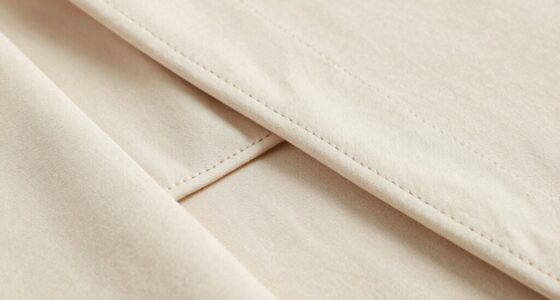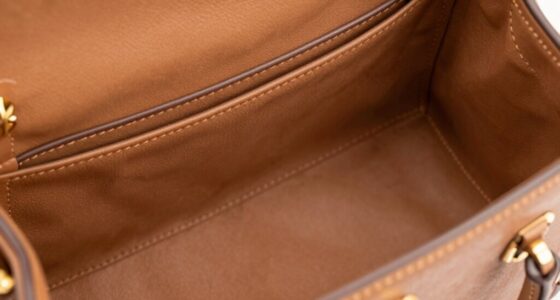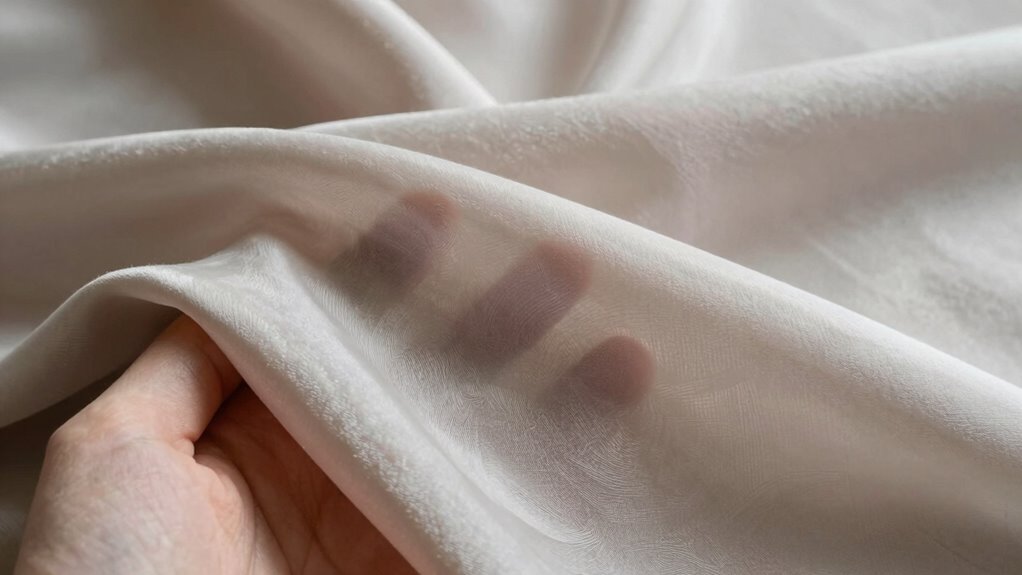

When choosing high-end fabrics, weight and handfeel are key indicators of quality, durability, and luxury. Heavier fabrics often mean denser weave and sturdier fibers, which last longer and feel substantial. Handfeel reveals the tactile experience—softness balanced with substance—that enhances comfort and perceived value. Together, these factors guarantee your garments look and feel exquisite while still being resilient. Curious to discover how to perfect this balance? Keep exploring to learn more.

Get your wardrobe favorites delivered free with Prime
- Fast, free delivery on millions of items
- Prime Video, Amazon Music and more included
- Member-only deals all year
Key Takeaways
- Fabric weight indicates durability, quality, and the density of fibers, influencing the overall luxurious feel.
- Consistent weight across fabric ensures manufacturing quality and long-term garment resilience.
- Handfeel reflects tactile luxury, combining softness and substance for an elevated wearing experience.
- The interplay between weight and handfeel determines fabric comfort, durability, and visual sophistication.
- Achieving the right balance enhances the garment’s longevity, aesthetic appeal, and tactile impression.
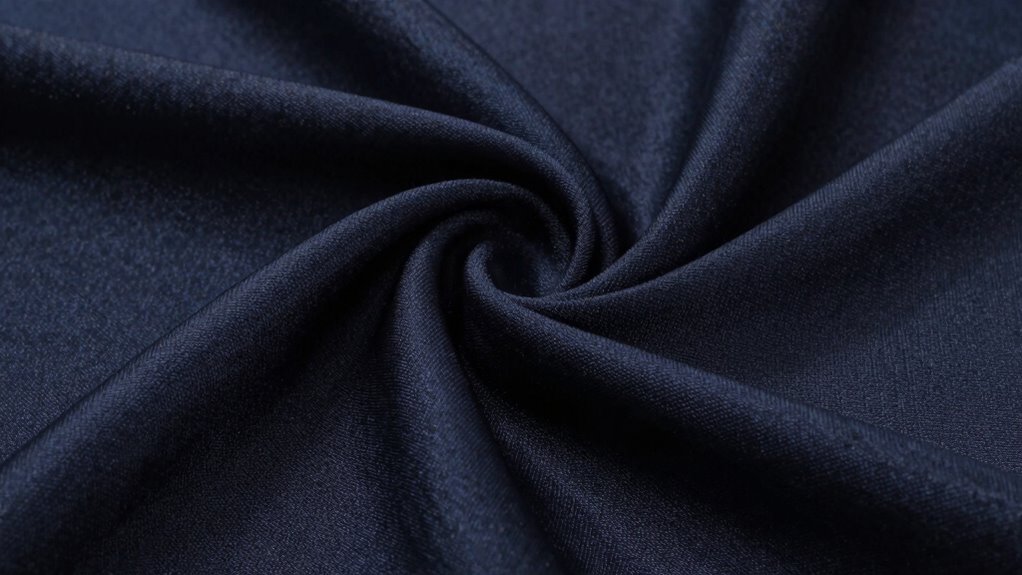
When evaluating high-end fabrics, weight and handfeel are two of the most critical factors that influence their quality and suitability for luxury garments. These elements aren’t just about appearance—they directly impact how the fabric performs, feels, and endures over time. Understanding the importance of textile weight variation and its connection to luxury fabric durability helps you select fabrics that meet your standards for both elegance and longevity.
The weight of a fabric serves as a foundational indicator of its quality. Heavier fabrics often suggest a denser weave or more substantial fibers, which can translate into greater durability and a more luxurious feel. However, weight alone isn’t enough; you also need to consider textile weight variation, which refers to how consistent the weight is throughout a fabric roll or sample. Variations can indicate inconsistencies in the manufacturing process, potentially leading to weak spots or uneven wear in garments. When you choose fabrics with controlled weight and minimal variation, you ensure your garments will be more resilient, maintaining their beauty and structure over time. Additionally, fabric consistency plays a crucial role in ensuring the fabric’s performance and appearance remain stable throughout its lifespan.
Handfeel refers to the tactile sensation you experience when touching the fabric—how it drapes, smooths, or crinkles. A high-end fabric should feel luxurious against your skin, offering a balance of softness and substance. The right handfeel enhances the wearer’s experience and elevates the perceived quality of the garment. Keep in mind that the handfeel is closely tied to fiber type and weave construction, which influence both the fabric’s tactile qualities and its overall durability. A fabric with a rich handfeel that also exhibits good structural integrity will stand up to daily wear and washing, retaining its appearance and comfort.
It’s essential to recognize that weight and handfeel are interconnected. For example, a lightweight fabric might still feel substantial if it has a dense weave or high-quality fibers, while a heavier fabric with poor construction can feel stiff or coarse. Therefore, when assessing luxury fabrics, don’t rely solely on weight; evaluate how it relates to the handfeel and the fabric’s construction. This comprehensive approach ensures you select textiles with optimal textile weight variation, combining durability, comfort, and sophistication. Additionally, understanding how fiber quality influences both weight and handfeel can help you make more informed choices about fabric longevity and luxury.
In the end, the most luxurious fabrics are those that strike the perfect balance: they’re substantial enough to last, feel exquisite to the touch, and maintain their integrity through wear. By paying close attention to weight and handfeel, you’re making an informed choice that guarantees your garments will not only look impressive but also endure the test of time.
As an affiliate, we earn on qualifying purchases.
Frequently Asked Questions
How Does Fabric Weight Affect Garment Durability?
Fabric weight directly influences garment durability, as heavier fabrics typically withstand wear and tear better. When you consider fiber composition, sturdier fibers like wool or silk add strength, while weaving techniques such as tight weaves enhance resilience. Heavier fabrics tend to hold their shape longer and resist pilling, making your garments last longer. So, selecting the right weight with quality fibers and skilled weaving guarantees your high-end pieces stay durable over time.
Can Handfeel Influence Fabric Price?
Yes, handfeel can influence fabric price because it directly affects your perception of fabric quality. When a fabric feels soft, smooth, and luxurious, you associate it with higher craftsmanship and exclusivity, often leading to a higher price. Consumers tend to pay more for fabrics with exceptional handfeel, as it signals premium quality. So, in high-end textiles, impressive handfeel can markedly boost a fabric’s market value and desirability.
Do Heavier Fabrics Always Feel More Luxurious?
Heavier fabrics don’t always feel more luxurious because texture perception plays a vital role. While weight perception can suggest durability and quality, it doesn’t guarantee a plush or refined handfeel. Some lightweight fabrics, like fine silks, can feel incredibly luxurious due to their smooth texture, whereas heavier fabrics might feel stiff or coarse. Ultimately, a fabric’s touch and how it perceives weight together influence its sense of luxury.
How Is Fabric Weight Measured in the Lab?
In the lab, fabric weight is measured by determining its fabric density using standardized measurement standards. You typically weigh a specific area of fabric—such as one square meter or yard—and then divide the weight by that area to get grams per square meter (GSM) or ounces per square yard. This precise measurement helps assess fabric quality and consistency, ensuring it meets high-end standards.
Can Fabric Weight Impact Environmental Sustainability?
Sure, your fabric weight can totally impact sustainability. Lighter fabrics made with sustainable fibers and eco-friendly dyes reduce resource use and waste. By choosing these options, you save water and energy, making your wardrobe greener. So, next time you pick a fabric, remember—lighter isn’t just more comfortable, it’s a smarter, eco-friendlier choice. After all, who knew that fabric weight could save the planet?
high-end fabric handfeel samples
As an affiliate, we earn on qualifying purchases.
As an affiliate, we earn on qualifying purchases.
Conclusion
Ultimately, understanding weight and handfeel helps you choose fabrics that truly elevate your style. Think of these qualities as the heartbeat of luxury—delivering comfort, drape, and durability that speak volumes without a word. Don’t settle for less; feel the difference, trust your senses, and let your wardrobe tell a story of sophistication. After all, isn’t it the details that turn a garment into a statement? Embrace the tactile and make every fabric count.
As an affiliate, we earn on qualifying purchases.
premium textile durability testing tools
As an affiliate, we earn on qualifying purchases.
As an affiliate, we earn on qualifying purchases.
Halloween Picks
halloween
As an affiliate, we earn on qualifying purchases.