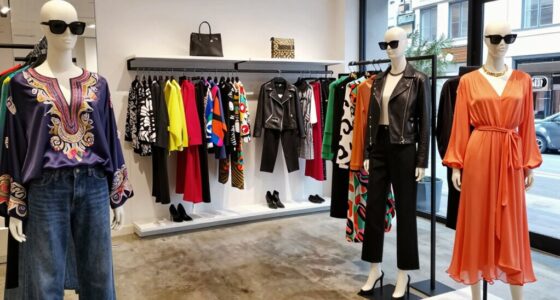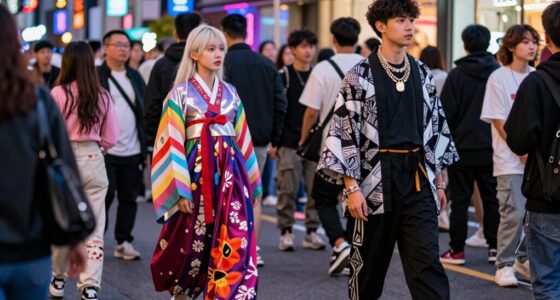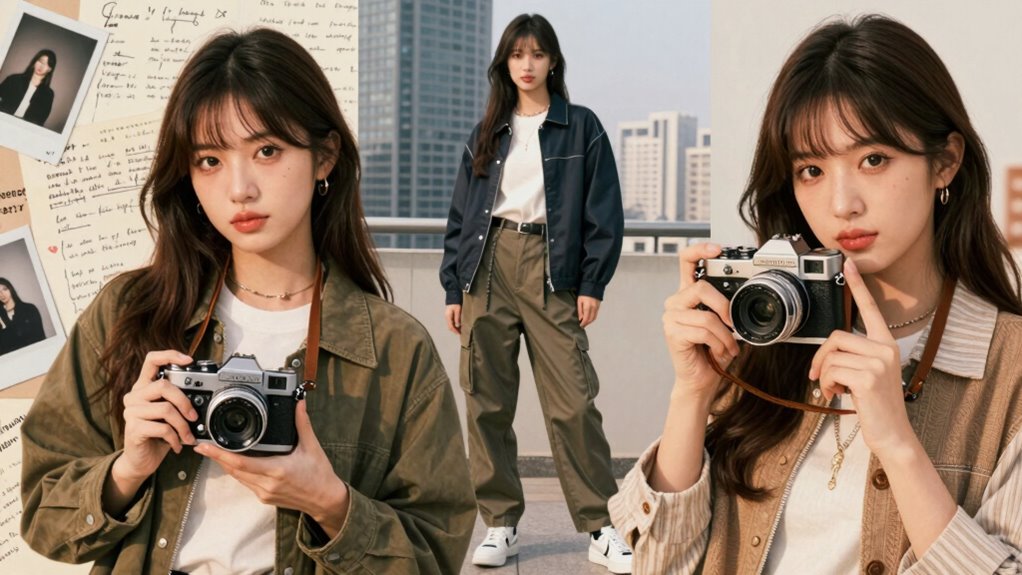

Over the past decade, you’ve seen fashion blogging grow from personal websites to influential digital platforms. Early pioneers shared style tips, gaining recognition and inspiring mainstream brands to collaborate. As the industry shifted, bloggers became full-fledged influencers, leveraging social media to connect directly with audiences. Now, niche micro and nano-influencers shape trends and foster authenticity, transforming fashion communication into an interactive, democratized space. Exploring this evolution reveals how genuine voices continue to redefine fashion influence’s future.
Key Takeaways
- Fashion blogging began with personal websites and online journals before 2002, growing rapidly with platforms like Blogger and WordPress by 2004-2005.
- Early blogs gained mainstream recognition, influencing industry events and leading to greater media coverage and influence by 2010.
- The industry shifted from curated text-heavy content to visual storytelling, emphasizing immediacy, relatability, and personal expression.
- Micro and nano-influencers emerged, fostering authentic, niche communities and democratizing fashion influence beyond traditional celebrities.
- Influencers now blend personal style with brand collaborations, shaping trends through genuine engagement and short-form visual content.

Vlogging Kit for iPhone/Android, YouTube Starter Kit with Wireless Microphone/Camera Tripod/Flexible Tripod/RGB Fill Light, Content Creator Essentials Kits for TikTok Vlog Video Recording
One-Stop Shop for Professional Vlogging:This vlogging kit is meticulously designed for video creators, offering a complete set of…
As an affiliate, we earn on qualifying purchases.
As an affiliate, we earn on qualifying purchases.
The Early Days of Fashion Blogging and Its Pioneers

The early days of fashion blogging began before 2002, with pioneers experimenting with new online platforms to share their style insights. You might have started by writing on personal websites or simple online journals, exploring ways to showcase your fashion sense. Kathryn Finney’s Budget Fashionista gained attention when she was invited to New York Fashion Week in September 2003, highlighting how influential these early voices could become. That same year, nogoodforme launched, marking one of the first dedicated fashion blogs. Platforms like Blogger and WordPress emerged around 2004-2005, making it easier for you and others to create and publish content. Diane Pernet’s A Shaded View on Fashion, launched in 2005, further elevated the space, blending personal style with industry commentary and setting a foundation for future growth. As technology advanced, high-quality images and color accuracy became essential tools for bloggers to enhance their visual storytelling and connect more effectively with their audiences.

MOUNTDOG Softbox Lighting Kit, 2×19.7"x27.5" Photography Continuous Lighting System with 2pcs 85W 5700K E27 Socket LED Bulbs and Remote for Portrait Product Fashion Photography
【2x Softboxes】The two softboxes work perfectly together to soften the light, high reflectivity, and remove shadows to achieve…
As an affiliate, we earn on qualifying purchases.
As an affiliate, we earn on qualifying purchases.
Rapid Expansion and Mainstream Recognition in the 2000s
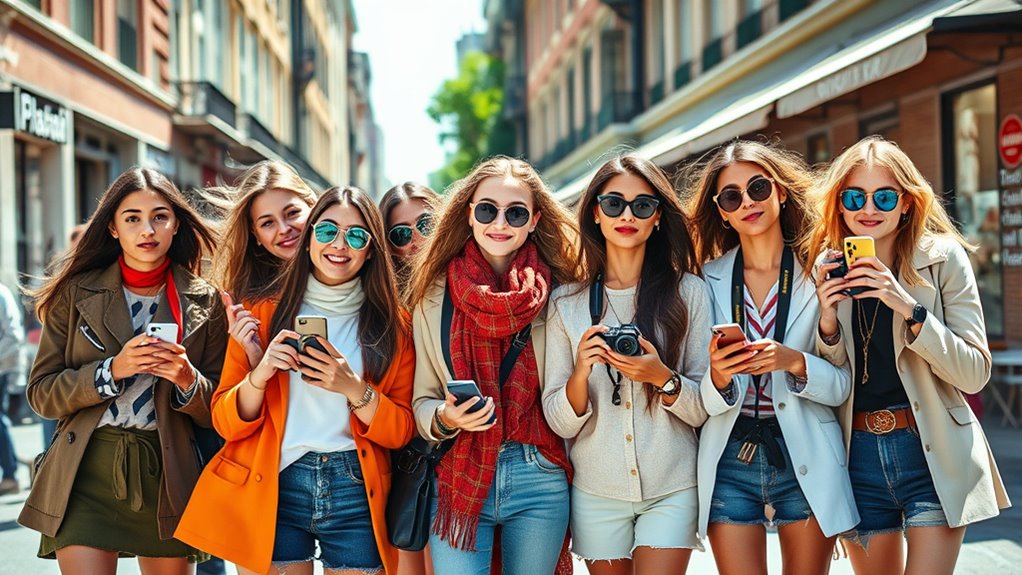
As the 2000s unfolded, fashion blogging experienced a rapid surge in popularity and visibility. Media mentions skyrocketed from just one in 2002 to over 100 by 2006, signaling mainstream interest. Platforms like Blogger and WordPress made it easier for anyone to start a blog, fueling growth. By 2010, over 2 million fashion-related blogs existed globally. This expansion led to increased industry recognition, with brands seeking influencers for marketing. The table below shows key milestones:
| Year | Event | Impact |
|---|---|---|
| 2009 | Bloggers seated front row at shows | Mainstream acceptance |
| 2006 | 2 million fashion blogs | Industry visibility |
| 2011 | 921,000 North American blogs | Regional influence |
| 2005 | Kathryn Finney invited to NY Fashion Week | Industry acknowledgment |
Additionally, the rise of body piercing culture and trends subtly influenced fashion aesthetics and personal expression among bloggers and influencers alike.

Street Style: An Ethnography of Fashion Blogging (Dress, Body, Culture)
As an affiliate, we earn on qualifying purchases.
As an affiliate, we earn on qualifying purchases.
Commercial Growth and the Shift in Advertising Strategies

As fashion blogs gained popularity, brands began shifting their advertising focus toward influencers who could offer authentic, relatable content. You’ll notice monetization opportunities opened up as bloggers attracted more sponsorships and ad requests, transforming blogging into a profitable venture. This progression changed the way brands reach audiences, favoring personal connections over traditional advertising channels. Additionally, the rise of influencer marketing has further solidified the significance of authentic engagement in the digital age.
Brands’ Shift to Influencers
Why did brands increasingly turn to influencers for advertising? As blogs gained popularity, brands recognized the power of personal connections and authentic content. Influencers offered a relatable voice that traditional ads couldn’t match, making campaigns more genuine and engaging. They provided targeted reach, often with higher engagement rates than magazines or TV. Plus, influencers’ loyal audiences trusted their recommendations, boosting product credibility. Additionally, the rise of Free Floating spaces has made influencer marketing even more flexible and impactful, allowing brands to seamlessly integrate their products into authentic lifestyle content.
Monetization and Advertising Trends
The landscape of fashion blogging has transformed dramatically through monetization and evolving advertising strategies. As your visibility grew, brands started shifting their marketing budgets from magazines to bloggers, recognizing the value of direct engagement. You now have multiple streams to monetize your content: sponsored posts, affiliate links, and brand collaborations. This shift is illustrated below:
| Traditional Advertising | Digital Monetization |
|---|---|
| Magazine ads | Sponsored blog posts |
| TV campaigns | Affiliate marketing |
| Print campaigns | Brand partnerships |
This visual shift shows how advertising strategies have moved from static placements to dynamic, personalized content. You’re no longer just a blogger; you’re an active influencer shaping brand narratives and earning revenue directly from your audience. Additionally, the integration of European cloud infrastructure supports the secure and sustainable management of your digital assets as your influence expands.

Visually Speaking: Mastering Photography as a Visual Language
As an affiliate, we earn on qualifying purchases.
As an affiliate, we earn on qualifying purchases.
The Peak of Influence and the Market Saturation
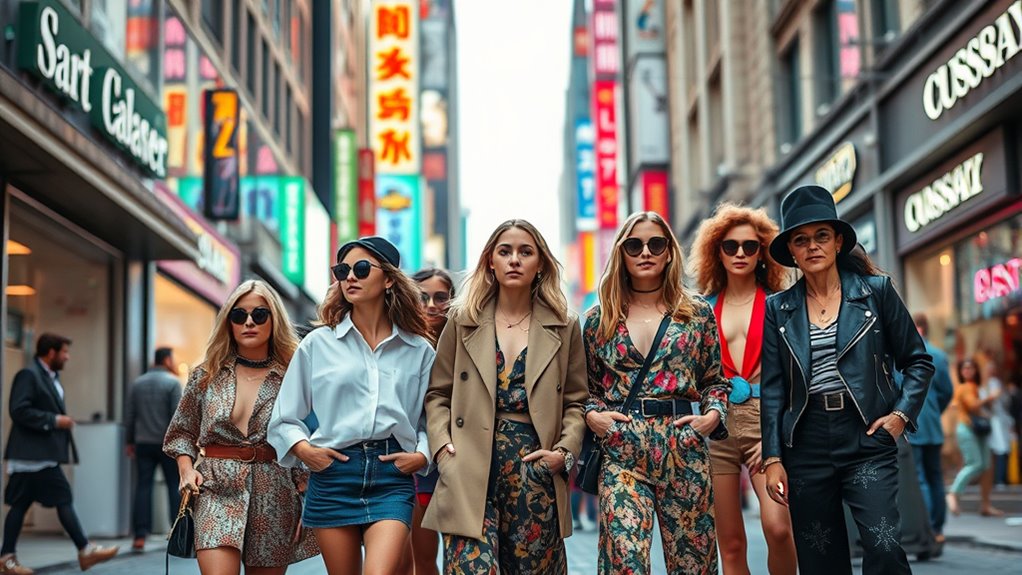
By the mid-2010s, fashion blogging had reached its peak influence, with countless blogs dominating the industry and shaping public trends. Your favorite bloggers became household names, and brands rushed to collaborate with them. Market saturation meant more blogs appeared daily, but fewer stood out. Competition intensified, making it harder to maintain unique voices. You saw:
- A surge in sponsored content, with bloggers’ posts turning into marketing tools
- The rise of micro-influencers, flooding feeds with similar styles and opinions
- An influx of new platforms, like Instagram, shifting the focus away from traditional blogs
While visibility hit its maximum, the quality and authenticity of content started to decline. This saturation signaled a turning point, paving the way for a redefined influencer landscape. Content quality became a crucial factor for maintaining audience trust amidst the crowded market.
Decline and Reconfiguration of the Blogging Landscape
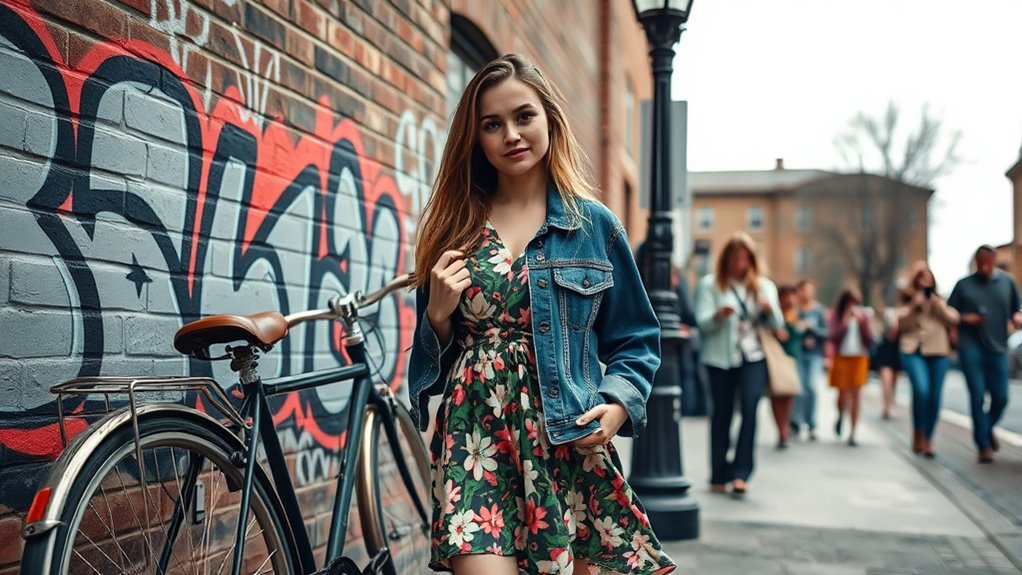
As the number of fashion blogs soared, the market became saturated, making it harder for individual voices to stand out. You’ve likely noticed a shift as many bloggers either scale back or change into influencer roles. This reconfiguration reflects changing audience preferences and the rise of digital influencers who now shape trends more than traditional blogs. Just as in deep-sky imaging, where equipment and techniques evolve to meet new challenges, the fashion blogging scene adapts with new platforms and strategies to maintain relevance.
Market Saturation and Decline
Market saturation has considerably altered the landscape of fashion blogging, leading to a noticeable decline in new content creation and overall influence. As more bloggers entered the scene, competition intensified, making it harder for individual voices to stand out. This oversaturation caused audiences to become more selective, and brands shifted their focus away from blogs to other digital platforms. You’ll notice fewer emerging blogs gaining traction, and many established ones reducing activity or closing altogether. The market now favors quality over quantity, with only a few sustained by monetization. Additionally, fuel injection cleaning services and other specialized niches have become more prominent, further diversifying the digital content landscape.
Shift to Influencer Culture
The rise of influencer culture has fundamentally reshaped the fashion blogging landscape, shifting focus from traditional blogs to dynamic social media personalities. You now follow content creators who share their style through quick, visually engaging posts on platforms like Instagram and TikTok, rather than long-form blog entries. These influencers connect directly with their audiences, building personal brands that blend fashion, lifestyle, and activism. Brands prefer influencers for their authentic engagement and targeted reach, often partnering with them for campaigns instead of traditional media. As a result, many bloggers transitioned into influencers, adapting their content to shorter formats and more personal tones. This shift reconfigured the industry, emphasizing immediacy, relatability, and visual storytelling over the curated, text-heavy blogs of the past. Additionally, this evolution highlights the importance of visual storytelling as a core element in modern fashion communication.
The Rise of Digital Influencers and the New Era of Fashion Communication

Digital influencers have revolutionized fashion communication by blending authentic personal style with strategic brand partnerships. You now see influencers shaping trends, launching products, and engaging audiences directly through social media. Their genuine voices create trust that traditional media can’t match, making them powerful marketing tools. You’ll notice how they personalize campaigns, promote niche brands, and set industry standards effortlessly.
- How influencers build community through real-time interactions
- The shift from glossy magazine ads to authentic, relatable content
- The rise of micro and nano-influencers driving niche markets
This new era means you can access style inspiration and product recommendations from everyday people, not just celebrities or editors. You’re part of a dynamic, interactive fashion landscape where influence is democratized and personalized.
Frequently Asked Questions
How Did Early Fashion Bloggers Gain Industry Credibility?
You gain industry credibility by attending major fashion events, sharing exclusive insights, and showcasing personal style that resonates with audiences. As early bloggers like Diane Pernet and Susie Lau documented runway shows and industry happenings, they built trust and recognition. Your consistent coverage, unique voice, and ability to connect with both fans and designers help you establish authority, making the industry see you as a valuable part of the fashion world.
What Factors Contributed to the Decline of Traditional Fashion Blogs?
You might think the decline of traditional fashion blogs was just about market saturation, but it’s more complex. As audiences sought more personal, relatable content, many blogs couldn’t keep up with the shift toward influencer-style sharing. Additionally, platforms like Instagram and TikTok made visual storytelling quicker and more engaging, leading to decreased traffic and relevance for long-form blogs. The rise of multimedia content ultimately shifted attention away from traditional fashion blogging.
How Did Monetization Strategies Evolve for Fashion Bloggers?
You saw fashion bloggers shift from simple content creators to savvy entrepreneurs by adopting diverse monetization strategies. They started earning through brand collaborations, sponsored posts, affiliate marketing, and ad revenue. As their audiences grew, they negotiated better deals and launched their own products or lines. This evolution allowed them to turn their passion into profitable careers, making monetization a core part of their brand-building efforts and increasing their influence in the industry.
In What Ways Did Bloggers Influence Mainstream Fashion Shows?
You see, by 2009, fashion bloggers gained front-row seats at major shows, changing the industry’s dynamics. This influence is evident as Dolce&Gabbana seated bloggers in prime spots, highlighting their growing importance. Your presence and coverage helped shape trends and brought insider access to a wider audience. Over time, this shifted the power, making bloggers key players in the fashion world, blurring the lines between media and industry insiders.
What Distinguishes Digital Influencers From Early Fashion Bloggers?
Digital influencers differ from early fashion bloggers mainly in their personal tone and broader focus. You notice that influencers build strong personal brands, often sharing diverse topics like feminism and pop culture, while early bloggers concentrated primarily on fashion content. Influencers leverage social media platforms like Instagram and TikTok for real-time engagement and visuals, making their influence more immediate and relatable compared to the more written, blog-centric approach of early fashion bloggers.
Conclusion
Over the past decade, fashion blogging has transformed from niche hobbyists to powerful influencers, shaping trends and marketing strategies. Did you know that in 2022, influencer marketing was valued at over $21 billion globally? This shift highlights how digital personalities now drive consumer decisions more than traditional advertising. As the landscape continues to evolve, staying adaptable and authentic will be key to thriving in this dynamic world of fashion communication.