
Throughout history, bold fashion choices have often sparked outrage, from provocative runway shows like Alexander McQueen’s “Highland Rape” to celebrity outfit controversies such as Lady Gaga’s meat dress. Designers and stars have pushed social boundaries, sometimes crossing ethical and cultural lines, like Rihanna’s religious symbols or Melania Trump’s controversial jacket. These moments challenge societal norms and highlight fashion’s power to provoke. Stay tuned to discover more about the most shocking fashion faux pas that shook the industry.
Key Takeaways
- Controversial fashion collections like Alexander McQueen’s “Highland Rape” challenged societal norms and ignited public outrage.
- Celebrity outfits such as Lady Gaga’s meat dress and Melania Trump’s “I really don’t care” jacket sparked animal rights and political debates.
- Fashion statements involving cultural symbols or political messages often led to accusations of insensitivity and cultural appropriation.
- Provocative styles in conservative settings or challenging gender norms have historically caused social disputes and backlash.
- Industry scandals like Gucci’s blackface sweater and John Galliano’s anti-Semitic remarks prompted major reforms and discussions on responsibility.

Controversial Truth Uncancelled Bold Statement Freedom Expression – Tee for Men & Women – Graphic T-Shirt (US, Alpha, XL, Regular, Regular, White)
👕 Premium Quality: Made from 100% soft, breathable cotton for everyday comfort and durability
As an affiliate, we earn on qualifying purchases.
As an affiliate, we earn on qualifying purchases.
Provocative Runway Shows That Sparked Outrage
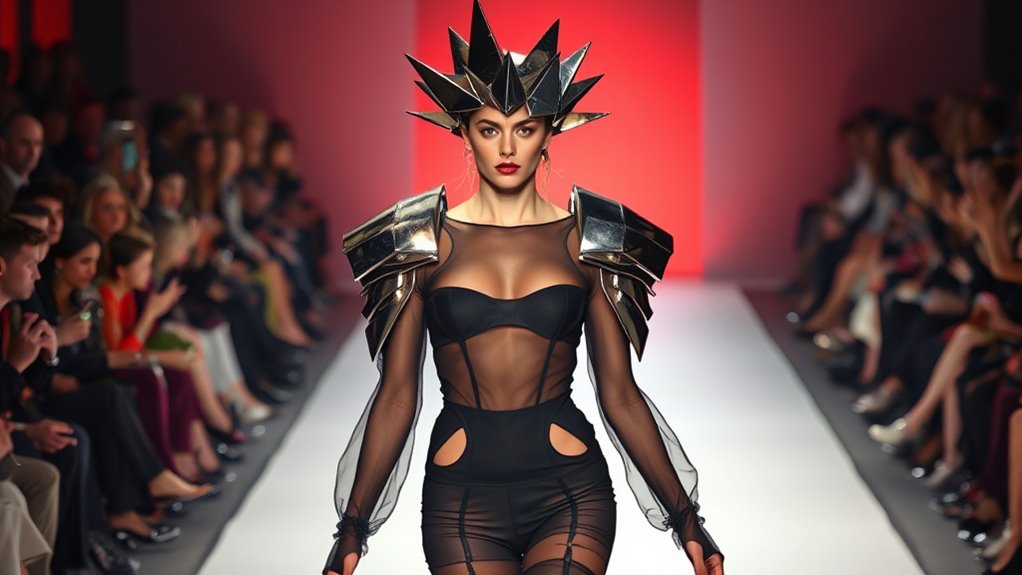
Throughout fashion history, some runway shows have ignited controversy by pushing societal boundaries and challenging norms. You’ve likely seen designs that sparked outrage or debate, from provocative themes to shocking visuals. For instance, Alexander McQueen’s 1995 “Highland Rape” collection was criticized for seemingly glamorizing violence, though the designer claimed it aimed to challenge perceptions of history and trauma. Jean Paul Gaultier’s religious and ethnic signifiers, like “Rabbi chic,” offended faith communities and ignited accusations of insensitivity. Rick Owens’ SS16 show, featuring models carrying political banners, led to on-site conflicts and discussions about the limits of political statements on runways. These shows demonstrate how pushing boundaries can provoke moral outrage and challenge societal perceptions of fashion’s role in activism and artistic expression. Additionally, the increasing use of controversial themes in fashion highlights how designers continue to provoke dialogue and challenge societal norms through their creative visions.

Smash the Patriarchy Button Pin 2.25 Inch – Feminist Empowerment Badge for Women, Pink Protest Pin with Raised Fist Design, Equality & Activism Accessory for Bags and Jackets
Empowering Feminist Design: This 2.25-inch button features a bold pink raised-fist graphic with flowers — a symbol of…
As an affiliate, we earn on qualifying purchases.
As an affiliate, we earn on qualifying purchases.
Celebrity Fashion Moments That Stirred Controversy

You’ve probably seen how a celebrity’s outfit can ignite intense debate, like Lady Gaga’s meat dress that sparked animal rights protests. Political statements, such as Melania Trump’s controversial jacket, often lead to heated discussions about messaging and image. Cultural symbols worn without context can also stir accusations of insensitivity, fueling ongoing conversations about respect and representation in fashion. Additionally, some haute couture pieces have historically challenged societal norms, sparking controversy and highlighting the power of fashion as a form of artistic expression.
Meat Dress Backlash
Why did Lady Gaga’s 2010 meat dress ignite such a fierce backlash? Because it challenged norms, stirred animal rights protests, and sparked debates over taste and activism. You might feel outraged, confused, or even impressed by her boldness. Here are four reasons why this outfit caused controversy:
- It symbolized a provocative stance on animal rights, angering activists who saw it as disrespectful.
- Critics argued it was tasteless, crossing boundaries of decency in celebrity fashion.
- It sparked discussions about artistic expression versus shock value, dividing public opinion.
- It drew accusations of insensitivity, with some perceiving it as trivializing serious ethical issues.
- The choice of material highlighted the importance of color accuracy in visual impact, making the outfit’s message even more striking.
Political Statement Sparks Debate
Lady Gaga’s meat dress highlighted how fashion can serve as a powerful platform for activism and provoke widespread debate. When celebrities wear political statements, they often stir controversy, intentionally or not. Melania Trump’s 2018 Zara jacket reading “I really don’t care, do u?” sparked fierce backlash, with critics questioning the message’s tone and sincerity. Similarly, Rihanna’s choice to wear culturally sensitive symbols without context ignited accusations of appropriation and insensitivity. These moments reveal how fashion becomes a battleground for political expression—sometimes galvanizing support, other times fueling outrage. As you witness such statements, remember that fashion’s power to challenge norms is double-edged: it can inspire change or deepen divides, depending on how it’s wielded. Regularly reviewing sticking wall decor techniques can also help express personal style in a way that’s both bold and well-presented.
Cultural Symbol Controversies
Cultural symbols in celebrity fashion can ignite fierce controversy when their meanings are misunderstood or taken out of context. You see, wearing a symbol without understanding its significance can offend, alienate, or provoke backlash. Consider these moments:
- Lady Gaga’s 2010 meat dress, which animal rights activists saw as disrespectful to animals.
- Rihanna’s religious symbol accessories, accused of cultural appropriation and insensitivity.
- Melania Trump’s “I really don’t care, do u?” jacket, interpreted as dismissive and politically charged.
- Janet Jackson’s Super Bowl wardrobe malfunction, which sparked debates over decency and cultural standards.
These incidents show how a simple outfit can become a lightning rod for cultural debates, revealing the power and pitfalls of symbols in celebrity fashion. Additionally, the importance of cultural awareness in fashion choices has grown as audiences become more diverse and socially conscious.

Runway Show: 100+ Professional Figure Templates for Fashion Designers: Fashion Sketchpad with 18 Croqui Styles in 6 Poses
As an affiliate, we earn on qualifying purchases.
As an affiliate, we earn on qualifying purchases.
Public Backlash Over Luxury Brand Campaigns
Luxury brand campaigns often face intense public backlash when their messaging or imagery crosses cultural, political, or ethical lines. You might see a campaign that aims to push boundaries, but instead, it sparks outrage and calls for accountability. For example, Prada’s 2019 ad featuring a blackface‑resembling motif drew widespread criticism, leading to product recalls and public apologies. Similarly, Dolce & Gabbana’s 2018 China-market videos were condemned for cultural insensitivity, resulting in canceled shows and influencer boycotts. These missteps highlight how brands risk alienating consumers and damaging reputations when their campaigns lack cultural awareness or sensitivity. Vetting and careful review processes are essential to prevent such oversights. Public backlash can be swift and severe, often forcing brands to issue apologies, withdraw products, or overhaul their marketing strategies to repair trust and avoid long-term fallout.
ethical and provocative fashion accessories
As an affiliate, we earn on qualifying purchases.
As an affiliate, we earn on qualifying purchases.
Designs That Crossed Ethical Boundaries
When brands push boundaries in their quest for provocative marketing or innovative design, they can easily cross ethical lines that spark public outrage. You might feel shocked or betrayed when fashion crosses moral boundaries, such as:
- Runway shows glamorizing violence or sexual assault, like Alexander McQueen’s “Highland Rape,” which trivialized trauma.
- Celebrity outfits that offend cultural or religious groups, like Rihanna’s insensitive religious symbol choices.
- Ad campaigns featuring racist or demeaning imagery, such as Prada’s controversial motifs or H&M’s “coolest monkey” hoodie.
- Collections that promote exploitation or violence, like bondage-themed shows or designs using blood-like materials, raising questions about taste and morality.
- The use of Free Floating design elements that can disrupt the harmony of an outfit or create unintended negative impressions.
When Fashion Choices Clash With Social Norms
You’ve likely seen fashion trends that push boundaries or challenge social expectations, sparking controversy in the process. Sometimes, designers or celebrities choose styles that offend certain groups or clash with cultural norms, leading to public outcry. These moments highlight how fashion can provoke debate about what’s acceptable and reveal society’s shifting boundaries. Additionally, public reactions can be influenced by how clothing choices intersect with cultural norms and safety considerations, underscoring the complex relationship between fashion and societal values.
Fashion’s Social Boundaries
Fashion often pushes social boundaries by challenging established norms and expectations, but these bold choices can sometimes spark controversy or backlash. When you defy social boundaries, you risk offending groups, fueling debates, or provoking outrage. Here are some examples:
- Wearing provocative or revealing outfits in conservative settings, which can be seen as disrespectful or indecent.
- Sporting politically charged apparel that clashes with mainstream views, leading to public disputes.
- Choosing styles that mimic cultural or religious symbols, risking accusations of cultural insensitivity.
- Challenging gender norms through clothing, sparking debates over tradition versus individual expression.
- The impact of social norms on fashion decisions highlights how societal expectations influence individual choices.
Your fashion choices can be powerful, but they come with the responsibility of understanding the social landscape and potential repercussions. Push boundaries thoughtfully, and be prepared for reactions—positive or negative.
Trends That Sparked Controversy
Throughout history, bold fashion choices have often challenged societal expectations and norms, igniting heated debates and sparking controversy. When you wear daring trends like Lady Gaga’s 2010 meat dress or Rihanna’s culturally sensitive outfits, you risk stirring public outrage or cultural backlash. Such choices often clash with conventional standards of decency, appropriateness, or respect, pushing boundaries that many consider sacred or sensitive. Fashion trends that incorporate political symbols, provocative designs, or controversial motifs frequently lead to debates about taste, morality, and societal values. These daring styles can serve as powerful statements or shock tactics, but they also threaten to offend, alienate, or provoke. Additionally, the social impact of such bold fashion statements often extends beyond individual expression, influencing public discourse and cultural perceptions. Ultimately, pushing fashion boundaries sparks conversations about freedom of expression versus social responsibility.
Brand Scandals That Changed Industry Standards
When a brand faces a major scandal, it often sparks immediate calls for change within the fashion industry. You see, these crises push companies to reevaluate their practices and reshape standards. Consider these pivotal moments:
- Gucci’s 2019 blackface turtleneck led to an instant product recall and a company-wide push for diversity training.
- John Galliano’s anti-Semitic remarks in 2011 caused his dismissal from Dior and sparked industry-wide conversations on accountability.
- H&M’s 2018 “coolest monkey” hoodie sparked protests and forced the brand to overhaul its advertising approach.
- Dolce & Gabbana’s 2018 China controversy resulted in canceled shows and a major market boycott.
These scandals didn’t just damage reputations—they prompted industry-wide reforms, emphasizing diversity, sensitivity, and responsibility.
Fashion Statements That Touched Off Cultural Debates

Have you ever wondered how a single outfit or accessory can ignite widespread cultural debate? It’s because fashion isn’t just about style—it’s a statement that reflects societal values and beliefs. When celebrities or designers push boundaries, their choices can challenge norms or highlight sensitive issues. For example, Lady Gaga’s 2010 meat dress sparked fierce animal rights protests and questions about taste and activism. Similarly, Rihanna wearing religious symbols without context can offend cultural groups and fuel accusations of cultural insensitivity. These moments show how fashion can serve as a platform for dialogue, controversy, or even rebellion. Often, what’s meant as self-expression becomes a catalyst for broader conversations about morality, identity, and societal expectations. Fashion’s power lies in its ability to provoke thought—and sometimes, outrage.
Pivotal Moments Where Style and Morality Collided
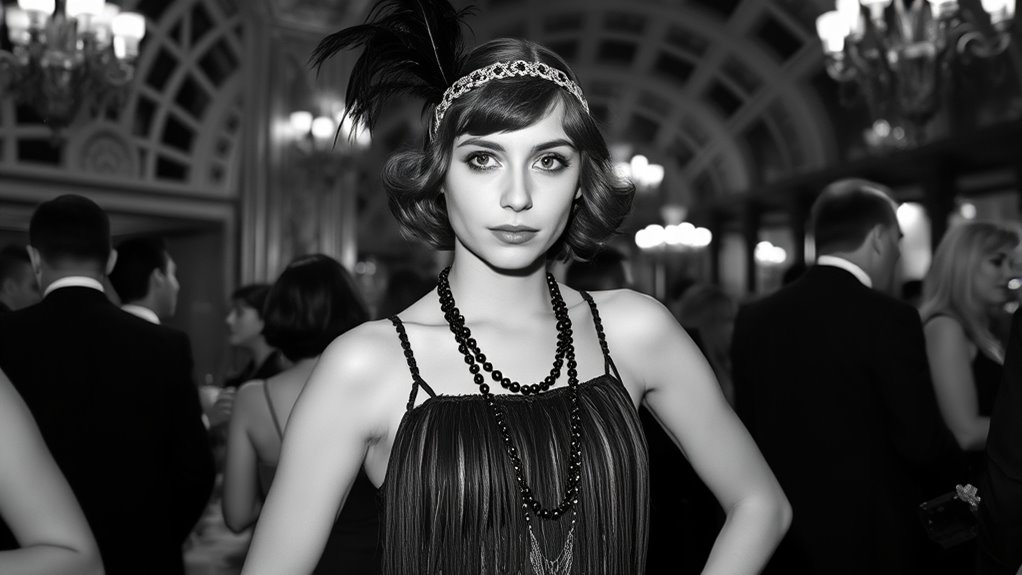
Fashion has long been a battleground where personal expression intersects with societal morals, often sparking heated debates. You’ve seen moments where style crossed moral lines, stirring outrage and reflection. Consider these pivotal instances:
- Alexander McQueen’s “Highland Rape” collection, accused of glamorizing violence despite its historical intent.
- Lady Gaga’s 2010 meat dress, igniting animal rights protests and questions about taste.
- H&M’s “coolest monkey” hoodie, which drew global condemnation for racial insensitivity.
- John Galliano’s anti-Semitic rant, leading to industry exile and a reckoning on accountability.
These moments reveal how fashion can challenge societal norms, forcing us to confront ethics, cultural sensitivity, and responsibility—proving style isn’t just about aesthetics but morality’s mirror.
Frequently Asked Questions
What Are the Long-Term Impacts of Fashion Scandals on Brands?
You see that fashion scandals can have lasting effects on brands. They often lead to reputation damage, decreased sales, and loss of customer trust. To recover, brands usually implement diversity initiatives, revise their creative processes, and increase sensitivity training. These scandals also push companies to adopt stricter oversight and ethical standards, ultimately shaping their future strategies. While recovery is possible, the long-term impacts can influence brand perception for years.
How Do Designers Respond to Accusations of Cultural Insensitivity?
When accused of cultural insensitivity, you typically respond by issuing public apologies, clarifying your intent, and often removing or redesigning the offending pieces. You might also engage cultural experts or consultants to better understand the issues and prevent future missteps. Many brands implement diversity training and establish review boards to guarantee respectful, inclusive designs, demonstrating accountability and a commitment to cultural sensitivity.
Are There Legal Consequences for Controversial Fashion Shows or Campaigns?
You might find yourself caught in a legal storm if your fashion show or campaign crosses the line. Lawsuits, fines, and regulatory penalties can rain down like a thunderstorm, especially if you infringe on copyrights, trademarks, or promote hate speech. Authorities can intervene, and public backlash can turn into court battles, forcing brands to face the music. Staying within legal boundaries is your shield against costly consequences and reputation wreckage.
How Has Public Outrage Shifted Fashion Industry Standards Over Time?
You’ve seen how public outrage has pushed the fashion industry to evolve. Today, you’re more aware of cultural sensitivity, ethical practices, and social responsibility. Designers and brands now face pressure to contemplate diverse perspectives, avoid offensive imagery, and promote inclusivity. This shift encourages accountability, with many brands implementing diversity training, sensitivity reviews, and ethical guidelines. Ultimately, public outrage has made fashion more conscious, responsible, and attentive to societal values than it was in the past.
What Ethical Guidelines Are Now in Place to Prevent Fashion Controversies?
You now follow strict ethical guidelines that promote cultural sensitivity, diversity, and responsible messaging. Brands implement sensitivity review boards, consult cultural experts, and prioritize inclusive hiring to prevent controversies. You’re encouraged to avoid offensive imagery, stereotypes, and exploitative themes. Transparency and accountability are key, so you’re expected to address issues promptly and learn from mistakes, ensuring your fashion creations respect social values and avoid causing harm or public outrage.
Conclusion
Like a delicate tapestry woven with threads of controversy, fashion’s history shows how bold choices can unravel or strengthen societal norms. Every scandal is a ripple in a pond, shaping the waves of change. When you step into the world of style, remember you’re holding a brush that paints culture—sometimes with bright, daring strokes, other times with shadows that challenge morality. Embrace the flow, but be mindful of the fabric you’re weaving.