During economic downturns, you’ll notice a shift towards practical, understated fashion with neutral colors and versatile pieces that last. People tend to choose minimalist styles over fleeting trends, favoring comfort and durability. Small indulgences like lipstick and modest heels serve as subtle confidence boosts. Fast fashion and thrift shopping become popular ways to update wardrobes affordably. If you want to understand how these changes reflect broader societal moods, there’s more to explore below.

Get your wardrobe favorites delivered free — and shop member deals
- Fast, free delivery on millions of items
- Access to Prime Big Deal Days deals on October 6–7
- Prime Video, Amazon Music and more included
Key Takeaways
- During recessions, fashion shifts towards neutral, versatile, and durable clothing to maximize value and longevity.
- Hemline lengths tend to lengthen (maxi skirts) during downturns, reflecting economic caution and practicality.
- Small indulgences like lipstick and modest heels remain popular as affordable luxury symbols and confidence boosters.
- Consumers favor minimalist, timeless styles and secondhand shopping to adapt to budget constraints and promote sustainability.
- Nostalgic and practical aesthetics, such as vintage and grunge, offer comfort, authenticity, and a sense of resilience amid economic challenges.
The Hemline Index: Skirts and Economic Sentiment

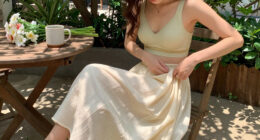
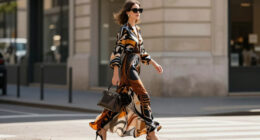
The Hemline Index reveals a surprising link between skirt lengths and economic sentiment, suggesting that fashion choices often mirror broader financial outlooks. When the economy struggles, longer skirts like maxi dresses see a surge in popularity, signaling caution and conservatism. During recessions, searches for maxi skirts spike dramatically, with some increasing by nearly 400%. Conversely, in times of economic optimism, shorter hemlines like minis become fashionable, reflecting confidence and a desire to stand out. Since the Great Depression, this pattern has held, with recent trends showing maxi skirts gaining traction during downturns and short skirts during boom periods. These shifts in skirt length act as subtle barometers, revealing how society’s mood influences what we wear. Additionally, the choice of fashionable accessories can further indicate economic confidence or restraint during different periods.
Color Palettes and Mood: Neutral Tones in Recessions

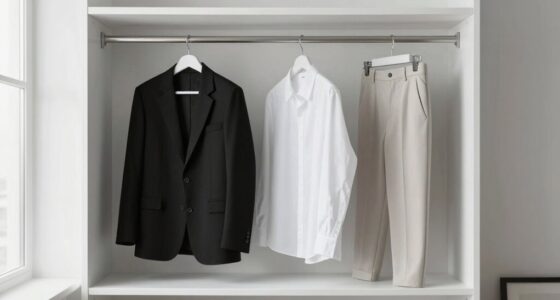
During a recession, you tend to favor neutral tones like black, gray, and beige because they reflect a practical, subdued mood. These colors help you stretch your wardrobe and communicate stability without drawing too much attention. Choosing muted palettes signals a focus on functionality and resilience during uncertain times. Incorporating versatile wardrobe essentials that can be easily mixed and matched becomes especially valuable in such periods.
Mood and Mindset
Have you noticed how color choices shift in tough economic times? During recessions, neutral tones like browns, blacks, whites, and grays dominate, reflecting a deliberate shift in mood and mindset. You tend to prioritize comfort, practicality, and subtlety over bold self-expression. Consider:
- Stability: Neutral colors evoke a sense of calm and control amid uncertainty.
- Economy: Timeless hues are versatile and longer-lasting, reducing wardrobe waste.
- Restraint: Minimalist shades signal a desire to avoid extravagance and excess.
- Focus: Muted tones keep attention on function and purpose, not flash.
- Durability: These colors often align with material longevity and ease of maintenance, making them practical choices for challenging times.
This color palette mirrors a collective mindset of caution, resilience, and adaptability, aligning your wardrobe with the broader emotional landscape during hard times.
Palette and Practicality
In tough economic times, your choice of colors often shifts toward neutral tones like browns, blacks, whites, and grays, creating a subtle yet powerful statement of practicality. These muted palettes reflect a focus on versatility and timelessness, helping you maximize your wardrobe’s value. During recessions, bright or bold hues give way to subdued shades that blend seamlessly across seasons and occasions. This shift fosters a sense of calm and control amid uncertainty. Additionally, color accuracy becomes less of a concern, as the emphasis is on durability and usability rather than vibrant, eye-catching shades.
| Emotion | Color Palette |
|---|---|
| Stability | Earthy browns, subdued grays |
| Confidence | Classic black, crisp white |
| Resilience | Deep navy, muted olive |
| Simplicity | Soft beige, charcoal |
Minimalist Styles: Simplicity as a Survival Strategy

When economic uncertainty rises, minimalist styles become a practical choice, reflecting a mindset focused on simplicity and value. You prioritize versatile, timeless pieces that maximize wear and minimize spending. This approach emphasizes:
- Investing in neutral, multi-occasion clothing that lasts longer.
- Choosing classic cuts over fleeting trends to avoid waste.
- Reducing clutter by sticking to essential, well-made items.
- Focusing on quality over quantity, aligning with frugal values.
- Incorporating energy-efficient fabrics and sustainable materials that support eco-friendly and cost-effective fashion choices.
You ditch flashy, seasonal fashions for streamlined outfits that serve several purposes. Minimalist styles aren’t just about appearance; they’re a survival tactic. They help you adapt to financial constraints while maintaining a polished, composed look that signals stability and restraint during uncertain times.
Accessory Trends: Lipstick and Heel Heights as Economic Barometers
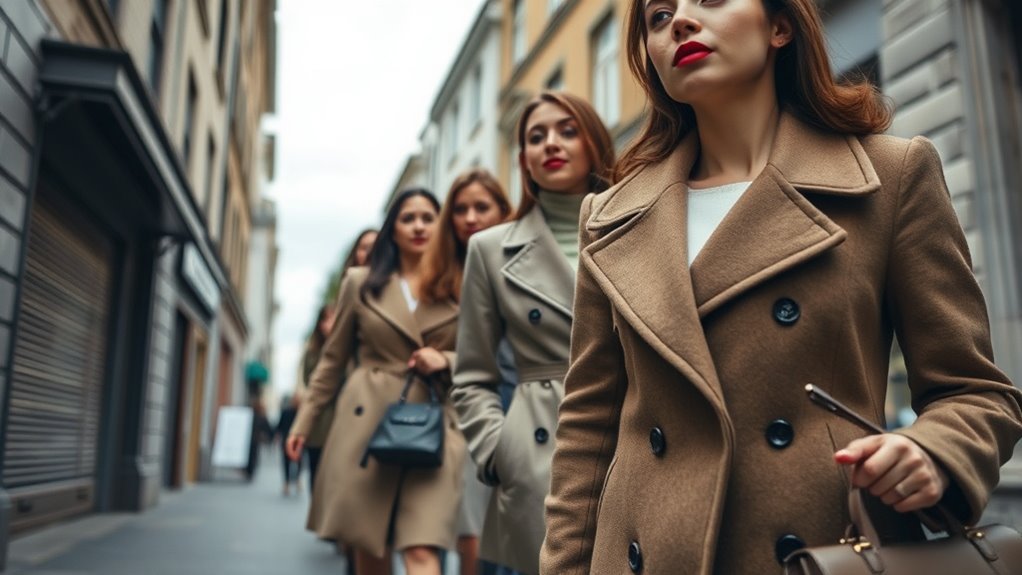
When times get tough, you might notice lipstick sales spike as affordable luxuries become tempting, offering a quick boost without breaking the bank. At the same time, heel heights tend to fluctuate, with taller heels signaling optimism early on and shorter ones reflecting caution during prolonged downturns. These accessory choices reveal how people seek small indulgences and subtle signals of confidence amid economic uncertainty. Additionally, consumers often turn to Free Floating styles that are versatile and easy to maintain, further demonstrating the desire for practical yet fashionable options during challenging economic periods.
Lipstick Sales Rise
Have you noticed lipstick sales tend to rise during economic downturns? When budgets tighten, many turn to small luxuries that boost confidence without breaking the bank. Here’s what lipstick sales reveal:
- Affordable luxury: Lipstick offers a quick, inexpensive way to feel polished and put together.
- Self-expression: Bright shades act as a form of personal statement amid uncertainty.
- Distraction and comfort: Applying lipstick provides a sense of normalcy and control.
- Social signaling: It signals that, despite tough times, you’re still invested in your appearance.
During recessions, lipstick becomes more than makeup; it’s a symbol of resilience and self-empowerment. It proves that small indulgences can lift spirits without costly commitments, making it a key accessory trend during economic hardship.
Heel Heights Fluctuate
Heel heights serve as a subtle but telling indicator of economic confidence, fluctuating in response to broader financial moods. During downturns, women tend to opt for lower heels, favoring comfort and practicality. In early recessions, heel heights often rise as a display of resilience and optimism, with some choosing towering stilettos to project confidence. However, if a recession prolongs, heel heights typically drop, reflecting cautious spending and a focus on functionality. For example, in the 2008 financial crisis, heel heights decreased markedly, signaling a shift toward simplicity. Conversely, during brief downturns, higher heels symbolize a desire to maintain style and status despite economic stress. This fluctuation reveals how footwear choices mirror collective attitudes toward stability, risk, and social signaling in tough economic times.
Luxury as Affordable Escape
During economic downturns, accessories like lipstick and high heels transform from mere fashion statements into symbols of affordable luxury and resilience. You notice lipstick sales rise, offering a quick boost of confidence without overspending. Heels, initially higher in early downturns, tend to drop if the recession persists, reflecting cautious optimism or retreat. Consider these points:
- Lipstick becomes an accessible way to feel polished when budgets tighten, serving as a substitute for more expensive accessories.
- Elevated heels in early downturns symbolize a desire for empowerment amid uncertainty.
- As the economy worsens, heel heights decrease, favoring comfort over extravagance.
- Small indulgences like lipstick and modest heels provide emotional relief and a sense of control during tough times.
- The use of body jewelry such as piercings can also serve as a form of personal expression and resilience during challenging economic periods.
These trends reveal how people seek affordable escapism and resilience through subtle style choices.
Spending Shifts: From Luxury to Essentials

As economic uncertainty rises, consumers shift their spending away from luxury items and focus on essentials. You prioritize versatile, durable pieces that stretch your budget, avoiding flashy trends. Fast fashion gains popularity, offering affordable, trendy options that can be replaced easily. You’re more likely to buy secondhand, especially during downturns like Covid, as a way to save and find unique pieces. Instead of statement accessories, you opt for simple, functional items—like neutral-colored basics and minimalist styles—that can be worn across multiple occasions. You cut back on party wear and luxury brands, choosing understated, high-value clothing over visible labels. This shift reflects a focus on practicality and value, ensuring your wardrobe remains adaptable while weathering economic challenges. Smart shopping strategies help you maximize your wardrobe’s versatility and longevity during tough economic times.
Cultural Aesthetics: Nostalgia and Recession-Core Looks

Nostalgia drives fashion choices during economic downturns, fueling a resurgence of recession-core aesthetics like indie sleaze and grunge. You find comfort in revisiting past styles that emphasize authenticity and simplicity. This trend reflects a desire to disconnect from flashy trends and focus on practicality. Consider these aspects:
- Recession-inspired styles often reintroduce thrifted, vintage pieces that evoke earlier eras.
- Nostalgic looks like indie sleaze revive 2000s grunge with oversized flannels and worn jeans.
- Online searches for maxi skirts and minimalist outfits spike, signaling a shift toward subdued, timeless fashion.
- These aesthetic choices serve as a form of escapism, grounding you in familiar, reassuring styles amid economic uncertainty.
- Practical fashion choices also emphasize safe and durable materials, ensuring longevity and comfort during tough times.
This cultural shift highlights your need for stability, authenticity, and a connection to the past during tough times.
Fast Fashion and Secondhand Markets in Tough Times

In times of economic hardship, many turn to fast fashion and secondhand markets as practical solutions for staying stylish without overspending. Fast fashion offers trendy, affordable pieces that let you keep up with new styles without breaking the bank. You might shop at discount outlets or online stores that prioritize low prices and quick turnover. Secondhand markets, like thrift stores or online resale platforms, become popular for finding unique, budget-friendly items. During recessions, people prefer these options because they offer value and help stretch tight budgets. You may also see a rise in vintage shopping, driven by nostalgia and a desire for more sustainable choices. Recognizing cost-effective shopping options can help consumers make smarter fashion choices during tough economic times. Overall, these markets allow you to stay fashionable while being mindful of your spending and the economic climate.
Fashion as an Expression of Caution and Resilience
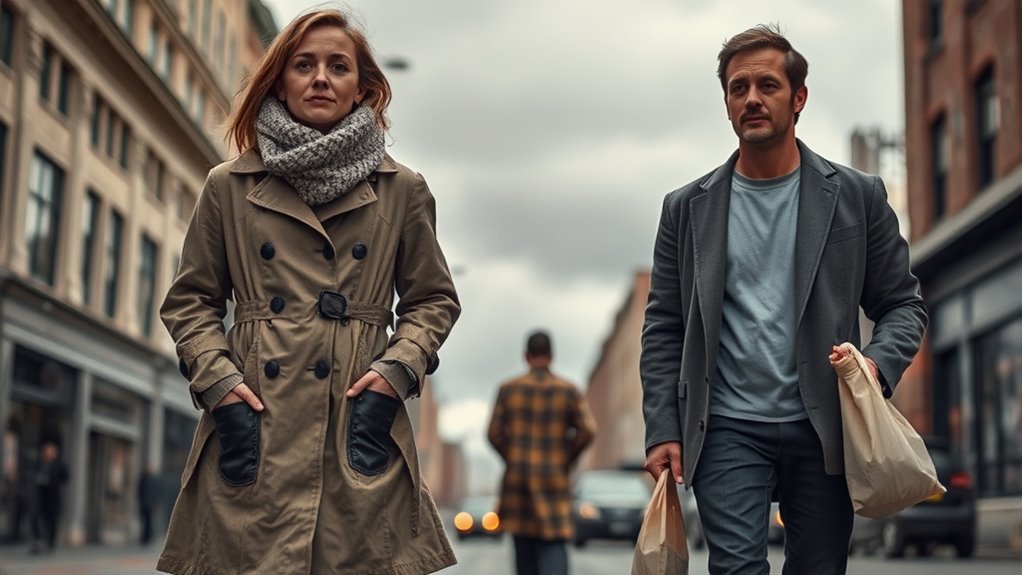
During times of economic uncertainty, fashion becomes a deliberate act of caution and resilience. You choose styles that reflect prudence and durability, signaling your awareness of the times. Consider these patterns:
In uncertain times, fashion reflects prudence and durability, signaling resilience and quiet strength.
- Longer hemlines, like maxi skirts, symbolize cautious optimism.
- Neutral tones dominate, emphasizing versatility and timelessness.
- Minimalist silhouettes focus on quality over quantity, promoting longevity.
- Accessories like lipstick offer affordable luxury, boosting confidence without overspending.
These choices serve as subtle signals of resilience, showing you value practicality while maintaining personal style. By favoring conservative, versatile pieces, you adapt to economic shifts and project stability. Your clothing becomes more than fashion; it’s a statement of resilience, a way to navigate uncertainty with quiet strength.
The Future of Fashion in Uncertain Economies

As economic uncertainty persists, fashion continues to evolve toward practicality and understated elegance, shaping a new landscape of style choices. You’ll likely favor versatile, neutral pieces that can be worn across multiple occasions, emphasizing “buy less, wear more.” Minimalist styles, like simple suiting and subdued palettes, will dominate, reflecting a focus on value and longevity. Accessories such as lipstick and moderate heels become small indulgences that boost confidence without overspending. Thrift shopping and secondhand markets will grow, as consumers seek affordable, sustainable options. Expect a resurgence of nostalgic aesthetics like indie sleaze and grunge, blending comfort with a touch of rebelliousness. Overall, the future of fashion in uncertain economies will prioritize resilience, versatility, and subtle self-expression over flashy trends.
Frequently Asked Questions
How Do Fashion Trends Predict Economic Recoveries or Downturns?
You can tell economic downturns are coming when fashion trends favor longer hemlines, muted colors, and minimalist styles, signaling caution and conservatism. Conversely, when shorter skirts, bright patterns, and bold accessories resurface, it hints at recovery and optimism. Keep an eye on these shifts—your wardrobe choices often mirror the economy’s mood, acting as subtle indicators of whether prosperity or hardship lies ahead.
Are There Regional Differences in Recession-Era Fashion Adaptations?
You might notice that recession-era fashion varies across regions, reflecting local cultures and economies. In some areas, muted neutrals and minimalist styles dominate, signaling caution, while others embrace bold patterns or nostalgic trends, hinting at resilience or escapism. This regional diversity keeps you guessing—are these choices about economic reality or cultural identity? As you observe, you realize that your wardrobe isn’t just style; it’s a mirror of local economic moods.
How Does Social Media Influence Recession-Specific Fashion Choices?
You notice that social media heavily influences your recession-era fashion choices. Platforms like Instagram and TikTok showcase minimalist styles, neutral palettes, and affordable luxury, encouraging you to prioritize versatile, budget-friendly pieces. Trends like maxi skirts or lipstick become popular quickly, prompting you to adopt these looks for practicality and economy. Social media also amplifies nostalgia, making thrifted and vintage styles more appealing, helping you stay stylish while managing your expenses during tough economic times.
Do Luxury Brands Change Their Marketing Strategies During Economic Downturns?
Luxury brands often shift gears during economic downturns, like a ship changing course to avoid storms. They tend to emphasize understated elegance and value-driven messaging, highlighting timeless pieces over flashy trends. You’ll notice more focus on affordability, exclusivity, and subtle luxury, appealing to cautious shoppers. By doing so, they stay afloat in turbulent times, making their brands feel like a safe harbor rather than a distant, unreachable luxury.
Can Sustainable Fashion Trends Persist Despite Economic Challenges?
Sustainable fashion can persist despite economic challenges if you prioritize quality, timeless designs, and versatility. You might choose secondhand pieces or invest in durable items that last longer, aligning with minimalist trends. As you look for value over fleeting trends, you help support eco-friendly brands that emphasize longevity. Even during tough times, your conscious shopping habits can keep sustainable fashion alive by focusing on essentials and reducing waste.
Conclusion
As you navigate tough economic times, your wardrobe becomes a mirror of resilience and caution. Think of it as a silent language, whispering stories of survival through neutral tones, minimalist styles, and nostalgic accents. Like a well-worn comfort blanket, your fashion choices reflect adaptability, proving that even in uncertainty, you can express strength and hope. In these moments, your style isn’t just about appearance — it’s a quiet rebellion against the chaos.
Fall Picks
fall essentials
As an affiliate, we earn on qualifying purchases.