The secondhand fashion boom is driven by your generation’s love for sustainability, affordability, and individual style. Younger shoppers embrace thrifting to find unique, vintage pieces and support eco-friendly choices. Online platforms, social media, and celebrity endorsements make thrifting trendy and accessible. As brands adopt resale and upcycling, secondhand fashion becomes mainstream. To discover how these shifts are shaping your wardrobe and the industry, explore the factors fueling the secondhand revolution.

Get your wardrobe favorites delivered free — and shop member deals
- Fast, free delivery on millions of items
- Access to Prime Big Deal Days deals on October 6–7
- Prime Video, Amazon Music and more included
Key Takeaways
- Thrifting has become mainstream through social media influencers and celebrities showcasing vintage and unique styles.
- Younger consumers prioritize affordability, sustainability, and individual expression, driving demand for secondhand fashion.
- Technological advances like AI and online marketplaces simplify buying, selling, and authenticating secondhand clothing.
- Resale aligns with ESG values, reducing waste and promoting circular fashion, making it a responsible and trendy choice.
- Traditional retailers and brands adopting resale programs legitimize thrifting as a fashionable, eco-conscious lifestyle.
As an affiliate, we earn on qualifying purchases.
The Growing Market for Secondhand Apparel
The market for secondhand apparel is experiencing rapid growth, driven by increasing consumer demand and technological advancements. Experts project the global secondhand clothing market to reach around US$230.6 billion by 2025, with some estimates pushing toward US$350–367 billion by 2029. Growth rates hover between 10% and 15% annually, with North America leading in size and online channels fueling much of the expansion. In the U.S., resale accounts for over 9% of the total apparel market, showing consistent double-digit growth. Online resale platforms like ThredUp, Poshmark, and eBay dominate sales, making shopping more accessible and convenient. This surge reflects broader shifts, including eco-consciousness, affordability, and the desire for unique styles, all driving more consumers to explore secondhand options. Additionally, understanding investment strategies can help entrepreneurs capitalize on this expanding market.
As an affiliate, we earn on qualifying purchases.
Who’s Buying Secondhand and Why
You might notice that younger shoppers, like Millennials and Gen Z, are leading the secondhand trend because they value affordability, sustainability, and unique style. Many consumers are open to buying secondhand, with first-time buyers making up a large portion of recent growth. Their motivations range from saving money to expressing individuality and reacting to rising retail prices. Additionally, the increasing popularity of thrifting has been supported by celebrity endorsements and social media influencers promoting sustainable fashion as an eco-friendly alternative.
Demographics Driving Growth
Younger consumers, particularly Millennials and Gen Z, are fueling the growth of secondhand apparel markets because they tend to prioritize affordability, sustainability, and unique style. They’re more open to exploring thrifted looks, often using social media to discover new finds. These groups see secondhand shopping as a way to express individuality while saving money and reducing environmental impact. Additionally, first-time buyers make up a significant share of recent growth, indicating expanding interest. Their willingness to embrace thrifting is driven by digital convenience and a desire for authentic, vintage pieces. As a result, the demographics driving growth include:
- Millennials and Gen Z seeking affordability and sustainability
- First-time secondhand shoppers expanding the market
- Social media users discovering and sharing thrifted styles
- Urban, eco-conscious consumers prioritizing circular fashion
- The rise of secondhand market platforms has made thrifting more accessible and appealing to a broader audience.
Motivations for Thrifting
Many consumers turn to thrifting because they want to save money while still expressing their personal style. Affordability is a primary motivator, especially as retail prices and tariffs rise. But it’s not just about saving—many shoppers see secondhand as a way to find unique, vintage pieces that help them stand out. Sustainability also plays a big role; buying secondhand reduces waste and extends the life of garments, aligning with eco-conscious values. Social influence and online communities further inspire thrifted looks, making it trendy and mainstream. Additionally, the thrill of discovering rare finds and the desire to support circular fashion motivate many to shop secondhand. Overall, thrifting appeals to a blend of economic, environmental, and aesthetic motivations that resonate across diverse consumer groups. Moreover, the concept of Free Floating supports the idea of flexible, sustainable shopping practices that are gaining popularity.
As an affiliate, we earn on qualifying purchases.
Tech and Platforms Powering the Resale Boom
You’re seeing how digital marketplaces like ThredUp, Poshmark, and eBay are fueling the resale boom by making secondhand shopping more accessible than ever. Social commerce features on platforms like Instagram and TikTok accelerate discovery and purchases, blending shopping with social interaction. Meanwhile, AI and logistics innovations improve authentication, pricing, and delivery, streamlining the entire resale experience. Additionally, emerging European cloud servers are increasingly supporting these digital platforms by providing energy-efficient and secure cloud infrastructure that ensures scalability and sustainability in the resale economy.
Digital Marketplaces Expansion
Digital marketplaces are at the forefront of the resale boom, leveraging advanced technology and user-friendly platforms to make secondhand shopping more accessible and convenient. These platforms simplify listing, browsing, and purchasing thrifted items, fueling rapid growth. You’ll find apps like ThredUp, Poshmark, eBay, and brand-specific resale sites leading the charge. These marketplaces use AI to authenticate products and optimize pricing, making transactions more trustworthy and profitable. Mobile apps and social integrations let you discover new items instantly and share your finds with friends. Logistics improvements streamline shipping and returns, enhancing your experience. As a result, more people can buy and sell secondhand effortlessly. Incorporating connected equipment and wellness-focused features into these platforms could further enhance user confidence and engagement.
Social Commerce Integration
Social commerce platforms are transforming resale by seamlessly blending shopping and social interaction, making secondhand shopping more engaging and accessible. You can discover thrifted items through your favorite social media apps, where influencers and brands showcase curated collections and styling tips. Platforms like Poshmark, Depop, and Instagram integrate buying features directly into feeds, allowing you to browse, comment, and purchase without leaving the app. This integration accelerates discovery, leverages social proof, and builds community around thrifting. AI-driven recommendations and live selling sessions further personalize your experience, making it easier to find unique pieces. As social commerce continues evolving, it empowers you to shop sustainably, connect with like-minded enthusiasts, and participate in the growing secondhand movement—all from your mobile device. Your Guide to Compassionate Senior Caregiving
AI and Logistics Innovation
AI and logistics innovations are transforming the secondhand resale industry by enhancing efficiency, security, and customer experience. These technologies streamline operations, making buying and selling smoother and more reliable. AI-powered authentication reduces fraudulent listings, ensuring buyers get genuine products. Dynamic pricing tools help sellers optimize their profits, while advanced logistics platforms improve shipping speed and tracking accuracy. You benefit from faster deliveries, better product verification, and improved platform trustworthiness. Additionally, specialist support tailored to the resale industry helps sellers and buyers navigate the evolving landscape more effectively.
As an affiliate, we earn on qualifying purchases.
Sustainability as a Driving Force
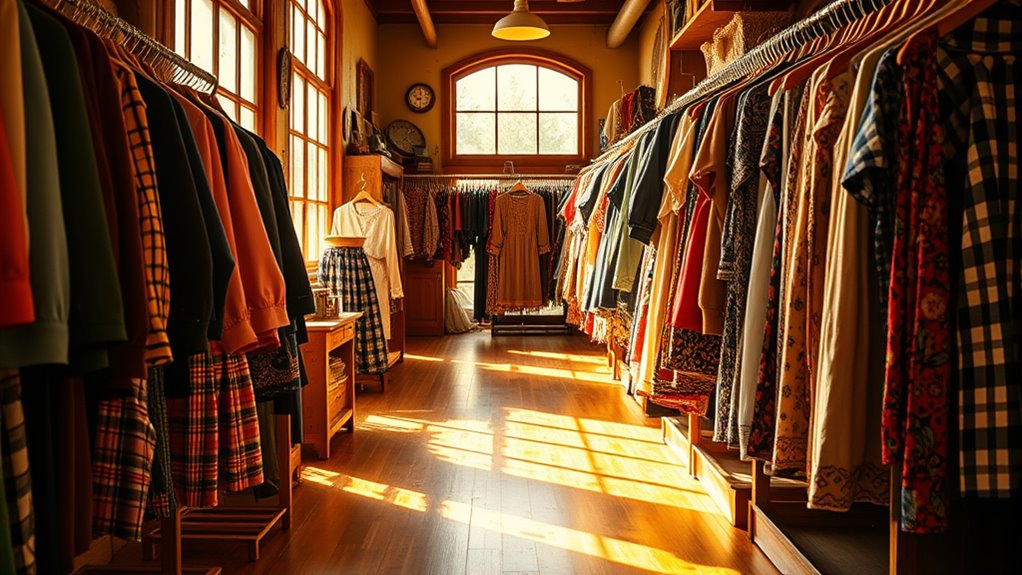
Sustainability has become a key driver in the thrifting fashion trend, as consumers increasingly seek responsible ways to update their wardrobes. You’re motivated by reducing waste, lowering environmental impact, and supporting circular economy practices. Resale extends garment lifespans and displaces new production, helping cut emissions and landfill waste. Brands see resale as an ESG opportunity, aligning with consumer values. The growing awareness of fashion’s ecological footprint fuels your preference for secondhand options. Below, a table illustrates how sustainability influences your choices:
| Motivation | Environmental Benefit | Consumer Impact |
|---|---|---|
| Cost savings | Less waste in landfills | More affordable fashion |
| Unique pieces | Reduced demand for fast fashion | Personal style expression |
| Circular economy | Lower resource consumption | Increased brand loyalty |
| Waste diversion | Decreased pollution | Support for responsible brands |
| Reduced emissions | Combat climate change | Sense of contributing positively |
Additionally, understanding the cybersecurity landscape helps protect your personal data when shopping online.
Style and Culture: Making Thrifting Trendy
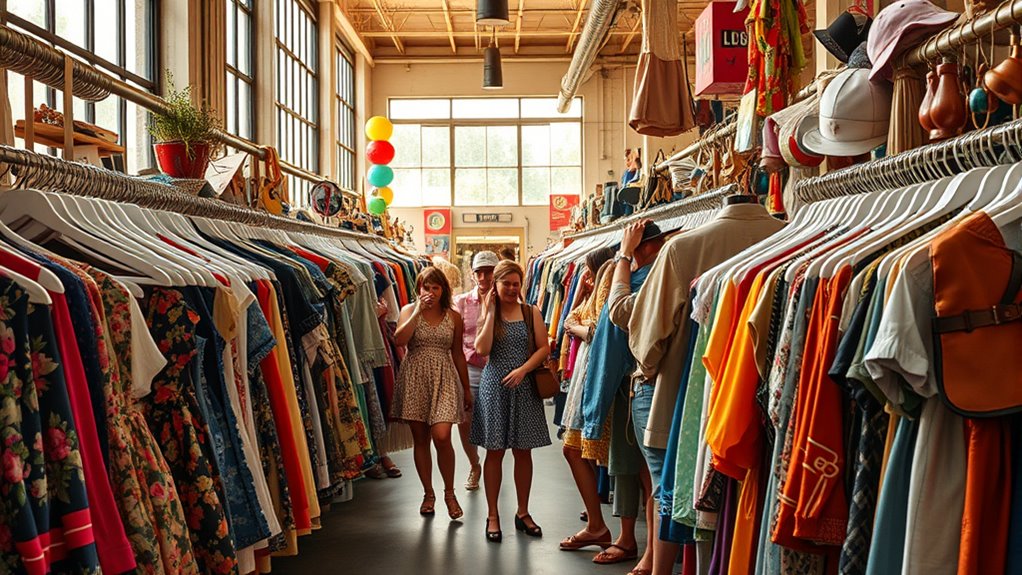
As thrifting shifts from a budget-friendly alternative to a mainstream fashion statement, it’s becoming ingrained in popular culture and personal style. You’re seeing thrifted looks on influencers, celebrities, and social media, turning vintage and upcycled pieces into must-have fashion statements. This trend isn’t just about saving money; it’s about expressing individuality, creativity, and sustainability. Thrifting’s cultural cachet grows with curated vintage finds, celebrity endorsements, and social media styling hauls that make secondhand look effortless and trendy. Mainstream brands now embrace resale, further legitimizing thrifting as a style choice. The result? Thrifting is no longer niche—it’s a cultural phenomenon shaping how you define your personal style and connect with fashion trends. Decoding modern slang also helps highlight the creative ways youth incorporate thrifted finds into their identity.
Economic Shifts and Industry Adaptations
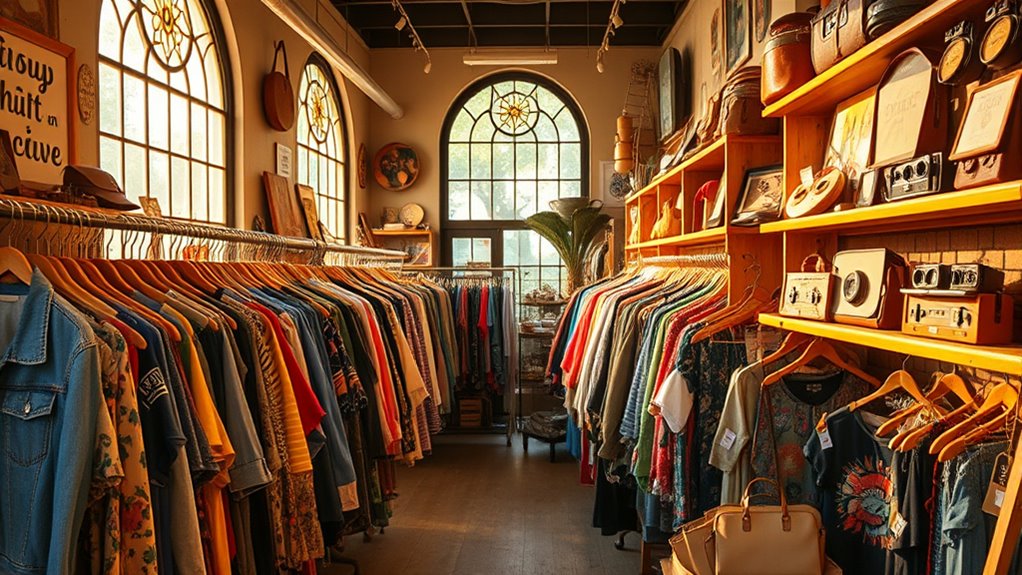
The explosive growth of the secondhand apparel market is prompting traditional retailers and brands to rethink their strategies. They’re adopting resale programs, offering trade-ins, and collaborating with resale platforms to stay competitive. This shift creates new value chains, including sorting, authentication, refurbishment, and logistics. Industry players are also responding to rising consumer demand driven by price sensitivity and sustainability concerns.
| Industry Impact | Strategy Shift | Future Opportunities |
|---|---|---|
| Market Competition | Launching resale channels | Expanding into new segments |
| Job Creation | Developing logistics jobs | Partnering with tech firms |
| Consumer Loyalty | Offering trade-in incentives | Building sustainable brands |
| Revenue Streams | Certified resale programs | Emphasizing circularity |
| Policy Influence | Maneuvering tariffs | Influencing regulation |
The Future of Fashion’s Circular Economy
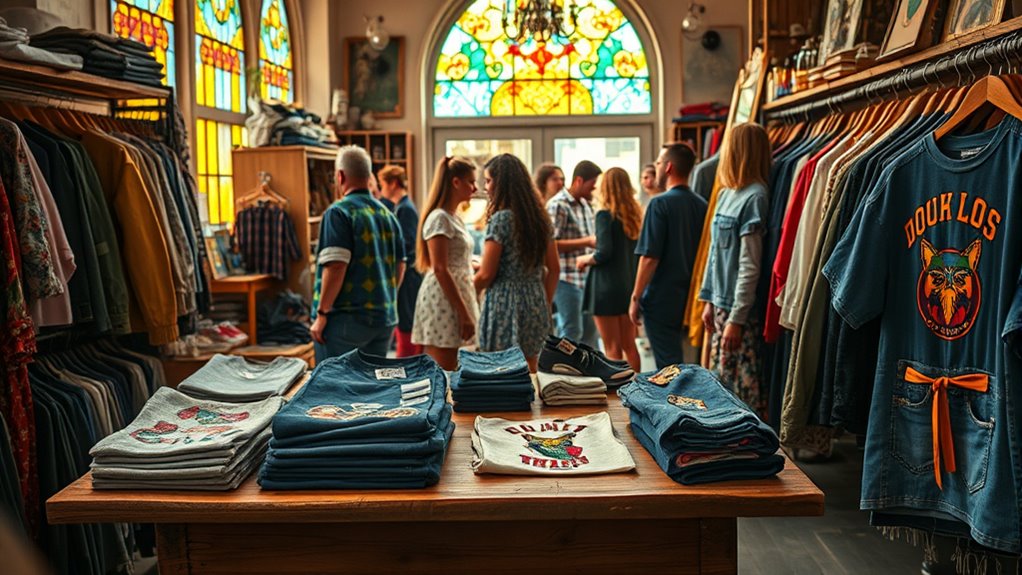
Growing consumer awareness and advancing technology are reshaping how fashion approaches circularity. You’ll see more brands adopting resale programs, certified pre-owned lines, and refurbished collections to extend product lifecycles. Online platforms, powered by AI and improved logistics, make secondhand shopping easier and more trusted. Social commerce and mobile apps further accelerate discovery and purchases. The future also involves local vintage markets and brick-and-mortar thrift shops remaining relevant, offering unique treasure hunts. Brands increasingly view resale as a way to meet sustainability goals, reduce waste, and appeal to eco-conscious consumers. As demand grows, new jobs and business models will emerge across sorting, authentication, and refurbishment. Policy shifts and tariffs will influence market dynamics, making secondhand fashion more accessible and mainstream.
Consumer awareness and technology are driving mainstream growth in resale, thrift shops, and sustainable fashion initiatives.
- Increased brand participation and certified resale programs
- Growth in AI-driven authentication and logistics technology
- Expansion of local thrift shops and vintage markets
- Policy changes shaping resale market accessibility
Frequently Asked Questions
How Do Resale Platforms Ensure Authenticity and Quality of Secondhand Items?
Resale platforms guarantee authenticity and quality by implementing rigorous verification processes. You’ll see them using AI tools for authentication, expert reviews, and detailed item inspections. They also rely on seller ratings, provenance documentation, and quality checks before listing items. Many platforms offer guarantees or return policies if items aren’t genuine or as described, giving you confidence in your purchase and maintaining trust in the marketplace.
What Role Do Influencers Play in Mainstreaming Thrifting Culture?
Influencers play a vital role in mainstreaming thrifting culture by showcasing stylish, curated vintage looks that appeal to their followers. They normalize secondhand shopping through social media haul videos, styling tips, and endorsements of thrifted brands. Their influence boosts visibility, making thrifting trendy and desirable. By partnering with resale platforms and brands, they help shift perceptions, turning thrifting from eco-conscious choice into a fashionable, mainstream lifestyle.
How Do Tariffs and Policies Influence Secondhand Apparel Demand?
Tariffs and policies act like a gust of wind steering your shopping choices, often boosting secondhand apparel demand. When tariffs raise new-garment prices, you’re more likely to turn to resale options, seeking affordability and sustainability. Policies that favor resale markets, like reduced import taxes, make thrifting more accessible. This regulatory environment encourages first-time buyers and seasoned thrifters alike to explore secondhand, fueling its rapid growth and mainstream appeal.
Are Luxury Brands Really Benefiting From Resale Market Trends?
Yes, luxury brands are benefiting from resale market trends. You’ll notice more luxury labels launching certified resale programs, collaborating with resale platforms, and embracing pre-owned lines. This strategy helps you extend product lifecycles, reach new customers, and meet sustainability expectations. As a consumer, you get access to authenticated, high-end items while brands boost their reputation and sales in this growing secondhand market. Resale enhances luxury brands’ relevance and profitability today.
What Are the Environmental Impacts of Transportation in the Resale Supply Chain?
Transportation in the resale supply chain impacts the environment mainly through emissions from shipping and logistics. When you buy secondhand, transportation contributes to carbon footprints, especially if items travel long distances. However, if resale displaces new production, it can reduce overall environmental harm. You can help by choosing local thrift stores or online platforms that prioritize eco-friendly logistics, minimizing transportation emissions and supporting sustainable fashion practices.
Conclusion
As you embrace thrifting, you’re part of a revolution that’s transforming fashion overnight. This isn’t just a trend—it’s a seismic shift towards sustainability, style, and smarter shopping. With every vintage find, you’re helping save the planet and redefine what it means to be stylish. The secondhand movement is growing faster than a rocket, and you’re right at the heart of this exciting, unstoppable wave. Get ready—your wardrobe will never be the same!
Fall Picks
fall essentials
As an affiliate, we earn on qualifying purchases.