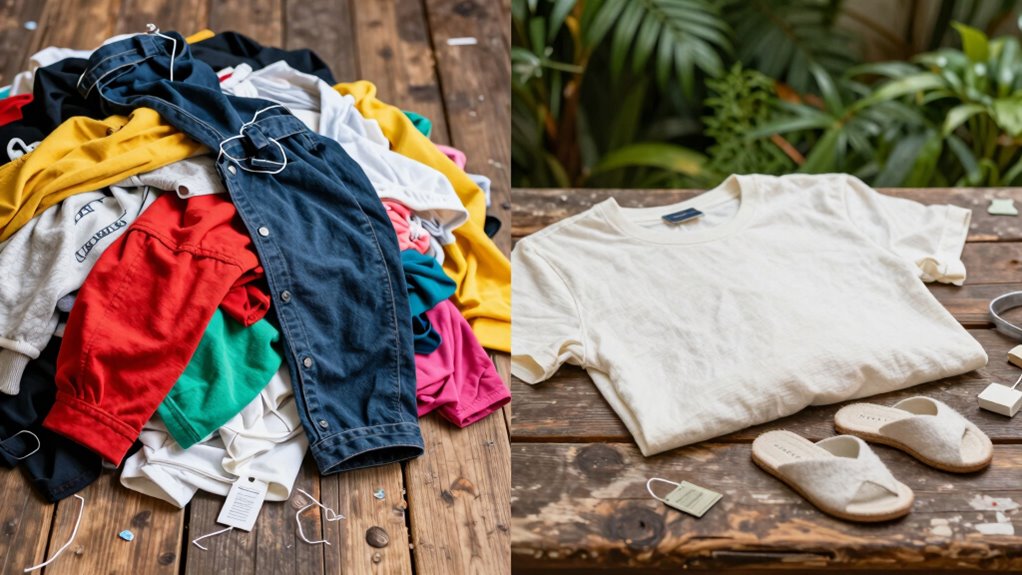

Fast fashion is booming, offering trendy, affordable clothes that meet consumer demand, especially among Generation Z. However, its environmental impact, such as pollution and high emissions, is driving industry players to embrace sustainable practices. While many brands commit to eco-friendly materials and transparency, challenges remain. The industry is slowly shifting toward greener solutions, and if you want to understand how these changes unfold, there’s more to discover below.

Get your wardrobe favorites delivered free — and shop member deals
- Fast, free delivery on millions of items
- Access to Prime Big Deal Days deals on October 6–7
- Prime Video, Amazon Music and more included
Key Takeaways
- The fast fashion industry is rapidly growing, but increasing consumer demand for sustainability is driving significant industry shifts.
- Brands are adopting eco-friendly materials, circular models, and transparency, indicating a move toward sustainable practices.
- Despite progress, many sustainability claims remain vague, and industry challenges hinder full transformation.
- Consumer preferences, especially among Gen Z, support paying more for eco-conscious products, influencing industry change.
- Technological innovations like AI and blockchain are enhancing supply chain transparency and promoting sustainable development.
eco-friendly sustainable fashion brands
As an affiliate, we earn on qualifying purchases.
As an affiliate, we earn on qualifying purchases.
The Rise of Fast Fashion and Its Market Dynamics

Why has fast fashion experienced such rapid growth in recent years? It’s because brands have made clothing incredibly affordable and instantly accessible. They quickly copy runway styles, turning them into mass-produced pieces that appeal to consumers enthusiastic for trendy looks. The industry’s valuation hit $150.82 billion in 2025, with a growth rate of 10.74% from 2024. By 2032, it’s projected to reach $291.1 billion. Synthetic fibers dominate, making up 69% of all textiles, mainly polyester, which will account for 85% of synthetic fibers by 2030. This rapid expansion is driven by consumer desire for cheap, fashionable items and brands’ ability to produce large quantities fast, fueling a cycle where supply outpaces sustainable practices.
As an affiliate, we earn on qualifying purchases.
Environmental Toll of Fast Fashion Practices
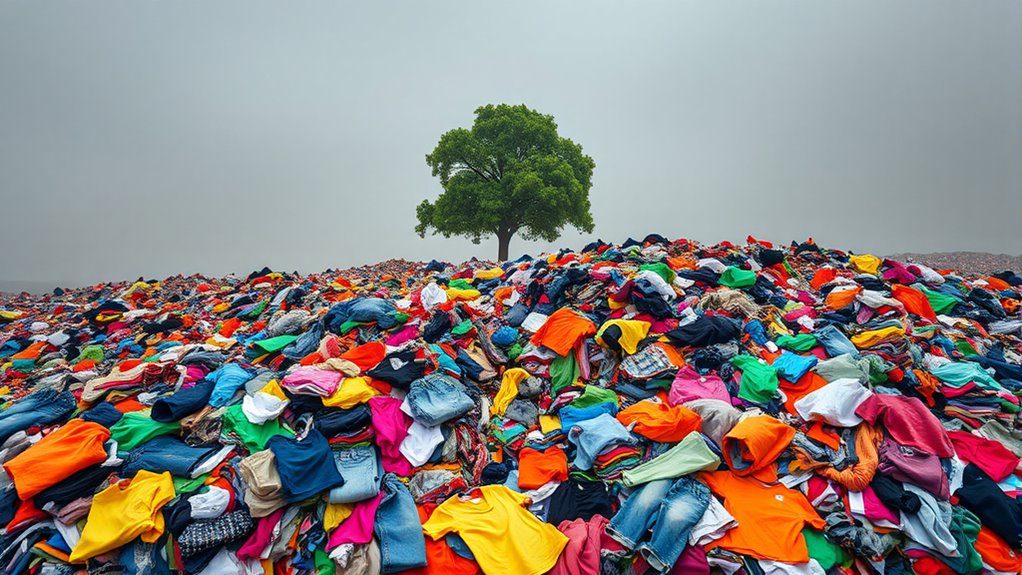
Fast fashion’s environmental impact is staggering, with water pollution from dyes contaminating ecosystems and microplastics ending up in our oceans. Its carbon footprint continues to grow, contributing more to climate change than many realize. You need to understand how these practices harm the planet and what’s at stake. Additionally, the reliance on energy-efficient cloud servers can help reduce the industry’s overall carbon emissions and promote more sustainable practices. Incorporating sustainable manufacturing techniques can further minimize environmental damage and encourage eco-friendly innovation within the industry. Recognizing the importance of contrast ratio in visual displays can inspire consumers to demand transparency and accountability from brands regarding their environmental impact. Implementing eco-friendly materials in production processes is essential for reducing waste and conserving natural resources. Moreover, understanding Youngster Choice and its influence on consumer behavior can help drive demand for ethically produced fashion.
Water Pollution From Dyes
Dyes used in fast fashion manufacturing often contaminate water sources, causing severe environmental harm. These dyes seep into rivers and lakes, poisoning ecosystems and threatening communities relying on clean water. The chemicals in synthetic dyes are toxic, impacting aquatic life and contaminating drinking water supplies. This pollution leads to health issues for local populations and destroys biodiversity. Additionally, the use of non-toxic dyes can significantly reduce these risks, promoting more sustainable manufacturing practices. Implementing innovative dyeing technologies and eco-friendly coloring methods can further minimize water pollution. Awareness of environmental impacts can encourage brands to adopt greener practices. Here’s how water pollution from dyes affects us all:
| Impact | Affected Area | Emotional Toll |
|---|---|---|
| Water contamination | Rivers and lakes | Endangering communities’ health |
| Ecosystem damage | Aquatic life | Loss of biodiversity |
| Toxic chemicals | Drinking water sources | Risk to human health |
| Dead zones | Marine environments | Destruction of habitats |
You have the power to demand transparency and support sustainable brands that prioritize eco-friendly dyes to protect our planet.
Microplastic Ocean Contamination
Microplastics from fast fashion textiles are flooding our oceans, posing a serious environmental threat. When you wash synthetic garments like polyester or nylon, tiny microfibers are released into the water. These microplastics are too small to filter out and end up in our oceans, where they harm marine life. Fish, seabirds, and other animals ingest these particles, often mistaking them for food, which can disrupt ecosystems and enter your food chain. As the fast fashion industry relies heavily on synthetic fibers—projected to make up 73% of all fibers by 2030—the amount of microplastic pollution will continue to grow. This contamination damages marine habitats and threatens biodiversity, making microplastic ocean contamination a pressing environmental consequence of fast fashion practices. Additionally, the persistence of plastics in marine environments exacerbates long-term pollution issues, contributing to environmental degradation. Understanding the microplastic pollution process highlights the urgent need for sustainable fashion alternatives to reduce this environmental impact.
Carbon Footprint Surge
Despite representing only a small fraction of global industries, the fast fashion sector has a disproportionate environmental impact through its soaring carbon emissions. It accounts for about 10% of the world’s total annual emissions, surpassing international flights and maritime shipping combined. This industry consumes vast amounts of energy and water, contributing markedly to climate change. Each year, fast fashion produces millions of garments, many of which are discarded quickly, adding to landfill waste and microplastic pollution. As demand grows, emissions from textile production are projected to rise by 60% by 2030. Your fast fashion choices, often driven by affordability and trends, directly fuel this surge, making it essential to consider sustainable alternatives. Reducing consumption and supporting eco-friendly brands can help lower this carbon footprint.
As an affiliate, we earn on qualifying purchases.
The Growth and Potential of Sustainable Fashion
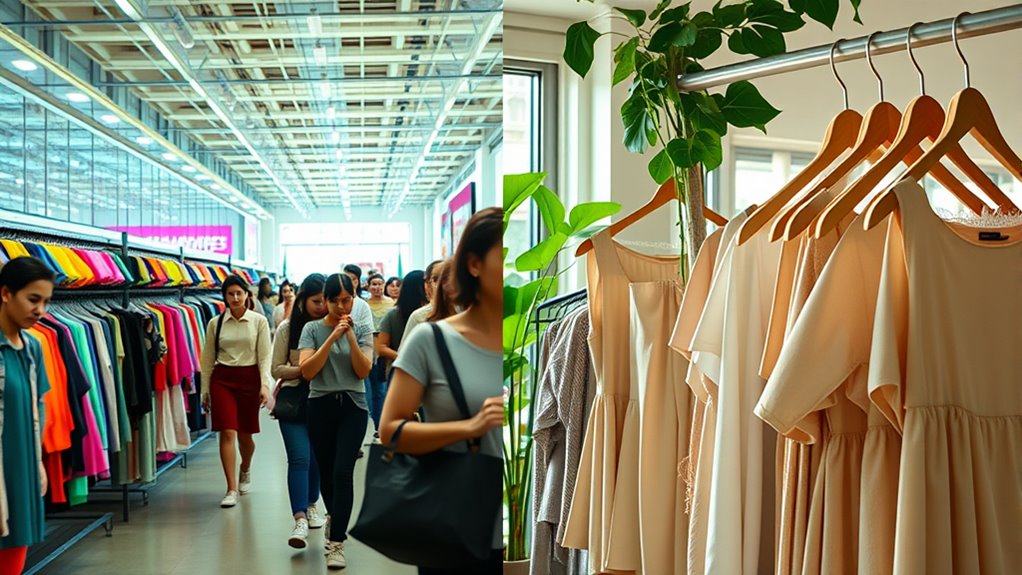
The sustainable fashion market is rapidly expanding, with projections reaching over $53 billion by 2032. Opportunities in eco-friendly segments are growing, showing strong profit potential for brands that prioritize sustainability. This shift presents a significant chance for you to support and engage with more responsible fashion choices. As consumers become more aware of the environmental impact of their purchases, adopting eco-friendly practices in fashion manufacturing and consumption is increasingly essential. Additionally, embracing ethical supply chains can help ensure transparency and fairness throughout the production process. Incorporating sustainable materials can further reduce the industry’s ecological footprint and appeal to eco-conscious buyers. Furthermore, leveraging vetted wave and wind solutions can improve the industry’s ability to incorporate renewable energy sources into manufacturing processes. Emphasizing sustainable sourcing can also enhance brand reputation and consumer trust, making sustainability a core part of your business strategy.
Market Expansion Opportunities
Sustainable fashion is rapidly expanding, presenting significant market opportunities driven by consumer demand and environmental awareness. As more shoppers, especially Gen Z, prioritize eco-friendly options and are willing to pay more for genuine sustainability, brands have a chance to innovate and differentiate. The market is forecasted to grow from $12.46 billion in 2025 to over $53 billion by 2032, with a compound annual growth rate of 23.1%. This growth opens doors for new products, materials, and business models that emphasize transparency and eco-conscious practices. Companies that embrace sustainability can tap into a loyal customer base enthusiastic for authentic change. Additionally, eco-friendly practices are becoming a key differentiator for brands seeking to stand out in a competitive industry. By expanding their offerings and adopting responsible sourcing, brands can capture a larger share of this emerging, lucrative sector. Incorporating design principles that balance beauty and practicality, as emphasized in interior design basics, can also help brands craft compelling narratives around their products. Utilizing expert assistance can further help brands develop effective strategies to succeed in this rapidly evolving industry. Furthermore, embracing innovative sustainable materials can drive product differentiation and appeal to environmentally conscious consumers.
Eco-Friendly Segment Growth
Growth in the eco-friendly segment of fashion reflects a rising consumer preference for responsible and sustainable choices. You’re increasingly seeking brands that prioritize transparency, eco-friendly materials, and ethical practices. The sustainable fashion market is expected to grow from $6.5 billion today to over $12 billion by $2025, with a projected compound annual growth rate of 23.1%. This expansion highlights the profit potential for brands embracing eco-conscious strategies. As you become more aware of environmental impacts—like water consumption, microplastic pollution, and carbon emissions—you’re more likely to support companies committed to reducing their footprint. Major brands are responding by sourcing sustainably and innovating with recycled and biodegradable fabrics. This shift signifies a transformative trend, where sustainability isn’t just a niche but an industry standard that’s gaining momentum. Segmentation of audience also allows brands to tailor messages that resonate with environmentally conscious consumers, further fueling this growth. Additionally, innovations in recycled and biodegradable fabrics are making sustainable choices more accessible and appealing. Consumers are also demanding greater transparency from companies regarding their supply chains and environmental practices, which is driving further industry change. Furthermore, the rise of eco-friendly accommodations and eco-tourism experiences demonstrates a broader shift towards environmentally responsible lifestyles, influencing consumer expectations across various sectors. As the industry evolves, adopting innovative sustainable materials is becoming essential for brands aiming to stay competitive and meet this growing demand.
water pollution-free dyeing clothes
As an affiliate, we earn on qualifying purchases.
As an affiliate, we earn on qualifying purchases.
Consumer Attitudes and Buying Behaviors of Generation Z
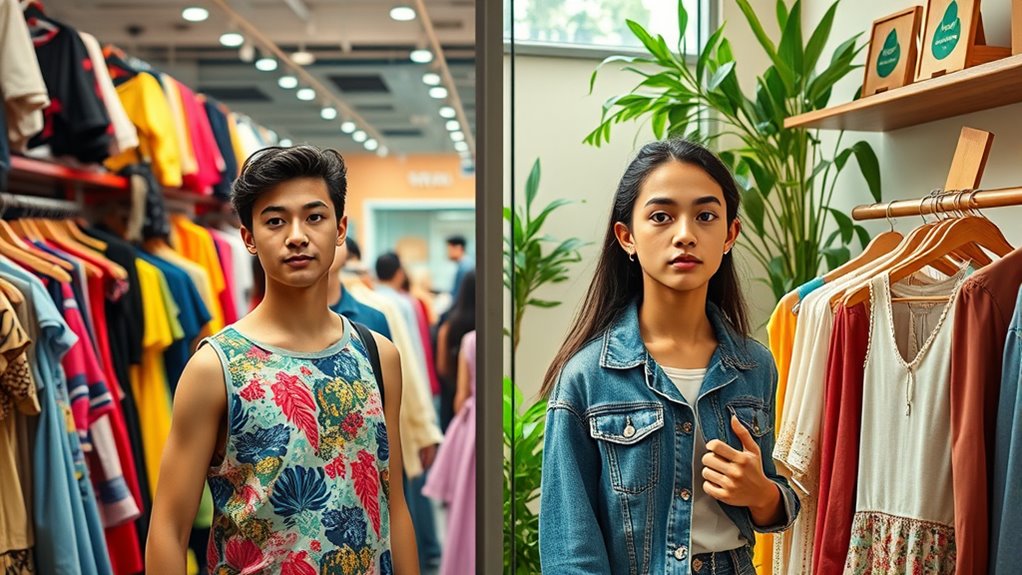
Generation Z demonstrates a strong awareness of environmental issues and shows a willingness to support sustainable fashion, with 94% expressing support for eco-friendly clothing options. You’re more conscious of the impact your purchases have on the planet and often seek brands that align with your values. Despite this, only 17% shop fast fashion weekly, but 62% shop monthly, indicating frequent engagement with trendy, affordable clothing. You spend about $767 annually on fast fashion, yet 73% are willing to pay more for genuinely sustainable products. Your behaviors reflect a desire for authenticity; you prefer brands that demonstrate transparency and commitment to sustainability. However, the convenience and affordability of fast fashion still influence your choices, creating a complex landscape where environmental concerns coexist with shopping habits.
Industry Efforts and Commitments Toward Sustainability

Despite increasing awareness among consumers, many fashion brands have fallen short of their sustainability commitments. Some brands claim to prioritize eco-friendly practices, but their actions often lag behind promises. Still, a few industry leaders are making notable efforts. For example, Ralph Lauren aims for 100% sustainably-sourced materials by 2025, and Adidas experiments with personalized gear to reduce waste. Many companies are adopting circular economy models, recycling textiles, and improving supply chain transparency. However, over half of sustainability claims remain vague or misleading, and 63% of brands deprioritize genuine efforts. While these initiatives show progress, the industry still struggles with aligning actions to commitments. Your awareness can pressure brands to follow through on their promises, pushing the industry toward meaningful change.
Challenges in Transitioning to Eco-Friendly Materials

Switching to eco-friendly materials presents significant hurdles for the fashion industry. Many sustainable options, like organic cotton or recycled fibers, are more expensive and often harder to source at scale. You’ll find that eco-friendly fabrics can also have limited durability or different textures, making it challenging to meet consumer expectations. Moving forward requires significant R&D investment, which many brands hesitate to commit to without clear short-term profits. Supply chains must adapt, often involving new suppliers and certifications, adding complexity and cost. Additionally, existing infrastructure is built around synthetic fibers like polyester, which are cheaper and more versatile. This creates resistance to change, even as environmental concerns grow. Overcoming these obstacles demands industry-wide commitment, innovation, and consumer awareness to truly shift toward sustainable materials.
Future Trends and Opportunities for a Greener Industry

What does the future hold for a greener fashion industry? You can expect rapid growth in sustainable apparel, with the market projected to hit over $53 billion by 2032. Innovations in eco-friendly fibers and circular design will reduce waste and microplastic pollution. Brands are increasingly committing to transparent sourcing and using recycled or biodegradable materials. Digital tools like AI and blockchain will boost supply chain accountability, helping consumers make informed choices. Consumer demand, especially from Gen Z, supports sustainable options willing to pay more for genuine eco-friendly products. Additionally, industry shifts—such as brands prioritizing sustainability and experimenting with waste-reducing techniques—will accelerate change. While challenges persist, these trends present significant opportunities to transform fashion into a more responsible, environmentally friendly sector.
Frequently Asked Questions
How Can Consumers Identify Genuine Sustainable Fashion Brands?
You can identify genuine sustainable fashion brands by checking their transparency and certifications, like Fair Trade or GOTS. Look for clear information on sourcing, eco-friendly materials, and ethical labor practices. Avoid vague claims and instead, trust brands that openly share their supply chain details. Prioritize companies committed to reducing waste and using sustainable fibers. Doing your research helps you support brands truly making a positive environmental impact.
What Innovations Are Emerging to Reduce Microplastic Pollution From Textiles?
Think of microplastic pollution as a slow leak in a boat—you want to patch it quickly. Emerging innovations include biodegradable fibers that break down naturally, and microfiber-catching laundry filters that trap fibers before they reach oceans. Researchers are also developing plant-based and recycled materials that reduce shedding. By adopting these new techs, you help plug the leak and keep our waters cleaner.
How Do Fast Fashion Brands Plan to Meet Sustainability Commitments?
Fast fashion brands aim to meet sustainability commitments by incorporating eco-friendly materials and improving supply chain transparency. They’re investing in recycled fibers, reducing waste through innovative manufacturing, and adopting circular models like clothing recycling programs. Some brands set ambitious goals, like Ralph Lauren’s 100% sustainably-sourced materials by 2025, and Adidas experimenting with personalized gear to minimize waste. While progress is ongoing, consumer pressure and regulatory changes drive these efforts.
What Policies Could Effectively Regulate Environmental Impacts of Fashion Industry?
You can’t make an omelette without breaking eggs, so effective policies should promote transparency and accountability. Implement strict regulations on textile waste, microfibers, and water usage, and incentivize sustainable practices. Enforce clear labeling and penalize misleading claims. Support innovation in eco-friendly materials and recycling. You’ll help reduce environmental harm, ensuring fashion’s future is greener, healthier, and more responsible—because change starts with strong policies that shape industry standards.
How Does Clothing Lifecycle Extension Impact Overall Industry Sustainability?
Clothing lifecycle extension considerably boosts industry sustainability by reducing waste and demand for new production. When you keep clothes longer, you lessen the environmental burden from manufacturing, water use, and microplastic pollution. This shift encourages brands to focus on quality and durability, making fast fashion less appealing. By valuing and prolonging garment use, you help lower emissions and decrease textile waste, contributing to a more sustainable fashion industry overall.
Conclusion
While the industry continues to explore more mindful paths, change often whispers rather than shouts. Your choices, influenced by awareness and intention, can gently steer fashion toward a more balanced future. Though hurdles remain, each conscious purchase adds a subtle ripple toward lasting sustainability. Embracing this evolving landscape, you play an essential role in shaping a world where style and responsibility coexist gracefully, quietly nurturing a greener, more thoughtful industry for generations to come.
Fall Picks
fall essentials
As an affiliate, we earn on qualifying purchases.