You’ve seen how luxury logos like Gucci’s double-G and Louis Vuitton’s monogram started as symbols to distinguish products and combat counterfeiting. Over time, these initials evolved into iconic patterns and cultural markers, symbolizing status, creativity, and heritage. They’ve been used in bold displays, subtle embellishments, and artistic collaborations. If you want to explore how these symbols shaped fashion trends and cultural identity, there’s much more to uncover beyond this overview.
Key Takeaways
- Luxury brands like Louis Vuitton and Hermès pioneered logo use in the late 1800s to combat counterfeiting and establish brand identity.
- Iconic monograms such as LV, Gucci GG, and Fendi FF evolved into symbols of status, recognition, and creative design elements.
- The logo trend shifted from subtle branding to conspicuous displays in the 1980s–2000s, then to minimalism and streetwear-driven logomania.
- Logos are now versatile, transforming into patterns, textures, and artistic statements beyond simple identifiers.
- Contemporary logo history involves remixing, deconstruction, and collaborations that challenge tradition and reinforce cultural relevance.
The Origins of Logo Fashion in Luxury
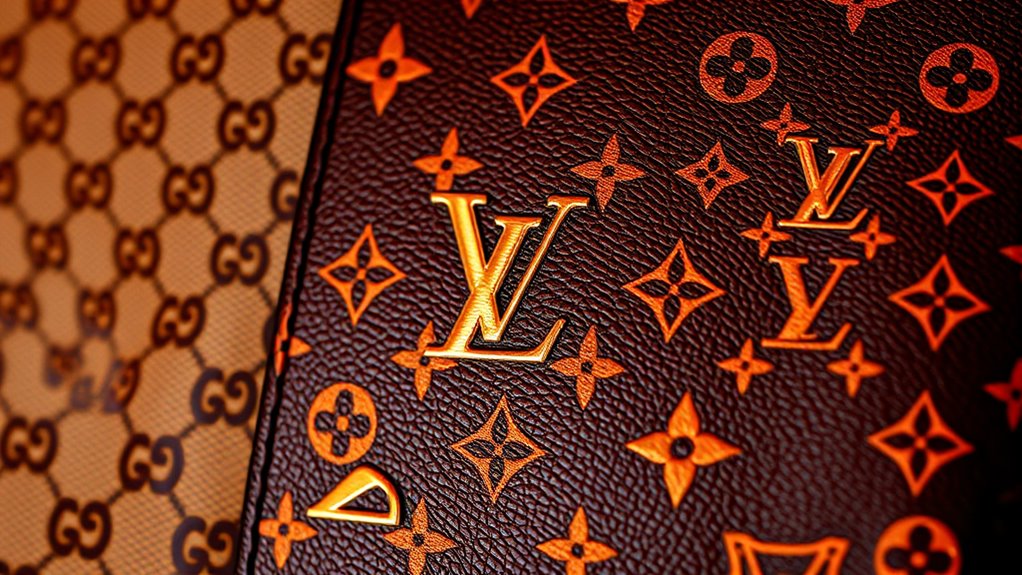
Have you ever wondered how luxury brands started using logos as more than just maker marks? It all began in the late 19th century when Louis Vuitton introduced the LV monogram canvas in 1896. This wasn’t just about branding; it was a strategic move to combat counterfeiting and protect the brand’s reputation. Around the same time, Hermès formalized an equestrian-inspired emblem, linking its identity to its origins as harness makers. Early logos in commerce date back to the 15th century, but luxury brands adopted and elevated logo use as industrial production expanded in the late 1800s, turning functional marks into symbols of status. Georges Vuitton’s deliberate design and patenting of monograms signified logo use as both a security measure and a powerful branding tool. The introduction of signature logos also coincided with the advent of high-quality home theatre projectors, which made visual branding more prominent in consumer settings.
Iconic Monograms and Interlocked Initials
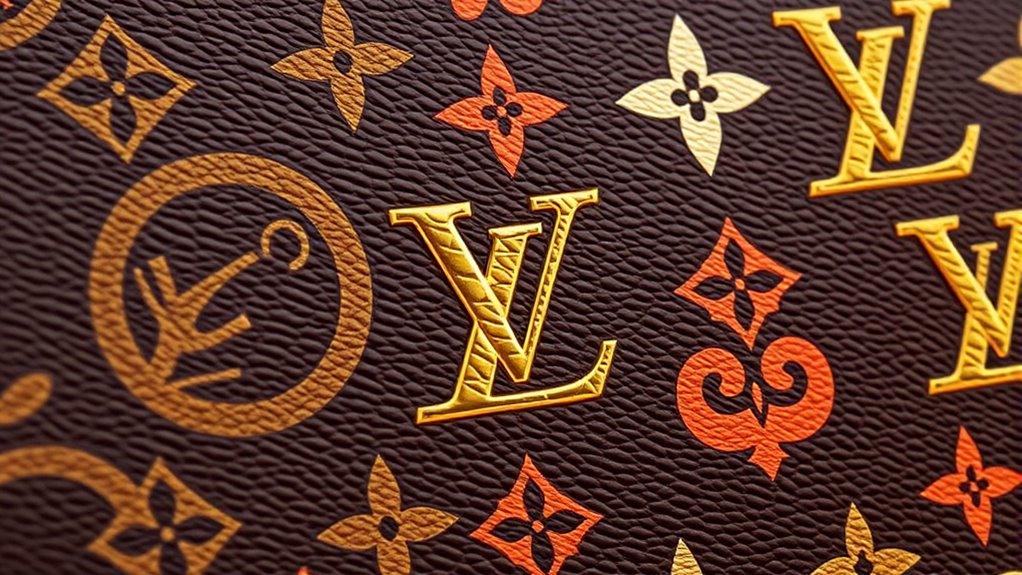
Iconic monograms and interlocked initials have become the visual signatures that define luxury brands and distinguish their products in a crowded marketplace. These symbols turn branding into instantly recognizable icons, reinforcing identity and status. The use of brand identity through monograms has evolved alongside advancements in branding strategies, making these symbols even more integral to brand recognition. Here are four key examples:
Iconic monograms and initials transform branding into instantly recognizable symbols of luxury and prestige.
- Louis Vuitton’s interlocking “L” and “V” with floral motifs create a signature pattern used across many products.
- Gucci’s double-G initials, introduced in the 1930s, condense the founder’s name into a bold geometric mark.
- Fendi’s double-F motif, popularized in the 1960s, became a graphic pattern that defined its signature collection lines.
- Chanel’s interlocked Cs, established in 1925, serve as a pure, timeless logo that’s instantly associated with elegance.
These monograms elevate branding, making products more than just accessories—they become symbols of luxury.
The Evolution of Logo Cycles and Visibility
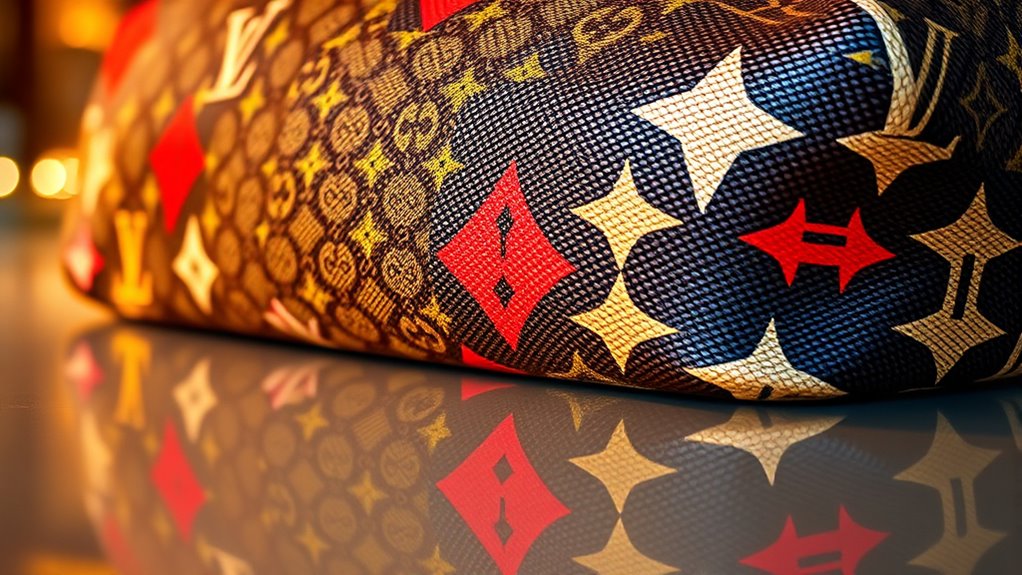
Over the decades, the prominence and placement of logos in fashion have undergone dramatic shifts, reflecting changing consumer tastes and marketing strategies. In the 1980s–2000s, logos became bold status symbols, displayed prominently on belts, T-shirts, and accessories to signal wealth and exclusivity. The 1990s and early 2000s saw a logo mania revival, with heritage monograms fueling nostalgia, celebrity endorsement, and resale demand. The 2010s introduced a minimalist countertrend, with brands like Saint Laurent opting for understated branding to appeal to refined tastes. In the 2020s, streetwear-luxury crossover sparked a resurgence of conspicuous logomania, with younger consumers embracing visible branding on everyday items. Today, logo placement and scale are strategic tools, balancing exclusivity with mass appeal and shaping fashion’s visual language. As logo visibility continues to evolve, designers carefully consider how logos communicate brand identity and influence consumer perception.
Strategies for Anti-Counterfeiting and Brand Protection

To safeguard your brand from counterfeiting, you need effective enforcement tactics like trademark registration and vigilant legal actions against infringers. Limited edition releases and unique design elements can also help verify authenticity and discourage fakes. Additionally, embracing digital authentication tools such as RFID and blockchain ensures consumers can confidently verify genuine products. Incorporating field‑of‑view comparisons and imaging‑scale examples can further assist in identifying authentic branding elements and preventing counterfeit reproductions.
Trademark Enforcement Tactics
Luxury brands actively implement a range of trademark enforcement tactics to combat counterfeiting and protect their brand integrity. These tactics guarantee authenticity and uphold brand value. They register trademarks and patents worldwide, making it easier to take legal action against counterfeiters. Brands monitor online marketplaces and retail outlets to identify unauthorized reproductions. They collaborate with customs authorities to seize counterfeit goods before reaching consumers. Implementing digital authentication tools like RFID chips and blockchain helps verify genuine products and deter fakes. Additionally, utilizing vetted vacuum cleaners can assist in maintaining the cleanliness of branded stores and preventing counterfeit product contamination.
Limited Edition Strategies
Have you noticed how limited edition releases serve as a powerful tool for brand protection? By creating exclusive products with unique logo treatments, you make counterfeiting more difficult. Limited editions often feature season-specific colorways, collaborations, or artist-designed logos that are easy to verify and hard to replicate. These special releases establish verifiable provenance, discouraging fakes and boosting authenticity. You can also use these editions to generate buzz and reinforce brand value, increasing desirability among collectors and loyal customers. Additionally, some brands embed subtle logo variations or unique hardware details to authenticate each piece. By controlling the production run and carefully managing distribution, you protect your logo’s integrity while maintaining exclusivity. Implementing precise measurements of jewelry and using high-quality, resistant materials also contribute to safeguarding your brand’s reputation against counterfeit infiltration and sustain its luxury status.
Digital Authentication Innovations
Digital authentication innovations are transforming how brands combat counterfeiting and protect their logos in an increasingly digital world. You can now leverage advanced tools to verify authenticity and safeguard brand integrity. Here are four key strategies:
- RFID Chips: Embedded in products, RFID tags allow instant digital verification, making counterfeits easier to detect.
- Blockchain Provenance: Blockchain creates an immutable record of a product’s history, giving consumers and retailers confidence in authenticity.
- Secure QR Codes: Unique, tamper-proof QR codes link to digital certificates, enabling quick validation via smartphones.
- Digital Watermarks: Invisible digital markers embedded in logos or packaging help authenticate products without altering their appearance.
Additionally, understanding Free Floating design elements can help brands develop more adaptable and resilient authentication features that are harder to replicate. These innovations help you move beyond traditional methods, ensuring your brand remains exclusive and protected in a digital age.
Logos as a Creative Language and Design Platform
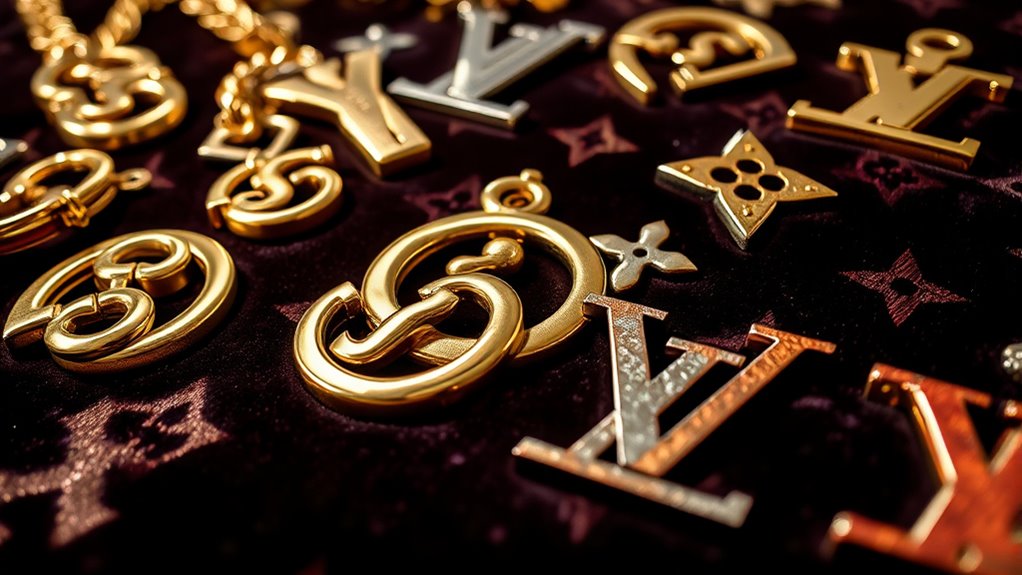
You can see logos transformed into powerful visual motifs that go beyond branding, becoming patterns, textures, and graphic elements in design. Collaborations and remixing allow designers to reinterpret logos creatively, blending legacy symbols with contemporary culture. Reconstructing logos through deconstruction and reinterpretation challenges traditional notions, turning them into statements that comment on heritage and consumerism. Notably, passive voice detection tools help writers identify and improve passive constructions, enhancing clarity and engagement in visual communication.
Logos as Visual Motifs
Logos have evolved beyond simple brand identifiers to become versatile visual motifs that shape a brand’s entire aesthetic language. You now see them as powerful tools for patterning, texture, and graphic expression. They serve as cultural symbols, artistic statements, and design elements that extend beyond logos themselves. Consider:
- They’re used as all-over prints and jacquards, transforming logos into textiles and backgrounds.
- Collaborations remix iconic motifs, creating limited-edition designs that resonate culturally.
- Deconstructed logos—oversized, inverted, or distressed—offer contemporary commentary on tradition and consumerism.
- Logo motifs shape immersive brand environments, from packaging to retail spaces, reinforcing identity visually and emotionally.
These motifs adapt flexibly, making logos integral to visual storytelling and creative expression.
Collaboration and Remixing
Collaborations have transformed logos from static symbols into dynamic creative platforms that drive innovation and cultural relevance. When you partner with artists, streetwear brands, or pop culture icons, you remix classic logos into fresh, limited-edition designs that resonate across generations. By reimagining monograms, initials, or motifs—sometimes oversized, distressed, or inverted—you challenge heritage and consumerism, making logos a form of visual commentary. These collaborations infuse logos with new meaning, turning them into cultural statements and collectible artifacts. You leverage logos’ versatility by using patterns, textures, and graphic motifs across products, packaging, and environments. This remixing not only keeps brands relevant but also sparks excitement and exclusivity, creating buzz and fueling demand among both loyalists and new audiences alike.
Deconstruction and Reinterpretation
Designers are increasingly reimagining logos as versatile visual elements that go beyond their traditional role of brand identification. You can see this in how logos are deconstructed into new forms, layered with meaning, or reinterpreted as art. This approach transforms logos into a creative language, allowing brands to challenge conventions and engage consumers emotionally.
Consider these strategies:
- Oversized or distorted logos that make bold statements or critique consumerism.
- Inverted or fragmented marks that create visual tension and fresh perspectives.
- Combining logos with other design elements, like textures or patterns, to craft immersive experiences.
- Remixing legacy symbols through collaborations or art interventions, giving them cultural relevance and contemporary edge.
This deconstruction fosters innovation, encourages dialogue, and keeps logos essential in a constantly shifting fashion landscape.
The Cultural and Economic Impact of Logo Branding
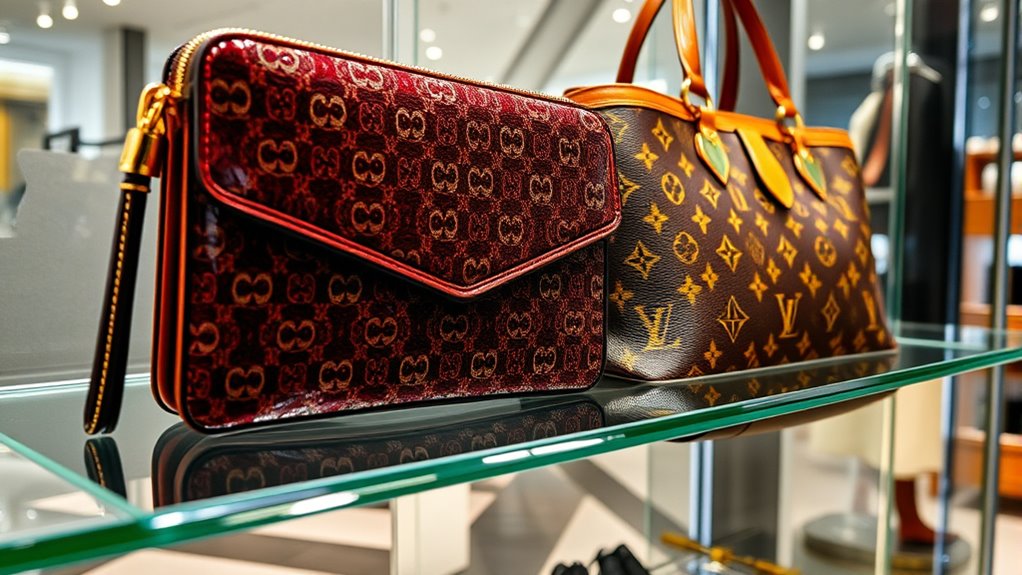
The use of logos in fashion has become a powerful tool for shaping cultural identity and driving economic value. When you see a prominent logo, it signals membership, status, or allegiance, making it a crucial social marker. Brands leverage logos to command premium prices; their visibility boosts resale value and brand equity. Celebrity endorsements and influencer placements amplify reach, fueling trend cycles and attracting younger audiences. However, overexposure can dilute brand prestige, prompting strategic restraint. Logos also serve as essential assets in combating counterfeits, with innovations like digital authentication confirming authenticity. Economically, iconic logos elevate brand valuation and foster loyalty. Culturally, logos embed themselves into identity narratives, transforming simple symbols into symbols of aspiration, belonging, and influence. Additionally, the strategic use of Sarcastic quotes can sometimes play a role in shaping consumer perceptions and adding a layer of cultural commentary to brand identity.
Frequently Asked Questions
How Do Brands Decide When to Increase or Reduce Logo Visibility?
You should increase logo visibility when you want to boost brand recognition, create a statement, or appeal to younger consumers craving bold branding. Conversely, reduce logo prominence to cultivate exclusivity, appeal to luxury purists, or rebrand with a minimal aesthetic. Strategic placement and scale help balance desirability and mass appeal, allowing you to adapt to market trends, counteract overexposure, and maintain your brand’s cachet while engaging different consumer segments.
What Are the Most Innovative Digital Tools for Authenticating Logo-Branded Products?
You should explore digital tools like RFID chips, blockchain, and QR codes for authenticating logo-branded products. RFID tags allow quick in-store verification, while blockchain provides transparent, tamper-proof provenance records. QR codes link to authentication websites, offering instant verification via smartphones. These innovations help combat counterfeiting, build consumer trust, and protect your brand’s integrity. Incorporating such tools guarantees your products’ authenticity remains secure in the digital age.
How Do Collaborations Influence the Redesign and Perception of Iconic Logos?
Collaborations influence the redesign and perception of iconic logos by blending heritage with contemporary culture, making logos more relevant and fresh. You see brands remix logos with artists, streetwear labels, or limited editions, which creates buzz and cultural resonance. These partnerships can modernize or deconstruct logos, shifting perceptions from traditional symbols to statement pieces. This strategy boosts visibility, appeals to new audiences, and keeps iconic logos dynamic and engaging in evolving fashion landscapes.
In What Ways Have Logos Evolved to Appeal to Younger, Streetwear-Focused Consumers?
You see logos transforming like vibrant street murals, bold and oversized to grab attention. They now serve as symbols of rebellion and cultural identity, appealing to younger consumers who wear them like badges of belonging. Designers remix classic emblems—distorting, deconstructing, and amplifying them—creating edgy, statement pieces. This evolution makes logos more than brand markers; they become visual narratives that express individuality, making luxury feel accessible and personally meaningful in streetwear culture.
How Does Logo Placement Impact Consumer Perception of Luxury and Exclusivity?
You see that strategic logo placement influences how you perceive luxury and exclusivity. When logos are prominently displayed, it signals status and brand confidence, making items more desirable. Subtle or discreet logos suggest sophistication and rarity, appealing to those who value understated elegance. As a consumer, you’re influenced by where and how logos appear, shaping your perception of a brand’s prestige, whether through bold branding or minimalist design.
Conclusion
You’ve seen how logos have shaped fashion history, turning simple initials into symbols of status and creativity. They’re more than just designs—they’re cultural icons that influence trends and protect brands. As logo fashion continues to evolve, do you wonder how much further it can go? One thing’s certain: logos aren’t just adornments, but powerful language that speaks to identity and innovation. Are you ready to see what the next chapter holds?