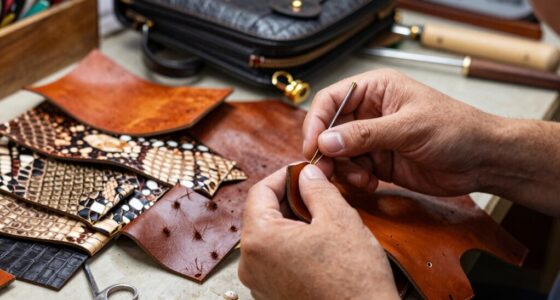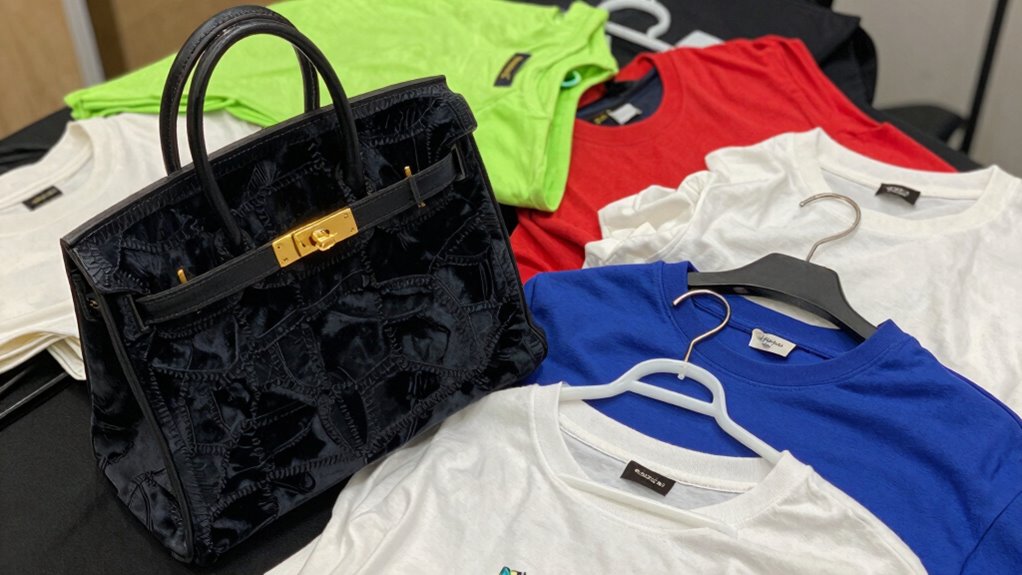

When comparing luxury and fast fashion, you get more durability, higher-quality materials, and longer-lasting pieces with luxury options. They are designed to be worn repeatedly and often retain or grow in value over time. Fast fashion, on the other hand, offers trendy, low-cost items that quickly show wear and tend to be disposable. If you want a smarter approach to style and sustainability, exploring these differences further can help you make better choices.

Get your wardrobe favorites delivered free — and shop member deals
- Fast, free delivery on millions of items
- Access to Prime Big Deal Days deals on October 6–7
- Prime Video, Amazon Music and more included
Key Takeaways
- Luxury offers higher-quality materials, craftsmanship, and durability, ensuring longer wear and better appearance over time.
- Fast fashion provides trendy designs at lower prices but often uses synthetic fibers that wear out quickly.
- Resold luxury maintains or increases value, while fast fashion items typically depreciate rapidly after limited wears.
- Luxury brands focus on sustainability and ethical sourcing, reducing environmental impact compared to fast fashion’s wastefulness.
- The true cost of luxury includes longevity and exclusivity, whereas fast fashion’s lower price often results in short-lived, disposable clothing.
The Economics of Cost-Per-Wear in Fast Fashion and Luxury
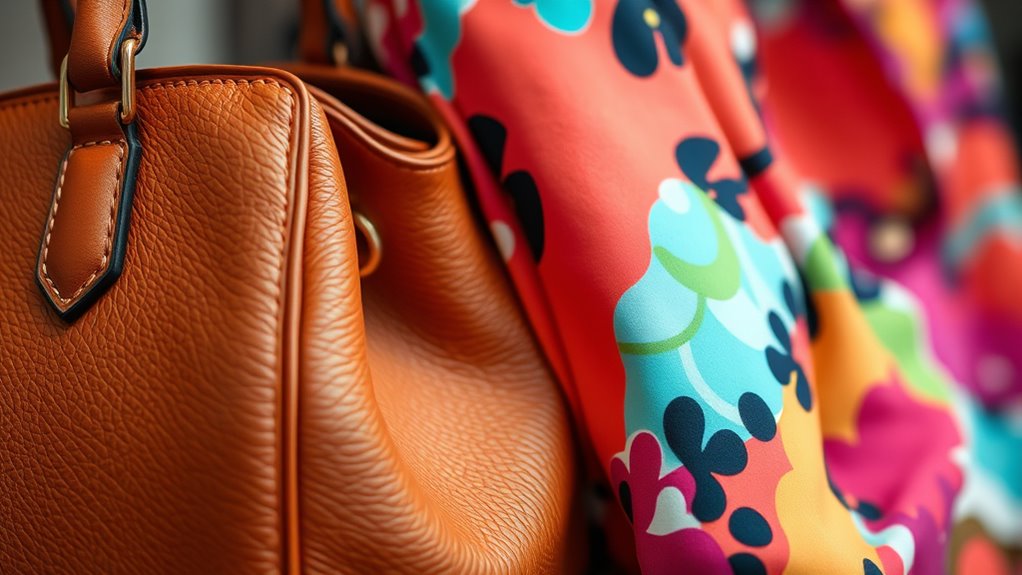
Understanding the economics of cost-per-wear reveals why luxury often offers better long-term value than fast fashion. When you compare the two, you’ll see that fast fashion items, like a three-piece outfit, can cost about 9.65 euros per wear, while a used luxury outfit averages only 7.18 euros. Even better, preowned luxury pieces are 33% more affordable than new fast fashion. You’ll find that luxury items are worn more frequently, increasing their value over time, while fast fashion pieces are worn less and replaced quickly. Resold luxury bags and clothing tend to hold their value or even increase it. Additionally, luxury items often feature better craftsmanship, which contributes to their durability and longevity, making them a smarter investment overall. This emphasis on quality and timeless style means you get more use and satisfaction out of each piece. Furthermore, luxury brands often prioritize sustainable practices, which can reduce environmental impact and add to the long-term appeal of their products. Incorporating luxury resale markets can further enhance the affordability and sustainability of investing in high-quality pieces. Understanding the long-term cost savings associated with luxury can help consumers make more informed purchasing decisions. Ultimately, investing in luxury allows you to spread the cost over many uses, making it a smarter, more economical choice in the long run.
Durability and Longevity: How Long Do Your Clothes Last?
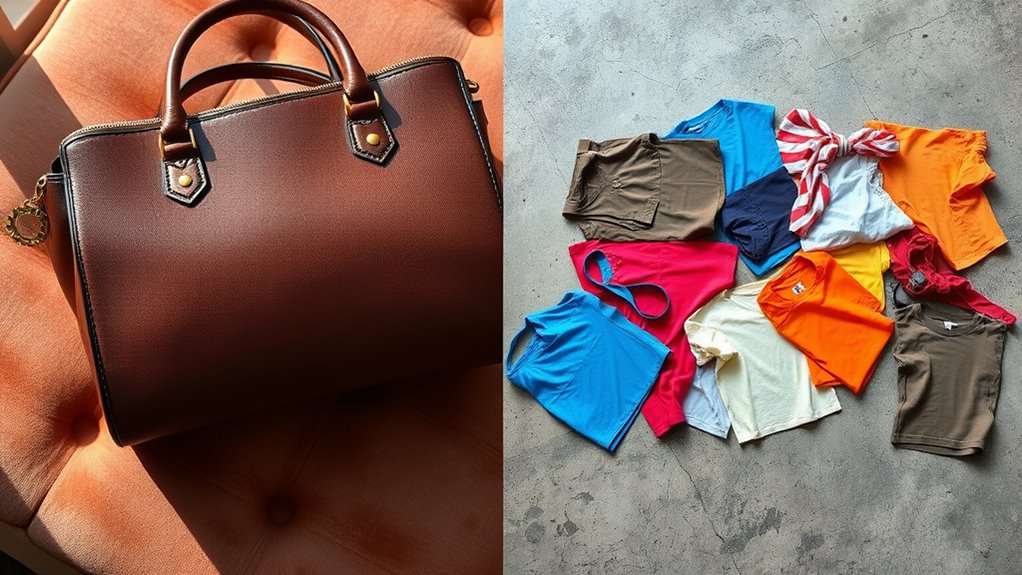
While fast fashion promotes quick turnover with cheaply made items, these clothes tend to wear out and fall apart much faster than luxury pieces. You’ll notice that fast fashion fabrics often lose shape, fade, and develop holes after only a few wears. In contrast, luxury garments are crafted with higher-quality materials and superior construction, making them last years longer. Consider these points:
- Fast fashion items typically last less than 50 wears before showing significant signs of wear.
- Luxury pieces often maintain their appearance and structure through 100+ wears.
- Resale data shows luxury clothing retains value longer, indicating durability.
- The longer lifespan means you get more use out of each luxury item, making it a smarter investment.
- Additionally, material quality plays a crucial role in the longevity of clothing, with luxury brands investing in fabrics that resist wear and tear over time. Proper fabric care techniques can significantly extend the life of high-end garments, keeping them looking new.
- Proper care and maintenance further extend the lifespan of high-end garments, preserving their quality for years to come.
Ultimately, durability and longevity favor luxury, offering better value over time.
Resale and Secondhand Market Dynamics
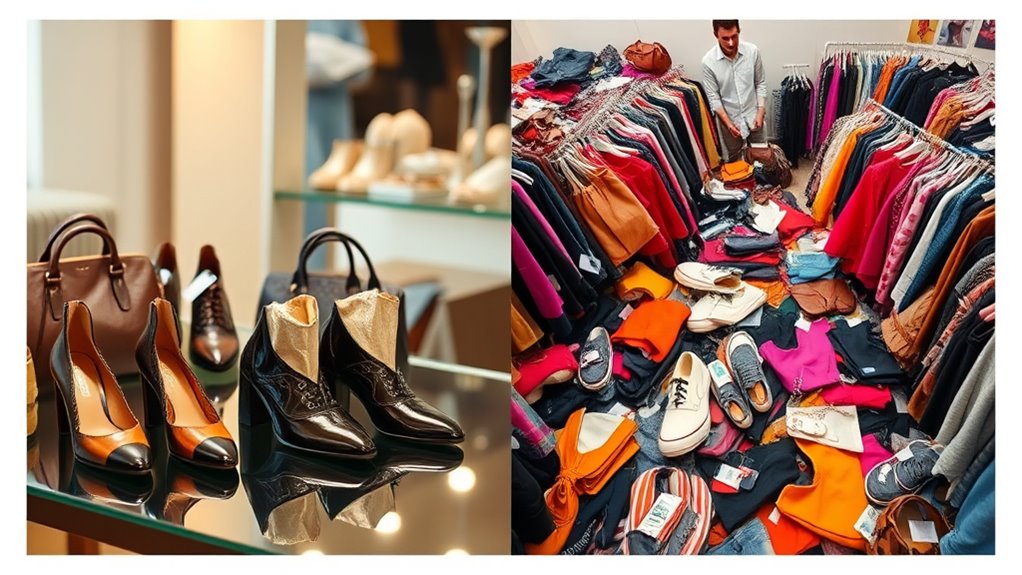
The resale and secondhand market is transforming how you access luxury fashion, making high-quality items more affordable and sustainable. Preowned luxury pieces cost about 33% less than new fast fashion, offering better value per wear. Items like luxury t-shirts and shoes are worn 30% more often than fast fashion equivalents, boosting their cost-per-wear. Bags, when resold, retain higher value, with secondhand luxury bags costing 45% more than fast fashion ones. Consumers are increasingly refining wardrobes through resale, especially as affordability rises and sustainability becomes a priority. The market is expanding rapidly, with secondhand sales projected to reach $320-360 billion by 2030, growing three times faster than first-hand fashion. This shift enables you to access premium items while supporting a more sustainable consumption model. Continuous technological innovations, like digital platforms and apps, are further facilitating market growth and making secondhand luxury more accessible to a broader audience. As a result, secondhand luxury shopping is becoming a mainstream option for consumers seeking quality and value, and advancements in digital platforms are driving a new level of convenience and trust in secondhand transactions. Additionally, the increasing use of trust-building technologies helps verify authenticity, reducing concerns about counterfeit products. Furthermore, the rise of online resale marketplaces has significantly expanded consumer options and simplified the buying and selling process.
Sales Trends and Consumer Spending Patterns
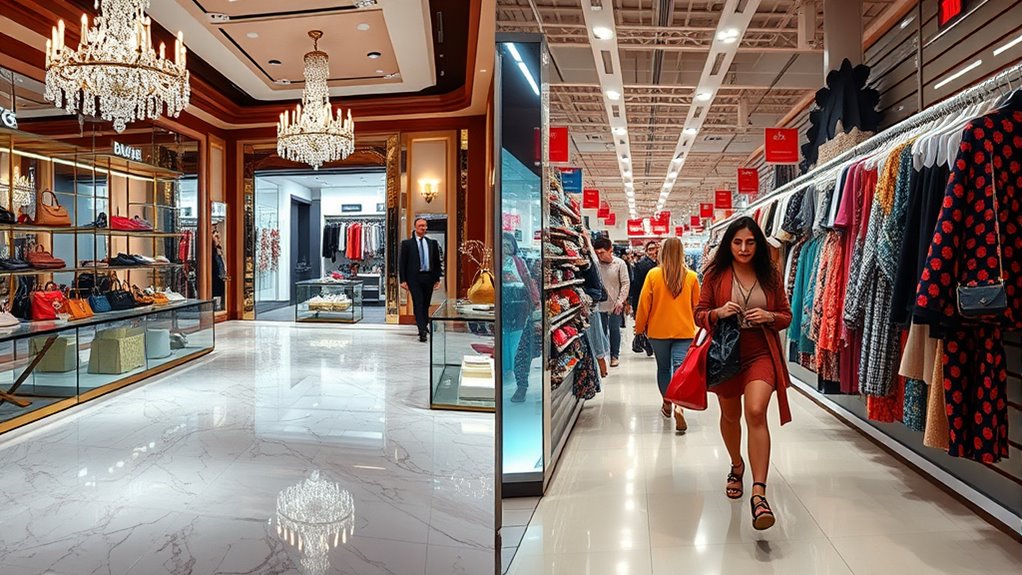
Are shifting consumer preferences reshaping how you spend on fashion? Recent trends show a clear move toward valuing quality over quantity. Here’s what’s happening:
- Luxury brands are experiencing 6% year-on-year order growth, outpacing fast fashion’s sales decline.
- While overall fashion sales dropped 2% in Q1 2023, luxury’s average order value increased by 8%.
- Consumers affected by the cost-of-living crisis are spending less on non-essentials, shifting toward secondhand luxury for affordable access.
- The secondhand market is booming, projected to reach $320-360 billion by 2030, growing three times faster than fast fashion. This growth underscores a consumer shift toward sustainability and durability, influencing purchasing decisions across various sectors.
- The incident with global outages like Microsoft highlights the importance of resilient supply chains and contingency planning in the fashion industry. Additionally, the increasing emphasis on reconditioning batteries reflects a broader consumer trend toward sustainability and durability, influencing purchasing decisions across various sectors. Furthermore, consumers are increasingly seeking long-lasting products that offer better value over time, reinforcing the focus on quality over quantity. Recognizing the importance of product maintenance can also extend the lifespan of items, further supporting sustainable buying habits.
This shift reflects a focus on durability, resale value, and aspirational buying, redefining how you get value for your money.
The Role of Quality and Material in Value Assessment
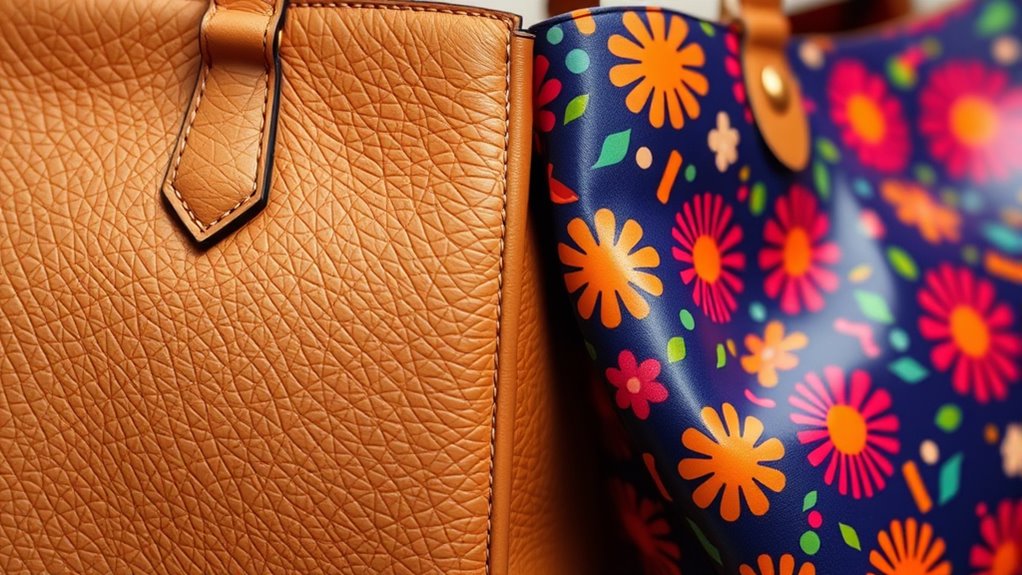
When evaluating value, the durability and longevity of materials matter. Quality craftsmanship and premium fabrics often mean your investment lasts longer and maintains its appeal. In contrast, fast fashion prioritizes low cost over lasting material quality, leading to quicker wear and replacement.
Material Durability and Longevity
Material quality directly impacts how long your clothing lasts and how well it maintains its appearance over time. High-quality fabrics resist wear, fading, and damage, making them more durable and cost-effective. When evaluating value, consider:
- The strength of the fibers—stronger fibers last longer and resist stretching or tearing.
- Resistance to fading—better dyes and finishes keep colors vibrant over years.
- Structural integrity—well-made materials hold shape and avoid pilling or wrinkling.
- Moisture and stain resistance—premium fabrics often repel liquids, reducing damage.
- The use of advanced materials in luxury brands often enhances durability and performance. Additionally, material testing plays a crucial role in assessing how fabrics hold up under real-world conditions. Understanding the fabric composition helps consumers anticipate how well a garment will perform over time and under different conditions, especially when combined with durability testing to ensure long-term wear. Incorporating material innovations can further extend the lifespan of garments by improving resilience and resistance to environmental factors.
Craftsmanship and Material Quality
Craftsmanship and material quality play a pivotal role in determining a garment’s overall value, as they directly influence durability, appearance, and longevity. High-quality materials like fine leather, silk, and pure wool tend to last longer and age gracefully, enhancing their worth over time. Skilled craftsmanship ensures meticulous finishing, stronger seams, and thoughtful design, which prevent quick wear and tear. In contrast, fast fashion often uses cheaper fabrics and rushed production, reducing its lifespan and aesthetic appeal. To illustrate, consider this:
| Aspect | Fast Fashion | Luxury & Preowned Luxury |
|---|---|---|
| Material Quality | Lower-grade, synthetic fibers | Premium, natural fibers |
| Craftsmanship | Rapid, mass-produced | Detailed, artisanal work |
| Durability | Short-term use | Long-lasting, enduring |
| Appearance | Trend-focused, less refined | Timeless, sophisticated |
Demographic Preferences and Buying Behaviors
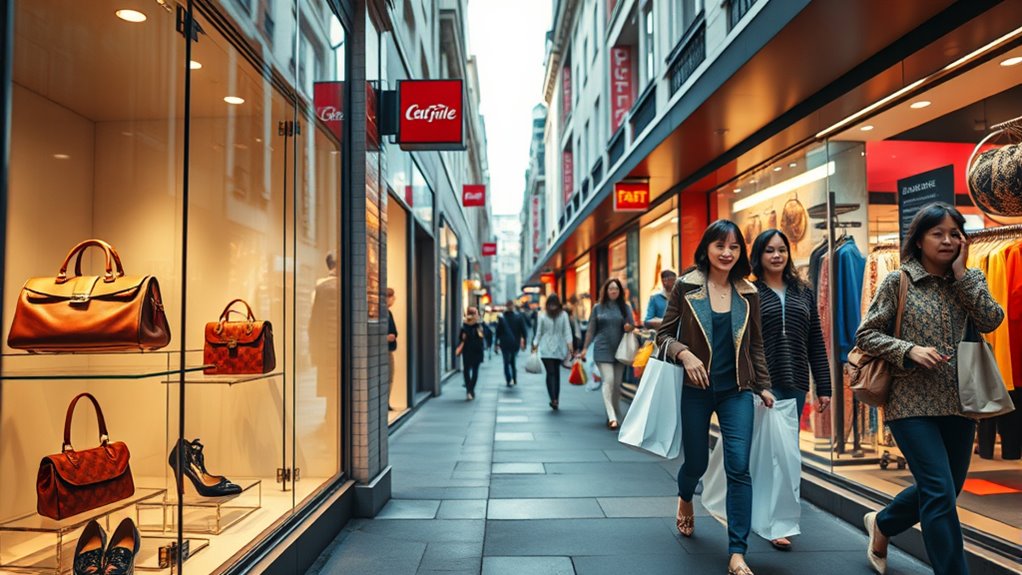
Demographic preferences markedly influence buying behaviors in the fashion industry, with age, income, and lifestyle shaping whether you choose luxury or fast fashion. Younger consumers often prioritize affordability and trendiness, leaning toward fast fashion for quick updates. In contrast, higher-income individuals tend to value quality and longevity, favoring preowned or resold luxury items. Here’s how demographics drive choices:
- Older shoppers (35+) are more likely to purchase luxury, valuing durability and prestige.
- Younger consumers are more open to fast fashion, seeking affordability and variety.
- Affluent buyers often explore secondhand markets for sustainable, high-end options.
- Budget-conscious shoppers focus on fast fashion for trendy, low-cost wardrobe updates.
Your demographic profile directly impacts what kind of fashion you buy and how you perceive value.
Environmental Impact and Sustainability Considerations

Fast fashion produces a larger environmental footprint due to its quick turnover and lower-quality materials, leading to more waste and pollution. In contrast, luxury items often last longer and are made with higher sustainability standards, reducing overall environmental impact. Considering these factors, your choices can considerably influence sustainability and the long-term health of the planet.
Environmental Footprint Comparison
While fast fashion often appears budget-friendly, its environmental footprint is markedly larger than that of luxury items. Fast fashion’s rapid production cycle causes significant pollution and waste. You’ll find that:
- Fast fashion produces up to 10 times more carbon emissions per item than luxury brands.
- It uses more water—around 2,700 liters for a single T-shirt—compared to luxury pieces made with sustainable practices.
- Fast fashion contributes heavily to textile waste, with 92 million tons discarded annually.
- Luxury brands tend to focus on quality, durability, and sustainable sourcing, reducing their overall environmental impact.
In contrast, luxury items often have longer lifespans and can be resold, mitigating environmental harm. Your choices directly influence the ecological footprint of your wardrobe.
Sustainability & Longevity
Sustainable fashion emphasizes durability and responsible sourcing, making longevity a key factor in its environmental impact. When you invest in luxury items, you often get pieces designed to last years, reducing the need for frequent replacements. These items tend to age well, maintain their quality, and often become collectibles or resellable assets, extending their lifespan even further. In contrast, fast fashion prioritizes quantity over quality, leading to short-lived garments that quickly lose shape, color, or fabric integrity. This cycle results in more waste and higher environmental costs as you replace items more often. Choosing luxury or preowned pieces means you’re supporting a more sustainable approach, minimizing waste, and reducing your overall fashion footprint. Longevity is not just about saving money; it’s about making a responsible choice.
Brand Perception and Consumer Loyalty

Brand perception plays a essential role in shaping consumer loyalty, especially as shoppers become more selective amid economic pressures. When you see a luxury brand as timeless and exclusive, you’re more likely to invest in its pieces, fostering loyalty. Conversely, fast fashion’s reputation for disposability weakens emotional bonds. Consider these factors:
- Perceived Quality: Luxury brands are seen as superior, encouraging repeat purchases.
- Status and Prestige: Owning luxury items boosts social standing, reinforcing loyalty.
- Resale Value: Luxury pieces retain value longer, making them more appealing.
- Sustainability Perception: Preowned luxury appeals to eco-conscious consumers, strengthening loyalty.
Your perception influences whether you view a brand as worth the investment, impacting long-term loyalty and shopping habits.
Risks and Challenges Facing Fast Fashion and Luxury Markets
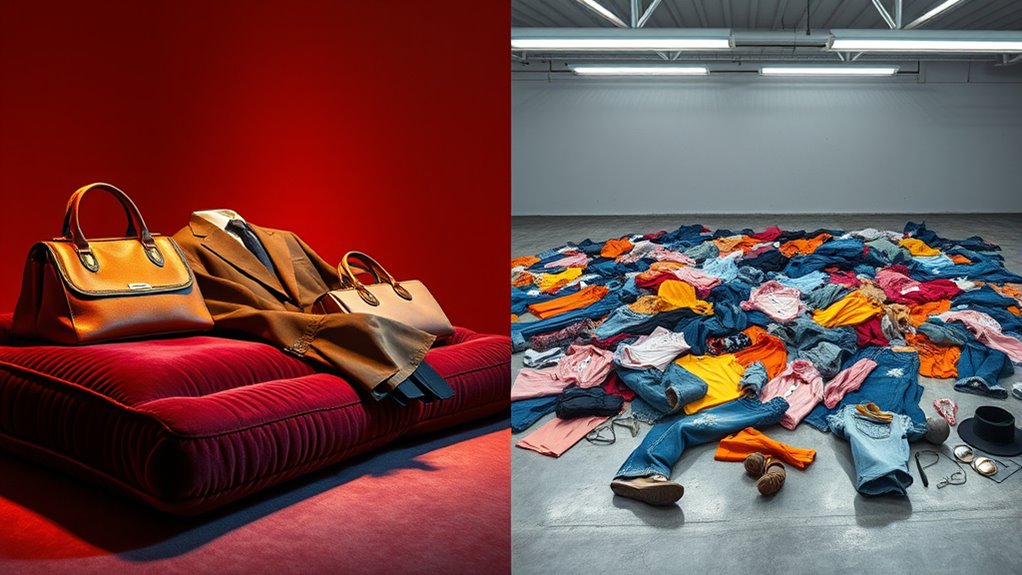
Fast fashion faces significant risks from rising production costs, supply chain disruptions, and increased scrutiny over environmental and ethical practices. You might find that higher material and labor costs squeeze profit margins, forcing brands to raise prices or cut corners. Supply chain issues, like delays and shortages, can leave shelves empty and damage reputation. Additionally, growing consumer awareness around sustainability and ethical labor practices puts fast fashion under pressure, risking brand damage and declining loyalty. Regulatory crackdowns, such as bans on certain materials or stricter waste management laws, threaten operational stability. Meanwhile, the fast-paced cycle of rapid turnover leads to overproduction, waste, and environmental harm, which could result in stricter regulations or consumer backlash. These challenges threaten the long-term viability of fast fashion’s quick, volume-driven model.
Making Informed Choices: Balancing Price, Quality, and Ethics
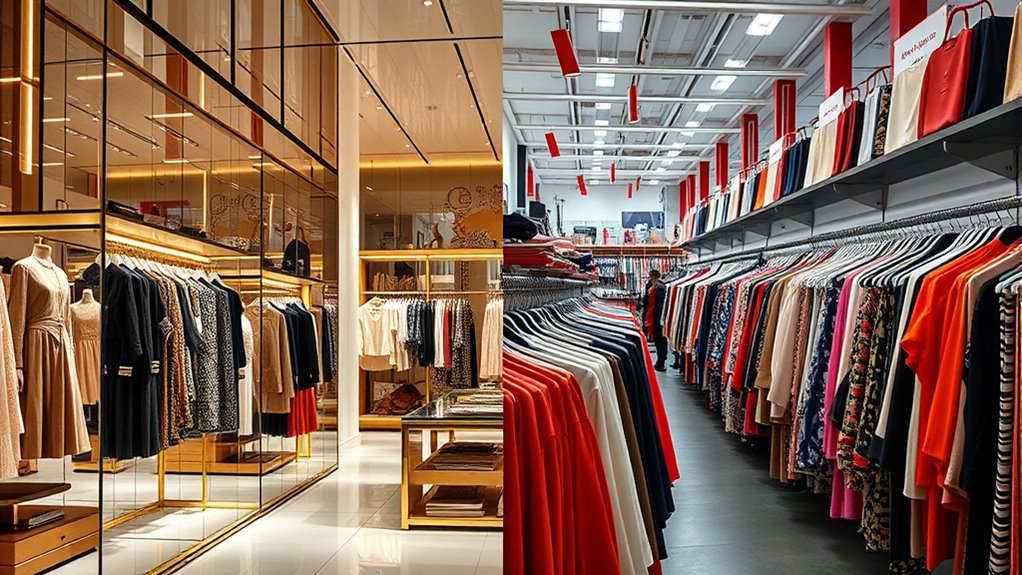
As consumers become more aware of the environmental and ethical issues surrounding fashion, making informed choices means weighing not just price but also quality and sustainability. To do this effectively, consider these factors:
- Cost per wear: Luxury items often have a lower cost per wear than fast fashion, meaning they last longer and get more use.
- Lifespan and durability: Quality materials and craftsmanship extend the life of your clothing, reducing waste and replacement frequency.
- Resale value: Luxury pieces tend to retain or increase their value over time, offering better long-term return.
- Ethical considerations: Research brands’ sustainability practices and labor conditions to align your purchases with your values.
Balancing these elements helps you make smarter, more responsible fashion choices.
Frequently Asked Questions
How Does Resale Value Differ Between Fast Fashion and Luxury Items?
You’ll find that luxury items hold their resale value much better than fast fashion. On average, used luxury pieces like bags and clothes retain about 45% more value than fast fashion equivalents. Fast fashion items tend to depreciate quickly, with lower resale prices and shorter lifespans. By investing in luxury, you’re more likely to recover a significant portion of your money when reselling, making it a smarter long-term choice.
What Are the Long-Term Cost Benefits of Investing in Luxury?
Investing in luxury offers significant long-term cost benefits, especially since luxury items have a higher usage frequency and longer lifespan. For instance, preowned luxury clothing costs 33% less than new fast fashion, and luxury bags are used 45% more often than fast fashion bags. Over time, this increased durability and usage reduce your overall expense, making luxury a smarter, more sustainable choice for long-term wardrobe investments.
How Do Consumer Preferences Shift Across Different Age Groups?
You notice that younger consumers, like Millennials and Gen Z, prefer fast fashion for affordability and trendiness, even though it wears out faster. Meanwhile, older shoppers prioritize quality and longevity, opting for luxury or preowned pieces that offer better long-term value. As you age, your preferences shift toward durability and sustainability, making higher-quality items more appealing. Overall, consumer choices evolve based on priorities like budget, sustainability, and desire for timeless style.
What Environmental Advantages Does Secondhand Shopping Offer?
Think of secondhand shopping as giving your wardrobe a second life. It reduces waste by reusing items, lowering the demand for new production, and cutting down on environmental pollution. You’re keeping clothes from ending up in landfills, saving resources like water and energy. Plus, it minimizes carbon emissions associated with manufacturing and transportation. Fundamentally, you’re helping the planet breathe easier while rejuvenating your style sustainably.
How Do Brand Loyalty and Perception Influence Purchasing Decisions?
Brand loyalty and perception heavily influence your purchasing decisions by shaping how you value quality, status, and trust. When you’re loyal to a brand, you’re more likely to buy its products repeatedly, perceiving them as worth the investment. A strong perception of prestige or sustainability can sway you toward premium options, even if they cost more, because you associate them with exclusivity, better quality, or aligning with your values.
Conclusion
Ultimately, choosing between luxury and fast fashion depends on what you value most. Imagine buying a designer jacket that lasts years versus multiple cheap garments that wear out quickly. While luxury items may cost more upfront, their durability and timeless appeal can save you money and reduce waste over time. By making informed choices, you can enjoy style without sacrificing quality or ethics—because your wardrobe should work for you, not just your wallet.
Fall Picks
fall essentials
As an affiliate, we earn on qualifying purchases.