The future of luxury shopping is digital, as top brands shift online to meet changing consumer needs. Young buyers, especially Millennials and Gen Z, prioritize convenience, social media influence, and personalized experiences on mobile apps. Brands are blending online and offline efforts through virtual try-ons, exclusive events, and social commerce, creating seamless journeys. If you explore further, you’ll discover how these strategies help brands stay relevant and competitive in a rapidly evolving digital landscape.
Get ready for Prime Big Deal Days — try Prime free
Exclusive member deals on October 6–7, plus fast free delivery. Cancel anytime.
As an affiliate, we earn on qualifying purchases.
Key Takeaways
- Growing online luxury sales and mobile-driven traffic make digital channels essential for reaching modern consumers.
- Younger audiences, especially Millennials and Gen Z, prioritize online experiences, social shopping, and virtual try-ons.
- Social media and influencer collaborations boost authenticity, engagement, and personalized brand connections.
- Seamless online-offline integration enhances customer journeys and maintains brand exclusivity.
- Embracing digital trends ensures brands stay relevant, competitive, and meet evolving consumer preferences.
The Growing Market and Investment in Digital Luxury Channels
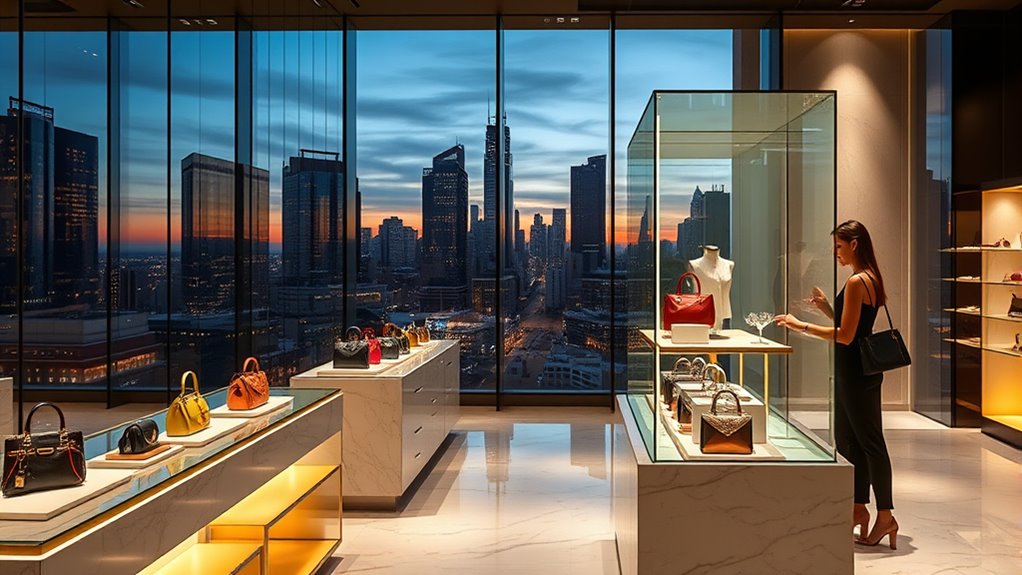
As the luxury market continues to expand, brands are increasingly investing in digital channels to capture consumer attention and drive sales. You’ll notice that the global luxury eCommerce market is projected to surpass $80 billion by 2025, with sectors like fashion, leather goods, and cosmetics experiencing significant growth. Online luxury sales are expected to reach 17.1% of total sales, up from 15.5% in 2024. Over 70% of luxury eCommerce traffic will be mobile-driven, thanks to apps, mobile-first designs, and virtual try-ons. This shift reflects a strategic focus on digital platforms to reach high-net-worth millennials and Gen Z buyers, who prefer shopping online and value experiences over products. Additionally, leveraging European cloud infrastructure ensures these brands can deliver secure, scalable, and sustainable online shopping experiences. Brands are recognizing that digital channels are crucial for future growth and competitiveness.
Shifting Consumer Preferences and Demographics Driving Online Adoption

Shifting consumer preferences and demographics are accelerating the adoption of online luxury shopping. Today’s younger consumers, especially Millennials and Gen Z, prioritize experiences over products and often begin their purchase journey on social media. They’re more comfortable buying high-end items online, with 45% of Gen Z luxury purchases starting on social platforms and 30% completing in-app. This shift is driven by their desire for convenience, personalized digital experiences, and social validation. The table below highlights how demographics influence online luxury behaviors:
| Demographic Group | Key Online Luxury Behavior | Preferred Channels |
|---|---|---|
| Millennials | Big-ticket online purchases, research | Social media, brand websites |
| Gen Z | Experience-driven, social media initiation | Instagram, TikTok, in-app shopping |
| High-net-worth | Value convenience, personalized services | Mobile apps, virtual try-ons |
| Younger consumers | Prioritize experiences over products | Social commerce, influencer content |
| All age groups | Increasing online purchase share | Apps, e-commerce platforms |
Additionally, luxury brands are investing heavily in digital presence, recognizing its importance in maintaining relevance among younger audiences.
The Impact of Social Media and Social Commerce on Luxury Brands
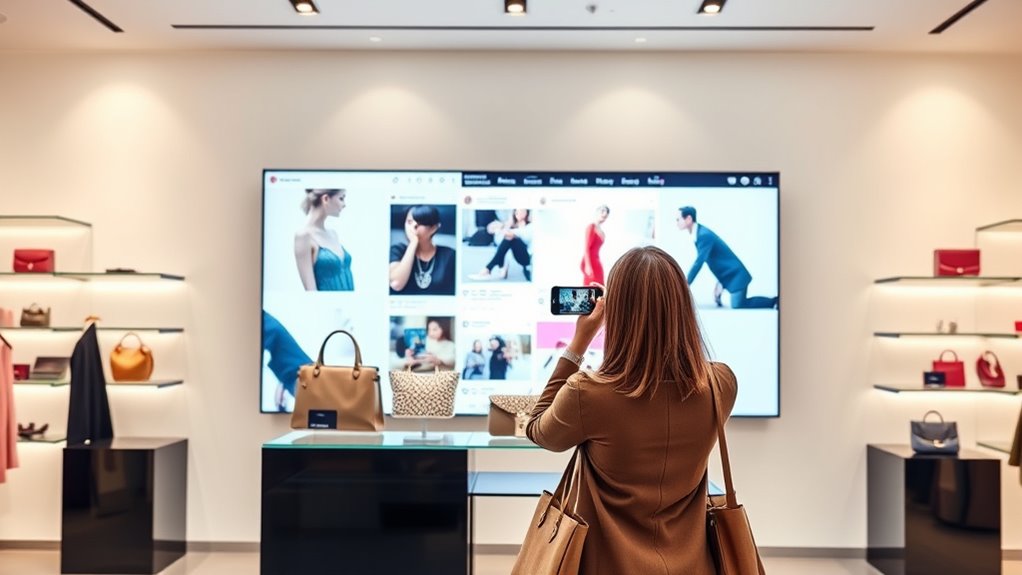
Social media shapes how luxury brands connect with consumers, making engagement more immediate and personalized. Micro-influencers play a vital role by fostering authentic relationships and reaching niche audiences. As a result, brands that leverage these channels can boost their visibility and drive sales more effectively. Additionally, content creation has become a key strategy for brands to showcase their exclusivity and craftsmanship directly to consumers.
Social Media Influence
How has social media transformed the way luxury brands engage with consumers? It’s reshaped interactions from traditional advertising to direct, real-time conversations. You can now explore exclusive content, behind-the-scenes glimpses, and limited-edition drops through platforms like Instagram and TikTok. Social media creates a sense of immediacy, making luxury brands more accessible yet maintaining their exclusivity. Shoppable posts, one-click purchases, and DMs streamline the buying process, encouraging impulse buys and instant engagement. You’re not just passively consuming content; you’re part of a digital community that values personalized experiences. Brands tailor campaigns to regional tastes and leverage localized content to connect with diverse audiences. This dynamic, interactive environment accelerates brand loyalty, influences purchase decisions, and amplifies the reach of luxury marketing efforts globally.
Micro-Influencers’ Role
Micro-influencers have become essential allies for luxury brands seeking authentic connections with niche audiences. They bring credibility and relatability that resonate with followers, especially Millennials and Gen Z, who prioritize genuine experiences. By leveraging micro-influencers, brands can craft targeted campaigns in regional markets, using local languages and cultural nuances to boost engagement. These influencers often have highly engaged, loyal followers, making their endorsements feel more personal and trustworthy. This authenticity drives social commerce, with followers more likely to convert after seeing a trusted micro-influencer showcase a product. As luxury brands shift focus online, micro-influencers help bridge the gap between exclusivity and accessibility, amplifying brand messaging and fostering deeper consumer relationships in a crowded digital landscape. Additionally, understanding the importance of content quality and visual storytelling is crucial, as high-quality visuals on social media platforms can significantly enhance brand perception and consumer trust.
Integrating Online and Offline Experiences for a Seamless Customer Journey
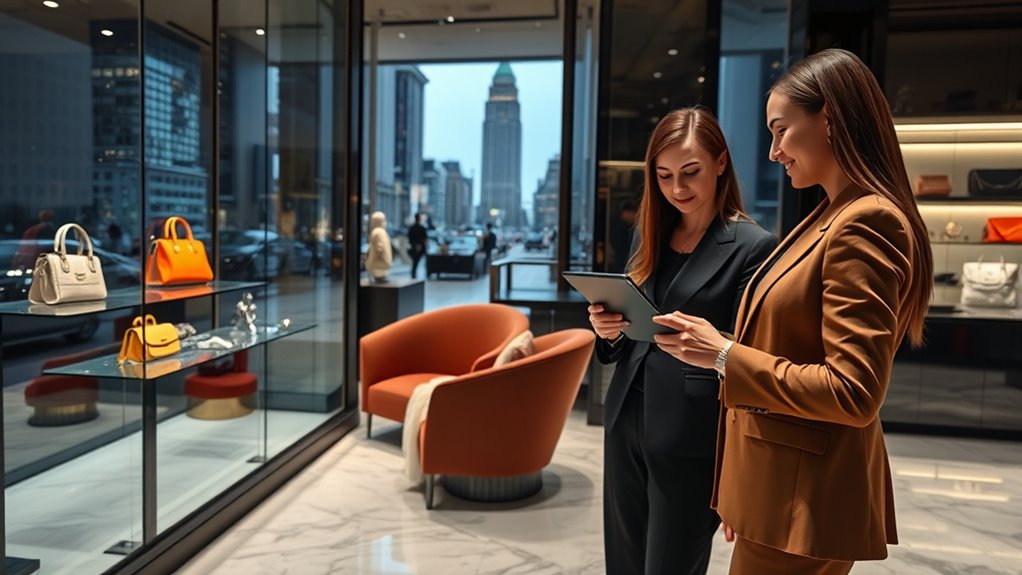
As the luxury market evolves, integrating online and offline experiences has become essential for delivering a seamless customer journey. You want your customers to move effortlessly between channels, whether browsing your website, visiting your store, or engaging on social media. Think of your flagship store as a storytelling hub, enhanced by digital tools like virtual try-ons or personalized apps. This synergy builds trust and loyalty while increasing conversions.
| Offline Experience | Online Integration |
|---|---|
| Personalized service | Digital appointment booking |
| Exclusive in-store events | Virtual product previews |
| In-store pickup & delivery | Seamless omnichannel checkout |
Challenges Faced by Traditional Luxury Retailers in the Digital Era
You’re facing significant digital disruption that challenges your traditional retail model, making it harder to keep pace with online giants. Integrating offline and online channels proves complex, requiring new strategies to create a seamless customer experience. As consumer preferences shift toward digital, adapting quickly is essential to stay relevant and competitive. Leveraging modern kitchen technology concepts such as automation and connectivity can inspire innovative retail solutions that enhance customer engagement.
Digital Disruption Challenges
Traditional luxury retailers face significant challenges in the digital era as they struggle to adapt to rapid technological advancements and shifting consumer behaviors. You must develop seamless online experiences that reflect your brand’s exclusivity while meeting modern expectations. Balancing digital innovation with maintaining brand heritage proves difficult, especially when consumers demand personalized, interactive content like virtual try-ons and shoppable stories. You also face fierce competition from digital-native brands that excel at social commerce and mobile engagement. Additionally, managing cybersecurity risks, logistics, and data privacy complicates your efforts. The need to stay relevant across multiple channels pressures your resources and strategies. If you fail to adapt quickly, you risk losing relevance, customer trust, and market share to more agile, digitally-savvy competitors. Moreover, embracing concepts like Free Floating styles can help brands appear more flexible and innovative in their digital offerings.
Offline-Online Integration Difficulties
Integrating offline and online channels presents a significant challenge for luxury retailers trying to stay relevant in the digital age. You need to create seamless experiences that connect your physical stores with digital platforms, but this isn’t easy. Balancing exclusivity with accessibility can dilute your brand’s prestige if not managed carefully. Synchronizing inventory, pricing, and customer data across channels requires complex systems, which can be costly and time-consuming. Additionally, maintaining consistent brand storytelling and personalized service online and offline demands a nuanced approach. Many brands struggle to deliver a unified experience that satisfies both digital-savvy younger consumers and traditional clients. Without effective integration, you risk alienating customers or losing sales, making it essential to develop strategies that bridge the gap smoothly and authentically. Moreover, implementing innovations like electric bikes or other advanced products into your offerings can further complicate this integration process, requiring careful planning to maintain brand cohesion.
Strategic Opportunities for Top Brands in the Evolving Digital Landscape
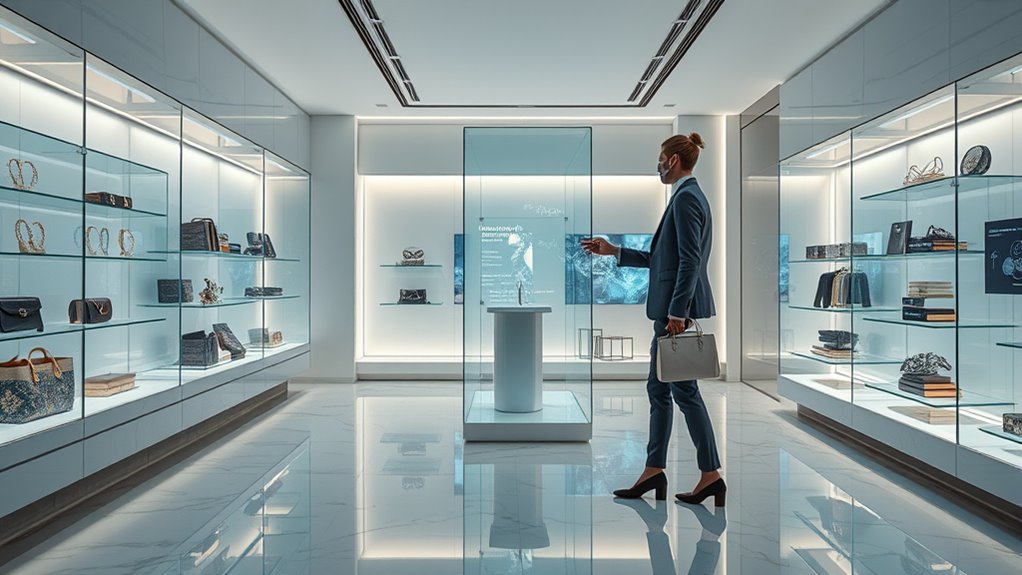
As the digital landscape continues to evolve, top luxury brands must seize emerging opportunities to stay ahead. Focus on mobile-first experiences, since over 70% of luxury eCommerce traffic is mobile-driven, with virtual try-ons and seamless apps enhancing engagement. Leverage social commerce by creating shoppable stories and one-click purchases that resonate with Gen Z and millennial consumers, who prioritize experiences and social media influence. Invest in personalized, omnichannel strategies that blend online and offline touchpoints—like buy online, pick-up in-store options—that foster loyalty and convenience. Collaborate with regional influencers and tailor campaigns to local markets to capture emerging audiences. By adapting these strategies, you can strengthen brand relevance, boost online sales, and maintain exclusivity in a competitive digital environment.
Frequently Asked Questions
How Are Luxury Brands Leveraging AI and Augmented Reality for Online Shopping?
Luxury brands are using AI and augmented reality to enhance your online shopping experience. They offer virtual try-ons, personalized recommendations, and chatbots that help you find products faster. AR lets you see how items look on you or in your space, making decisions easier. These innovations create a seamless, immersive journey, increasing your confidence and engagement, which ultimately drives more online sales and loyalty.
What Role Do Micro-Influencers Play in Luxury Social Commerce Strategies?
Micro-influencers are your secret weapon, turning tiny followings into powerful waves of influence. They create authentic, relatable content that sparks trust and makes luxury feel personal and exclusive. When you partner with micro-influencers, it’s like launching a wildfire of word-of-mouth buzz, reaching niche audiences who crave genuine connections. Their engagement rates skyrocket, turning followers into loyal customers and transforming social commerce into an unstoppable force for your luxury brand’s growth.
How Can Brands Personalize Online Experiences to Attract High-Net-Worth Consumers?
You can personalize online experiences by leveraging data to tailor content, recommendations, and offers to high-net-worth consumers. Use advanced AI to analyze browsing habits, purchase history, and preferences, creating exclusive digital interactions. Incorporate virtual try-ons, personalized videos, and region-specific campaigns. Engage through social media and micro-influencers, offering seamless omnichannel experiences like online research supporting in-store visits. This approach makes your audience feel valued and understood, increasing their loyalty and purchase likelihood.
What Are the Cybersecurity Risks Associated With Luxury Ecommerce Platforms?
Imagine your luxury eCommerce platform as a shimmering vault, but lurking in the shadows are cybercriminals ready to pick the lock. You face risks like data breaches exposing sensitive customer info, phishing attacks that trick your clients, and malware infiltrations that can corrupt your systems. These digital threats threaten your brand’s reputation and trust. Staying vigilant with strong cybersecurity measures is essential to keep your digital treasure safe and your customers confident.
How Will Emerging Markets Shape the Future of Digital Luxury Retail?
Emerging markets will notably shape digital luxury retail by driving rapid growth, especially in Tier 2 and 3 cities, where over 25% annual growth is expected. You’ll see brands tailoring regional campaigns, local languages, and leveraging micro-influencers to engage new audiences. As a consumer, you’ll benefit from more personalized online experiences, shoppable social media, and seamless omnichannel options, making luxury shopping more accessible and tailored to diverse local tastes.
Conclusion
As you watch top brands embrace online luxury, it’s clear that digital and physical worlds are converging in unexpected ways. Just when you think traditional retail has the upper hand, brands find innovative ways to connect with you seamlessly across platforms. The future isn’t just about online or offline—it’s about blending both in ways that surprise and delight you, making luxury shopping more personalized and accessible than ever before.
Fall yard work Picks
leaf blowers
As an affiliate, we earn on qualifying purchases.