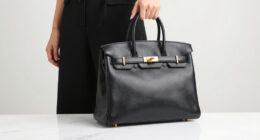
The Birkin bag became a $20,000 icon by blending Hermès’ legendary craftsmanship with intentional scarcity, celebrity endorsements, and its status as a symbol of wealth and exclusivity. Limited production and high-quality materials make each bag rare, while stars like Jane Fonda and Kim Kardashian boost its cultural cachet. Its resale value, combined with the desire for social status, fuels demand and keeps it an enduring luxury legend. If you’re curious about how this icon maintained its allure, there’s more to discover.
Key Takeaways
- The Birkin bag was inspired by Jane Birkin’s spilled contents on a flight, leading Hermès CEO to design a practical, elegant tote.
- Its handcrafted, limited production by skilled artisans ensures exclusivity, driving high demand and resale value.
- Celebrity endorsements and media attention transformed the Birkin into a luxury status symbol of wealth and success.
- Hermès intentionally restricts supply, creating scarcity that elevates the bag’s desirability and premium price point.
- The high resale market and cultural significance reinforce its reputation as a valuable, investment-worthy icon.

Hermès, Pre-Loved Birkin Handbag Purple Epsom with Palladium Hardware 30, Anemone
Pre-Loved Condition: Very Good; Exterior: creases, minor scuffs, minor edge wear, loss of shape, Interior: scuffs, perfume odor,…
As an affiliate, we earn on qualifying purchases.
As an affiliate, we earn on qualifying purchases.
The Serendipitous Birth of an Icon

The Birkin bag’s iconic status began unexpectedly during a flight from Paris to London in 1981. You might imagine Jane Birkin, sitting next to Hermès CEO Jean-Louis Dumas, spilling her wicker basket contents onto the plane floor. Frustrated by the lack of functional handbags for her scripts and diapers, she voiced her concerns. Dumas listened carefully and, inspired during the flight, sketched a larger, more practical bag on a napkin—featuring compartments and a supple shape. By 1984, Hermès presented her with the prototype, and she happily accepted. The bag was named after her, instantly linking her style to Hermès craftsmanship. This chance encounter sparked the creation of a handbag that would become a symbol of luxury and exclusivity worldwide. The customization options offered by Hermès further elevated its appeal, allowing each bag to be uniquely tailored to its owner. These luxury craftsmanship elements are central to its enduring desirability and high value in the fashion world. Additionally, the limited production and high level of artisanal skill involved in making each bag contribute significantly to its status and price. The exclusivity of Hermès and its focus on quality craftsmanship help explain why the Birkin has maintained such a high value over the years, making it a true luxury icon.

Designer Leather Bucket Bags for Women: Trendy Genuine Leather Tote Purses – Best Luxury Satchel Ladies Top-Handle Handbags for Traver & Work(Brown)
Designer-Crafted: Pure Handmade Genuine Leather Bucket Bag. Premium Quality Tote Purse — Begin Your Luxury Life Experience Journey…
As an affiliate, we earn on qualifying purchases.
As an affiliate, we earn on qualifying purchases.
Hermès: A Legacy of Craftsmanship and Elegance

Hermès has built its reputation on centuries of masterful craftsmanship and timeless elegance that define the very essence of luxury. You recognize their dedication in every stitch, using high-grade calfskin and meticulous handwork. Each bag is a work of art, designed for durability and understated beauty. Their minimalistic approach, with logo-less design and signature padlock, emphasizes quality over branding. Hermès’ rich history, starting from saddlery in 1837, influences every product, ensuring authenticity and tradition. This commitment to excellence creates an emotional connection, making their handbags more than accessories—they’re symbols of status and artistry.
| Heritage | Craftsmanship | Legacy |
|---|---|---|
| Founded 1837 | Hand-stitched | Timeless |
| Saddlery | High-quality | Iconic |
| Evolving | Handcrafted | Exclusive |
| Tradition | Artistry | Enduring |
| Legacy | Luxury | Prestige |
designer handbags with customization options
As an affiliate, we earn on qualifying purchases.
As an affiliate, we earn on qualifying purchases.
The Design Philosophy Behind the Birkin

At the heart of the Birkin’s design philosophy lies a commitment to understated elegance and functional luxury. You’ll notice its minimalistic silhouette, crafted from high-grade calfskin, with a softly structured tote shape that’s both timeless and versatile. Hermès intentionally avoids flashy logos, instead relying on refined details like the padlock clasp and interior pockets that prioritize practicality. The bag’s design emphasizes usability, with a roomy interior perfect for travel and secure closure, ensuring your essentials stay safe. Every Birkin is handmade by a single artisan, reflecting exceptional craftsmanship. Its limited sizes and exclusive Hermès distribution create a sense of rarity. This blend of simplicity, quality, and purpose elevates the Birkin beyond fashion, making it a true symbol of discreet elegance and timeless functionality. The emphasis on craftsmanship and limited availability contribute significantly to its status as a coveted luxury item. Additionally, the thermal behavior inherent in the materials used ensures durability and maintains the bag’s pristine appearance over time, highlighting the importance of material durability in luxury accessories. Moreover, the material selection process carefully considers the thermal properties of each material to ensure longevity and resilience.
high-end handcrafted handbags
As an affiliate, we earn on qualifying purchases.
As an affiliate, we earn on qualifying purchases.
From Niche to Necessity: The Bag’s Rise in Popularity

Celebrity endorsements have skyrocketed the Birkin’s desirability, turning it into a must-have status symbol. Its limited availability only fuels the obsession, creating a sense of exclusivity that few can access. As a result, owning a Birkin now signals wealth and social standing worldwide. Additionally, the cultural significance of the bag has grown as it becomes a symbol of luxury and aspiration across diverse communities.
Celebrity Endorsements Amplify Demand
When high-profile figures carry or endorse the Birkin bag, their influence transforms it from a luxury item into a coveted cultural icon. Celebrities like Jane Fonda, Victoria Beckham, and Kim Kardashian regularly showcase their Birkins, sparking instant demand among fans and collectors. Their visibility elevates the bag from an exclusive accessory to a symbol of status and sophistication. Media coverage amplifies this effect, making the Birkin a must-have collectible rather than just a handbag. When stars flaunt their Birkins in public or on social media, it creates a ripple effect—prompting imitators and increasing resale value. This celebrity endorsement fuels desire, turning the bag into a cultural phenomenon that transcends fashion, embedding itself firmly into the lexicon of luxury and prestige. Additionally, the significance of celebrity influence plays a crucial role in maintaining the bag’s status as an aspirational icon.
Limited Availability Fuels Desire
The scarcity of the Birkin bag transforms it from a luxury accessory into a coveted symbol of status. You can’t just walk into any Hermès store and buy one; demand far exceeds supply, creating an aura of exclusivity. This limited availability drives obsession and elevates its desirability. Factors that fuel this include:
- Each bag is handmade by a single artisan, ensuring quality but limiting output
- Distribution occurs only through Hermès boutiques, preventing mass sales
- Production is intentionally capped, making the bags rare and highly sought after
- Resale markets thrive, often doubling or tripling original prices due to scarcity
- The emphasis on the attention to detail during craftsmanship further preserves its exclusivity and prestige
This deliberate scarcity transforms the Birkin from a simple handbag into a symbol of wealth and privilege that’s almost impossible to obtain.
Cultural Status Symbol
How did the Birkin bag evolve from a niche luxury item into an essential status symbol? It all begins with its exclusivity. When Hermès limited sales to select clients and maintained handcrafted production, the bag became a symbol of wealth and sophistication. Owning a Birkin signals more than style; it shows you belong to an elite group. High resale prices, celebrity endorsements, and media coverage transformed it into an icon of status. Unlike mass-market accessories, the Birkin’s scarcity and craftsmanship make it a badge of social distinction. Over time, owning one became a way to showcase success and sophistication. Additionally, the bag’s investment value has contributed to its desirability among collectors and affluent buyers. Its limited availability and high demand create a perception of rarity that fuels its luxury appeal. Today, it’s not just a handbag—it’s a cultural marker, an aspirational symbol that signifies luxury, power, and exclusivity in any social setting.
Crafting Exclusivity: Limited Production and Artisan Skill

You understand that each Birkin bag is handcrafted by a single artisan, ensuring a high level of skill and quality. Hermès limits production runs, making these bags rare and highly sought after. This exclusivity drives demand and elevates the bag to iconic status. Additionally, the meticulous craftsmanship involved adds to the bag’s lasting value and desirability among collectors. To maintain this exclusivity, Hermès carefully controls distribution and avoids mass production, emphasizing file management to keep the brand’s reputation for rarity and excellence. Recognizing the importance of market trends, Hermès adjusts its strategies to sustain the bag’s prestige and desirability. Moreover, production limitations help preserve the craftsmanship and high standards that contribute to the bag’s legendary status. Implementing strict quality checks further ensures each bag meets the brand’s exacting standards, reinforcing its exclusivity and value.
Handcrafted by Artisans
Crafting a Birkin bag requires the skill of a highly trained artisan who meticulously assembles each piece by hand. You’ll notice that every stitch, seam, and finish reflects precision and dedication. These artisans work with high-grade calfskin, ensuring the leather’s natural beauty remains intact. Their craftsmanship involves several detailed steps:
- Hand-selecting premium materials for quality and consistency
- Cutting and shaping leather with expert precision
- Stitching by hand to ensure durability and a seamless appearance
- Attaching hardware and interior pockets with meticulous care
Each bag is a unique work of art, created in limited quantities. This artisanal process guarantees exclusivity, making every Birkin a symbol of craftsmanship and timeless luxury. It’s this attention to detail that elevates the bag beyond mere fashion. Careful craftsmanship is essential to maintaining its value and appeal.
Limited Production Runs
Hermès intentionally limits the number of Birkin bags produced each year, ensuring they remain rare and highly sought after. This deliberate scarcity fuels demand, making owning a Birkin feel exclusive and extraordinary. Only a select few artisans, trained extensively, craft each bag by hand, further controlling supply. Hermès stores stock a limited number of Birkins, and purchasing one often involves lengthy waitlists and personalized service. This scarcity elevates the bag’s status from luxury accessory to coveted symbol of wealth and taste. By restricting production, Hermès preserves the bag’s exclusivity and desirability, reinforcing its reputation as a timeless icon. Implementing manufacturing controls guarantees that each bag maintains its unique value and appeal. This strategy is a prime example of scarcity marketing, which leverages limited availability to boost desirability. Additionally, the meticulous artisan craftsmanship involved ensures that each piece is a work of art, further enhancing its allure. The combination of these factors creates a sense of luxury exclusivity that appeals to collectors and fashion enthusiasts worldwide. Your desire for a Birkin isn’t just about owning a handbag; it’s about being part of a rarefied world where scarcity equals prestige.
The Symbol of Status and Wealth

Why does owning a Birkin bag instantly signal wealth and status? Because it’s more than just a handbag—it’s a symbol of exclusivity, craftsmanship, and social standing. When you carry a Birkin, you showcase access to limited production, high-profile branding, and a history rooted in luxury. This bag’s rarity amplifies its status, making it a visible marker of success. Its high price tag and meticulous handcrafting reinforce this perception.
- Limited availability heightens desire and desirability
- Handcrafted by a single artisan, ensuring exclusivity
- Minimalist design signals refined taste
- Resale value often exceeds retail price, emphasizing investment potential
Owning a Birkin is a deliberate statement—an emblem of your place at the top of the social hierarchy.
The Role of the Resale Market and Cultural Impact

The resale market has transformed the Birkin bag from an exclusive luxury item into a powerful symbol of investment and cultural influence. You now see these bags reselling for many times their original price, fueling demand and reinforcing their status as must-have collectibles. This secondary market creates a sense of scarcity, making owning a Birkin feel even more like a privilege. It also elevates the bag’s cultural significance, with celebrities, influencers, and collectors fueling its iconic status worldwide. When you spot a resale Birkin, it’s more than a handbag; it’s a symbol of wealth, exclusivity, and social achievement. The high resale value keeps the bag relevant, inspiring both admiration and obsession, and firmly embedding it into contemporary luxury culture.
Ethical Considerations and the Bag’s Controversies

Despite its status as a symbol of luxury, the Birkin bag has sparked significant ethical debates, particularly regarding the use of exotic animal skins. Critics question the morality of sourcing crocodile, alligator, and other exotic leathers, citing concerns over animal cruelty and conservation. Some argue that demand drives illegal poaching and habitat destruction, threatening species survival. Others highlight the environmental impact of raising exotic animals for fashion. Additionally, Jane Birkin herself requested in 2015 that Hermès stop using crocodile skins due to cruelty concerns. These issues fuel ongoing controversy about whether luxury fashion should prioritize ethics over tradition.
- Use of exotic skins raises animal cruelty and conservation concerns
- Illegal poaching linked to high demand for exotic leathers
- Environmental impact of raising exotic animals for fashion
- Birkin’s own request to halt crocodile skins emphasizes ethical dilemmas
The Enduring Allure of the Birkin in Modern Luxury

The Birkin bag’s fame persists largely because of its relentless pursuit of exclusivity and unparalleled craftsmanship, keeping it at the forefront of modern luxury. You’re drawn to its minimalist yet sophisticated design, which subtly signals status without flashy branding. Each bag is handmade by a single artisan, ensuring uniqueness and quality that can’t be replicated. Its limited distribution in Hermès stores fuels obsession, making ownership feel like an achievement. You recognize that owning a Birkin isn’t just about style; it’s about belonging to an elite club. The bag’s ability to appreciate in value over time—sometimes surpassing traditional investments—cements its status as a symbol of wealth and taste. In a world flooded with logos, the Birkin’s understated allure remains irresistibly compelling.
Frequently Asked Questions
How Does Hermès Ensure the Exclusivity of Each Birkin Bag?
Hermès guarantees the exclusivity of each Birkin bag by crafting every piece entirely by a single artisan, which limits production and enhances demand. You can only buy them in Hermès stores, preventing mass sales. The limited supply, high craftsmanship, and waiting lists make owning a Birkin a status symbol. This scarcity fuels obsession and resale value, keeping the bag as a coveted icon among luxury collectors.
What Is the Typical Wait Time for Purchasing a New Birkin?
You typically wait anywhere from several months to over a year to get a new Birkin. Hermès limits production, making each bag hand-crafted by a single artisan, which slows down availability. When you visit a store, you might need to build a relationship with a sales associate and express your desire to purchase. Patience and exclusivity are part of the Birkin’s allure, so be prepared for a lengthy wait.
How Do Artisan Techniques Contribute to the Bag’s High Value?
Imagine each stitch as a heartbeat, each cut a carefully choreographed dance—artisan techniques turn raw leather into a masterpiece. You see, when skilled hands craft every detail, from hand-sewn seams to precise edging, they create a unique symphony of quality and exclusivity. This meticulous craftsmanship elevates the bag’s worth, making it more than just a possession; it’s a wearable work of art that embodies tradition, skill, and luxury.
Why Are Some Birkin Bags Made With Crocodile or Exotic Skins?
Some Birkin bags are made with crocodile or exotic skins because they enhance exclusivity and luxury. You get a unique, highly durable material that’s rare and difficult to source, making the bag even more desirable. Hermès uses these skins to elevate the bag’s status, appeal to collectors, and justify the high price tag. The exotic textures also add a distinctive, opulent look that signals wealth and refined taste.
How Has the Resale Market Affected Birkin’s Status and Pricing?
You’ve likely noticed how the resale market has elevated Birkin’s allure, making it even more coveted. When bags resell at sky-high prices, it fuels the perception of rarity and prestige, pushing demand through the roof. This scarcity, combined with limited production, keeps prices soaring and reinforces Birkin’s status as an exclusive treasure. Essentially, the resale market transforms these handbags into symbols of ultimate luxury and desirability, magnifying their legendary appeal.
Conclusion
You now see why the Birkin bag’s reputation is well-earned. Its blend of craftsmanship, exclusivity, and cultural cachet keeps it at the top of luxury’s ladder. The bag’s status as a symbol of wealth isn’t just luck — it’s built on a foundation of timeless appeal and deliberate scarcity. In the end, it’s clear that trying to get your hands on one is truly a tall order, but that’s what keeps the legend alive.