A suit is versatile and perfect for business, casual, or semi-formal events, while a tuxedo is reserved for formal evening occasions like black-tie events. Tuxedos feature satin lapels and details, making them more elegant, whereas suits are simpler and more adaptable. Knowing when to wear each depends on the event’s dress code and level of formality. To master the differences and appropriate situations, continue exploring the key distinctions and styling tips.

Get your wardrobe favorites delivered free — and shop member deals
- Fast, free delivery on millions of items
- Access to Prime Big Deal Days deals on October 6–7
- Prime Video, Amazon Music and more included
Key Takeaways
- Tuxedos are formal eveningwear for black-tie events, while suits are versatile for business, casual, and semi-formal occasions.
- Wear a tuxedo with a bow tie and dress shirt for formal evening events; opt for a suit with a long tie for business or daytime settings.
- Tuxedos feature satin or grosgrain accents on lapels and buttons, whereas suits are made from matching fabric without satin details.
- Tuxedos are typically in black or midnight blue, suitable for upscale events; suits come in various colors and patterns for broader use.
- Choose a tuxedo for galas or black-tie dinners; wear a suit for professional meetings, daytime weddings, or casual gatherings.
Defining the Core Distinction Between Suits and Tuxedos

The core distinction between suits and tuxedos primarily lies in their design details and intended formality. A tuxedo is formal eveningwear, easily identified by satin or grosgrain trim on lapels, buttons, and trouser stripes. It’s designed for black-tie events and exudes elegance. In contrast, a suit is a versatile, coordinated outfit made from matching fabric, without satin accents. It’s suitable for a wide range of occasions, from business meetings to semi-formal gatherings. The primary physical difference is the presence of satin on tuxedos, which adds a polished, glossy look. Tuxedo buttons are often covered in cloth or satin, while suit buttons match the fabric. These design elements signal the tuxedo’s higher level of formality compared to the more adaptable suit.
Recognizing Formality Levels and Dress Codes

Understanding the appropriate level of formality for different events helps you choose between a suit and a tuxedo. Recognizing dress codes guarantees you dress correctly and avoid under- or overdressing. Here’s how to interpret common dress codes:
Knowing dress codes helps you dress perfectly for any event.
- Black Tie: Requires a tuxedo, often with a bow tie, formal shirt, and optional cummerbund or waistcoat. It’s reserved for evening events like galas or award ceremonies.
- Business Formal: Calls for a suit, suitable for interviews, daytime weddings, or professional settings. It’s less strict but still polished.
- Casual or Semi-Formal: Allows for dressier but relaxed options, such as blazers or smart trousers, often for receptions or parties.
Always consider the event’s wording and host’s expectations to choose appropriately. Understanding dress codes can help you confidently select the right attire for any occasion.
Styling Variations and Accessory Choices

Styling variations and accessory choices play a key role in defining the overall look of both tuxedos and suits, allowing you to adapt your outfit to different events and personal tastes. Tuxedo accessories typically include a bow tie, formal dress shirt, and patent leather shoes, emphasizing elegance. Suits offer more flexibility: long or patterned ties, pocket squares, and various shoe styles like oxfords or loafers. Lapel styles differ too, with tuxedos favoring peak or shawl lapels with satin, while suits often feature notch or peak lapels in matching fabric. Color choices also vary, with tuxedos mainly in black or midnight blue, and suits in a broader spectrum. Here’s a quick overview:
| Feature | Tuxedo | Suit |
|---|---|---|
| Accessories | Bow tie, cummerbund | Long or patterned ties |
| Lapel Style | Peak or shawl with satin | Notch or peak in fabric |
| Shoes | Patent leather | Oxfords, loafers |
Fabric, Fit, and Maintenance Considerations

Fabric choices profoundly impact both the appearance and practicality of tuxedos and suits. For tuxedos, you’ll find silk, satin, or blended fabrics that add sheen and formality. Suits typically use wool, cotton, or blends for durability and breathability. When selecting, consider these factors:
Fabric choices greatly influence the style and practicality of tuxedos and suits.
- Fabric Type – Choose silk or satin for elegance in tuxedos; wool or cotton for versatility in suits.
- Fit – Both should be tailored closely to your body, but tuxedos emphasize a cleaner, sharper silhouette for formal settings.
- Maintenance – Satin trims on tuxedos often need specialized cleaning, while suits tolerate standard dry cleaning and more frequent wear.
Understanding these aspects helps ensure your outfit looks sharp and stays in good condition for the occasion.
Appropriate Occasions for Wearing a Suit

You’ll find suits are ideal for most business and professional settings, where a polished, versatile look is essential. They also work well for casual and semi-formal events, offering a balance of style and comfort. Understanding when to wear a suit helps you make appropriate, confident clothing choices for different occasions. Additionally, choosing the right appropriate attire can significantly impact first impressions and overall presentation.
Business and Professional Settings
When is wearing a suit most appropriate in business and professional settings? It’s ideal for occasions that demand a polished, versatile look. You should consider a suit for:
- Interviews and job meetings – a tailored suit conveys professionalism and confidence.
- Corporate events and conferences – it creates a strong, respectable presence.
- Client presentations and negotiations – a suit projects authority and preparedness.
In these settings, suits signal seriousness and respect for the occasion. They’re suitable during daytime business hours and formal office environments. Avoid pairing a suit with casual accessories or fabrics that appear overly relaxed. Opt for classic colors like navy, charcoal, or gray to ensure your look remains professional. Remember, a well-fitted suit always makes a positive impression in professional contexts.
Casual and Semi-Formal Events
Casual and semi-formal events offer versatile opportunities to wear a suit, allowing you to showcase style without the formality of black-tie attire. You’ll find suits appropriate for daytime weddings, business dinners, networking events, or a nice dinner out. These occasions typically call for a well-fitted, matching jacket and trousers in fabrics like wool or cotton, with flexible accessory options. You can opt for a variety of colors and patterns, adding personality with ties, pocket squares, or different shirt styles. Unlike tuxedos, suits don’t feature satin lapels or trim, making them more adaptable for less formal settings. When in doubt, a tailored suit strikes the right balance between polished and approachable, ensuring you look sharp without overdoing it.
When a Tuxedo Is the Right Choice

A tuxedo is the right choice whenever the event calls for formal eveningwear that exudes sophistication and elegance. You should opt for a tuxedo in these situations:
- Black‑tie or formal evening events: like galas, award ceremonies, or opera nights, where the dress code explicitly asks for a tuxedo.
- Weddings with a formal or black‑tie dress code: especially for grooms, groomsmen, or guests attending an evening ceremony.
- Special celebrations or upscale parties: where a polished, refined look is expected, such as milestone anniversaries or charity events.
Wearing a tuxedo signals respect for the occasion and adherence to tradition. It’s your best choice when you want to look sharp, elegant, and appropriately dressed for high‑level formalities. Understanding dress codes can help you choose the most appropriate attire for any formal event.
The Role of Color and Lapel Styles

Color and lapel styles play a key role in distinguishing tuxedos from suits and setting the tone for an event. You’ll notice tuxedos often come in classic black or midnight blue with peak or shawl lapels, while suits offer more color options and notch lapels. Understanding these choices helps you select the right look for any formal occasion.
Common Color Choices
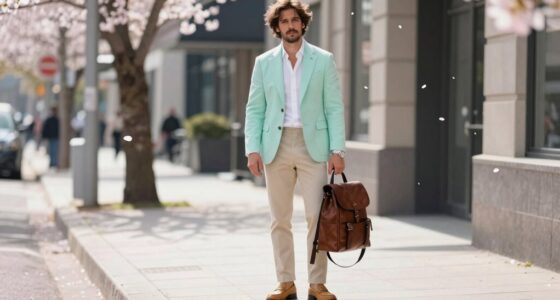
When choosing between a tuxedo and a suit, color plays a crucial role in signaling formality and appropriateness. For tuxedos, black or midnight blue are classic choices, emphasizing elegance and evening formality. Suits, however, offer a broader palette, including navy, charcoal, grey, and seasonal shades like beige or tan for daytime or casual events. Here’s what to contemplate:
- Tuxedo Colors: Stick to black or midnight blue for formal evening occasions, ensuring a timeless, sophisticated look.
- Suit Colors: Opt for versatile shades like navy or grey, suitable for business, daytime events, or less formal settings.
- Accent Colors: Use subtle variations or accessories—like a burgundy pocket square—to add personality without compromising formality.
Lapel Style Variations
Lapel styles are key visual cues that distinguish tuxedos from suits and influence the overall formal impression you convey. Tuxedos typically feature peak or shawl lapels, both often crafted from satin or grosgrain for a sleek, glossy contrast. The shawl lapel is smooth and rounded, offering a refined, minimalist look ideal for formal evening events. Peak lapels have pointed edges that add a sharp, commanding presence, making them popular for black-tie occasions. In contrast, suits usually have notch lapels, which are more versatile and less formal, suitable for business and casual settings. Some suits incorporate peak or shawl lapels for a dressier appearance, but satin or contrasting fabric is generally absent. Your choice of lapel style plays a pivotal role in matching the event’s formality and your personal style.
Modern Trends and Evolving Dress Norms

Modern trends in formalwear reflect a growing flexibility that blurs traditional boundaries between suits and tuxedos. You now see more variation in how these garments are styled and worn, driven by personal expression and changing norms.
Here are key ways this shift manifests:
- Minimalist tuxedos: Designers reduce satin trims, creating cleaner, more versatile looks that resemble suits but retain formal details.
- Color and pattern experimentation: Dark suits are sometimes used as tuxedo alternatives, and colored or patterned options are gaining popularity for less strict events.
- Cultural and gender adaptations: Formalwear now includes gender-neutral designs and elements inspired by different cultures, expanding traditional definitions and giving you more choices to express your style.
These trends reflect a move towards individualization, comfort, and breaking away from rigid dress codes.
Rental Versus Ownership: Practical Purchasing Tips

Deciding between renting or owning a tuxedo hinges on your event frequency, budget, and style preferences. If you attend black-tie events only a few times a year, renting makes sense—you avoid storage, cleaning, and upfront costs. Renting also offers access to the latest styles and high-quality options without commitment. On the other hand, if you frequently attend formal events or want a tailored fit, investing in a tuxedo can be more cost-effective over time. Owning allows you to select a style, color, and fit that suits you perfectly, and it’s ready whenever you need it. Consider your lifestyle, storage space, and how often you’ll wear it before deciding. Both options have their merits—choose what aligns best with your needs and budget. Additionally, understanding affiliate relationships and how they influence content can help you make more informed purchasing decisions.
Navigating Cultural and Regional Dress Expectations

Cultural and regional norms heavily influence how suits and tuxedos are worn and interpreted around the world. You need to comprehend local expectations to dress appropriately. Here are key considerations:
- Traditional Attire: In some countries, formal events call for specific garments like kimono, sari, or national dress, making suits or tuxedos secondary.
- Dress Codes: Western standards like black tie and business formal differ globally; in some regions, a suit might be more casual or formal depending on local customs.
- Event Context: In certain cultures, wearing a tuxedo might be reserved for specific ceremonies, while in others, a suit suffices even for evening events. Always research local practices to ensure respectful dressing.
- Ventilation considerations: Local climate and indoor ventilation can influence the appropriateness of heavier formal wear like tuxedos versus suits.
Frequently Asked Questions
Can a Tuxedo Be Worn as a Suit for Less Formal Events?
Yes, you can wear a tuxedo as a suit for less formal events, but it’s generally not recommended. Tuxedos are designed for formal evening occasions with satin details and specific accessories, making them look overly dressy for casual or semi-formal settings. If you choose to wear one, keep accessories minimal, skip the satin trims, and make sure the event’s dress code allows for a more relaxed, less traditional look.
Is It Acceptable to Wear a Dark Suit Instead of a Tuxedo?
Yes, you can wear a dark suit instead of a tuxedo, especially for less formal evening events or when the dress code is “black-tie optional.” A well-fitted dark suit in navy or charcoal provides a polished look suitable for many occasions. Just avoid pairing it with a bow tie or satin accessories unless explicitly specified, as these are traditional tuxedo elements. Always consider the event’s formality and expectations.
Do Tuxedos Have to Be Black or Navy?
Think of tuxedos as the chameleon of formalwear—while black and navy are the classics, they don’t have to be limited to those shades. You can opt for deep burgundy, midnight blue, or even subtle patterns, as long as the fabric and style stay formal. Just remember, these choices depend on the event’s tone and your personal style, making your look both elegant and uniquely yours.
Are There Gender-Neutral or Alternative Tuxedo Styles Available?
Yes, gender-neutral and alternative tuxedo styles are available. You can find tuxedos designed with inclusive cuts, unisex fabrics, and adjustable features that suit all genders. Modern designers often incorporate subtle variations, like different lapel shapes or colors, to create a more versatile look. These styles allow you to express your personal style while maintaining the formal elegance of a tuxedo, making them perfect for inclusive formalwear options.
How Do Regional Dress Norms Influence Tuxedo and Suit Choices?
Regional dress norms notably influence your tuxedo and suit choices. In some cultures, traditional attire or conservative standards favor classic, dark-colored tuxedos for formal events, while others embrace colorful or less formal suits. In certain countries, regional fabrics and styles impact your look, making lighter linens or regional patterns more appropriate. Always consider local customs and expectations, as dressing in line with regional norms shows respect and ensures you’re appropriately dressed for the occasion.
Conclusion
Now that you know the subtle differences and perfect occasions for each, you’re ready to step into any event with confidence. Imagine the crisp fabric against your skin, the subtle shine of a tuxedo’s satin lapels, or the sharp lines of a well-fitted suit. Whether it’s a wedding, a business meeting, or a night out, you hold the power to make every moment memorable—dressed just right for the story you want to tell.
Fall Picks
fall essentials
As an affiliate, we earn on qualifying purchases.