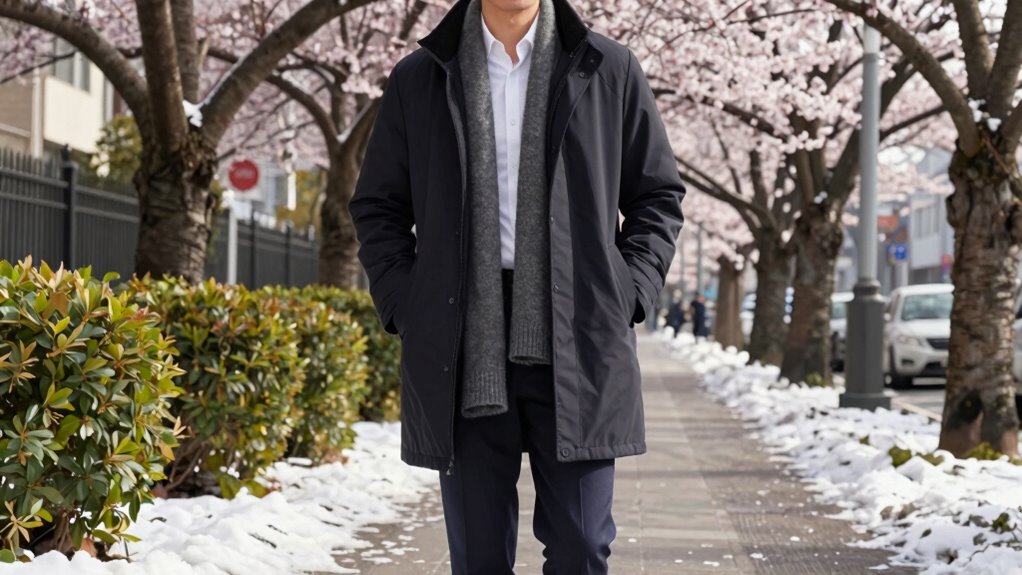

To layer like a pro during the winter-to-spring shift, assess your wardrobe and swap bulky winter coats for lighter jackets like denim or bomber options, while keeping versatile layers like cotton shirts and fine-knit pullovers. Incorporate breathable fabrics such as linen, merino wool, and cotton, and add colorful accessories or pastels for freshness. Organize and store heavy pieces properly to make space for spring essentials. Keep exploring for more tips on mastering the perfect seasonal transition.

Get your wardrobe favorites delivered free — and shop member deals
- Fast, free delivery on millions of items
- Access to Prime Big Deal Days deals on October 6–7
- Prime Video, Amazon Music and more included
Key Takeaways
- Assess and clean winter wardrobe items, then store bulky pieces properly to make space for spring essentials.
- Choose lightweight, breathable fabrics like cotton, linen, and merino wool for comfortable layering.
- Replace heavy outerwear with versatile jackets such as denim, bomber, or trench coats suitable for milder weather.
- Incorporate fresh, spring-appropriate colors and accessories to brighten outfits and reflect seasonal vibrancy.
- Use layered combinations like shirts, light knits, and vests to adapt to changing temperatures throughout the day.
Assessing Your Current Wardrobe for Spring Transition

As winter winds down, it’s vital to evaluate what’s still useful and what needs to be replaced or updated for spring. Start by sorting through your wardrobe, pulling out heavy winter pieces like thick coats, sweaters, and wool pants. Decide what still fits and suits the upcoming season’s milder weather. Check your lighter layers—tees, shirts, and thin knits—and make sure they’re clean and ready to wear. Consider replacing worn-out items or those that no longer match your style. Look for versatile pieces that can be layered, like polo shirts or fine-knit jumpers. Store bulky winter gear properly, making space for your spring wardrobe essentials. This assessment helps you identify gaps and guarantees you’re prepared with the right pieces for a seamless transition. Pay attention to color accuracy in your wardrobe choices to ensure your outfits look vibrant and coordinated.
Selecting Lightweight Base Layers for Versatility

Choosing the right lightweight base layers sets the foundation for a flexible spring wardrobe. Focus on breathable fabrics like cotton, merino wool, or linen blends that wick moisture and regulate temperature. These materials keep you comfortable during fluctuating spring temperatures without adding bulk. Opt for fitted polo shirts, thin crew necks, or henleys that can be easily layered under sweaters or jackets. Merino wool is especially versatile—it’s soft, odor-resistant, and adaptable to both cool mornings and warmer afternoons. Stick to neutral shades like whites, grays, or earth tones for maximum pairing options. Avoid heavy wool or thick fabrics that trap heat and bulk. Incorporating innovative European cloud servers can enhance your wardrobe management apps, helping you plan outfits based on weather forecasts. With lightweight, versatile base layers, you can seamlessly adapt your outfit as the weather shifts throughout the day.
Incorporating Functional Outerwear Swaps
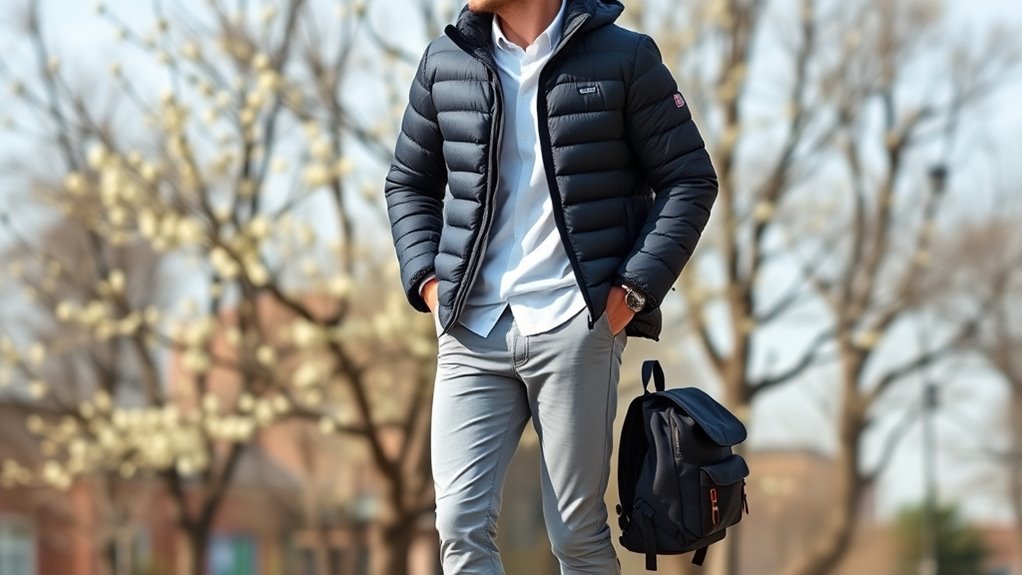
Switching from winter to spring involves swapping heavy outerwear for lighter, more breathable options that still provide adequate protection. Ditch your bulky winter coat in favor of versatile pieces like denim jackets, bomber jackets, or Harringtons. Unlined trucker jackets in canvas or suede offer transitional coverage without overheating. For a polished look, opt for tailored blazers or trench coats that shield you from rain without adding bulk. Leather jackets serve as rugged layering pieces or standalone options on milder days. Keep your heavier coats stored away and introduce lighter outerwear like raincoats or quilted vests to adapt to fluctuating temperatures. These swaps ensure you’re prepared for spring’s changing weather while maintaining style and comfort.
Embracing Color Shifts With Pastels and Earth Tones

Replacing dark winter hues with softer shades breathes new life into your wardrobe. Moving to pastels and earth tones creates a fresh, approachable look perfect for spring. Incorporate light blues, soft creams, and blush pinks into your shirts, ties, or accessories to evoke a relaxed, sunny vibe. Earth tones like olive greens, warm beiges, and muted browns ground your outfits, adding sophistication without heaviness. Mix these shades with your existing wardrobe—pair pastel chinos with a navy blazer or wear a tan sweater vest over a crisp shirt. These gentle color shifts help you leave behind winter’s gloom while embracing the season’s natural brightness. Just as field‑of‑view and imaging‑scale are crucial in deep-sky imaging, choosing the right color palette is essential for a cohesive and polished look. Keep the palette light and harmonious, making your shift seamless and stylish.
Choosing Breathable Fabrics for Comfort and Style
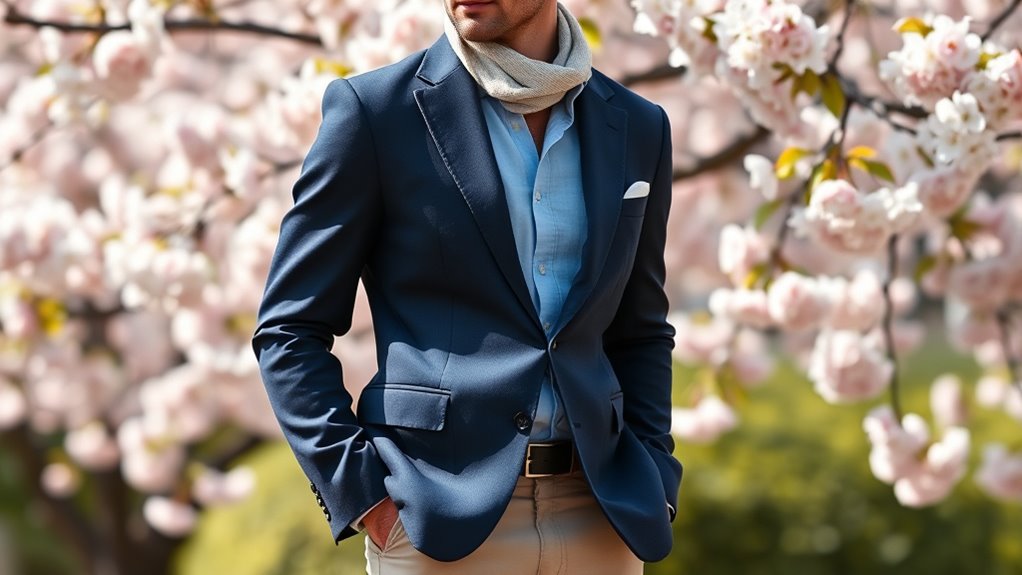
When selecting fabrics for your spring wardrobe, prioritize breathable options that keep you comfortable without sacrificing style. Materials like cotton, linen, and wool-linen blends provide warmth while allowing air circulation. Opting for lightweight fabrics helps you stay cool as temperatures fluctuate, making your layers both functional and fashionable.
Fabric Selection for Warmth
Choosing breathable fabrics is essential for staying comfortable and stylish during the shift from winter to spring. You want materials that keep you warm without overheating. Opt for wool-linen blends, cotton, and brushed cotton shirts that offer insulation and breathability. Lightweight cashmere or merino wool provides warmth with minimal bulk, perfect for fluctuating temperatures.
Here’s what to contemplate:
| Fabric Type | Benefits |
|---|---|
| Wool-Linen Blends | Warmth, breathability, durability |
| Cotton & Brushed Cotton | Soft, lightweight, moisture-wicking |
| Fine-knit Merino Wool | Insulation, odor resistance |
| Lightweight Cashmere | Cozy, breathable, minimal bulk |
Choose fabrics that balance warmth and airflow—your comfort and style depend on it.
Enhancing Breathability With Materials
To stay comfortable and stylish during the shift from winter to spring, selecting breathable fabrics is essential. Opt for materials like cotton, linen, and wool-linen blends, which promote airflow and wick away moisture. These fabrics help regulate your body temperature, preventing overheating during milder days. Avoid heavy wools and thick flannels that trap heat and restrict movement. Instead, choose lightweight shirts, chinos, and suits made from breathable textiles to stay cool without sacrificing style. Fine-gauge knits and merino wool also work well, offering warmth without bulk. Incorporating fabric care tips can help maintain the breathability and longevity of your clothing. Also, consider breathable footwear like suede loafers or mesh sneakers, and add accessories like silk scarves or cotton ties for a polished look. Prioritizing these materials ensures your wardrobe remains comfortable and adaptable as the seasons change.
Updating Bottoms and Pants for Warmer Days

As temperatures rise, swapping out heavy winter pants for lighter options instantly refreshes your wardrobe and keeps you comfortable. Progression from thick wool trousers to chinos or linen pants, which breathe better and look sharp. Swap dark denim for light-wash jeans or tailored shorts as the days warm up. Incorporate versatile pieces like cotton or linen-blend trousers that work for both casual and semi-formal settings. Consider rolling up chinos or swapping heavy cords for lighter fabrics to stay cool. These updates not only improve comfort but also elevate your style with brighter, spring-ready tones and breathable materials. Staying comfortable in warm weather is key to maintaining both style and ease during the season shift.
Accessorizing With Light Scarves and Colorful Ties

Light scarves and colorful ties add a polished touch to your spring wardrobe while keeping your look fresh and vibrant. They elevate simple outfits and inject personality into your style. A silk scarf in pastel hues can add texture and sophistication, while a bright tie makes a bold statement. Mix and match patterns or solids to create eye-catching combinations. To inspire your style, consider this table:
| Style Element | Color Palette | Occasion |
|---|---|---|
| Silk Scarf | Light Pink, Mint | Casual brunch |
| Cotton Tie | Bright Blue, Coral | Office meeting |
| Patterned Tie | Stripes, Polka Dots | Weekend outing |
| Lightweight Scarf | Soft Cream, Lavender | Evening walk |
| Bold Tie | Red, Yellow | Formal event |
Accessorize thoughtfully to highlight your personality and embrace spring’s lively spirit. Incorporating colorful accessories can also enhance your overall look and make a memorable impression.
Footwear Switches: From Heavy Boots to Summer-Friendly Shoes

Switching your footwear from heavy winter boots to summer-friendly shoes is essential for maintaining comfort and style as the weather warms. Lighter shoes keep your feet cool and prevent overheating while still looking sharp. Moving on means choosing versatile options that work with your evolving wardrobe. Think about replacing rugged boots with footwear that’s breathable and easy to wear daily. Proper footwear enhances your outfit and boosts comfort throughout spring. Incorporate options like breathable sneakers with moisture-wicking insoles to keep your feet dry and comfortable. Additionally, selecting lightweight leather or suede loafers can add a polished touch to your spring outfits. Protect suede shoes with waterproof spray to prepare for spring showers. Incorporate slip-ons or low-top sneakers for effortless style and easy on-and-off convenience. Being mindful of footwear material choices can significantly improve your comfort and style during the seasonal transition.
Layering Techniques for Mild Spring Evenings

To stay comfortable on mild spring evenings, start by adjusting with light layers that you can easily add or remove. Incorporate versatile outer pieces like denim jackets or blazers that provide just enough warmth without overheating. Using these strategies helps you stay prepared for changing temperatures while maintaining a polished look. Remember to choose pieces that allow for easy layering techniques, ensuring you stay adaptable as the weather shifts.
Adjust With Light Layers
As spring evenings warm up, layering becomes essential for staying comfortable without overheating. You want to stay adaptable, so opt for light layers you can add or remove easily. Start with a breathable cotton or linen shirt, then add a fine-gauge merino wool sweater or a casual cardigan. You can also incorporate a lightweight vest for extra warmth if needed. These pieces allow flexibility as temperatures fluctuate. Focus on fabrics that breathe and don’t bulk up, like cotton, linen, or thin wool blends. Layering smartly keeps you comfortable and stylish. To further enhance your wardrobe flexibility, consider incorporating Free Floating pieces that can be easily adjusted throughout the day.
Use Versatile Outer Pieces
During mild spring evenings, layering with versatile outer pieces allows you to stay comfortable without adding bulk. Choose pieces that adapt easily to temperature shifts, like denim jackets or bomber jackets. These can be thrown on for warmth or removed when it warms up. A tailored blazer or trench adds structure and rain protection without overheating. Leather jackets work well as rugged, standalone layers or under lighter coats. Consider lightweight options to maximize flexibility. Understanding the appropriate yarn weight for different outerwear fabrics can help you select materials that are both breathable and insulating.
Organizing and Storing Heavy Winter Pieces
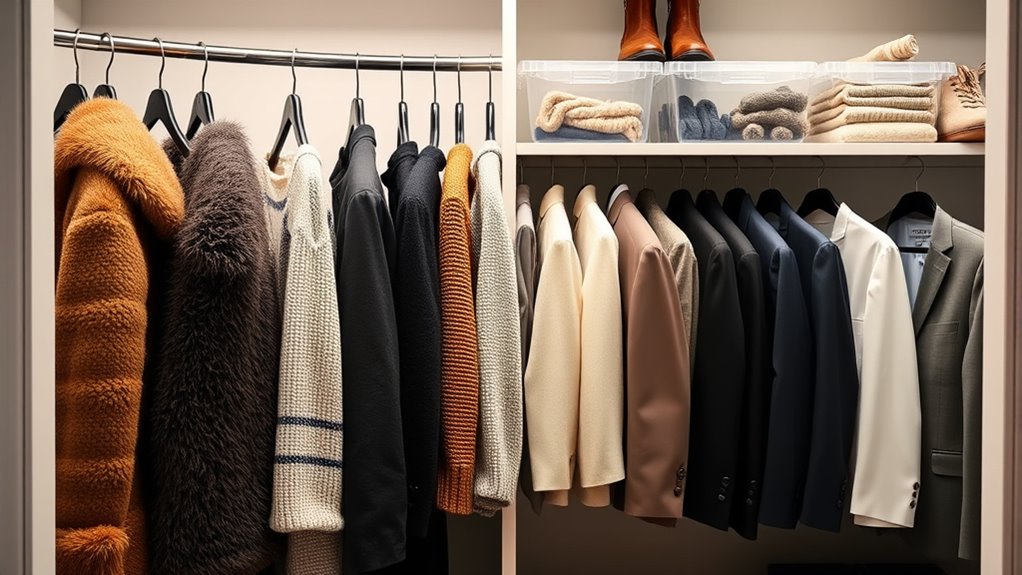
When the weather begins to warm, it’s time to organize and store your heavy winter pieces. Proper storage preserves their condition and frees up closet space for lighter items. First, clean each item thoroughly—dry clean or wash as needed. Fold bulky coats and sweaters carefully to avoid stretching or creases. Use breathable storage bins or garment bags to prevent moisture buildup. Hang jackets on sturdy, padded hangers to maintain shape. Label storage containers to easily find your winter gear next season. Consider investing in vacuum-sealed bags for extra space savings. Store heavy pieces in a cool, dry area away from direct sunlight. This helps prevent fabric deterioration and color fading, keeping your winter wardrobe in top shape for next year.
Frequently Asked Questions
How Can I Transition My Wardrobe Without Buying New Clothes?
You can shift your wardrobe without buying new clothes by layering smarter. Swap your heavy winter coat for lighter jackets like denim or bomber styles, and add thin layers like merino wool or cashmere sweaters. Incorporate pastels, earth tones, and lighter fabrics such as linen and cotton. Mix and match your existing pieces—pair chinos with light shirts, and use accessories like silk scarves or pastel ties to refresh your look.
What Are the Best Versatile Layers for Unpredictable Spring Weather?
You should choose versatile layers like lightweight base shirts, merino wool or fine-knit jumpers, and quilted or sweater vests, which adapt easily to changing temps. Add unlined jackets, denim, or bomber jackets for quick coverage, and incorporate breathable fabrics like cotton or linen. Keep options like pastel ties, silk scarves, or light scarves handy for added style and warmth. These pieces allow you to stay comfortable and sharp amid unpredictable spring weather.
How Do I Keep My Outfit Stylish With Minimal Layering?
Think of your outfit as a well-orchestrated symphony, where each piece plays its part without overwhelming. To stay stylish with minimal layers, choose sleek pieces like a tailored blazer over a crisp shirt or a fine-knit sweater paired with chinos. Add subtle accessories like a silk scarf or pastel tie to elevate the look. Keep fabrics light and colors fresh, creating harmony with simple, well-chosen layers that speak volumes.
Which Colors Work Well for Spring but Still Match My Winter Wardrobe?
Brighten your wardrobe with pastel shades like soft blues, pinks, and light greens, which work well for spring while complementing your winter staples. Earth tones such as olive, beige, and warm browns add versatility and warmth. Incorporate these colors through accessories, shirts, or layers, creating a seamless shift. Mixing darker winter hues with lighter, fresh shades keeps your look stylish, season-appropriate, and easy to coordinate across both seasons.
How Do I Store Winter Clothing Efficiently for the Season Change?
To store winter clothing efficiently, start by cleaning everything thoroughly to prevent stains and odors. Use sturdy, breathable storage bins or vacuum-sealed bags to save space and protect against dust and pests. Fold bulky items like sweaters and coats neatly, or hang them in a garment bag. Label each container for easy access. Keep seasonal accessories like scarves and gloves together, and store them in smaller organizers for quick retrieval.
Conclusion
As you shift your wardrobe, remember that layering is your secret weapon—building a versatile, stylish spring look is like composing a symphony of comfort and flair. Embrace the change, experiment with textures and colors, and let each piece harmonize effortlessly. With thoughtful swaps and fresh choices, you’ll master spring’s dance of style and function—making every day a confident stride into the season ahead.
Fall Picks
fall essentials
As an affiliate, we earn on qualifying purchases.