For most skiers, I’d start with the Helly Hansen Men’s Alpha LIFALOFT Insulated Ski Jacket, which balances on-mountain warmth and protection without the all-in-one bulk of a very heavily insulated coat. The North Face Clement Triclimate stands out for adaptable layering, while the Helly Hansen Alpha 4.0 suits skiers seeking a more technical, premium-focused option. The tradeoff across these jackets is whether to prioritize built-in warmth, adaptable layering, or a lighter feel for active skiing. I compare all 14 options by their intended use, construction, and likely buyer fit. Read on for the full breakdown and guidance on choosing the right premium ski jacket for your conditions.

Get your wardrobe favorites delivered free with Prime
- Fast, free delivery on millions of items
- Prime Video, Amazon Music and more included
- Member-only deals all year
Key Takeaways
- The Helly Hansen Alpha LIFALOFT is the strongest all-around starting point for skiers who want insulation and mountain-ready protection without choosing the most specialized jacket in the lineup.
- The Clement Triclimate’s 3-in-1 design prioritizes flexibility; it makes more sense for changing conditions and varied use than a fixed-insulation jacket, but its added versatility may not appeal to skiers who want a single, streamlined layer.
- Premium does not always mean warmer. The Alpha 4.0 and GLCR Hydra Thermagraph are better compared through their technical approach and intended activity, while heavily insulated options such as the Garibaldi 2.0 prioritize warmth.
- The lineup includes distinct use cases, not just different branding: the Kvitfjell Race Puffy leans athletic, the women’s Alphelia provides a women-specific option, and the 3-in-1 Clement offers a different layering strategy.
- Several jackets share an insulated, resort-oriented format, so buyers should compare fit, layering needs, and intended activity before paying more for features they may not use.
| Men’s GLCR Hydra Thermagraph Jacket |  | Best for Mapped Insulation | Fabric: Polyester, two-layer stretch fabric | Insulation: 140 g, 85% recycled | Seams: Fully taped Bemis seams | VIEW LATEST PRICE | See Our Full Breakdown |
| The North Face Men’s Clement Triclimate 3-in-1 Jacket |  | Best for Three-Season Versatility | Shell material: Recycled polyester | Shell technology: DryVent 2L | Shell construction: Seam-sealed | VIEW LATEST PRICE | See Our Full Breakdown |
| Oakley TNP TBT Men’s Insulated Jacket |  | Best for Specified Waterproofing | Fabric: 100% polyester Oxford mechanical stretch | Waterproofing: FN Dry 10K laminate | Finish: O Protect DWR treatment | VIEW LATEST PRICE | See Our Full Breakdown |
| Spyder Men’s Vertex Ski Jacket |  | Best for Straightforward Insulated Warmth | Fabric: 55% recycled polyester, 45% polyester | Insulation: Insulated; type and weight not specified | Construction: Lightweight design intended for movement | VIEW LATEST PRICE | See Our Full Breakdown |
| Helly Hansen Men’s Alpha LIFALOFT Insulated Ski Jacket |  | Best for Lightweight Active Skiing | Insulation: LIFALOFT | Shell material: Polyamide | Weather protection: Water-resistant; intended for light precipitation | VIEW LATEST PRICE | See Our Full Breakdown |
| Spyder Men’s Rival Hooded Insulated Waterproof Ski Jacket |  | Best for Lightweight All-Weather Protection | Shell: Recycled polyester | Insulation: 80 g bio-based insulation | Water-repellent finish: DWR | VIEW LATEST PRICE | See Our Full Breakdown |
| Obermeyer Men’s Raze Waterproof Ski Jacket |  | Best for Mobility and Adjustable Venting | Waterproofing: HydroBlock Pro shell rated 15K | Shell: 100% polyester | Fabric: 55% polyester, 45% Repreve polyester plain weave | VIEW LATEST PRICE | See Our Full Breakdown |
| Helly Hansen Kvitfjell Race Puffy Jacket – Men’s Warm Protective Athletic-Insulated Ski Coat |  | Best for Cold-Weather Resort Days | Shell material: 100% polyester | Lining material: 100% polyester | Insulation: 133 g Primaloft Black Eco, 100% recycled polyester | VIEW LATEST PRICE | See Our Full Breakdown |
| Helly Hansen Women’s Alphelia Ski Jacket |  | Best for Stretch and Women’s Resort Fit | Shell: 85% polyamide, 15% elastane | Construction: HELLY TECH Performance 2-layer | Weather protection: Waterproof, breathable, and windproof | VIEW LATEST PRICE | See Our Full Breakdown |
| Spyder Men’s Chambers Waterproof Insulated Ski Jacket |  | Best for Secure Storage and Snow Sealing | Shell: EXO Shield 20K/20K recycled polyester | Water-repellent finish: DWR | Insulation: 80 g bio-based Sorona | VIEW LATEST PRICE | See Our Full Breakdown |
| 686 Men’s Foundation Insulated Hooded Jacket |  | Best for Street-to-Slope Versatility | Shell: 2-layer infiDRY 10K polyester with DWR | Seams: Critically taped Bemis seams | Insulation: InfiLOFT; 60 g body and sleeves, 40 g hood | VIEW LATEST PRICE | See Our Full Breakdown |
| Obermeyer Men’s Foundation Ski Jacket |  | Best for Weather Protection | Shell: HydroBlock Pro ripstop, 100% polyester | Coating: Durable water-resistant coating | Seam sealing: Skier-critical seams | VIEW LATEST PRICE | See Our Full Breakdown |
| Helly Hansen Garibaldi 2.0 Insulated Ski Jacket for Men |  | Best for Active Resort Skiing | Construction: 2-layer | Fabric: 100% polyester; 100% polyamide lining | Insulation: 100% polyester, 60 g | VIEW LATEST PRICE | See Our Full Breakdown |
| Helly Hansen Alpha 4.0 Ski Jacket |  | Best Technical Premium Pick | Fabric: 85% polyamide, 15% elastane | Weather protection: Waterproof, windproof, breathable HELLY TECH Professional | Seams: Fully seam sealed | VIEW LATEST PRICE | See Our Full Breakdown |
| premium ski jacket | Hood | Insulation | Care | Ventilation |
|---|---|---|---|---|
| Men’s GLCR Hydra Thermagraph J | Adjustable and helmet-compatible | 140 g, 85% recycled | — | — |
| The North Face Men’s Clement T | — | — | — | — |
| Oakley TNP TBT Men’s Insulated | Adjustable and helmet-compatible | — | Dry clean only | — |
| Spyder Men’s Vertex Ski Jacket | — | Insulated; type and weight not specified | Hand wash only | — |
| Helly Hansen Men’s Alpha LIFAL | Detachable and helmet-compatible | LIFALOFT | Hand wash only | Underarm vents |
| Spyder Men’s Rival Hooded Insu | Removable and helmet-compatible | 80 g bio-based insulation | Machine wash | Underarm ventilation system |
| Obermeyer Men’s Raze Waterproo | Removable, adjustable, helmet-compatible | — | Machine wash cold; tumble dry low | — |
| Helly Hansen Kvitfjell Race Pu | Helmet-compatible | 133 g Primaloft Black Eco, 100% recycled polyester | — | — |
| Helly Hansen Women’s Alphelia | Detachable | 100% polyester | Close zippers before washing; do not soak or use fabric softener; dry inside out and tumble dry until completely dry | Underarm ventilation zippers |
| Spyder Men’s Chambers Waterpro | Removable and helmet-compatible | 80 g bio-based Sorona | — | Underarm vents with YKK zippers |
| 686 Men’s Foundation Insulated | Adjustable and helmet compatible | InfiLOFT; 60 g body and sleeves, 40 g hood | Machine wash | Air-Flo mesh-lined underarm vents |
| Obermeyer Men’s Foundation Ski | Removable, adjustable in two ways, helmet compatible | — | Hand wash only | — |
| Helly Hansen Garibaldi 2.0 Ins | Helmet compatible | 100% polyester, 60 g | — | H2Flow |
| Helly Hansen Alpha 4.0 Ski Jac | Detachable, adjustable, helmet compatible | 80 g PrimaLoft Black Eco, body mapped | — | H2Flow mechanical ventilation |
More Details on Our Top Picks
Men’s GLCR Hydra Thermagraph Jacket
The Hydra Thermagraph is the strongest fit here for skiers who want insulation arranged for warmth without giving up freedom of movement. Its 140 g Thermagraph Body Mapping insulation is paired with two-layer stretch polyester, an articulated fit, and multiple vents, so it offers a more mobility-focused setup than the more modular North Face Clement Triclimate. Fully taped Bemis seams add protection at the seams, while the phone heater pocket and internal storage make the feature set particularly useful on cold days.
The tradeoff is that its weather protection is less clearly specified: the shell has a DWR treatment, but no waterproof rating is provided. Its insulation and pockets may also feel bulky to skiers who prefer a light shell and separate layers. I’d choose it for warmth and built-in conveniences, not for the clearest waterproof specification in this group.
Pros:- Thermagraph Body Mapping insulation is designed to provide warmth across changing conditions.
- Articulated stretch construction supports movement on the mountain.
- Fully taped seams and a DWR-treated shell add weather protection.
- Phone heater pocket, internal stash pocket, and key clips help organize essentials.
Cons:- No explicit waterproof rating is provided; the listed shell protection is DWR treatment.
- Insulation and multiple features may add bulk compared with a shell-first option.
- Listed sizing ends at XXL.
Best for: Skiers who want built-in mapped insulation, stretch for active movement, and dedicated storage for cold-weather essentials.
Not ideal for: Skiers who need a stated waterproof rating or prefer a lightweight shell they can layer independently.
- Fabric:Polyester, two-layer stretch fabric
- Insulation:140 g, 85% recycled
- Seams:Fully taped Bemis seams
- Water protection:DWR-treated surface
- Fit:Articulated
- Hood:Adjustable and helmet-compatible
- Sizes:S, M, L, XL, XXL
Our verdict“Choose the Hydra if mapped warmth and practical pockets matter more to you than a clearly rated waterproof shell.”
The North Face Men’s Clement Triclimate 3-in-1 Jacket
The Clement Triclimate earns its place for adaptability: wear the seam-sealed DryVent 2L shell and Heatseeker-insulated liner together, or separate them as conditions change. That flexibility gives it a broader layering range than the insulated, single-piece Spyder Vertex, and its waterproof, breathable shell has a more clearly stated weather-protection setup than the Hydra’s DWR-treated fabric. A helmet-compatible hood, powder skirt, underarm vents, and ten pockets make it well equipped for resort use.
The cost of that versatility is extra bulk when both layers are zipped together, which can feel like too much in mild weather or for skiers who prioritize a close, athletic fit. The listed fit is regular, and no size range is supplied in the product details. I’d favor this model if one jacket needs to handle changing temperatures; skiers who want a simpler insulated design may prefer the Vertex.
Pros:- Three-way wear options make it adaptable to different temperatures and layering needs.
- Seam-sealed DryVent 2L shell is specified as waterproof and breathable.
- Underarm vents, powder skirt, and adjustable cuffs support on-snow comfort.
- Ten pockets include a wrist pass pocket with a built-in goggle wipe.
Cons:- Wearing both layers together may feel bulky or overly warm in mild conditions.
- The product details do not state the available size range.
- A regular fit may be less appealing to skiers seeking a close athletic cut.
Best for: Resort skiers who want a waterproof shell and insulated liner that can be worn together or separately as conditions change.
Not ideal for: Skiers who want a streamlined, lightweight single-layer jacket or need product details that specify a size range.
- Shell material:Recycled polyester
- Shell technology:DryVent 2L
- Shell construction:Seam-sealed
- Shell finish:Non-PFC DWR
- Inner insulation:Heatseeker synthetic; 100 g in body and 80 g in sleeves
- Fit:Regular
- Pockets:10
- Snow-sport features:Helmet-compatible hood, underarm vents, powder skirt, adjustable cuffs, cinch-cord hem
Our verdict“Pick the Clement Triclimate if adaptable layering and a specified waterproof shell are more useful to you than a lean, single-piece design.”
Oakley TNP TBT Men’s Insulated Jacket
The Oakley TNP TBT stands out for giving buyers a concrete waterproofing detail: its FN Dry 10K laminate is a clearer specification than the DWR-only protection listed for the GLCR Hydra. A three-zone lining system is designed to manage moisture and warmth, while the helmet-compatible hood and waterproof chest pocket suit regular resort use. Compared with the North Face Clement Triclimate, Oakley is a simpler insulated jacket rather than a removable two-piece system, which may appeal to skiers who do not need separate shell-and-liner wear.
That simpler format also limits layering flexibility, and the supplied details do not give an insulation weight or a full seam-sealing description; seams are taped only in critical areas. The biggest ownership drawback is dry-clean-only care, which is less convenient than hand-washable options such as the Spyder Vertex. I’d shortlist it for its stated laminate and targeted features, while checking care requirements before buying.
Pros:- FN Dry 10K laminate provides a specific waterproofing rating.
- Three-zone lining system is designed to regulate moisture and warmth.
- Adjustable helmet-compatible hood adds coverage over a ski helmet.
- Waterproof zip chest pocket helps protect small essentials.
Cons:- Dry-clean-only care is less convenient than hand washing.
- Seams are taped in critical areas rather than specified as fully taped.
- The product details do not provide an insulation weight or removable-layer option.
Best for: Resort skiers who want a stated 10K waterproof laminate, an insulated single jacket, and a protected chest pocket.
Not ideal for: Skiers who want a removable liner, full seam taping, or easy home laundering.
- Fabric:100% polyester Oxford mechanical stretch
- Waterproofing:FN Dry 10K laminate
- Finish:O Protect DWR treatment
- Lining:Three-zone moisture-regulating system
- Seams:Taped in critical areas
- Hood:Adjustable and helmet-compatible
- Pocket:Waterproof zip chest pocket
- Care:Dry clean only
Our verdict“Choose the Oakley if a stated waterproof laminate matters more to you than full seam taping, easy care, or modular layering.”
Spyder Men’s Vertex Ski Jacket
The Spyder Vertex is the simplest pick in this group for buyers who want an insulated ski jacket without a lengthy list of technical systems. Its lightweight construction is intended to support movement, while the insulated design aims to provide warmth without the bulk associated with more feature-heavy options such as the GLCR Hydra Thermagraph. The shell blend also includes 55% recycled polyester. That restrained approach can suit resort skiers who value a straightforward jacket over mapped insulation, a removable liner, or specialized storage.
The tradeoff is limited product detail. The supplied specifications do not identify a waterproof rating, seam construction, hood, venting, or pocket layout, so I can’t compare its weather protection as confidently with the North Face Clement Triclimate’s seam-sealed waterproof shell. Care is another compromise: it requires hand washing. I’d treat Vertex as a simpler insulated option, not the pick for buyers who need documented storm protection or a fully specified feature set.
Pros:- Insulated construction is designed to provide warmth without excessive bulk.
- Lightweight design aims to preserve freedom of movement.
- Shell fabric includes 55% recycled polyester.
Cons:- No waterproof rating or seam construction is provided in the product details.
- The supplied description does not specify hood, vent, or pocket features.
- Hand-wash-only care takes more effort than machine-washable garments.
Best for: Resort skiers seeking a straightforward insulated jacket with a movement-oriented design and some recycled shell content.
Not ideal for: Skiers who need a stated waterproof rating, documented seam protection, or detailed hood and vent specifications.
- Fabric:55% recycled polyester, 45% polyester
- Insulation:Insulated; type and weight not specified
- Construction:Lightweight design intended for movement
- Care:Hand wash only
- Origin:Imported
Our verdict“Choose the Vertex for a straightforward insulated design, but favor the Clement Triclimate if documented waterproof protection is a priority.”
Helly Hansen Men’s Alpha LIFALOFT Insulated Ski Jacket
The Alpha LIFALOFT is the best match here for skiers who want insulation with an active, less bulky feel. Its lightweight LIFALOFT fill is paired with underarm vents, giving the wearer ways to manage heat during exertion instead of relying only on a heavy insulated build. The detachable, helmet-compatible hood and powder skirt add useful coverage, while the RECCO reflector and LIFE POCKET+ give it a more safety- and cold-weather-focused feature mix than the simpler Spyder Vertex.
Weather protection is the main compromise: the exterior is described as water-resistant and intended for light precipitation, not as a fully waterproof shell like the North Face Clement Triclimate. That makes the Alpha a less convincing choice for wet storms or long days in heavy snow. Hand-wash-only care also calls for extra attention. I’d choose it for active resort skiing in colder, mostly dry conditions, rather than as my first pick for sustained wet weather.
Pros:- Lightweight LIFALOFT insulation is intended to provide warmth without a bulky feel.
- Underarm vents help release heat during active skiing.
- Detachable, helmet-compatible hood and powder skirt offer adjustable snow coverage.
- RECCO reflector, ski pass pocket, and LIFE POCKET+ add useful on-mountain features.
Cons:- Protection is described as water-resistant for light precipitation, not fully waterproof.
- Hand-wash-only care requires more maintenance.
- The supplied product details do not state a waterproof rating or seam construction.
Best for: Active resort skiers who want lightweight insulation, ventilation, and cold-weather phone storage for mostly dry conditions.
Not ideal for: Skiers who regularly encounter wet storms and want a specified waterproof shell or easier garment care.
- Insulation:LIFALOFT
- Shell material:Polyamide
- Weather protection:Water-resistant; intended for light precipitation
- Hood:Detachable and helmet-compatible
- Ventilation:Underarm vents
- Snow protection:Powder skirt
- Safety feature:RECCO rescue reflector
- Care:Hand wash only
Our verdict“Pick the Alpha LIFALOFT for active skiing and lightweight warmth in mostly dry conditions, not for dependable protection in sustained rain or wet snow.”
Spyder Men’s Rival Hooded Insulated Waterproof Ski Jacket
The Rival is a strong match for skiers who want a technical shell with enough insulation for resort days, without the heavier feel of a dedicated cold-weather puffy. Its 20K/20K waterproof-breathable rating, DWR finish, and underarm vents give it a broader weather range than the Obermeyer Raze, whose shell is rated to 15K. The Rival also adds useful mountain storage, including a data-card pocket and mesh goggle pocket, so essentials have dedicated places. A removable helmet-compatible hood and thumbhole cuffs help adapt the fit, while the fixed powder skirt adds dependable snow coverage. That skirt is less flexible than the Raze’s snap-away design, and 80 g insulation may not be warm enough for skiers who routinely face severe cold. I’d choose the Rival for variable conditions and moderate layering.
Pros:- 20K/20K shell rating pairs waterproofing with breathability for changing resort conditions.
- 80 g bio-based insulation adds warmth without a bulky feel.
- Underarm ventilation and removable helmet-compatible hood support changing activity and weather.
- Thumbhole cuffs, adjustable hem, and powder skirt help limit snow entry.
Cons:- Fixed powder skirt cannot be removed when the extra barrier is unnecessary.
- Light insulation may call for additional layers in severe cold.
Best for: Resort skiers who want a lightweight, insulated jacket with strong wet-weather protection and dedicated storage for lift and goggle essentials.
Not ideal for: Skiers who want to remove the powder skirt or need substantial insulation for long days in very cold conditions.
- Shell:Recycled polyester
- Insulation:80 g bio-based insulation
- Water-repellent finish:DWR
- Hood:Removable and helmet-compatible
- Ventilation:Underarm ventilation system
- Snow protection:Fixed powder skirt, stretch cuffs with thumbholes, adjustable hem
- Care:Machine wash
- PFAS:Produced without PFAS chemicals
Our verdict“Choose the Rival for lightweight, well-equipped resort protection; skip it if removable snow protection or deep-cold insulation is your priority.”
Obermeyer Men’s Raze Waterproof Ski Jacket
The Raze puts movement and adaptable temperature control ahead of maximum weather protection. Its two-way stretch construction, articulated design, and Control Zone Ventilation suit skiers who alternate between hard runs and lift rides, while critical seam sealing and YKK AquaGuard zippers help keep moisture out. Compared with the Spyder Rival, its 15K waterproof rating is lower than the Rival’s 20K/20K shell, but the Raze offers a snap-away powder skirt that can be removed when you do not need it. The adjustable, helmet-compatible hood and multiple pockets round out a practical resort setup. Lightweight insulation keeps the jacket from feeling overly padded, though it may not provide enough warmth for cold-sensitive skiers without extra layers. Care also requires cold machine washing and low-heat tumble drying.
Pros:- Two-way stretch and articulated construction support a natural range of motion.
- Control Zone Ventilation allows airflow to be adjusted during active runs.
- Critical seam sealing and YKK AquaGuard zippers add moisture protection.
- Snap-away powder skirt and adjustable helmet-compatible hood offer flexible setup.
Cons:- 15K waterproof rating is lower than the Spyder Rival’s 20K/20K specification.
- Lightweight insulation may require extra layers in colder conditions.
- Care instructions call for specific wash and drying settings.
Best for: Active resort skiers who value stretch, adjustable ventilation, and the option to remove the powder skirt.
Not ideal for: Skiers who prioritize a higher stated waterproof rating or want substantial built-in warmth for cold days.
- Waterproofing:HydroBlock Pro shell rated 15K
- Shell:100% polyester
- Fabric:55% polyester, 45% Repreve polyester plain weave
- Lining:100% nylon
- Stretch:Two-way
- Center back length:29.5 inches
- Hood:Removable, adjustable, helmet-compatible
- Weather features:Critical seam sealing, YKK AquaGuard zippers, Control Zone Ventilation
- Care:Machine wash cold; tumble dry low
Our verdict“Pick the Raze if mobility and adjustable features matter more to you than the higher shell rating and lighter warmth profile of the Spyder Rival.”
Helly Hansen Kvitfjell Race Puffy Jacket – Men’s Warm Protective Athletic-Insulated Ski Coat
The Kvitfjell Race Puffy is the warm-first choice in this group. Its 133 g Primaloft Black Eco insulation gives it a more substantial cold-weather profile than the 80 g Spyder Rival and Chambers, making it better suited to chilly lift rides and skiers who prefer less reliance on midlayers. HELLY TECH protection, DWR treatment, and taped seams add weather defense, while a LIFE POCKET is designed to help preserve phone battery life in the cold. The adjustable powder skirt and helmet-compatible hood keep the feature set focused on resort use; RECCO reflectors add searchability support. The tradeoff is versatility in mild weather: compared with the lighter Spyder jackets, this insulated build can feel too warm during high-output skiing or on warmer days.
Pros:- 133 g Primaloft Black Eco insulation offers a warmer profile than the 80 g Spyder options.
- Taped seams and DWR-treated HELLY TECH protection address wet and snowy conditions.
- LIFE POCKET is designed to help extend phone battery life in cold weather.
- RECCO reflectors add a searchability feature for mountain use.
Cons:- The warmer, bulkier construction may feel excessive during active skiing or mild weather.
- The supplied specs do not state a numerical waterproof or breathability rating.
Best for: Cold-sensitive resort skiers who want substantial synthetic insulation, cold-weather phone storage, and added searchability features.
Not ideal for: Skiers who run warm, favor a light layering system, or often ski in mild weather and need easy temperature control.
- Shell material:100% polyester
- Lining material:100% polyester
- Insulation:133 g Primaloft Black Eco, 100% recycled polyester
- Weather protection:HELLY TECH Protection with DWR treatment
- Seams:Taped
- Hood:Helmet-compatible
- Snow protection:Adjustable powder skirt
- Safety feature:RECCO reflectors
- Origin:Imported
Our verdict“Choose the Kvitfjell Race Puffy for cold resort days and built-in warmth, not for a lightweight jacket that can flex across mild conditions.”
Helly Hansen Women’s Alphelia Ski Jacket
The Alphelia’s strongest distinction is its combination of four-way stretch and a fully ski-oriented feature set. Its HELLY TECH Performance 2-layer construction is described as waterproof, breathable, and windproof, while lightweight synthetic insulation adds warmth without the heavier feel of the Kvitfjell Race Puffy. That makes the Alphelia a more adaptable choice for skiers who move actively or want room to regulate heat with underarm vents. A detachable hood, adjustable powder skirt, wrist gaiters, and dedicated goggle and ski-pass pockets cover common resort needs; the RECCO transponder adds a safety-oriented feature. The tradeoffs are that the insulation is polyester rather than a specified premium fill, and a detachable hood needs to be secured or stored when removed. Care instructions are also more involved than the machine-wash guidance for the Spyder Rival.
Pros:- Four-way stretch and articulated sleeves support movement on the slopes.
- Waterproof, breathable, and windproof HELLY TECH Performance construction is designed for changing weather.
- Underarm vents, wrist gaiters, and an adjustable powder skirt add practical resort utility.
- Dedicated goggle and ski-pass pockets keep frequently used items organized.
Cons:- Polyester insulation is specified without a fill weight or premium insulation type.
- The detachable hood may need separate handling when removed.
- Care instructions require attention to zippers, fabric softener restrictions, and complete drying.
Best for: Women resort skiers seeking a mobile, insulated jacket with dedicated ski storage, venting, and a detachable hood.
Not ideal for: Skiers who want a permanently attached hood, very simple laundry instructions, or a clearly specified high-loft insulation fill.
- Shell:85% polyamide, 15% elastane
- Construction:HELLY TECH Performance 2-layer
- Weather protection:Waterproof, breathable, and windproof
- Stretch:Four-way
- Insulation:100% polyester
- Hood:Detachable
- Ventilation:Underarm ventilation zippers
- Safety feature:RECCO transponder
- Care:Close zippers before washing; do not soak or use fabric softener; dry inside out and tumble dry until completely dry
Our verdict“The Alphelia suits women who want stretch, ventilation, and ski-specific organization, while skiers seeking the warmest build should compare it with the Kvitfjell Race Puffy.”
Spyder Men’s Chambers Waterproof Insulated Ski Jacket
The Chambers is the more storage-focused sibling to the Spyder Rival: both use recycled polyester shells rated 20K/20K and 80 g bio-based insulation, but the Chambers specifies YKK AquaGuard zippers and a snap-back powder skirt for a more feature-rich closure setup. Its RFID data-card pocket, mesh goggle pocket, and internal zip pocket make it appealing to skiers who carry several small essentials and want them separated. Underarm vents help release heat, while thumbhole cuffs and adjustable cuff tabs give extra ways to block snow. Like the Rival, it has a fixed powder skirt, so it is less adaptable than the Obermeyer Raze’s snap-away design. The Chambers is also tuned for skiing and snowboarding rather than everyday wear, and its many fit adjustments may take more setup than a simpler jacket.
Pros:- 20K/20K recycled-polyester shell combines waterproof and breathable protection.
- 80 g bio-based Sorona insulation adds warmth without a heavily padded feel.
- YKK AquaGuard zippers and multiple dedicated pockets support mountain use.
- Underarm vents, thumbhole cuffs, adjustable cuff tabs, and hem help manage comfort and snow entry.
Cons:- Fixed powder skirt is less versatile than the Obermeyer Raze’s snap-away skirt.
- Ski-focused design may be less useful as an everyday winter jacket.
- Multiple adjustment features can take extra effort to set up.
Best for: Skiers who want a 20K/20K shell, lightweight insulation, and dedicated pockets for a pass, goggles, and other small gear.
Not ideal for: Buyers seeking a versatile everyday winter jacket or a removable powder skirt and minimal adjustment points.
- Shell:EXO Shield 20K/20K recycled polyester
- Water-repellent finish:DWR
- Insulation:80 g bio-based Sorona
- Zippers:YKK AquaGuard
- Hood:Removable and helmet-compatible
- Ventilation:Underarm vents with YKK zippers
- Pockets:Chest, hand, internal zippered, RFID data card, and mesh goggle pockets
- Snow protection:Fixed powder skirt with snap-back, adjustable cuff tabs, thumbhole cuffs, adjustable hem
- PFAS:Produced without PFAS chemicals
Our verdict“Pick the Chambers over the Rival if its specified AquaGuard zippers and organized storage appeal to you; choose another style if you want a removable powder skirt or broader everyday use.”
686 Men’s Foundation Insulated Hooded Jacket
The 686 Men’s Foundation is the lineup’s street-ready pick for skiers who want built-in warmth without giving up practical mountain details. Its 2-layer infiDRY 10K shell, DWR finish, and critically taped seams offer weather protection, while 60 g body and sleeve insulation adds everyday warmth. Underarm vents give you a way to release heat during harder runs. Compared with the more weather-spec-focused Obermeyer Foundation, this jacket spells out its insulation and adds a fuller set of snow-sport storage features; the Obermeyer lists higher waterproof and breathability ratings. Helmet compatibility, thumb grips, and a powder skirt make the 686 ready for ski days, but its modern fit has no measurements listed, and the supplied details give no temperature rating. It suits riders who value versatility over precise warmth guidance.
Pros:- 2-layer infiDRY 10K shell with DWR and critically taped seams helps resist wet weather.
- Body-mapped InfiLOFT insulation adds warmth while using lighter insulation in the hood.
- Underarm vents provide an outlet for heat during active runs.
- Helmet-compatible hood, powder skirt, thumb grips, and dedicated ski pockets support mountain use.
Cons:- No temperature rating is provided, so warmth is harder to match to very cold conditions.
- Modern fit measurements are not specified, making online fit selection less certain.
- The stated 10K shell rating is lower than the Obermeyer Men’s Foundation’s listed 15K waterproof rating.
Best for: Skiers who want an insulated jacket with a casual, street-ready look and useful on-mountain storage for regular resort days.
Not ideal for: Buyers who need a specified warmth rating, fit measurements, or the stronger stated waterproof and breathability ratings of the Obermeyer Men’s Foundation.
- Shell:2-layer infiDRY 10K polyester with DWR
- Seams:Critically taped Bemis seams
- Insulation:InfiLOFT; 60 g body and sleeves, 40 g hood
- Ventilation:Air-Flo mesh-lined underarm vents
- Fit:Modern
- Hood:Adjustable and helmet compatible
- Features:Phone and goggle pockets, sleeve pass pocket, powder skirt, thumb grips, adjustable cuffs and hem
- Care:Machine wash
Our verdict“Choose the 686 Men’s Foundation if you want an insulated, street-ready ski jacket with useful resort features and can accept limited fit and warmth guidance.”
Obermeyer Men’s Foundation Ski Jacket
The Obermeyer Men’s Foundation makes the strongest stated case for wet-weather protection among these four: its HydroBlock Pro ripstop shell is rated for 15,000 mm waterproofing and 15,000 g/m²/24 hr breathability. Critical seam sealing and a DWR coating add backup against moisture, while the regular fit is intended to allow comfortable movement. Unlike the 686 Men’s Foundation, the supplied details do not specify insulation or ventilation, so I would not choose it for a clearly defined warmth level or frequent high-output laps. The removable, two-way adjustable helmet-compatible hood gives it flexibility that the Helly Hansen Garibaldi 2.0’s fixed helmet-compatible hood does not offer. The tradeoff is care: this jacket requires hand washing, and the listed information leaves its insulation setup unclear.
Pros:- HydroBlock Pro shell has stated 15,000 mm waterproofing and 15,000 g/m²/24 hr breathability ratings.
- DWR coating and skier-critical seam sealing add moisture protection.
- Removable hood adjusts in two ways and fits over a helmet.
- Regular fit is designed to allow comfort and full movement.
Cons:- Hand-wash-only care is less convenient than the machine-washable 686 Men’s Foundation.
- Insulation details are not provided, making warmth difficult to judge.
- No ventilation system is specified for releasing heat during active skiing.
Best for: Resort skiers who prioritize a clearly rated waterproof, breathable shell and want a removable helmet-compatible hood.
Not ideal for: Skiers seeking specified insulation, built-in ventilation details, or a machine-washable jacket for frequent use.
- Shell:HydroBlock Pro ripstop, 100% polyester
- Coating:Durable water-resistant coating
- Seam sealing:Skier-critical seams
- Fit:Regular
- Hood:Removable, adjustable in two ways, helmet compatible
- Care:Hand wash only
Our verdict“Pick the Obermeyer Men’s Foundation if a clearly rated weather-protective shell and removable hood matter more than documented insulation or easy care.”
Helly Hansen Garibaldi 2.0 Insulated Ski Jacket for Men
The Helly Hansen Garibaldi 2.0 is the active-day choice here, pairing a relaxed cut with H2Flow ventilation and a waterproof, windproof, breathable 2-layer build. That combination suits skiers who build heat on the way down and want practical ways to manage airflow without giving up insulation. Its 60 g polyester insulation, adjustable powder skirt, pass pocket, and RECCO transponder make it more fully outfitted for resort use than the Obermeyer Men’s Foundation, whose listed details focus on shell protection. The Helly Hansen Alpha 4.0 goes further on insulation specifics with body-mapped 80 g PrimaLoft Black Eco and fully seam-sealed construction, making it the stronger choice for buyers seeking a more technical warmth package. The Garibaldi’s 60 g fill may feel limited in severe cold, and its water-repellent treatment calls for tumble drying to reactivate.
Pros:- Waterproof, windproof, breathable 2-layer construction suits changing mountain weather.
- H2Flow ventilation helps manage heat during active skiing.
- RECCO transponder, pass pocket, and adjustable powder skirt add resort-specific utility.
- Relaxed fit and articulated cut support movement.
Cons:- The 60 g insulation may not provide enough warmth for very cold days without additional layers.
- Tumble drying is required to reactivate the water-repellent treatment.
- Compared with the Alpha 4.0, it has a less substantial stated insulation package.
Best for: Resort skiers who want an insulated, relaxed-fit jacket with ventilation and built-in ski-day features for active use.
Not ideal for: Skiers who spend long periods in very cold conditions and want heavier, specifically mapped insulation, or those who prefer not to tumble-dry technical outerwear.
- Construction:2-layer
- Fabric:100% polyester; 100% polyamide lining
- Insulation:100% polyester, 60 g
- Weather protection:Waterproof, windproof, and breathable
- Ventilation:H2Flow
- Fit:Relaxed
- Hood:Helmet compatible
- Ski features:RECCO transponder, adjustable powder skirt, ski pass pocket, thumbhole cuffs
Our verdict“Choose the Garibaldi 2.0 for active resort days when ventilation and practical ski features matter more than maximum insulation.”
Helly Hansen Alpha 4.0 Ski Jacket
The Helly Hansen Alpha 4.0 is the most technically specified option in this group, combining a fully seam-sealed HELLY TECH Professional shell with body-mapped 80 g PrimaLoft Black Eco insulation. H2Flow mechanical ventilation helps balance that added warmth when effort rises, while four-way stretch supports movement. Compared with the Garibaldi 2.0, the Alpha 4.0 offers a more clearly detailed insulation system and fully seam-sealed construction; the Garibaldi counters with a relaxed fit and a simpler 60 g insulated setup. RECCO technology, a cold-weather phone pocket, wrist gaiters, and a stretch powder skirt round out the Alpha’s ski focus. That specialization is also its limitation: it is less suited to everyday wear, and the technical materials call for attentive machine washing. Choose it for mountain performance rather than a general winter jacket.
Pros:- Fully seam-sealed HELLY TECH Professional construction is waterproof, windproof, and breathable.
- Body-mapped 80 g PrimaLoft Black Eco insulation combines targeted warmth with H2Flow ventilation.
- Four-way stretch, wrist gaiters, and a stretch powder skirt support movement and snow coverage.
- RECCO technology and a cold-weather LIFE POCKET add mountain-specific utility.
Cons:- Its ski-focused features make it less versatile for everyday winter wear than the 686 Men’s Foundation.
- The technical materials require care when machine washed.
- The more performance-focused setup may be unnecessary for casual resort skiers who do not need its detailed feature set.
Best for: Skiers seeking a highly specified resort jacket with body-mapped insulation, adjustable ventilation, stretch, and full seam sealing.
Not ideal for: Buyers who want one jacket for both everyday wear and skiing, or who prefer uncomplicated care for technical fabrics.
- Fabric:85% polyamide, 15% elastane
- Weather protection:Waterproof, windproof, breathable HELLY TECH Professional
- Seams:Fully seam sealed
- Insulation:80 g PrimaLoft Black Eco, body mapped
- Ventilation:H2Flow mechanical ventilation
- Hood:Detachable, adjustable, helmet compatible
- Safety technology:RECCO rescue technology
- Additional features:Four-way stretch, LIFE POCKET, ski pass pocket, stretch powder skirt, wrist gaiters
- Materials and certification:Contains Ocean Bound recycled materials; bluesign certified
Our verdict“Choose the Alpha 4.0 if you want the most fully specified technical ski setup here and do not need a general-purpose winter jacket.”
How We Picked
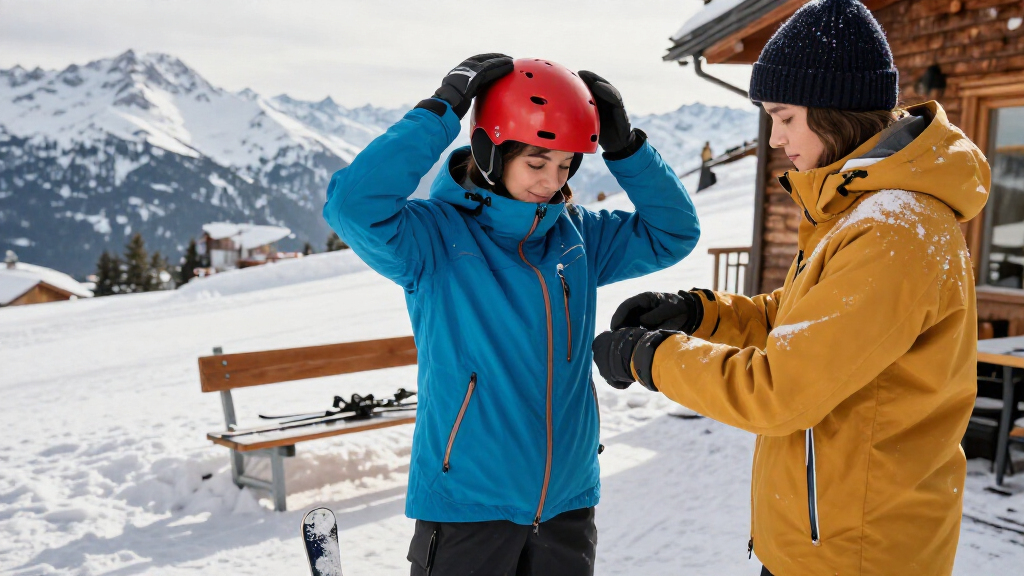
I ranked these jackets around the decisions that matter on a ski day: the balance of weather protection and warmth, the ability to layer, practical versatility, and how clearly each model suits a particular skier. I also considered construction and the role implied by each jacket’s design, distinguishing adaptable systems from fixed-insulation coats and more athletic or race-inspired options. A premium jacket should offer more than a feature list; its design should match the conditions and activity a buyer expects.
The ranking favors the most broadly useful choices first, then gives specialized designs their place for buyers with narrower needs. That puts the Alpha LIFALOFT ahead as a balanced starting point, while the Clement earns a strong position for adaptable layering and the Alpha 4.0 represents the more technical end of the range. Jackets with substantial insulation can be compelling for cold resort days but may be less suitable for skiers who run warm or prefer to tune warmth through layers. Because exact fit and conditions vary, I treat these as comparative recommendations rather than a substitute for checking each model’s current specifications and sizing.
| premium ski jacket | Care |
|---|---|
| Men’s GLCR Hydra Thermagraph J | — |
| The North Face Men’s Clement T | — |
| Oakley TNP TBT Men’s Insulated | Dry clean only |
| Spyder Men’s Vertex Ski Jacket | Hand wash only |
| Helly Hansen Men’s Alpha LIFAL | Hand wash only |
| Spyder Men’s Rival Hooded Insu | Machine wash |
| Obermeyer Men’s Raze Waterproo | Machine wash cold; tumble dry low |
| Helly Hansen Kvitfjell Race Pu | — |
| Helly Hansen Women’s Alphelia | Close zippers before washing; do not soak or use fabric softener; dry inside out and tumble dry until completely dry |
| Spyder Men’s Chambers Waterpro | — |
| 686 Men’s Foundation Insulated | Machine wash |
| Obermeyer Men’s Foundation Ski | Hand wash only |
| Helly Hansen Garibaldi 2.0 Ins | — |
| Helly Hansen Alpha 4.0 Ski Jac | — |
Factors to Consider When Choosing Best Premium Ski Jackets
Premium ski jackets differ most in how they handle warmth, changing weather, and the layers you wear underneath. I’d choose based on your typical day on snow rather than the longest feature list: a cold, lift-served day calls for different priorities than high-output skiing or a jacket used across seasons.
Choose Insulation Around Your Activity Level
A warmer jacket can be a welcome advantage on cold chairlift rides, but insulation also holds heat during strenuous runs. If you ski hard, sweat easily, or often adjust layers during the day, a lighter or more adaptable setup may be more comfortable than a heavily insulated coat. If you spend long stretches on lifts or ski in consistently cold weather, built-in insulation can reduce the need to manage several layers. A common mistake is choosing warmth for the coldest day you might ski rather than the conditions you usually encounter. Think about how often you feel cold at rest versus overheated while moving, then choose insulation for that pattern.
Decide Whether a Shell System or 3-in-1 Jacket Fits Better
A 3-in-1 jacket offers a connected system that can be worn together or separated, which is useful when weather and activity vary. A shell paired with independent layers gives you more control over what goes underneath, but it asks you to own and manage those layers separately. Fixed-insulation jackets are simpler: you put one on and get a predictable level of warmth, with less room to adjust. Buyers sometimes pay for modularity without using the pieces separately, or pick a fixed-insulation coat and later wish it ran cooler. Consider how many conditions you actually ski in and whether you want one adaptable purchase or a straightforward resort jacket.
Match Weather Protection to Your Local Conditions
Snowfall, wind, wet weather, and temperature swings place different demands on a jacket. A storm-focused skier may value dependable coverage and a design that works with gloves and other gear, while someone skiing mainly on clear days may place more weight on comfort and ventilation. Look beyond a general waterproof label when comparing models: check the manufacturer’s current information on fabric, seams, and any care requirements. Water resistance can also decline when a garment is dirty or its finish needs maintenance, so care instructions affect long-term performance. Don’t assume that a premium price automatically means every jacket offers the same level of weather protection.
Treat Fit as Part of the Layering System
A jacket that feels comfortable over a base layer may become restrictive once you add a midlayer, while a very roomy fit can let warmth escape or interfere with movement. Try the jacket with the layers you expect to wear and move your arms as if planting poles or reaching overhead. Check that the hem and sleeves still cover you when you bend and stretch, and that the hood works with your usual helmet. Women-specific cuts can improve fit for some skiers, but sizing and proportions differ by person, so a label alone cannot settle the question. Choose the fit that supports your actual layering plan rather than sizing up automatically.
Pay for Features You Will Use Repeatedly
Premium details matter when they solve a recurring problem, such as needing adaptable warmth, a sport-specific cut, or convenient access to essentials. They matter less if the jacket’s design adds complexity you will rarely use. Compare practical details such as pockets, hood adjustment, cuffs, vents, and compatibility with your other gear against your daily routine on the mountain. A useful test is to imagine a full day of skiing and identify which features would change your comfort or reduce hassle. Paying more for technical construction makes the most sense when it matches your conditions and use; for occasional resort days, a simpler, well-suited jacket may serve you better.
Check Care, Fit, and Intended Use Before Buying
A jacket’s performance depends partly on keeping its materials in good condition, so review the care label before committing. Some technical garments require specific washing and drying practices to maintain their water-shedding finish, and neglect can make a capable jacket feel less dependable over time. Also check whether the model is designed around resort skiing, athletic movement, or a particular fit, rather than assuming every ski jacket suits every discipline. Look at the current product details for the exact version you plan to buy, since specifications can change between model years. A careful fit and care check can matter more than adding another feature to your shortlist.
Frequently Asked Questions
Should I choose the Alpha LIFALOFT or the Alpha 4.0?
I’d compare them by how much you value a broadly usable insulated setup versus a more technical premium-focused option. The Alpha LIFALOFT is my best overall starting point because it strikes a practical balance for a wide range of resort skiers. The Alpha 4.0 is more compelling if you want to focus on a technical design and are prepared to check its current specifications against your needs. Neither is automatically the better choice for every skier: warmth preference, fit, and layering habits should decide it. Try both with the layers you expect to wear before choosing.
Is a 3-in-1 ski jacket a better buy than an insulated jacket?
A 3-in-1 jacket is a better fit if you expect to wear its pieces separately across changing conditions or outside ski days. A fixed-insulation jacket is simpler and can suit someone who wants a consistent warmth level with less layering decisions. The Clement Triclimate represents the adaptable approach in this lineup, while options such as the Alpha LIFALOFT provide a more straightforward insulated format. Before choosing modularity, ask whether you will actually use the pieces apart. If not, a conventional jacket may be easier to live with.
Which jacket should I choose if I tend to overheat while skiing?
Start by looking for a setup that lets you adjust warmth rather than choosing the most heavily insulated option. A 3-in-1 system such as the Clement can offer more ways to adapt, while a shell-and-layer approach can provide even more control if you already own compatible layers. The Kvitfjell Race Puffy and other strongly insulated designs may be less suitable if you consistently run hot during active skiing. Ventilation and fit also affect comfort, so review the details for the exact model and try it while moving. A thin base layer and removable midlayer can often solve overheating more effectively than buying a warmer jacket.
Does a premium ski jacket make sense for a beginner?
It can, especially if you ski often or need dependable protection across cold and changeable days, but premium features do not replace a good fit. Beginners may get more value from an easy-to-layer design and clear, practical features than from a highly specialized athletic cut. The Clement Triclimate is a strong option to explore if flexibility matters, while the Alpha LIFALOFT suits buyers who prefer built-in insulation. Start with fit, comfort, and the conditions where you expect to ski. If your days on snow are occasional, avoid paying for technical details you do not expect to use.
How should I choose between a warmer resort jacket and an athletic or race-style jacket?
Choose around the pace and setting of your typical day. A warmer resort-oriented jacket suits skiers who spend plenty of time on lifts or feel cold between runs, while an athletic or race-inspired design may better match those prioritizing movement and a sport-specific feel. The Garibaldi 2.0 and Kvitfjell Race Puffy represent distinct directions within this roundup, so compare their current specifications and fit rather than relying on the name alone. If you ski at mixed intensities, make sure the jacket works with layers that can be adjusted. Comfort during both movement and downtime is a more useful guide than choosing the most specialized label.
Conclusion
For the best overall, I recommend the Helly Hansen Men’s Alpha LIFALOFT for its balanced insulated approach. The best choice for adaptable layering is The North Face Clement Triclimate, especially if you expect to use its components in different conditions. For a more technical premium pick, consider the Helly Hansen Alpha 4.0 after confirming its current details and fit match your needs. Beginners who want flexibility can start with the Clement, while skiers seeking substantial warmth may prefer to compare the Garibaldi 2.0 and other insulated options. For specific needs, the Kvitfjell Race Puffy suits buyers drawn to an athletic direction, and the women’s Alphelia is the lineup’s women-specific option. I’d make the final choice based on your usual temperatures, activity level, and layers—not the most elaborate feature list.