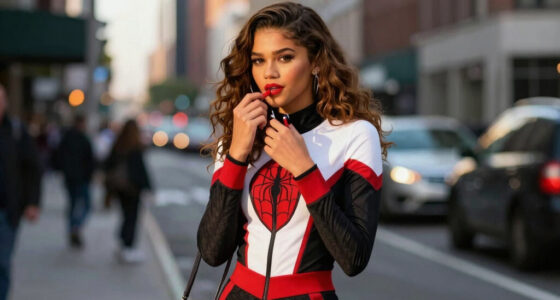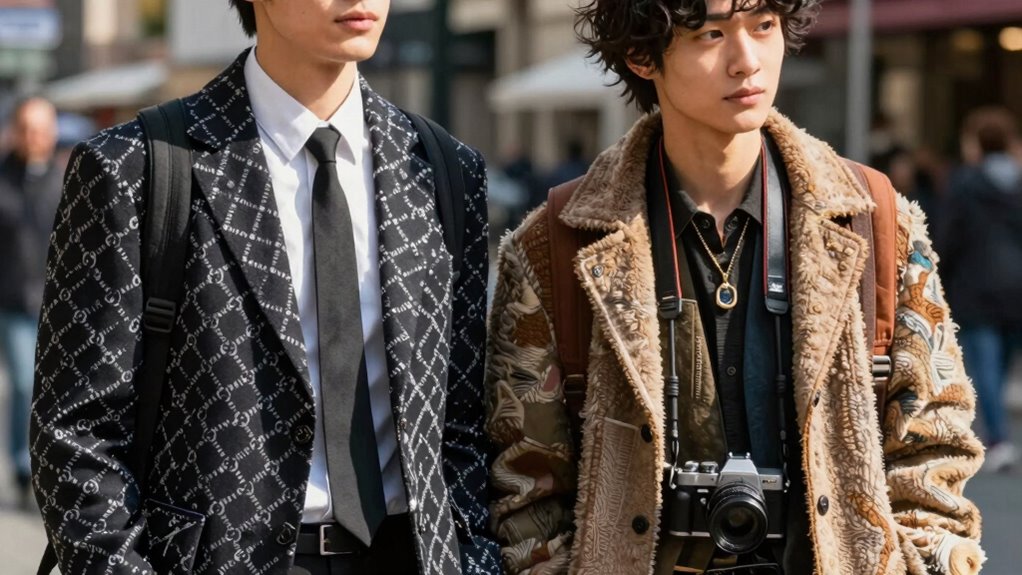

Fashion and style are different yet connected. Fashion involves collective trends driven by designers, media, and social influences, which change quickly and often aim for novelty. Your personal style, however, reflects your unique identity and stays more consistent over time. While trends come and go, your style remains your signature. Understanding these differences helps you build a wardrobe that stays true to you. Keep exploring to learn how to make those concepts work for you.
Listen free for 30 days with Audible
Thousands of audiobooks and originals — cancel anytime.
As an affiliate, we earn on qualifying purchases.
Key Takeaways
- Fashion involves collective trends driven by industry, while personal style reflects an individual’s consistent expression of identity.
- Trends are short-lived and influenced by social media, whereas personal style remains stable over time.
- Fashion fosters community and shared cultural signals; style emphasizes personal authenticity and uniqueness.
- Industry dynamics like fast fashion accelerate trend cycles, often at the expense of timeless personal style.
- Building a timeless wardrobe focuses on quality, fit, and signature elements rather than chasing fleeting trends.
As an affiliate, we earn on qualifying purchases.
Defining the Core Distinction Between Fashion and Style
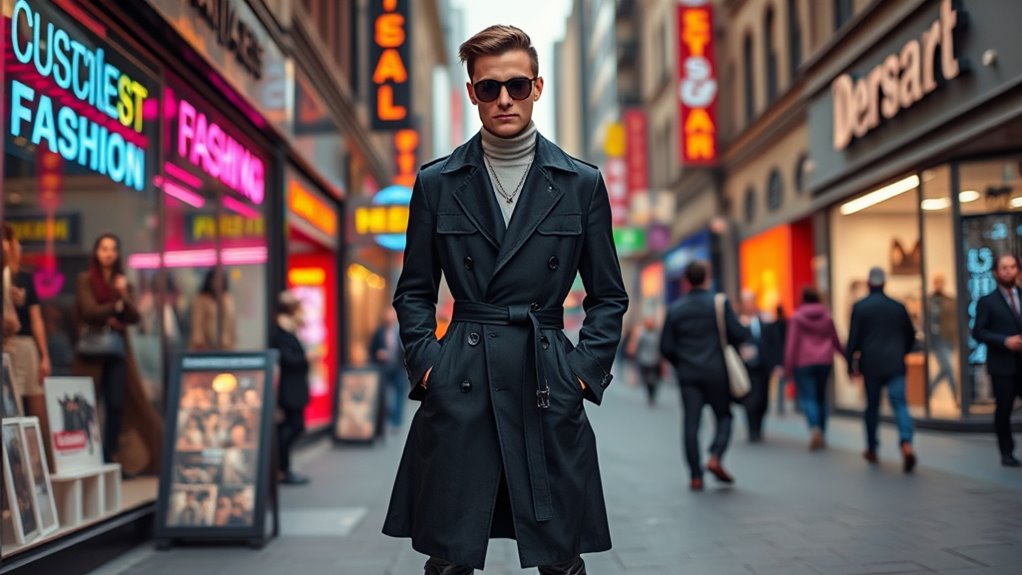
Understanding the core difference between fashion and style begins with recognizing that fashion is about collective trends driven by industry and cultural moments, while style reflects an individual’s consistent way of expressing themselves. Fashion involves rapidly changing trends created by designers, brands, and media that influence what’s popular at a given moment. It’s about novelty, experimentation, and fitting into current cultural conversations. Style, on the other hand, is personal; it’s how you curate your wardrobe to reflect your identity, values, and preferences. Your style remains relatively stable over time, allowing you to develop a signature look. While fashion can inspire your choices, your style is your unique framework for assembling garments, accessories, and grooming to communicate who you are beyond fleeting trends. Embracing Free Floating elements of your wardrobe can help you adapt your style effortlessly while staying true to your personal expression.
As an affiliate, we earn on qualifying purchases.
The Lifecycle and Temporality of Trends Versus Personal Expression
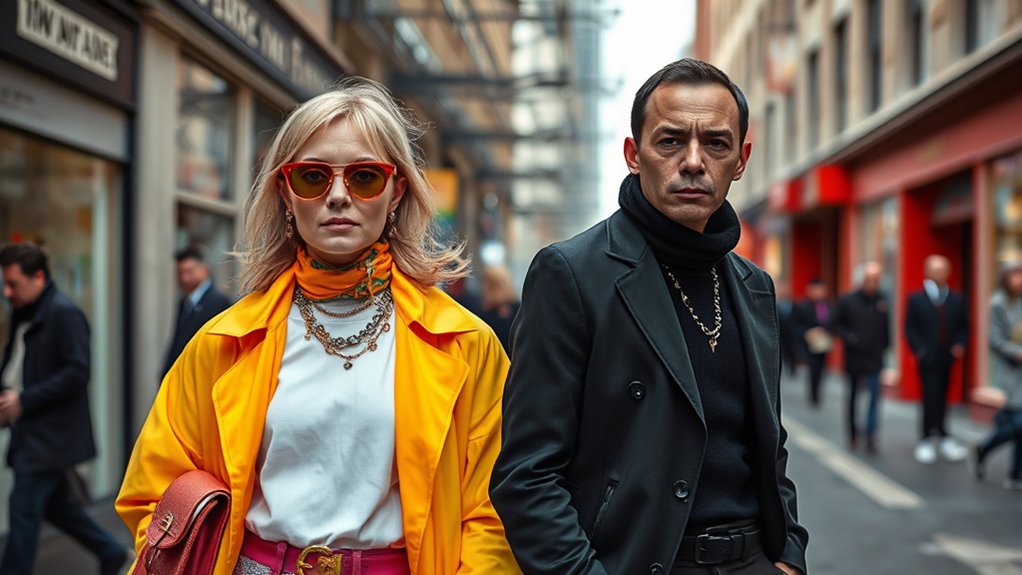
Trends in fashion tend to have short, dynamic lifecycles driven by rapid cycles, social media, and consumer demand for novelty. You might see a style explode in popularity within weeks, only to fade just as quickly. Fast fashion accelerates this process, turning designs into retail products in record time and pushing trend turnover. Personal style, however, remains more stable over years, with minor updates that reflect your evolving identity. Embracing educational resources can help you better understand how to develop a long-lasting personal style that resists fleeting fads.
As an affiliate, we earn on qualifying purchases.
Social Functions and Cultural Significance of Fashion and Style
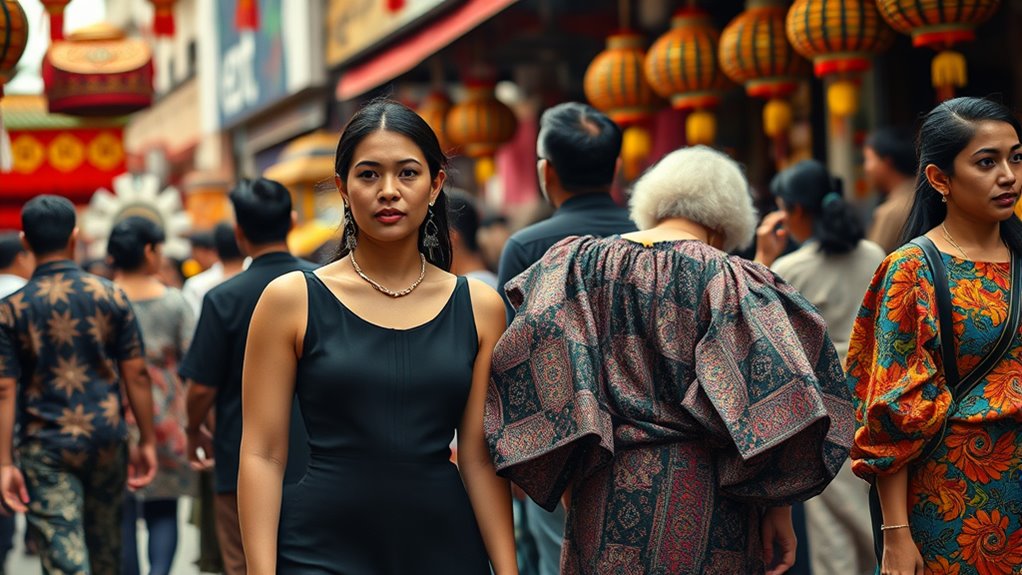
Have you ever noticed how fashion and style serve different social functions and carry distinct cultural meanings? Fashion acts as a collective language, signaling cultural trends, social status, and shared identity. It creates a sense of belonging through popular styles promoted by designers, media, and influencers. Style, however, reflects your personal identity, values, and confidence. It’s a way you differentiate yourself within or outside mainstream culture. Fashion fosters community and conversation around collective taste, while style allows you to stand apart, expressing your uniqueness. Both influence how you’re perceived and connect to wider social narratives—fashion through societal change and trends, style through individual authenticity. Additionally, trusted businesses and services play a crucial role in helping individuals discover and refine their personal style and stay updated with current trends. Together, they shape how you communicate and understand cultural values, whether through fleeting trends or timeless personal expression.
As an affiliate, we earn on qualifying purchases.
Industry Dynamics and Economic Impacts on Trends and Personal Aesthetics
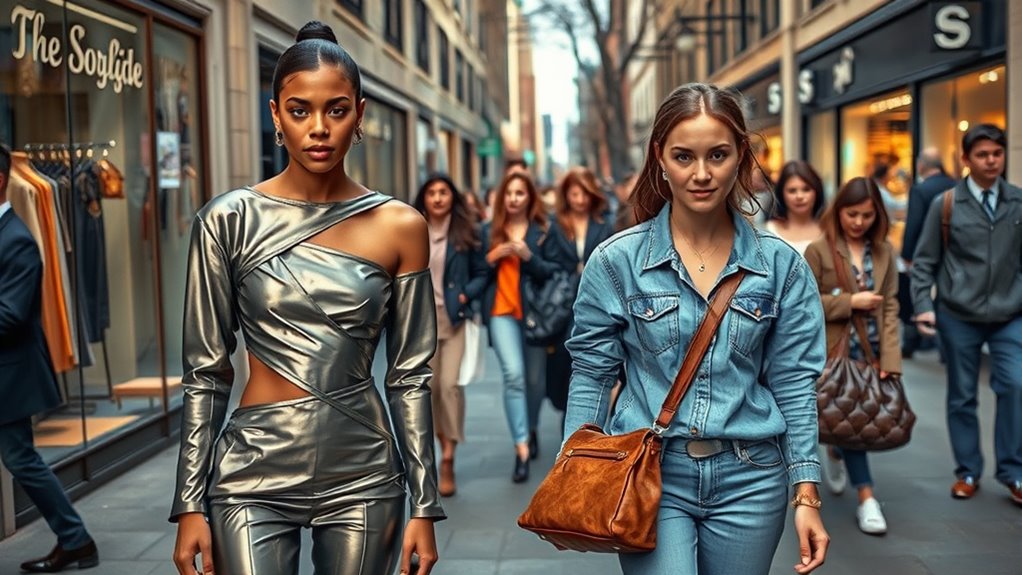
The fashion industry shapes what becomes popular and influences personal aesthetics through a complex web of designers, retailers, media, and influencers. You’re affected by rapid cycles driven by commercial motives, where:
- Designers and brands push seasonal collections to create buzz and urgency
- Retailers prioritize fast turnover, encouraging frequent trend adoption
- Influencers and media amplify trends, boosting consumer demand
- Fast fashion accelerates trend cycles, making styles seem fleeting
- Consumers often chase trends, risking overconsumption and waste
- The continual emergence of new styles can also hinder the development of personal style by encouraging conformity over authenticity
This environment encourages quick, disposable fashion choices, but personal style emphasizes longevity, fit, and authenticity. You can navigate this landscape by focusing on versatile pieces, resisting fleeting trends, and investing in quality. Understanding these dynamics helps you make mindful decisions that balance industry influences with your individual aesthetic.
Practical Strategies for Building a Timeless Personal Wardrobe
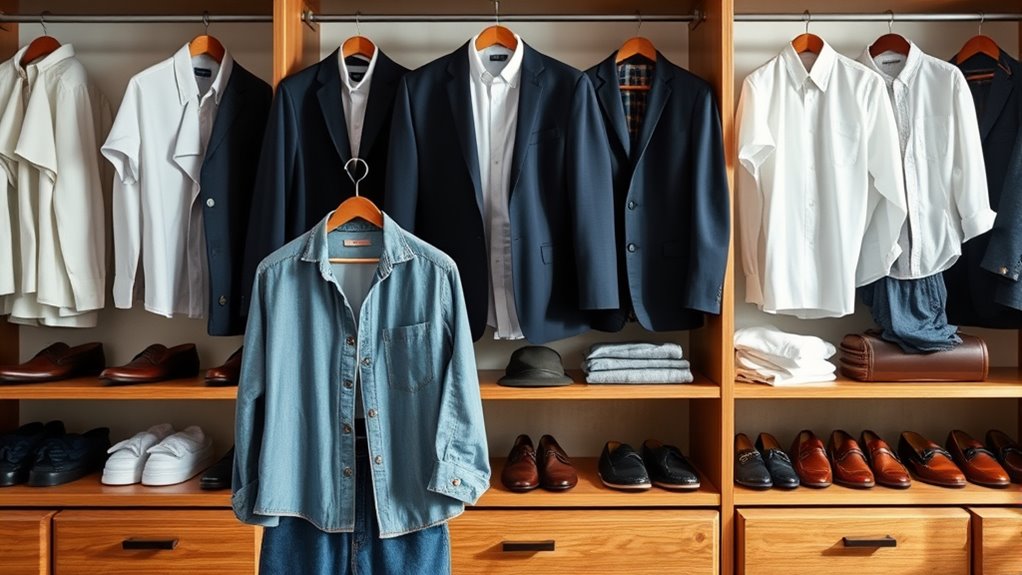
Building a timeless personal wardrobe begins with selecting versatile, high-quality pieces that serve as the foundation for your style. Focus on classic items like well-fitted blazers, crisp white shirts, neutral trousers, and durable denim. Prioritize fit, fabric, and craftsmanship over fleeting trends, ensuring each piece can adapt to different looks and seasons. Incorporate signature elements—such as a preferred color palette or accessory style—that reinforce your personal aesthetic. Invest gradually, choosing fewer, better items instead of chasing quick fads. Mix and match your wardrobe to create varied outfits effortlessly. Use trends as inspiration, but don’t feel compelled to adopt them wholesale. Regularly assess your wardrobe to remove what no longer fits or feels authentic, keeping your style consistent and sustainable over time. Timelessness in fashion is achieved through thoughtful curation and a focus on enduring quality.
Frequently Asked Questions
How Can I Develop a Unique Personal Style That Stays Relevant?
To develop a unique personal style that stays relevant, focus on what truly reflects your personality and feels authentic. Experiment with different silhouettes, colors, and accessories to discover what suits you best. Invest in versatile, quality pieces you love, and incorporate trend elements thoughtfully, adapting them to your existing wardrobe. Regularly reflect on what makes you feel confident, and refine your choices to create a signature look that endures over time.
What Are the Best Ways to Incorporate Trends Without Losing Authenticity?
To incorporate trends without losing authenticity, focus on adapting only the elements that resonate with your personal style. Choose trend pieces that complement your existing wardrobe, prioritize quality, and keep your signature details intact. Be selective, and don’t feel pressured to follow every fad. Use trends as inspiration, blending them seamlessly into your look, so your outfit remains true to your unique identity while staying current.
How Do Cultural Influences Shape Individual Style Choices Over Time?
Cultural influences shape your style choices over time by acting as a guiding compass, reflecting your surroundings, traditions, and societal shifts. You embrace this influence like a sponge soaking up new ideas, blending them with your personal taste. As cultures evolve, so does your style—sometimes blending, sometimes standing apart. Staying true to your roots while remaining open to new cultural cues helps you develop an authentic, ever-evolving personal style that resonates.
Can Personal Style Evolve Without Following Current Fashion Trends?
Yes, your personal style can evolve without following current fashion trends. You do this by focusing on what feels authentic to you—experimenting with different silhouettes, colors, and accessories that suit your personality and lifestyle. Instead of chasing fleeting trends, reflect on what resonates, invest in quality staples, and adapt them over time. This approach allows your style to grow naturally and remain true to who you are, beyond the influence of seasonal fads.
What Role Does Sustainability Play in Building a Timeless Wardrobe?
Think of building a timeless wardrobe as tending a garden. Sustainability guides you to choose hearty, long-lasting plants—quality pieces that grow with you over time. By nurturing these staples, you reduce waste and preserve resources, creating a lush, resilient landscape of style. Your wardrobe, like a well-tended garden, flourishes with thoughtful choices, allowing your personal aesthetic to blossom sustainably and effortlessly across seasons.
Conclusion
Understanding the difference between fashion and style is like knowing the difference between a passing breeze and a steady breeze—one comes and goes, while the other shapes your unique journey. By embracing your personal style, you create a signature that stands the test of time, no matter how trends swirl around you. So, trust your instincts, curate your wardrobe thoughtfully, and let your style be the lighthouse guiding your fashion ship through changing tides.
College move-in / dorm season Picks
dorm essentials
As an affiliate, we earn on qualifying purchases.