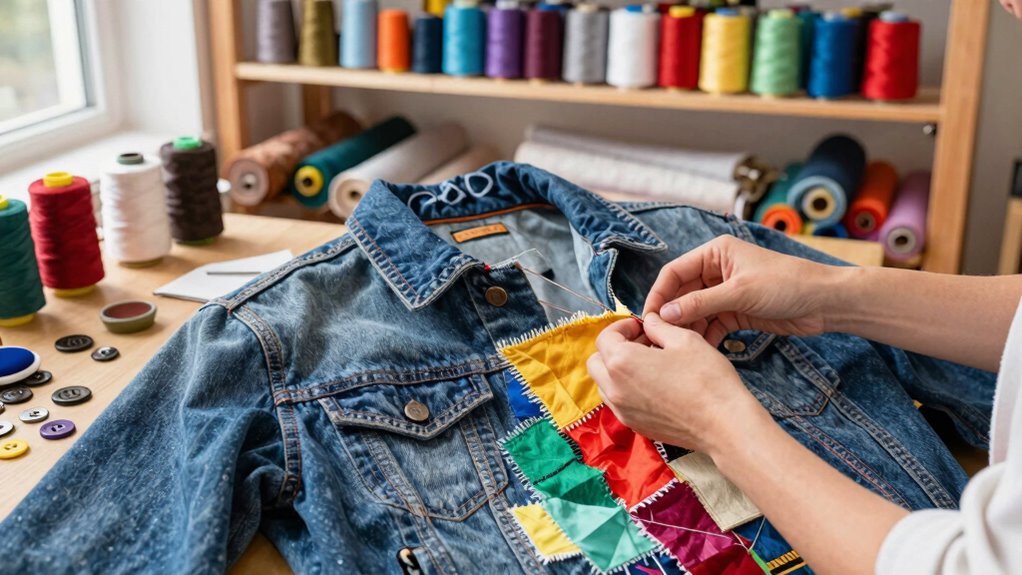

Upcycling transforms your old clothes into stylish, sustainable fashion by using techniques like patchwork, visible mending, and reconstruction. You can creatively reuse fabric scraps, repair tears with decorative stitches, or turn worn pieces into new silhouettes, giving your wardrobe a unique, eco-friendly vibe. This artsy approach not only reduces waste but also highlights craftsmanship and innovation. To discover how to start your own upcycling journey and elevate your style sustainably, keep exploring these inspiring methods.
Key Takeaways
- Upcycling transforms old clothes into unique, stylish fashion pieces through techniques like patchwork, visible mending, and reconstruction.
- Creative reimagining of garments extends their lifespan, reduces textile waste, and promotes sustainable fashion practices.
- Incorporating fabric scraps and deadstock textiles allows for personalized designs that blend craftsmanship with environmental consciousness.
- Industry growth is driven by consumer demand for eco-friendly, one-of-a-kind fashion, encouraging brands to adopt innovative upcycling methods.
- Innovative design and supportive policies will further enhance upcycled fashion’s appeal, making it a mainstream sustainable trend.

HESHE Leather Purses and Handbags for Women Shoulder Bag Tote Top Handle Bags Hobo Purses Designer Satchel Purse Ladies Crossbody Bag (Black)
Material: The tote bag is made from top layer cowhide leather with high-quality silver hardware, ensuring durability and...
As an affiliate, we earn on qualifying purchases.
Embracing Sustainability Through Creative Reuse
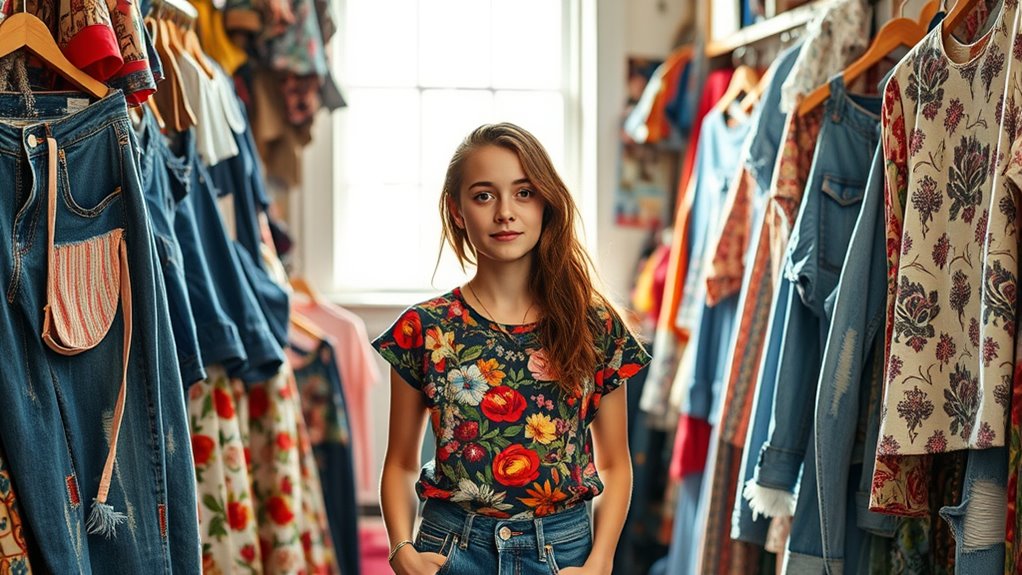
To truly embrace sustainability, you need to look beyond fast fashion and discover the power of creative reuse. Instead of discarding old clothes, see them as blank canvases for innovation. Upcycling transforms garments into unique, stylish pieces that extend their life and reduce waste. This approach minimizes the need for virgin materials and cuts down on textile waste, which exceeds tens of millions of tonnes annually worldwide. By repurposing fabric scraps, repairing damaged items, or redesigning old pieces, you reduce environmental impact while expressing your personal style. Embracing this mindset shifts your consumption habits from wasteful to mindful. It’s about valuing craftsmanship, reducing landfill contributions, and making a statement that fashion can be sustainable and creative at the same time. Incorporating upcycling techniques into your wardrobe can also inspire others to adopt eco-friendly fashion practices.
Iswee Genuine Leather Purses for Women Medium Size Satchel Handbags Crossbody Bag Shoulder Tote Bags Hobo Purses Trendy Ladies Hand Bag (Sorrel)
High Quality Cowhide---Soft genuine leather purses, high quality cowhide, which has beautiful grain and better wear resistance. And...
As an affiliate, we earn on qualifying purchases.
Popular Techniques for Upcycling Old Garments
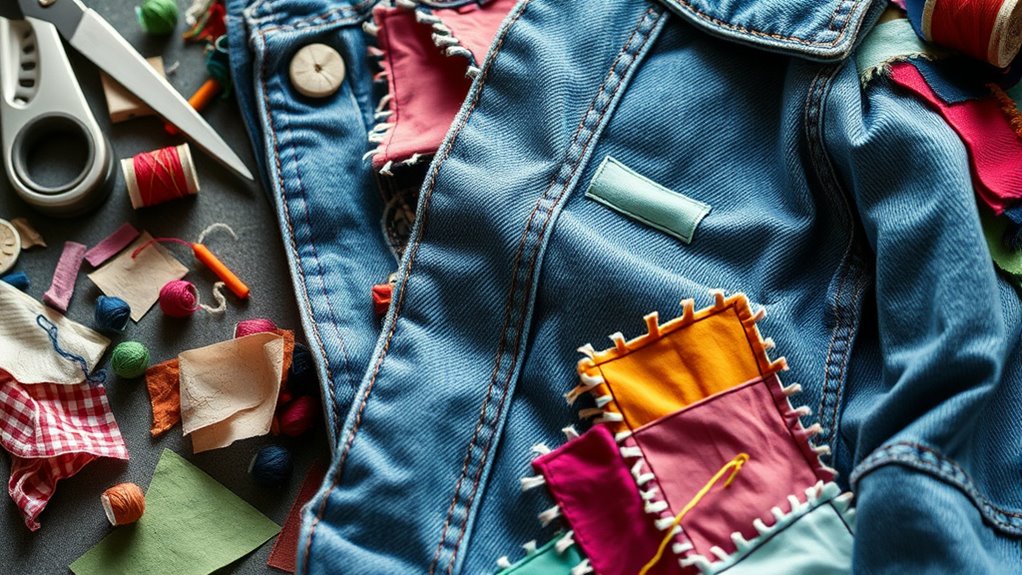
You can transform old clothes using techniques like patchwork and visible mending, which add character while extending their life. Deconstruction and reconstruction allow you to create fresh designs by disassembling and reassembling garments into new styles. These methods not only preserve your favorite pieces but also showcase your creativity in upcycling. Incorporating upcycling techniques inspired by sustainable fashion principles can further enhance your wardrobe while reducing waste.
Patchwork and Mending
Patchwork and mending have become popular upcycling techniques because they transform old garments into unique, stylish pieces while extending their lifespan. With patchwork, you combine fabric scraps to create a fresh, colorful look that adds personality and character. It’s a great way to repurpose worn or damaged clothing, turning imperfections into design features. Visible mending, on the other hand, involves repairing tears or holes with decorative stitches or patches that become part of the garment’s aesthetic. This technique not only prolongs clothing life but also showcases craftsmanship and creativity. Both methods encourage you to see flaws as opportunities for self-expression. By practicing patchwork and mending, you breathe new life into old clothes, reducing waste and making sustainable fashion more personal and meaningful. Incorporating innovative upcycling techniques can further enhance your wardrobe’s sustainability and style.
Deconstruction and Reconstruction
Deconstruction and reconstruction are dynamic upcycling techniques that transform old garments into fresh, stylish pieces by reimagining their original structures. You start by carefully disassembling clothing—removing seams, zippers, and embellishments—without damaging the fabric. Once broken down, you can reassemble the pieces into new silhouettes, combining different textiles or altering shapes to fit current trends. This process allows you to create unique designs, like turning old jeans into patchwork skirts or mixing fabrics from various garments. Reconstruction emphasizes creativity and resourcefulness, giving discarded clothes a second life. It also helps reduce waste by maximizing the potential of existing materials. With patience and a keen eye, you can craft one-of-a-kind fashion statements that reflect your personal style and commitment to sustainability.
Amazon Product B0CTWDX82M
As an affiliate, we earn on qualifying purchases.
The Environmental Benefits of Upcycled Fashion

When you choose upcycled fashion, you help cut down the massive amounts of textile waste ending up in landfills each year. By reusing and repurposing old clothes, you lower the overall carbon emissions associated with producing new garments. This practice also supports a circular economy, keeping resources in use longer and reducing environmental impact. Additionally, adopting Free Floating styles minimizes the need for extensive textile production and transportation, further lessening the ecological footprint.
Reducing Textile Waste
Upcycled fashion offers a powerful way to reduce textile waste and lessen environmental harm. By transforming old clothes, you prevent them from ending up in landfills, where they take years to decompose and release harmful chemicals. Upcycling extends the life of garments, decreasing the demand for new textiles and conserving resources. Incorporating sustainable fashion practices into your wardrobe choices amplifies these environmental benefits. Consider these benefits: 1. Less waste to landfills: Diverts millions of tons of textile waste annually, reducing landfill overflow. 2. Lower resource consumption: Decreases the need for virgin fibers, water, and energy used in manufacturing new fabrics. 3. Reduced pollution: Minimizes the release of microplastics and chemicals from discarded textiles into ecosystems. Your choice to upcycle helps break the cycle of waste, making fashion more sustainable and environmentally friendly.
Lower Carbon Footprint
Choosing to upcycle your clothes substantially reduces their carbon footprint by cutting down on emissions generated during production and transportation. When you breathe new life into old garments, you avoid the energy-intensive process of fabric manufacturing, dyeing, and milling associated with creating new clothes. Upcycling also minimizes the need for raw material extraction and reduces the demand for virgin fibers, which are often produced through energy-heavy processes like cotton cultivation or synthetic fiber synthesis. Additionally, upcycled garments typically require less transportation since they’re often sourced locally or regionally, further lowering emissions. By opting for upcycled fashion, you contribute to a significant decrease in greenhouse gases linked to the entire clothing lifecycle, making your wardrobe not just stylish but also environmentally responsible. Incorporating sustainable practices into your wardrobe choices can further amplify these environmental benefits.
Promoting Circular Economy
By extending the lifespan of garments through upcycling, you actively support a circular economy that reduces waste and conserves resources. This shift minimizes landfill overflow and decreases the demand for virgin materials. Upcycling encourages reuse, keeping textiles in circulation longer and reducing environmental impact. To deepen this impact:
- You help decrease textile waste, which exceeds tens of millions of tonnes annually, preventing harmful landfilling.
- You contribute to lowering carbon emissions by replacing new production with upcycled products, which can cut emissions by roughly 25%.
- You support sustainable business models that prioritize resource efficiency, creating new jobs and markets within the circular economy.
- Embracing upcycled fashion promotes innovation in sustainable design and manufacturing processes.
Upcycling transforms waste into valuable fashion, fostering a system where materials are continuously reused and repurposed, making fashion more sustainable and resilient.

Iswee Satchel Bags Retro Leather Purses for Women Handbags Shoulder Bags Luxury Tote Hobo Cross Body Work Doctor Bag Pocketbooks(Green)
The satchel bag is made from vegetable tanned leather, made by craftsmanship, wear-resistant and have a soft hand...
As an affiliate, we earn on qualifying purchases.
Designing Unique Pieces With Patchwork and Mending
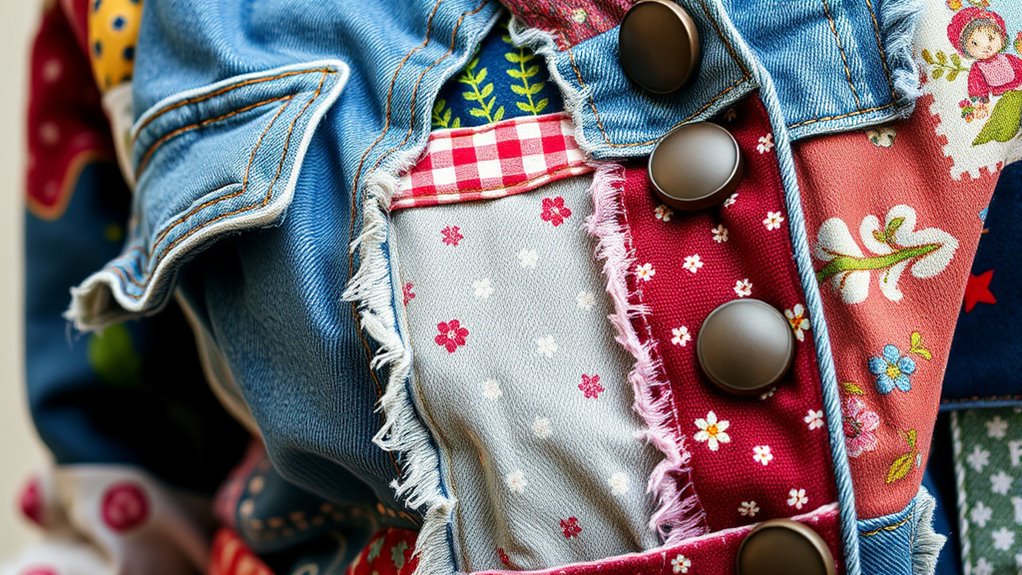
Creating unique clothing pieces through patchwork and mending transforms discarded garments into one-of-a-kind fashion statements. By combining fabric scraps, you breathe new life into old clothes, turning them into personalized works of art. Visible mending not only repairs damaged areas but also adds decorative detail, showcasing craftsmanship and creativity. Patchwork allows you to mix different textures, colors, and patterns, creating a vibrant, eclectic look. These techniques extend the life of garments and reduce waste, aligning with sustainable fashion goals. You can experiment with shapes, sizes, and stitching styles to develop signature designs. Mending and patchwork also offer opportunities to incorporate sentimental fabrics or vintage textiles, making each piece meaningful. This hands-on approach empowers you to craft distinctive, eco-friendly fashion items that reflect your personal style. Additionally, exploring sustainable fabrics can enhance the eco-conscious aspect of your upcycled creations.
Transforming Fabrics: From Deadstock to Statement Pieces
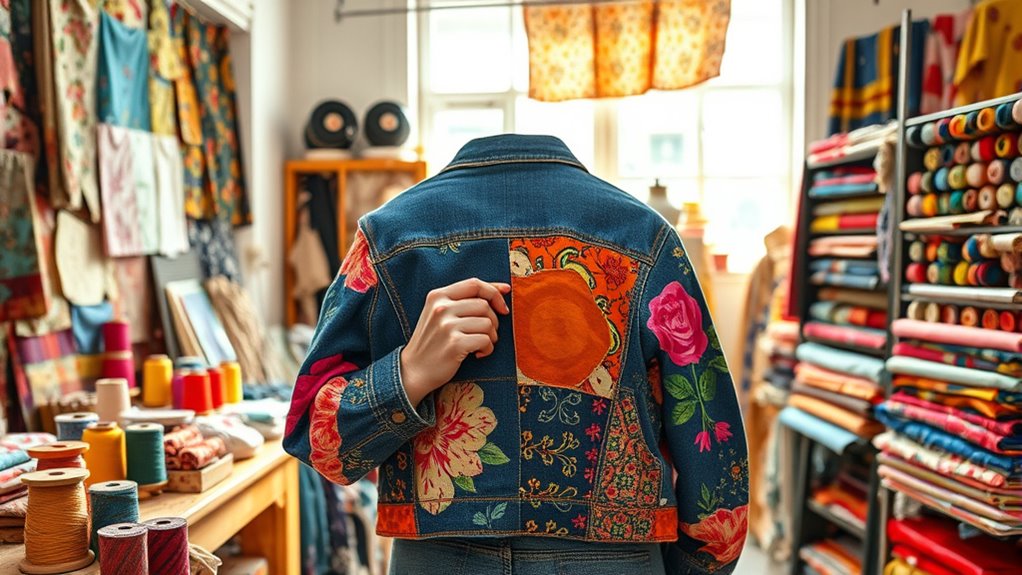
You can transform deadstock fabrics into stunning statement pieces by sourcing high-quality, unused textiles. With a bit of creativity, these fabrics can be repurposed into unique designs that stand out in the market. Focusing on creative reimagining not only reduces waste but also adds value to your upcycled collections. Incorporating sustainable practices supports overall family well-being by promoting environmentally conscious fashion choices.
Sourcing Quality Deadstock
Securing high-quality deadstock fabric is essential for successful upcycling, as it provides a reliable and sustainable feedstock to transform into statement pieces. To guarantee you get the best materials, consider these approaches:
- Partner with suppliers and manufacturers: Build relationships with brands and factories that regularly discard excess stock, gaining access to premium fabrics without extra cost.
- Attend textile and fabric markets: Source from wholesalers and fabric fairs that specialize in deadstock, offering a diverse selection of unique, unused textiles.
- Implement quality control protocols: Establish standards for fabric condition, colorfastness, and durability to ensure only the best materials make it into your projects, reducing waste and rework.
- Invest in appropriate storage and handling gear to maintain fabric quality during storage and transportation, preventing damage and degradation over time.
These strategies help you find dependable, high-quality deadstock fabric for your upcycling ventures.
Creative Fabric Reimagining
Transforming leftover deadstock fabrics into eye-catching statement pieces unblocks endless creative possibilities for upcyclers. You can reimagine fabrics through patchwork, combining mismatched textiles into unique designs that tell a story. Visible mending not only repairs but adds character, turning flaws into features. Deconstruction allows you to break down garments and reconstruct them into fresh silhouettes, giving old materials new life. Fabric repurposing lets you convert large textiles like bedsheets or curtains into apparel or accessories, reducing waste. Embellishments—embroidery, dyeing, appliqué—offer ways to personalize and elevate your creations without new material. Zero-waste patterning maximizes fabric use and minimizes leftovers, ensuring every scrap counts. These techniques empower you to craft distinctive, sustainable fashion while breathing new purpose into deadstock fabrics.
The Rise of Upcycled Collections in the Fashion Industry
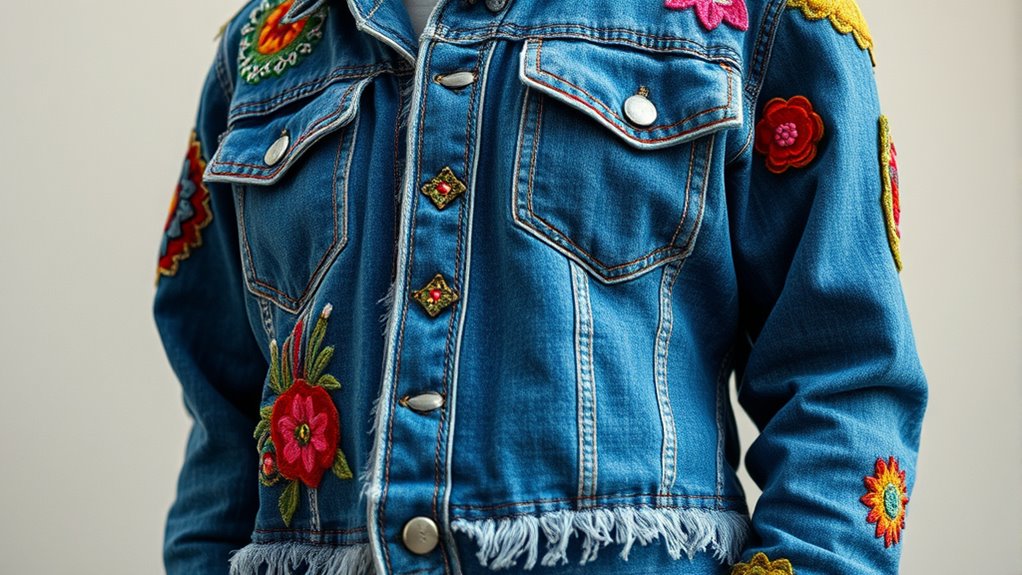
The fashion industry is increasingly embracing upcycled collections as a sustainable alternative to traditional manufacturing. This shift is driven by rising consumer demand for eco-friendly options and brands seeking to reduce waste. Key factors fueling this rise include:
- Market Growth: The upcycled apparel market is projected to reach over USD 21 billion by the early 2030s, reflecting expanding industry investment and consumer interest.
- Consumer Preferences: Younger shoppers, especially Millennials and Gen Z, prioritize sustainability and uniqueness, making upcycled pieces more appealing and valuable.
- Brand Initiatives: Major brands are launching dedicated upcycled collections, leveraging innovative techniques like patchwork and fabric repurposing to create distinctive, eco-conscious designs.
This momentum is transforming fashion from linear to circular, making upcycled collections a central trend.
How Upcycling Fosters Artisan Craftsmanship and Innovation

Upcycling encourages artisans to explore traditional techniques in innovative ways, blending craftsmanship with creativity to produce unique garments. You’ll see how methods like patchwork, visible mending, and fabric repurposing allow artisans to reimagine old clothes, turning them into one-of-a-kind pieces. This process fosters skill development and pushes boundaries, inspiring new design ideas that blend heritage with modern trends. By working with existing materials, artisans challenge the notion of waste, emphasizing resourcefulness and sustainability. Upcycling also sparks innovation in construction techniques, such as zero-waste patterning and reconstruction, which reduce waste and improve efficiency. As a result, artisans not only preserve traditional craftsmanship but also evolve it, creating fresh, inventive fashion that resonates with environmentally conscious consumers.
Building a Wardrobe of One-of-a-Kind Upcycled Items
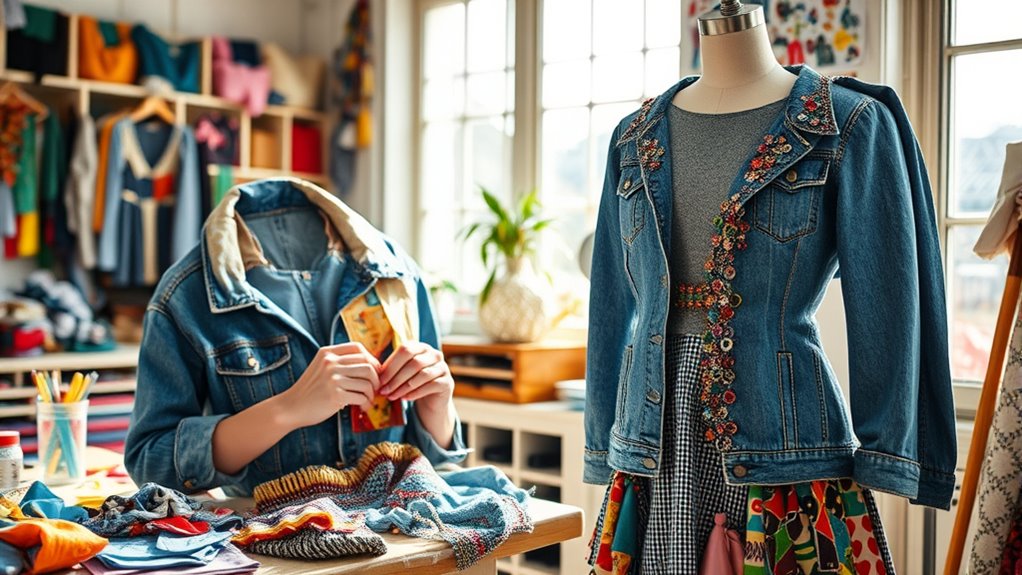
Creating a wardrobe filled with one-of-a-kind upcycled pieces starts with intentional selection and personalization. You want garments that reflect your style while reducing waste. Focus on high-quality, versatile items that can be easily transformed. To add depth, consider these approaches:
Build a unique wardrobe by selecting versatile, high-quality pieces to personalize and upcycle creatively.
- Curate vintage or pre-loved clothing with unique details or fabrics ripe for creative reuse.
- Experiment with design techniques like patchwork, embroidery, or dyeing to make each piece distinct.
- Personalize with embellishments such as appliqué or screen printing to add your signature touch.
Practical Tips for Sourcing Materials for Upcycling Projects

Sourcing quality materials is the foundation of successful upcycling projects. You want fabrics that are durable, clean, and free of damage. Look for donations from friends, family, or thrift stores, and explore wholesale lots for variety. Establish collection channels like take-back programs or local clothing drives to guarantee a steady supply.
| Source Type | Material Examples |
|---|---|
| Thrift Stores | Vintage denim, silk blouses, wool sweaters |
| Donations/Clothing Drives | T-shirts, jeans, dresses |
| Wholesale Lots | Deadstock fabrics, surplus textiles |
Focus on sorting carefully: choose pieces with minimal stains or tears. Prioritize versatile fabrics that lend themselves well to creative transformation and longevity. This careful sourcing makes your upcycling both sustainable and stylish.
The Future of Fashion: Upcycling as a Mainstream Movement
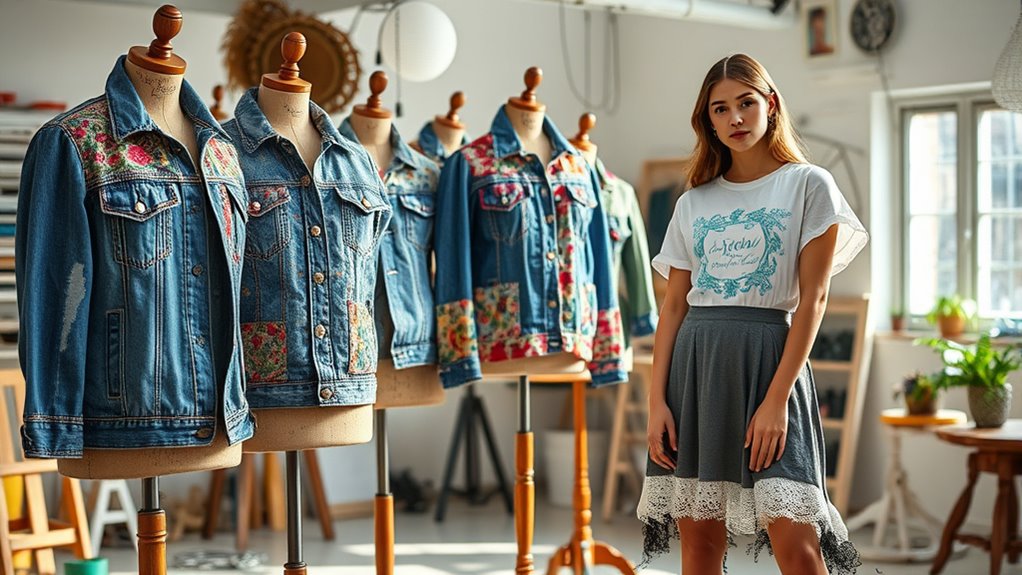
Will upcycling become a dominant force in the fashion industry? The answer is increasingly yes, driven by rising market size, consumer awareness, and sustainability goals. The global upcycled apparel market is projected to reach over USD 21 billion by the early 2030s, reflecting growing commercial interest. As secondhand sales triple and textile waste exceeds millions of tonnes annually, the need for sustainable solutions intensifies. Consumer demand from Millennials and Gen Z emphasizes uniqueness and eco-conscious choices, fueling upcycled product popularity. To deepen this movement:
- Investment in infrastructure and collection channels will be crucial for scaling.
- Innovative design techniques will differentiate products and boost appeal.
- Policy support and transparency will shape market growth and consumer trust.
Upcycling is poised to reshape fashion’s future, making sustainability stylish and mainstream.
Frequently Asked Questions
How Can Consumers Identify Genuinely Sustainable Upcycled Fashion Products?
You can identify genuinely sustainable upcycled fashion by checking for transparency labels, certifications, or traceability info from brands that detail their sourcing and processes. Look for stories behind the product, like maker profiles and material origins, which show commitment to sustainability. Choose items with unique designs or limited editions, as these often indicate thoughtful craftsmanship. Prioritize brands emphasizing eco-conscious practices and avoid mass-produced, unmarked products to guarantee authenticity.
What Are the Most Cost-Effective Methods for Scaling Upcycling Operations?
Irony aside, the most cost-effective way to scale upcycling is to invest in semi-automated sorting and modular production setups. You’ll reduce labor costs and streamline material flow, making large volumes feasible. Building partnerships for steady feedstock and standardizing processes help maintain quality without inflating expenses. Educate consumers and showcase stories to boost demand, ensuring your growth isn’t just sustainable but also profitable in the long run.
How Does Upcycling Impact the Overall Lifecycle Emissions of Clothing?
Upcycling reduces the overall lifecycle emissions of clothing by extending garment use, lowering demand for new production, and decreasing textile waste. When you upcycle, you cut emissions from manufacturing, transportation, and disposal. By choosing upcycled pieces, you help decrease the carbon footprint linked to fast fashion, effectively reducing greenhouse gases over the product’s entire lifespan. This practice promotes a more sustainable, circular fashion industry, benefiting the environment.
What Certifications or Labels Best Verify Upcycled Apparel Authenticity?
Imagine holding a tag that tells a story—certifications like the Global Recycled Standard (GRS) and the Upcycled Certified label verify upcycled apparel’s authenticity. These labels verify your clothes are genuinely made from recycled or repurposed materials, providing transparency and trust. By choosing garments with such certifications, you support sustainable practices, reduce waste, and confidently wear pieces that truly reflect eco-conscious craftsmanship.
How Can Brands Balance Mass Production With Maintaining Unique Craftsmanship?
You can balance mass production with unique craftsmanship by adopting modular upcycling techniques that allow for scalable processes while preserving individuality. Invest in semi-automated systems to streamline repetitive tasks, freeing artisans to focus on creative details. Incorporate storytelling and transparency about your craftsmanship to add value. Offering limited editions or bespoke options within larger collections helps maintain a sense of exclusivity, appealing to consumers seeking both uniqueness and affordability.
Conclusion
By embracing upcycling, you not only create unique fashion statements but also step into a movement that echoes the sustainable spirit of the Renaissance. With each stitch and patch, you become a craftsman of change, transforming old garments into treasures. So, channel your inner artisan, ditch fast fashion, and make a lasting impact—because in this eco-chic era, your wardrobe can be both stylish and a testament to tomorrow’s planet.