Coach and Michael Kors evolved from accessible luxury brands into high-end powerhouses by expanding their product ranges, entering new markets, and repositioning their brands to appeal to aspirational consumers. They moved beyond leather goods to apparel, footwear, and fragrances, while balancing premium quality with mass-market appeal. Strategic marketing, celebrity collaborations, and selective distribution helped boost their prestige. If you keep exploring, you’ll uncover how their shifts reshaped the luxury landscape and consumer perceptions.
Key Takeaways
- Both Coach and Michael Kors transitioned from heritage craftsmanship to lifestyle brands, expanding product lines and targeting the mass affluent market.
- They repositioned as accessible luxury by blending premium quality with attainable pricing, broadening consumer reach.
- Strategic brand repositioning involved marketing campaigns, celebrity endorsements, and selective distribution to elevate prestige.
- Expansion into apparel, footwear, and accessories increased scale but pressured margins, requiring careful brand and inventory management.
- Their shift to high-end positioning aimed to balance growth, brand exclusivity, and relevance amid rising competition and consumer expectations.
Origins and Brand Evolution

Both Coach and Michael Kors started with clear roots in accessible luxury, but their paths of evolution highlight strategic shifts in brand positioning. Coach began in 1941 as a Manhattan leather workshop, building its reputation on craftsmanship and quality. Over time, it expanded into ready-to-wear and accessories, aiming for a broader audience. Meanwhile, Michael Kors launched in 1981 as a luxury sportswear brand, later repositioning itself as an accessible luxury label with a focus on accessories under MICHAEL Michael Kors. Both brands executed IPOs—Coach in 2000 and Michael Kors in 2011—to fund growth. Their evolution moved from heritage craft to lifestyle offerings, blending premium cues with mass-market appeal. This shift aimed to attract a wider, aspirational consumer base while maintaining a sense of style and credibility, with brand evolution becoming a key component of their success strategies.
Diversification of Product Offerings and Distribution Channels

You can see how both brands expanded their product lines beyond handbags to include apparel, footwear, and accessories, broadening their appeal. They also adopted diverse distribution strategies, from owned stores and wholesale channels to outlet and online platforms, to increase market reach. This diversification helps them attract new customers while balancing volume with brand positioning. Additionally, integrating product diversification into their strategy allows for enhanced customization and tailored offerings that meet evolving consumer preferences.
Product Line Expansion
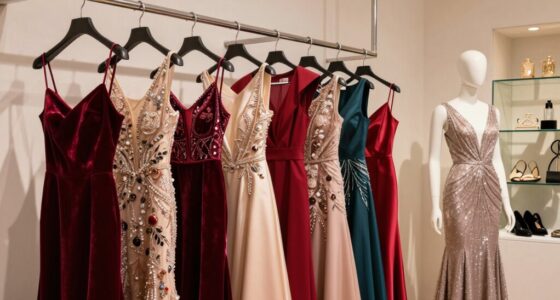
Product line expansion has become a key strategy for luxury brands like Coach and Michael Kors, allowing you to reach broader consumer segments and boost sales. By adding apparel, footwear, watches, and fragrances, they diversify offerings and increase basket size. This move taps into new markets and appeals to a wider audience, from aspirational shoppers to loyal brand fans. Expanding product categories also supports European cloud innovation by enabling brands to adapt quickly to changing consumer preferences across different regions. | Product Category | Impact on Brand Strategy |
| —————— | ————————————- |
|---|---|
| Apparel & Footwear | Broadened lifestyle appeal |
| Watches & Fragrances | Increased brand touchpoints |
| Accessories & Ready-to-Wear | Enhanced market presence |
This expansion not only attracts different customer types but also helps justify premium positioning while maintaining mass-market accessibility. It’s a calculated move to strengthen brand relevance and drive sustained growth.
Distribution Channel Strategies
To succeed in the competitive accessible luxury market, brands like Coach and Michael Kors have diversified their distribution channels and product offerings strategically. They’ve expanded beyond traditional retail to include multiple avenues, reaching broader audiences and boosting sales. You’ll see a mix of owned stores, wholesale partnerships, outlet stores, and e-commerce platforms that serve different customer segments. This approach maximizes market presence while maintaining brand visibility. Additionally, embracing Free Floating concepts allows for flexible and dynamic retail strategies that can adapt to changing consumer behaviors.
- Developing a robust online presence with direct-to-consumer channels
- Using outlet stores and off-price channels to increase volume
- Expanding international boutiques to capture global markets
These strategies help balance volume growth with brand positioning, ensuring long-term competitiveness in the evolving luxury landscape.
Positioning and Economics of Accessible Luxury
Accessible luxury brands strategically position themselves at the intersection of premium quality and attainable pricing, appealing to a broad consumer base seeking aspirational products without the exclusivity of high luxury. You’re targeting mass affluent consumers who want the look and feel of luxury but at lower price points. To achieve this, you leverage scale-driven unit economics, allowing for lower prices through higher volumes, unlike true luxury brands that rely on scarcity. However, this approach introduces pricing elasticity risks—frequent promotions can dilute perceived exclusivity and weaken long-term pricing power. You often create tiered offerings through mainline and diffusion lines to segment different customer cohorts. While revenue growth is achievable via expanded distribution and lower average selling prices, margins tend to compress, challenging the maintenance of luxury-like profitability. Additionally, understanding the market positioning of these brands helps balance accessibility with perceived value.
Marketing Strategies and Cultural Capital

You recognize how celebrity endorsements and media exposure boost brand visibility and create aspirational appeal. Fashion week appearances and strategic media placements elevate the brands’ fashion credibility and cultural relevance. These marketing moves reinforce the idea that accessible luxury can be both stylish and prestigious, attracting a broad yet discerning audience. Incorporating high-quality materials in their products further solidifies their status as luxury brands that remain accessible to a wider consumer base.
Celebrity Endorsements and Influence
Celebrity endorsements and media exposure have become central to the marketing strategies of brands like Coach and Michael Kors, as they seek to elevate their cultural capital and appeal to aspirational consumers. By leveraging celebrity influence, these brands create a glamorous, jet-set image that resonates with target audiences. You’ll notice how their collaborations with high-profile stars and strategic placements in lifestyle media boost brand visibility and desirability.
A new sentence with personal branding and the rest of the sentence.
Fashion Week and Media Presence
Fashion week and media presence have become essential tools for brands like Coach and Michael Kors to elevate their cultural capital and reinforce their positioning in the competitive landscape. By showcasing their collections on prominent runways, they signal a move toward higher fashion credibility, appealing to a more aspirational audience. Media coverage amplifies these efforts, generating buzz and aligning their brands with the latest trends. Strategic appearances at fashion weeks serve as platforms to communicate creative direction and brand evolution, while celebrity attendance and influential editors boost visibility. These events and media campaigns help balance mass-market accessibility with a sense of exclusivity, reinforcing their progression into “accessible luxury.” Ultimately, consistent media presence and runway visibility solidify their image as premium brands that remain relevant in a fast-changing fashion ecosystem.
Financial Performance and Strategic Growth

Both Coach and Michael Kors have experienced significant financial growth through aggressive expansion and strategic repositioning, though this has come with notable challenges. You’ve seen revenue soar—Coach hit around $6.7 billion in 2022—thanks to expanding product lines and global retail footprints. However, rapid growth also led to inventory glut and sales declines, especially for Michael Kors in the mid-2010s.
Coach and Michael Kors’ rapid growth brought soaring revenues but also inventory and sales challenges.
- They focused on store optimization, SKU rationalization, and boosting direct-to-consumer sales to improve margins.
- Mergers and acquisitions, like Tapestry’s acquisition of Capri Holdings, reshaped the competitive landscape.
- Turnaround strategies emphasized product curation, tighter distribution, and elevating brand storytelling to restore premium perception.
- Incorporating vacuum features such as product quality and brand reputation has been crucial for maintaining their status in the luxury market.
Consumer Trends and Market Challenges
As consumer preferences evolve, accessible luxury brands like Coach and Michael Kors face increasing market challenges. You’re competing in a crowded space where middle-class and aspirational shoppers seek premium-looking products at attainable prices, but this reduces perceived exclusivity. Channel commoditization and the booming resale market pressure long-term brand value, making it harder to maintain rarity. Sustainability and ethical production expectations also grow, risking reputational damage if not met. Additionally, intense competition from heritage luxury brands moving downmarket and fast-fashion players climbing up creates a squeeze on margins and positioning. To stay resilient, you need to balance scale with selective scarcity. This means tightening distribution, reducing promotions, and crafting storytelling that re-establishes your brand’s premium identity amid shifting consumer demands. Incorporating compassionate messaging and ethical considerations can further strengthen your brand’s reputation and appeal to socially conscious consumers.
Balancing Scale With Brand Prestige
To preserve brand prestige while scaling operations, accessible luxury brands like Coach and Michael Kors must carefully control their distribution and marketing strategies. Overexpansion risks diluting exclusivity, so they focus on selective placement and targeted campaigns. They limit distribution to flagship stores, flagship online platforms, and select high-end department stores to maintain a sense of rarity. Creative direction shifts, like elevated runway shows and curated collaborations, reinforce a premium image without overexposure. They adopt tiered product lines, balancing accessible options with exclusive capsules, to signal differentiation and protect brand value. Additionally, understanding the importance of auditory processing can help these brands craft more effective marketing communications that resonate with diverse customer needs. This careful balancing act helps them grow revenue while safeguarding the aspirational allure that defines luxury brands, ensuring long-term relevance without sacrificing prestige.
Frequently Asked Questions
How Did Coach and Michael Kors Redefine Luxury Branding Strategies?
You see that Coach and Michael Kors redefined luxury branding by shifting from heritage craftsmanship to broader lifestyle offerings, targeting mid-tier consumers with accessible price points. They expanded product lines, embraced celebrity endorsements, and increased global retail presence, all while balancing mass distribution with aspirational storytelling. This strategy allowed them to grow rapidly, but it also challenged their perceived exclusivity, making careful brand management essential to maintain luxury appeal.
What Role Did Celebrity Endorsements Play in Brand Repositioning?
Celebrity endorsements played a pivotal role in your brand repositioning by boosting visibility and aspirational appeal. When you leverage celebrities and influencers, you tap into their cultural capital, making your products more desirable and trendy. Their association with your brand creates a sense of prestige, helping you shift perceptions from accessible to more luxurious. This strategy also amplifies media exposure, reinforcing your brand’s new positioning and attracting a broader, more aspirational customer base.
How Did Expansion Impact the Brands’ Profitability and Market Share?
Expansion fueled their growth like a rocket soaring through the sky, increasing market share markedly. You see, by diversifying product lines and broadening distribution, both brands attracted more consumers and boosted revenue. However, this rapid growth also squeezed margins and sometimes led to overstock issues, threatening profitability. While expansion opened new markets, it required careful balance to sustain long-term profits and keep their brand’s allure intact amidst fierce competition.
What Challenges Do Mass-Accessible Luxury Brands Face in Maintaining Exclusivity?
You face the challenge of balancing broad distribution with maintaining exclusivity. As you expand into more outlets and use promotions to drive sales, your brand risks losing its premium appeal. Mass accessibility can dilute perceived rarity, making it harder to command higher prices and uphold brand prestige. To stay exclusive, you need to control distribution channels carefully, limit promotions, and craft storytelling that highlights your brand’s unique, aspirational qualities.
How Are These Brands Adapting to Sustainability and Ethical Production Demands?
Did you know that 70% of consumers now prioritize sustainability when choosing brands? You see, these brands are responding by sourcing eco-friendly materials, implementing fair labor practices, and increasing transparency. They’re also adopting eco-conscious packaging and reducing waste in production. By doing so, you can enjoy stylish products that align with your values, while these brands strengthen their reputation and meet the rising demand for responsible luxury.
Conclusion
You’ve seen how brands like Coach and Michael Kors shifted toward accessible luxury, making high-end fashion more attainable. Did you know that the global luxury market is expected to grow by over 4% annually through 2025? This surge shows how many people now crave that touch of prestige without the steep price tag. As you watch these brands expand, remember they’re redefining what luxury means—combining exclusivity with everyday accessibility for millions worldwide.