
The true cost of a luxury handbag goes far beyond its retail price. You pay for premium leather, exotic skins, and handcrafted details that require hours of skilled labor. Small batch production, exclusive hardware, and meticulous quality checks also add to expenses. Plus, costs like distribution, branding, and retail markups inflate the final price. If you want to discover how each element contributes to this perfection, keep exploring the details behind the craftsmanship.
Key Takeaways
- Luxury materials like exotic leathers and branded hardware significantly inflate production costs.
- Handcrafted craftsmanship and meticulous quality control increase labor expenses and overall pricing.
- Small batch production and custom components raise fixed costs, reducing economies of scale.
- Distribution, retail margins, and logistics add multiple layers of markup to the final price.
- Regulatory compliance, ethical sourcing, and certification fees further contribute to the true manufacturing cost.
The Raw Materials: Sourcing Luxury Leathers and Exotics
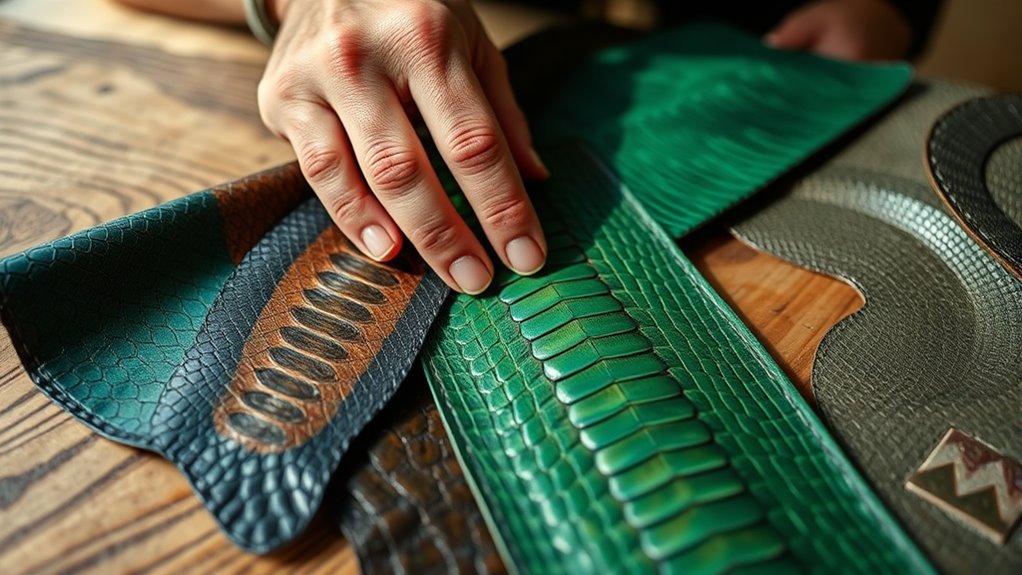
Luxury leathers and exotic hides form the foundation of high-end handbag materials, and sourcing these premium inputs is a complex, costly process. You’ll find calfskin and lamb leather commonly used, but exotic options like crocodile and ostrich markedly raise material costs—sometimes by multiple times. Hardware such as zippers, clasps, and rivets also add to expenses, especially when branded or plated in gold, costing $10 to over $200 per bag. The materials require specialized sourcing from Italian tanneries, regulated exotic-skin supply chains, and certification fees that increase costs. Small-batch or custom components, including signature locks or bespoke patterns, further inflate expenses due to tooling and low-volume production. These premium inputs are essential for achieving the luxury aesthetic and exclusivity that defines high-end handbags. Additionally, ensuring ethical sourcing and compliance with international regulations adds another layer of cost complexity to the procurement process.
Artisanal Craftsmanship: The Skill and Time Behind Each Bag

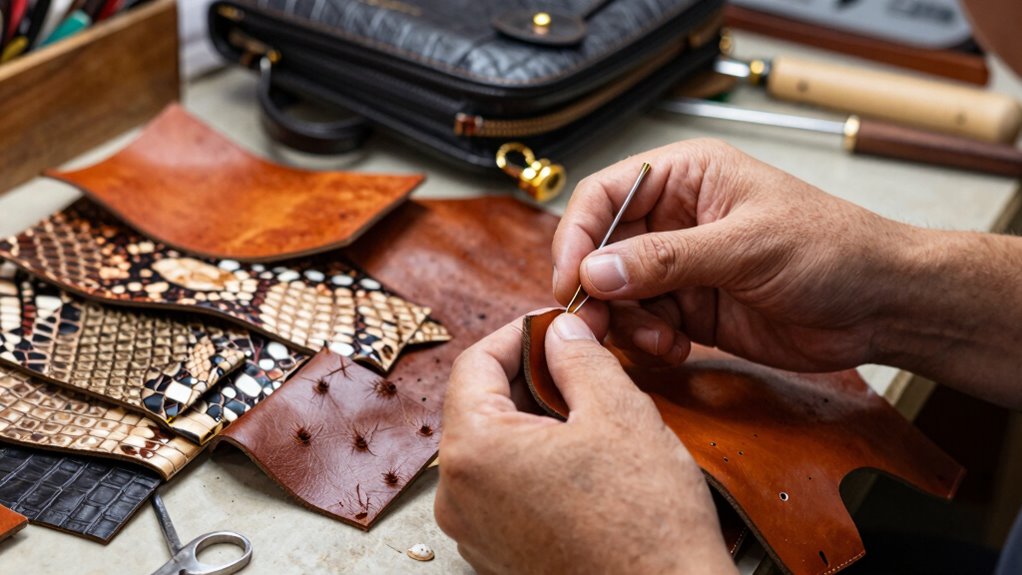
You see, crafting each luxury bag requires meticulous hand assembly, often taking between 18 to 48 hours depending on the detail. Skilled artisans command high wages because their expertise guarantees every stitch and finish meets strict standards. The finishing touches, like hand-stitching and edge burnishing, add time and precision that amplify the bag’s craftsmanship and value. Additionally, incorporating high-quality materials ensures durability and elevates the bag’s luxury status.
Hand Assembly Precision
Hand assembly precision is the cornerstone of artisanal craftsmanship, requiring meticulous attention to detail and a high level of skill from each artisan. Your focus on every stitch, fold, and finish guarantees the bag’s quality and exclusivity.
Consider these key factors:
- Time Investment: Each bag can take 18 to 48 hours to assemble, depending on materials and complexity.
- Hand-Stitching: Skilled artisans use hand-stitching techniques that demand consistent tension and alignment, elevating quality.
- Finishing Touches: Edges are burnished and surfaces carefully polished, adding durability and a refined look.
- Traditional Techniques: Many artisans employ traditional craftsmanship methods passed down through generations, ensuring authenticity and superior quality.
This level of precision results in higher labor costs and longer production times but guarantees the craftsmanship that defines luxury. It’s this dedication that justifies the price of each meticulously assembled piece.
Skilled Artisan Wages
Skilled artisan wages markedly impact the cost of creating high-end handbags because these craftsmen possess specialized expertise that commands premium pay. Each bag requires hours of meticulous work—hand-stitching, edge finishing, and burnishing—that only highly trained artisans can perform. Their wages reflect not just time but the craftsmanship and precision needed to meet luxury standards. Since many brands rely on single artisans completing whole bags, labor costs stay high, especially in regions with elevated wages. Additionally, ongoing training, quality checks, and craftsmanship certification add to expenses. Because production volumes are low, these wages are amortized across fewer units, further increasing per-bag costs. This premium labor directly influences the final retail price, ensuring that each bag carries the mark of artisanal mastery. Moreover, artisanal craftsmanship emphasizes the importance of skill and time dedicated to each piece, which is a key factor in the luxury handbag’s price.
Finishing and Detailing
Finishing and detailing are essential steps that elevate a handbag from simply well-made to a true piece of artisanal craftsmanship. You’ll notice that these steps involve meticulous work that demands patience and skill. Here are three key aspects:
- Hand-stitching and burnishing: Each stitch is carefully executed to ensure durability and aesthetic appeal, adding hours of labor.
- Edge finishing: Applying edge paint or burnishing creates a seamless look, requiring precision and multiple layers for a polished finish.
- Hardware attachment and polishing: Fitting branded or precious metal components involves careful hand-placement and polishing to ensure flawless integration.
- The entire process benefits from craftsmanship, which ensures that every detail is refined to perfection.
This detailed work not only enhances the beauty but also increases the time and expertise required, considerably raising the bag’s overall cost.
Manufacturing Scale and Its Impact on Cost Efficiency

Your production volume directly influences manufacturing costs, as low output keeps fixed costs spread over fewer units, raising per-item expenses. Outsourcing components to specialized suppliers can lower some costs but introduces logistics and quality challenges, while in-house production offers tighter control at higher upfront investments. Understanding how scale impacts efficiency helps explain why luxury brands often limit production to preserve exclusivity and quality. Economies of scale play a crucial role in reducing per-unit costs as production increases.
Production Volume Effects
Production volume plays a critical role in determining the cost efficiency of manufacturing luxury bags. When you produce in small quantities, your per-unit costs skyrocket because fixed expenses are spread across fewer items. Here’s how it impacts you:
- Higher Fixed Costs: Tooling, pattern creation, and prototypes cost more per bag when produced in limited runs.
- Limited Economies of Scale: Mass production reduces costs through bulk purchasing of materials and streamlined processes, which you miss out on with small batches.
- Increased Overheads: Scarcity-driven production limits volume, forcing you to absorb higher labor, quality control, and logistics expenses per bag.
This combination keeps prices high and production exclusive, emphasizing craftsmanship over mass efficiency.
Fixed Cost Allocation
Smaller manufacturing runs mean that fixed costs—such as tooling, pattern development, and setup expenses—are spread over fewer units, causing the per-bag cost to rise considerably. Because you’re producing limited quantities, these costs aren’t amortized across many pieces, making each bag more expensive to produce. When you scale up, those fixed costs are distributed over a larger number of units, lowering the cost per bag and improving overall efficiency. Luxury brands often deliberately keep production small to maintain exclusivity, but this approach inflates per-unit costs. You’ll find that bespoke models or limited editions face markedly higher fixed cost allocations, which directly impact the final retail price. Additionally, effective filtration and pump protection can help reduce maintenance costs and prevent delays in production. Ultimately, limited scale means higher costs, reinforcing the rarity and premium status of each handbag.
Outsourcing vs. In-House
How a luxury brand chooses between outsourcing components and handling manufacturing in-house dramatically influences cost efficiency and quality control. Outsourcing can lower costs for hardware, linings, and other parts, but adds logistics and quality management challenges. In contrast, in-house production offers tighter control over craftsmanship and exclusivity but involves higher upfront investments and capacity constraints. Consider these key points:
- Scale Economies: High-volume mass production reduces per-unit costs, while small batches for iconic models increase costs due to fixed expenses.
- Quality Control: In-house manufacturing ensures consistent standards, whereas outsourcing requires rigorous oversight to maintain brand integrity.
- Flexibility & Exclusivity: Outsourcing offers agility for limited editions, but in-house production preserves craftsmanship and brand prestige. Additionally, Free Floating practices can influence how brands adapt their manufacturing strategies to meet sustainability and efficiency goals.
Your choice impacts not just costs but also the brand’s exclusivity and reputation.
The Role of Specialized Components and Custom Hardware
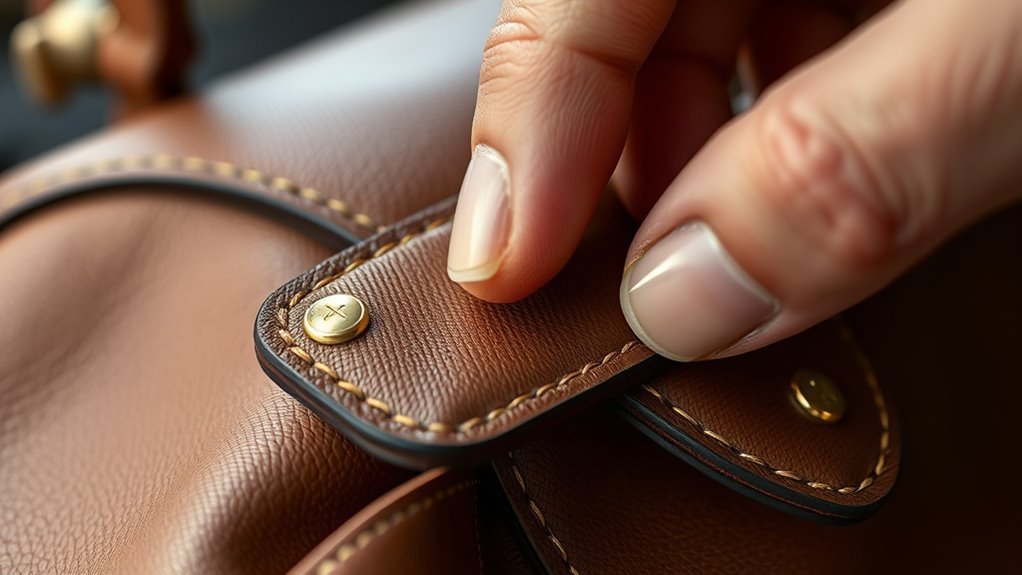
Specialized components and custom hardware play a crucial role in defining the exclusivity and craftsmanship of luxury bags. You’ll notice that high-end hardware—branded zippers, gold-plated clasps, engraved rivets—adds significant cost per unit, often ranging from $10 to over $200. Custom locks and bespoke fittings require precise tooling, low-volume production, and skilled artisans, raising manufacturing expenses. These elements aren’t just decorative; they’re integral to the bag’s identity and durability. Premium finishes, such as signature hardware or exotic metals, elevate the perceived value but also inflate costs. Sourcing these components from specialized suppliers or certification programs further drives up expenses. Every custom detail, crafted with care and precision, enhances the bag’s exclusivity—yet it also contributes substantially to its price tag. Additionally, the use of specialized components ensures the bag maintains its quality and longevity over time.
Overheads and Operating Expenses in a Luxury Brand
Overheads and operating expenses in a luxury brand considerably influence the final price of its products, often surpassing manufacturing costs by multiple factors. These costs include essential activities that support brand exclusivity and market presence. You are trained on data up to October 2023. Understanding the mechanics of brand management plays a crucial role in comprehending how these expenses are allocated and justified.
Navigating Regulations, Ethical Sourcing, and Supply-Chain Transparency
Guiding regulations, ethical sourcing, and supply-chain transparency are increasingly critical for luxury brands to maintain their reputation and comply with global standards. You must navigate complex legal frameworks like CITES permits for exotic skins, which involve meticulous paperwork, inspections, and higher sourcing costs. Ethical sourcing commitments, such as animal welfare audits and traceability programs, raise procurement expenses and administrative burdens. Anti-counterfeit measures, serialization, and authentication—like RFID tags and certificates—add per-unit costs. Trade policies, tariffs, and logistical disruptions impact material prices and delivery timelines, requiring careful planning. Sustainability initiatives, including eco-friendly tanning and recycled linings, further increase costs. Staying transparent about these efforts helps protect brand integrity and meets consumer expectations while balancing the true costs of maintaining luxury standards.
How Pricing Strategies Reflect Brand Positioning and Market Demand

Pricing strategies in the luxury handbag market are driven primarily by brand positioning and consumer demand, rather than just production costs. You, as a buyer, pay not only for materials and craftsmanship but also for the prestige and exclusivity the brand projects. Here are three key ways this influences pricing:
Luxury handbag prices are shaped by brand prestige, scarcity, and storytelling, not just production costs.
- Scarcity and Limited Editions: Limited runs increase desirability, allowing brands to set higher prices.
- Heritage and Brand Narrative: Strong storytelling adds perceived value, justifying premium markups.
- Distribution and Retail Markups: Exclusive boutiques and curated channels maintain a sense of rarity, raising retail prices.
Ultimately, your willingness to pay is shaped by how the brand positions itself, the perceived craftsmanship, and the status associated with owning the piece.
The Hidden Costs of Quality Control and Finishing Techniques

You’ll find that achieving perfect hand-stitching, precise edge finishing, and thorough quality inspections substantially add to costs. Each step demands skilled craftsmanship and extra time, which drive up labor expenses and slow production. These hidden costs ensure only the best products meet the highest standards, but they also impact the final price.
Hand-Stitching Precision
Hand-stitching precision is a crucial but often overlooked factor that considerably elevates the quality and cost of luxury handbags. Achieving perfect stitches requires skilled artisans, specialized tools, and meticulous attention to detail. Here are three key reasons why this precision adds to the cost:
- Skilled craftsmanship – artisans spend hours carefully hand-stitching each piece, ensuring durability and aesthetic perfection.
- Time-intensive process – meticulous stitching extends production time, reducing overall throughput and increasing labor costs.
- High-quality materials and tools – fine threads and precision needles used for flawless stitches are more expensive, adding to material costs.
This level of craftsmanship guarantees a seamless, durable finish that justifies the hefty price tag, but it also means significant investment in skilled labor and time.
Edge Finishing Techniques
Edge finishing techniques are essential for ensuring the durability and aesthetic excellence of luxury handbags, but they also add considerable hidden costs. You’ll need specialized tools, high-quality edge paints, and adhesives that often come at premium prices. Skilled artisans spend hours hand-sanding, burnishing, and applying precise coatings to achieve seamless, polished edges. These processes require meticulous attention to detail, increasing labor time and costs. Furthermore, complex edge treatments like piping, lacquered edges, or painted finishes demand additional materials and multiple application layers, further raising expenses. Small batch production amplifies these costs, as specialized finishes aren’t scalable. All these steps elevate both material and labor costs, underscoring how rigorous edge finishing, while essential to luxury standards, markedly drives up the overall price.
Quality Inspection Rigor
Because luxury handbags demand impeccable quality, rigorous inspection processes are integral to maintaining brand standards. You’ll find that every detail undergoes meticulous scrutiny, adding considerable costs and time. Here are three key aspects that highlight the importance—and expense—of quality inspection:
- Multiple Inspection Stages: Each bag is checked at various points—pre-assembly, post-assembly, and finishing—to catch flaws early, increasing labor hours.
- Skilled Quality Control Staff: Trained artisans or inspectors, often with specialized expertise, verify stitching, hardware, and surface finishes, raising labor costs.
- Detailed Finishing Checks: Hand-finished details like edge paint, burnishing, and hardware placement are scrutinized multiple times to ensure perfection, further extending production time.
These rigorous inspections maintain quality but considerably inflate production costs, ensuring only the highest standards are met.
Distribution, Retail Markups, and the Path to the Final Price
The journey from a luxury handbag’s production to its final sale price involves multiple layers of markup that considerably inflate the original manufacturing costs. You’ll find that distribution channels, including wholesale partners and retail boutiques, add significant margins. Retailers often mark up prices 2 to 3 times the wholesale cost to cover their expenses and profit. Brand premiums, driven by marketing, exclusivity, and heritage, further elevate the price. Shipping, customs, and logistics costs also contribute, especially when dealing with exotic materials or international markets. Seasonal discounts or promotions temporarily lower prices, but the overall retail price remains high. Ultimately, each step adds value—and profit margins—that transform a handcrafted piece into a luxury item with a price tag that reflects both craftsmanship and market positioning.
Resale Value and the Economics of Scarcity and Exclusivity
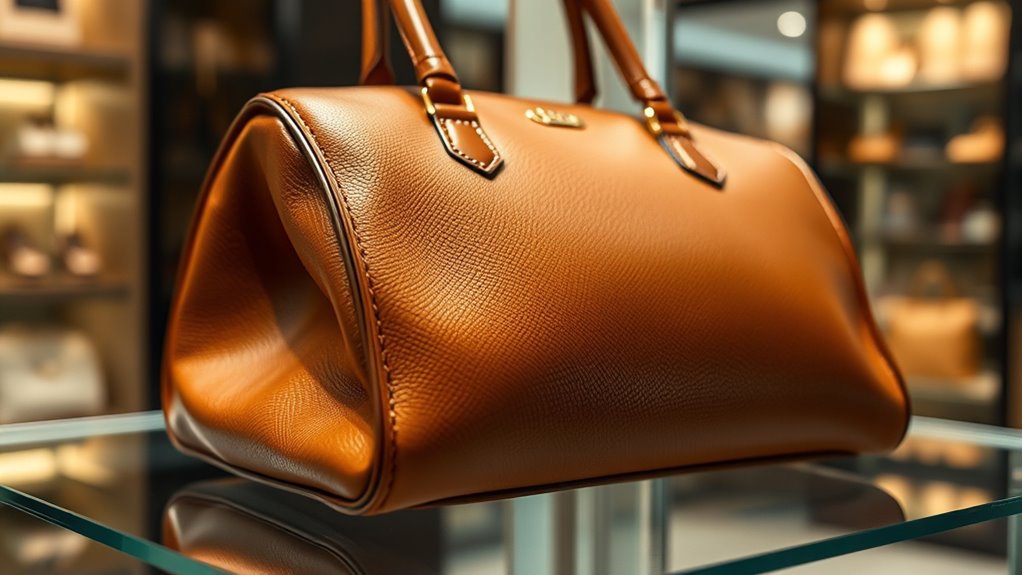
Resale value plays a significant role in shaping the overall economics of luxury handbags, especially when scarcity and exclusivity drive demand. You’ll find that limited editions, iconic models, and brands with strong secondary markets boost perceived long-term worth. Consider these key factors:
- Rarity and Limited Runs: Scarcity increases desirability, making bags more valuable over time.
- Brand Heritage and Prestige: Brands with a storied history tend to hold or appreciate in value, attracting collectors.
- Authenticity and Certification: Verified pieces with proper documentation sustain higher resale prices, enhancing investment appeal.
Frequently Asked Questions
How Do Exotic Skin Sourcing Regulations Affect Handbag Prices?
Exotic skin sourcing regulations increase handbag prices by adding extra costs for paperwork, inspections, and compliance. You’ll pay more because brands need permits like CITES, and they must guarantee ethical sourcing and traceability. These regulations also slow down procurement and raise administrative expenses. As a result, the higher costs are often passed onto you in the retail price, making luxury bags with exotic skins more expensive due to these legal and ethical requirements.
Why Are Some Luxury Bags Handcrafted Over Several Days?
You’re holding a masterpiece, crafted over several days like a symphony of skill and patience. Handcrafting luxury bags requires meticulous attention to detail, with artisans dedicating 18 to 48 hours to each piece. Every stitch, edge finish, and hardware placement demands precision, ensuring the final product reflects exceptional quality. This labor-intensive process preserves exclusivity, showcases craftsmanship, and elevates the bag’s value beyond just material worth, making it a true work of art.
How Do Small Production Runs Increase Per-Unit Manufacturing Costs?
Small production runs increase your per-unit costs because you can’t spread fixed expenses like tooling, prototypes, and setup across many items. Each bag requires custom patterns, specialized labor, and unique components, which cost more per piece. Additionally, low volume manufacturing means less efficiency and economies of scale, so your overall costs rise markedly. This scarcity and craftsmanship elevate the handbag’s exclusivity, but also its price.
What Role Do Bespoke Hardware and Custom Components Play in Pricing?
Bespoke hardware and custom components are like jewelry accents on a masterpiece—they add sparkle but also cost. When you choose unique clasps, signature locks, or exotic materials, it’s as if you’re adding intricate embroidery to a fine tapestry. These elements require specialized craftsmanship, tooling, and sourcing, which drive up the price. Your luxury bag becomes a one-of-a-kind creation, with each bespoke detail elevating its exclusivity—and its cost.
How Do Brand Marketing and Exclusivity Influence Retail Pricing Strategies?
You see, brand marketing and exclusivity substantially boost retail prices because they create perceived value and desirability. When you associate a handbag with prestige, celebrity endorsements, or limited editions, you’re willing to pay more. Luxury brands leverage their heritage and scarcity to justify premium pricing, making their products seem more than just functional—they’re symbols of status. This strategy allows brands to set higher margins, regardless of actual production costs.
Conclusion
Behind every luxury handbag lies a tapestry of costs, like threads woven into a masterpiece. You now see that perfection isn’t just about beauty, but the delicate balance of raw materials, craftsmanship, and brand storytelling. It’s a symphony where each note adds to the final price, making it more than just a bag — it’s a symbol of passion, patience, and precision. When you carry one, you’re holding a piece of art crafted with unwavering dedication.