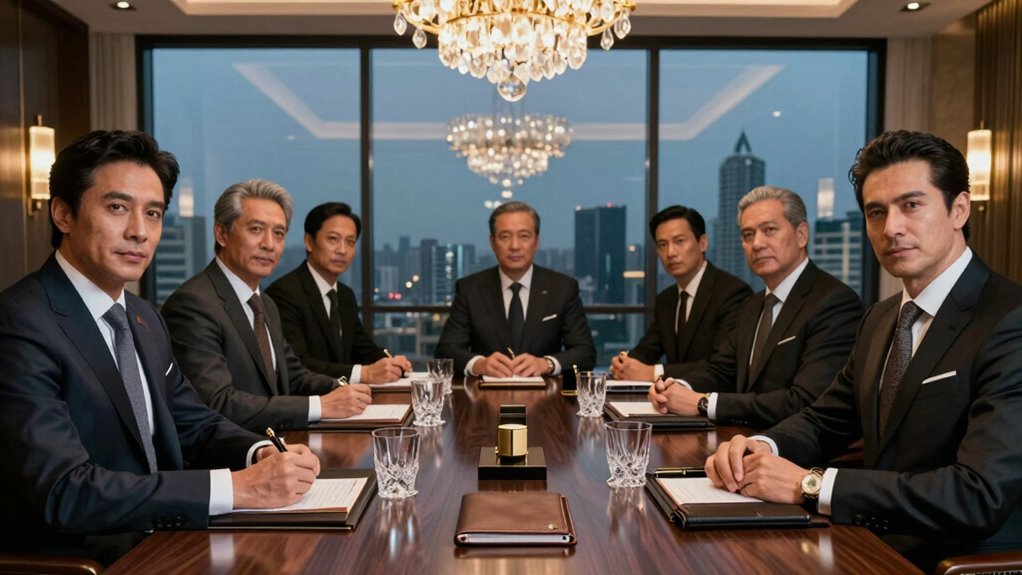

Meet the giants behind luxury fashion’s biggest names—Bernard Arnault, who transformed LVMH into a global empire with brands like Louis Vuitton and Dior; Amancio Ortega, revolutionizing fast fashion with Zara’s rapid turnaround; the Bettencourt family, whose wealth stems from L’Oréal’s beauty dominance; and the Wertheimer brothers, preserving Chanel’s exclusivity. These moguls combine heritage, innovation, and strategic vision to sustain their brands’ legacy. If you continue exploring, you’ll discover even more about how they shape the industry’s future.

Get your wardrobe favorites delivered free — and shop member deals
- Fast, free delivery on millions of items
- Access to Prime Big Deal Days deals on October 6–7
- Prime Video, Amazon Music and more included
Key Takeaways
- The top luxury brands like Louis Vuitton, Chanel, and Hermès have valuations exceeding $30 billion, driven by heritage, craftsmanship, and exclusivity.
- Industry titans such as Bernard Arnault, Amancio Ortega, and the Bettencourt family lead these brands with strategic focus on branding, innovation, and market expansion.
- Luxury brand valuations grow through storytelling, heritage preservation, and maintaining high levels of exclusivity and consumer trust.
- Emerging trends include digital transformation, sustainability, and balancing exclusivity with broader accessibility.
- The industry faces challenges from fast fashion, e-commerce, and ethical concerns, shaping future strategies for luxury moguls.
Bernard Arnault and the Rise of LVMH

Bernard Arnault’s strategic vision transformed LVMH from a luxury goods company into the world’s largest and most influential conglomerate. You see, he focused on acquiring iconic brands like Louis Vuitton, Christian Dior, and Fendi, then expertly managed each to preserve their unique identities. Arnault’s approach wasn’t just about buying companies; it was about elevating them, creating a luxury empire that dominates globally. His knack for spotting undervalued brands and turning them into powerhouse labels fueled rapid growth. He also emphasized brand storytelling and exclusivity, which resonate deeply with high-end consumers. Under his leadership, LVMH expanded its portfolio, outpacing competitors and setting new standards in luxury. His vision transformed the company into a symbol of prestige and innovation, shaping the future of the luxury industry. Moreover, his emphasis on brand management and strategic acquisitions allowed LVMH to maintain its dominance in the ever-evolving luxury market.
Amancio Ortega’s Dominance in Fast Fashion

How did Amancio Ortega come to dominate the fast-fashion industry? You might say his success stems from a keen understanding of consumer trends and supply chain efficiency. Ortega founded Inditex in 1985, focusing on rapid production and quick turnaround times. He revolutionized retail by implementing Just-in-Time inventory, reducing costs, and offering trendy clothing at affordable prices. Zara, his flagship brand, responds to fashion cycles faster than traditional brands, giving you fresh styles weekly. Ortega’s emphasis on data-driven decisions and global store locations helped expand his reach across continents. By prioritizing speed and accessibility, he disrupted the fashion world, making fast fashion the dominant segment. Today, Ortega’s influence is unmatched, with Inditex controlling the world’s largest fashion retail chain. fast fashion has become a defining characteristic of his empire, illustrating how adaptability and operational efficiency can reshape an industry.
The Wealth Behind L’Oréal and the Bettencourt Legacy
The Bettencourt family’s wealth is anchored in the legacy of L’Oréal, the world’s largest cosmetics company. As an heir, Françoise Bettencourt Meyers chairs the family holding firm, ensuring the brand’s continued dominance. Her net worth, estimated at $81 billion, reflects her stake in L’Oréal’s global success. You see, the company’s growth stems from innovative skincare, fragrances, and beauty products that have become household names. The Bettencourt legacy is rooted in maintaining a delicate balance: honoring its heritage while expanding into new markets. Their influence extends into luxury fragrances and fashion-adjacent beauty brands. As a key figure in the industry, Françoise guides long-term strategy, safeguarding her family’s wealth and the brand’s prestige amidst shifting consumer tastes. Additionally, color accuracy plays a crucial role in the appeal of their beauty products, ensuring that consumers receive a true representation of colors and shades.
The Private Empire of the Wertheimer Brothers

You see, the Wertheimer brothers keep Chanel’s heritage alive by staying private and focusing on exclusivity. They carefully balance tradition with modernity, ensuring the brand’s timeless appeal remains intact. It’s this commitment to preserving legacy that keeps Chanel at the top of the luxury world. Their keen attention to attention to detail ensures every aspect of the brand aligns with their high standards and vision.
Preserving Heritage and Legacy
Although the Wertheimer brothers keep their operations private, their influence on Chanel’s legacy is undeniable. They prioritize maintaining the brand’s timeless elegance and exclusivity, carefully guarding its heritage. By controlling key aspects of production and distribution, they guarantee Chanel’s identity remains authentic and prestigious. The brothers resist mass-market pressures, focusing instead on craftsmanship and tradition, which solidifies Chanel’s reputation. They also avoid public controversies that could tarnish the brand’s image, emphasizing discretion and long-term stability. Their stewardship ensures the company’s values endure across generations. In doing so, they protect Chanel’s heritage while adapting subtly to modern trends, ensuring the brand’s relevance without compromising its core essence. Their approach keeps Chanel both iconic and enduring in the luxury world. Additionally, their commitment to Free Floating principles allows them to sustain the brand’s exclusivity and appeal to discerning clientele.
Maintaining Brand Exclusivity
Maintaining brand exclusivity requires the Wertheimer brothers to carefully control every aspect of Chanel’s operations, from production to distribution. They limit access to Chanel’s products, ensuring only select boutiques and high-end department stores carry the brand. This tight control prevents dilution of the brand’s luxury status and preserves its cachet. The brothers also restrict the number of pieces produced, especially in haute couture and limited-edition collections, creating scarcity. Additionally, they keep the company private, avoiding public shareholders or aggressive marketing campaigns that could weaken Chanel’s exclusivity. By fiercely guarding the brand’s heritage and carefully managing its image, the Wertheimer brothers ensure Chanel remains a symbol of timeless elegance and elite appeal, maintaining its position at the top of the luxury world. European cloud innovation plays a role in supporting sustainable practices within the luxury industry by enabling secure and energy-efficient digital infrastructure.
Valuation of Iconic Luxury Brands

You can see that brand value growth considerably boosts a luxury company’s worth, with Chanel’s valuation increasing by 45%. The top brands like Louis Vuitton and Hermès dominate the market, reflecting the power of their brand equity. Understanding how these brands maintain their prestige helps explain their impressive valuations and influence in the industry. Additionally, the strategic use of brand diversification ensures these companies remain resilient amid market fluctuations.
Brand Value Growth
Have you noticed how the valuations of iconic luxury brands have skyrocketed in recent years? This growth reflects their strong global appeal, strategic brand management, and limited production to maintain exclusivity. Louis Vuitton’s value surged from $32.9 billion to over $40 billion, driven by innovative designs and expanding markets. Chanel’s brand value increased by 45%, emphasizing the power of heritage and craftsmanship. Hermès remains a top contender with a valuation of $30.4 billion, thanks to its focus on quality and exclusivity. Dior’s valuation hit $17 billion, bolstered by its strong brand image and product diversification. These rising valuations demonstrate how luxury brands leverage brand perception, storytelling, and customer loyalty to boost worth, even amid industry challenges. Your understanding of this growth reveals how these brands sustain their premium status. Additionally, the brand value growth of these companies is often supported by their ability to create a sense of scarcity and desirability that appeals to affluent consumers.
Top Valued Brands
What are the most valuable luxury brands today? You’ll find Louis Vuitton leading the pack, with a brand value soaring to about $40.7 billion, reflecting its global prestige. Chanel follows closely, valued at roughly $37.9 billion, thanks to its timeless appeal and exclusivity. Hermès holds strong at around $30.4 billion, renowned for craftsmanship and rarity. Dior stands out with a valuation of approximately $17 billion, driven by its powerful brand identity. Gucci, another key player, is valued at about $13 billion, emphasizing its influence in fashion. These brands’ high valuations stem from their iconic status, loyal customer base, and strategic branding. As a result, they generate immense revenue and continue to shape the luxury landscape, attracting the world’s wealthiest and most discerning consumers. Additionally, brand valuation is a crucial metric that reflects their market dominance and consumer trust.
Impact of Brand Equity
The impressive valuations of luxury brands like Louis Vuitton, Chanel, and Hermès directly reflect their powerful brand equity, which influences consumer perceptions and purchasing decisions. You see, this equity is built on timeless craftsmanship, exclusivity, and a strong heritage that resonates globally. It creates a sense of trust and desire, making consumers willing to pay premium prices. Imagine:
- An iconic logo that instantly signals luxury and status
- Limited-edition collections that evoke exclusivity and urgency
- Heritage stories that deepen emotional connections and loyalty
This brand strength boosts valuation, attracts high-net-worth clients, and sustains market dominance. It’s not just about products; it’s about the perception and emotional value that keep these brands at the top of the luxury hierarchy. Additionally, brand identity plays a crucial role in maintaining this powerful perception, ensuring long-term success.
Industry Trends and Challenges Facing Luxury Moguls

Luxury moguls face a shifting landscape marked by evolving consumer preferences, increased competition, and heightened scrutiny over ethical practices. You need to stay agile as customers demand more transparency, sustainability, and authentic storytelling. The rise of fast fashion and e-commerce intensifies rivalry, pushing you to innovate while protecting brand exclusivity. Meanwhile, scandals involving labor abuses or environmental harm threaten reputations and sales, forcing you to prioritize ethical standards. Pricing strategies now rely more on brand prestige than quality alone, complicating profit margins. Additionally, geopolitical tensions and economic downturns can disrupt global markets, challenging your expansion plans. To succeed, you must adapt quickly, balancing tradition with innovation, maintaining brand integrity, and addressing social responsibility—all while steering through a complex, competitive landscape.
The Future of Fashion’s Wealthiest Leaders

As the fashion industry evolves, the world’s wealthiest leaders are poised to adapt their strategies to new challenges and opportunities. You’ll see them embracing digital transformation, prioritizing sustainability, and steering geopolitical shifts. Expect to witness:
- Innovative digital campaigns and virtual boutiques that redefine shopping experiences
- Investments in eco-friendly materials and ethical manufacturing to meet consumer demand
- Strategic alliances across industries, expanding luxury’s reach into tech and lifestyle
These leaders will leverage their brand heritage while staying agile, ensuring relevance in a rapidly changing landscape. They’ll balance maintaining exclusivity with broader accessibility, all while safeguarding their wealth through savvy diversification. The future demands bold vision, adaptability, and a focus on long-term sustainability—traits that will define the next generation of fashion’s richest moguls.
Frequently Asked Questions
How Do Luxury Moguls Maintain Exclusivity Amid Mass-Market Competition?
You maintain exclusivity by carefully controlling brand image and limiting product availability. You focus on high-quality craftsmanship, heritage, and unique designs that appeal to a select clientele. You also use strategic pricing, limited editions, and personalized services to create a sense of rarity. By keeping your brand’s aura prestigious and avoiding mass-market appeal, you guarantee your luxury status stays intact, even amid fierce competition.
What Strategies Do These Billionaires Use to Grow Their Brand Portfolios Rapidly?
You can grow your brand portfolios rapidly by making strategic acquisitions like Arnault, who owns over 75 brands, and expanding through targeted brand management. Focus on innovation and maintaining high brand value, as seen with Louis Vuitton and Dior. Leveraging market trends and consumer demand helps boost growth. Building a strong reputation and exclusive image attracts new customers, while diversifying your offerings guarantees resilience across different luxury segments.
How Are Ethical Labor Practices Influencing High-End Fashion Brands’ Reputations?
You might notice that ethical labor practices increasingly influence high-end fashion brands’ reputations. When brands address scandals or improve working conditions, you see a boost in consumer trust and loyalty. Conversely, neglecting these issues can damage their image and sales. As a result, luxury brands now prioritize transparency and fair labor standards, knowing that your perception of their ethics heavily impacts their success and prestige in the global market.
What Role Does Innovation Play in Sustaining the Wealth of These Fashion Tycoons?
Innovation plays a vital role in maintaining your wealth as a fashion tycoon by keeping your brands relevant and competitive. You constantly invest in new designs, sustainable materials, and digital experiences to attract modern consumers. Embracing technology, like AI and e-commerce, helps you expand globally and optimize operations. This continuous innovation not only boosts sales but also preserves your brand’s exclusivity, ensuring your wealth grows with evolving market trends.
How Do Market Shifts Impact the Long-Term Value of Luxury Brand Empires?
Market shifts can considerably impact your luxury brand empire’s long-term value. When consumer preferences change or economic downturns occur, sales may decline, affecting profits and brand prestige. You need to stay adaptable, innovate, and manage risks carefully. Strategic acquisitions or diversifications can help cushion these impacts. By anticipating trends and maintaining exclusivity, you guarantee your brands remain desirable, safeguarding your wealth even amid unpredictable market fluctuations.
Conclusion
As you reflect on these fashion titans, you can see how their visionary approach gently shapes a world of elegance and innovation. Their stories remind you that behind every luxury brand lies a delicate balance of ambition and tradition, quietly steering the industry’s future. While their wealth whispers of success, it’s their passion and perseverance that truly illuminate the artistry behind these iconic names. In this quiet pursuit, the future of fashion’s billionaires continues to unfold gracefully.
Fall Picks
fall essentials
As an affiliate, we earn on qualifying purchases.
![10 Things To Do For This Saturday in L.A. [7-4-2026]](https://itsfashionhub.com/wp-content/uploads/2026/07/10-things-to-do-for-this-saturday-in-l-a-7-4-2026-featured-560x300.jpg)