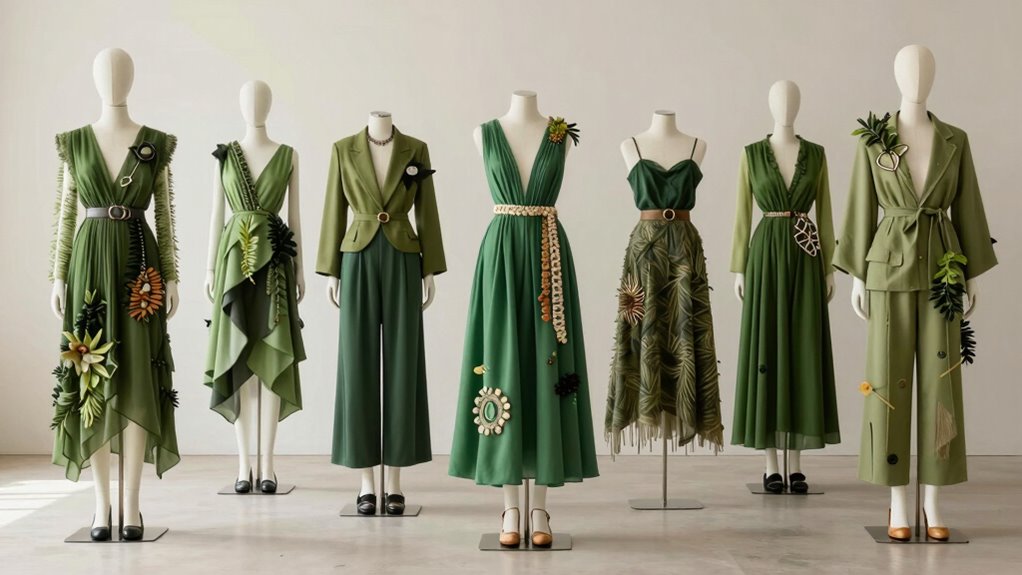

Luxury brands like Stella McCartney, Chloé, Gabriela Hearst, Marine Serre, and Reformation lead the way in sustainable fashion by adopting eco-friendly materials, upcycling waste fabrics, and ensuring transparent supply chains. They focus on reducing environmental impact through innovative techniques like deadstock fabric use, circular economy practices, and carbon-neutral shows. These pioneers are reshaping luxury style with responsible practices, and exploring their approaches will reveal how high-end fashion can be both glamorous and eco-conscious.
Key Takeaways
- Stella McCartney champions cruelty-free design with vegetarian leathers, recycled materials, and transparent supply chains.
- Chloé achieved B Corp certification, ensuring measurable social and environmental impact through third-party accountability.
- Gabriela Hearst hosts carbon-neutral runway shows and uses sustainable fibers and deadstock fabrics to minimize waste.
- Marine Serre focuses on upcycling waste fabrics into high-fashion pieces, emphasizing eco-futurist design.
- Reformation promotes circularity via product footprint labels, repair programs, and sustainable material use.
Stella McCartney’s Pioneering Sustainability Initiatives
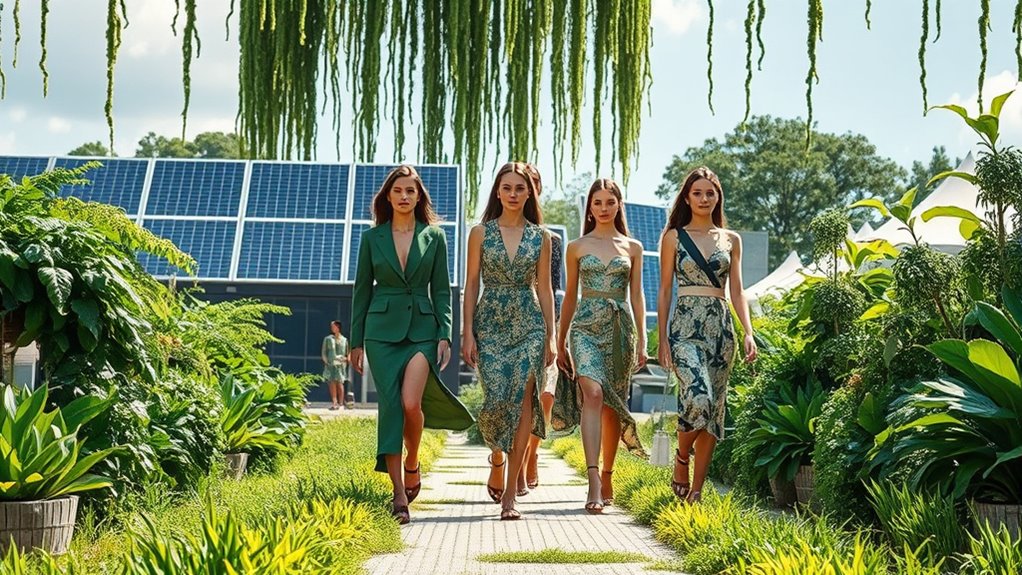
Stella McCartney has long set the standard for sustainability in luxury fashion, pioneering initiatives since the brand’s inception. You’ll notice her no-leather and no-fur policy from day one, emphasizing cruelty-free design. She’s a trailblazer in using vegetarian leathers and recycled materials, reducing reliance on animal products and virgin resources. Her focus on material innovation includes incorporating plant-based alternatives, like bio-leathers and mycelium, into her collections. You’ll also find her championing circularity through deadstock upcycling and sustainable fibers such as Lyocell. Additionally, Stella’s commitment extends to transparent supply chains, with detailed reporting on environmental impacts. By integrating these practices, she proves that luxury and sustainability can coexist, inspiring the entire industry to adopt more responsible, eco-conscious approaches.

Chloé demonstrates a strong commitment to verified social and environmental impact by actively pursuing third-party certifications that guarantee accountability and transparency. In 2021, it became the first major luxury house to achieve B Corp certification, proving its dedication to high social and environmental standards. This certification requires rigorous assessment of its practices, from sourcing to labor conditions. Chloé also discloses detailed supply chain information, including factory locations and supplier lists, to enhance traceability. Additionally, the brand reports its product footprints, such as carbon emissions and water use, allowing consumers to make informed choices. These steps underscore Chloé’s focus on measurable impact and accountability, setting a clear example for the industry’s shift toward genuine, verified sustainability. European cloud solutions support transparency and sustainable practices across industries, including fashion.
Gabriela Hearst’s Carbon-Neutral Runway and Material Innovations
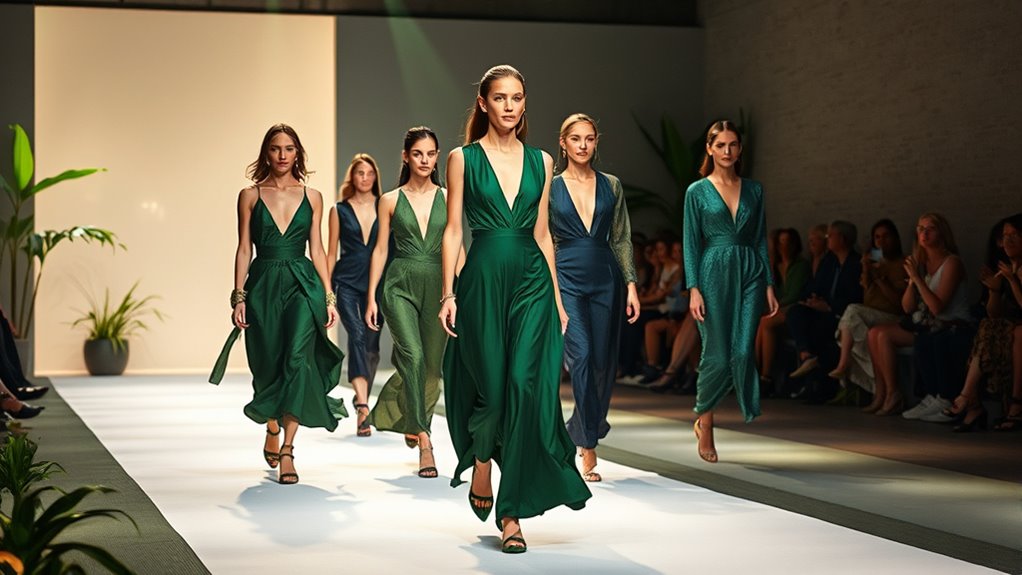
Gabriela Hearst elevates sustainability by integrating innovative material practices with her commitment to reducing environmental impact. She leads the way with carbon-neutral runway shows, ensuring her presentations leave no ecological footprint. Her collection heavily relies on deadstock fabrics and sustainable fibers, minimizing textile waste and resource consumption. Hearst collaborates on compostable packaging solutions, reducing plastic waste in shipping and presentation. She actively adopts low-impact materials like organic and regenerative cotton, recycled nylons, and plant-based leathers to replace traditional animal hides. By prioritizing transparency and eco-conscious sourcing, she demonstrates that luxury fashion can be both stylish and sustainable. Her approach proves that innovative materials combined with a steadfast commitment to environmental responsibility can redefine the standards of modern, eco-friendly couture. Embracing bioluminescent fungi as a source of inspiration, she explores novel sustainable techniques that could revolutionize dyeing and fabric development in the future.
Marine Serre’s Upcycling and Eco-Futurist Design Philosophy
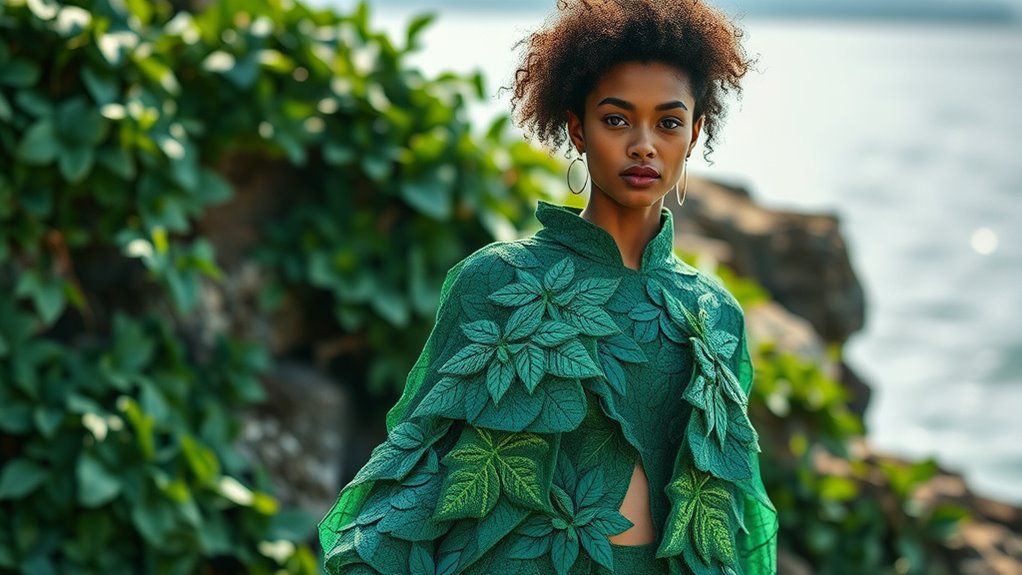
Marine Serre’s eco-futurist design philosophy centers on upcycling, transforming waste fabrics into innovative, high-fashion pieces that challenge traditional luxury standards. You’re encouraged to see discarded textiles not as waste but as raw material for futuristic fashion statements. Serre’s approach integrates repurposed fabrics into seasonal collections, creating a unique blend of sustainability and avant-garde design. Her signature crescent moon motif often appears on upcycled materials, emphasizing a forward-looking vision rooted in environmental responsibility. By using deadstock, vintage, and surplus fabrics, she reduces textile waste and minimizes reliance on virgin materials. This philosophy pushes the boundaries of luxury, making sustainability a core element of her aesthetic. You’ll notice how her eco-futurist approach redefines what it means to be a modern, conscious fashion innovator. Incorporating textile waste reduction techniques, her collections exemplify a commitment to minimizing environmental impact while maintaining high-end appeal.
Reformation’s Circular Economy and Transparent Footprint Practices

Reformation’s commitment to a circular economy exemplifies how luxury brands can integrate sustainability into their core operations. You’ll notice they prioritize transparency, offering product footprint labels that show how much CO₂ is saved per garment, empowering you to make eco-conscious choices. Their explicit circularity targets mean they’re actively working to extend product lifespans through repair, resale, and take-back programs. By adopting waste-reduction strategies like deadstock upcycling and smaller, made-to-order collections, they cut down overproduction. Reformation also leads in supply chain transparency, publishing detailed supplier lists and factory disclosures, so you know where your clothes come from. These practices demonstrate a genuine commitment to accountability, making sustainability a core part of their brand identity and helping you support truly responsible fashion choices. Additionally, their use of sustainable materials ensures that eco-friendly fabrics are prioritized throughout their collections.
Frequently Asked Questions
How Do These Brands Ensure Supply Chain Transparency and Ethical Labor Practices?
You can guarantee supply chain transparency and ethical labor practices by choosing brands that publish detailed supplier lists and factory information. Look for brands with third-party certifications like B Corp, which verify social and environmental performance. Additionally, opt for those that conduct independent labor audits, implement fair wages, and establish grievance mechanisms. Brands committed to nearshoring, worker upskilling, and transparent reporting demonstrate genuine dedication to responsible sourcing and ethical labor standards.
What Innovative Materials Are Luxury Brands Adopting to Reduce Environmental Impact?
You’ll find luxury brands adopting innovative materials like bio-based and mycelium leathers, which replace animal hides, reducing environmental impact. They’re also scaling regenerative and organic cotton to lower pesticide use and improve soil health. Recycled synthetics like ECONYL cut reliance on virgin fossil fuels, while deadstock fabrics and low-impact cellulosics like TENCEL help minimize waste and chemical discharge. These material choices reflect a strong commitment to sustainability and eco-friendliness.
How Are Brands Engaging Consumers With Sustainability Through Marketing and Education?
You might think luxury brands would keep sustainability a secret, but they’re shouting it from the rooftops. They use marketing campaigns, eco-labels, and digital passports to show off their green creds. You’re invited to “discover” their eco-friendly fibers and transparent supply chains, making you feel virtuous every time you shop. It’s sustainability served with a side of guilt—because who doesn’t love a guilt trip with their luxury?
What Circular Business Models Are Implemented to Promote Product Longevity and Waste Reduction?
You can promote product longevity and waste reduction by adopting circular business models like offering repair, resale, and rental services. These options extend your garments’ lifespan and reduce new production demand. Brands also focus on designing for durability and modularity, making items last longer and easier to update. Additionally, they use closed-loop recycling pilots and deadstock upcycling, turning waste into new products and minimizing environmental impact.
How Do Regulatory Trends Influence Luxury Brands’ Sustainability Strategies and Disclosures?
Regulatory trends push luxury brands to enhance transparency and accountability in their sustainability strategies. You’ll find them adopting third-party certifications, disclosing supply chain details, and reporting environmental footprints to meet new mandates. These rules also encourage the use of blockchain and digital passports for provenance, ensuring consumers and regulators can verify claims. As regulations tighten, you’ll see brands investing more in eco-friendly practices and clear disclosures to stay compliant and build trust.
Conclusion
So, while these brands boast about saving the planet one eco-friendly stitch at a time, it’s almost poetic how luxury fashion still thrives on exclusivity. You might think sustainability and glamour can’t coexist, but here they are—proving us wrong, or at least trying to. In the end, maybe the real luxury isn’t just how you look, but how much you can convince yourself that your eco-conscious choices are truly stylish.