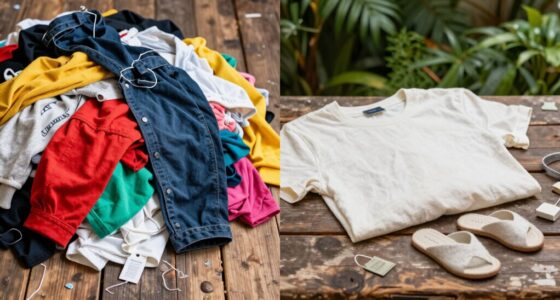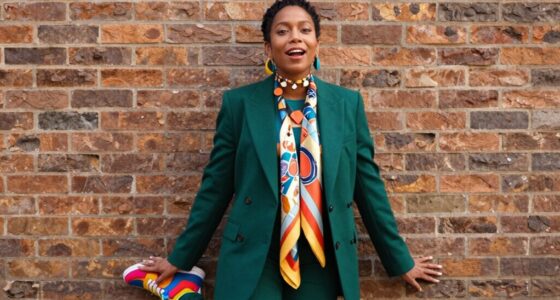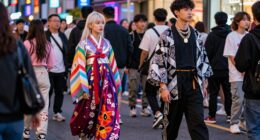
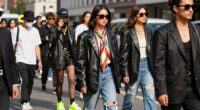
In the hybrid work era, your wardrobe is shifting towards comfort and versatility, blending casual and professional styles. You’ll find more acceptance for leisurewear, with trends like Quiet Luxury and bold, colorful outfits gaining popularity. Companies now favor practical, “video-ready” pieces that express your personality while respecting workplace standards. As you explore more, you’ll discover how retail innovations and evolving dress codes are shaping a new, flexible approach to work attire.
Key Takeaways
- The rise of hybrid work has shifted dress codes towards more casual, comfortable, yet professional attire suitable for both home and office settings.
- Consumers favor versatile, breathable, and sustainable clothing that easily transitions between work and leisure activities.
- Trends like Quiet Luxury and dopamine dressing reflect a move toward minimalist high-quality staples and bold, expressive styles.
- Employers and employees navigate evolving dress codes emphasizing video-ready, appropriate, and individualistic workwear choices.
- Retail innovations include wrinkle-resistant fabrics, capsule wardrobes, and rental or resale models supporting hybrid workwear needs.
The Evolving Landscape of Workplace Attire in the Hybrid Era

The landscape of workplace attire has transformed markedly in the hybrid era, driven by the blurring lines between formal and casual dress codes. As remote work became mainstream, leisurewear gained acceptance for professional settings, reducing demand for traditional suits. Surveys show that around 79% of hybrid workers now dress differently compared to pre-pandemic norms, with many adopting more relaxed or versatile styles. Despite relaxed attitudes, most companies still enforce dress codes, and a significant number of employees feel their attire signals their role or seniority. This shift reflects a broader cultural change, where comfort and practicality now take precedence over strict formality. Interestingly, the choice of clothing can also influence color accuracy perceptions of professionalism and confidence in virtual meetings. Workplace dress codes continue to evolve, balancing professionalism with personal expression and comfort.
Consumer Preferences Shifting Toward Comfort and Versatility

As hybrid work becomes the norm, consumer preferences have shifted sharply toward clothing that offers both comfort and versatility. You now prioritize pieces that can seamlessly shift from home to office, focusing on breathable fabrics, stretch, and easy layering. Comfort drives your choices—over 53% seek clothes that make moving effortless—while 92% want outfits suitable for both work and leisure. You favor high-quality staples that feel good and last longer, with a growing interest in relaxed tailoring and minimalist styles. Online searches for workwear surged, reflecting your desire for flexible wardrobe options. Casual items like jeans and sneakers are widely accepted, but you avoid gym clothes or revealing styles. Overall, your focus is on functional, adaptable clothing that supports your hybrid routine without sacrificing style or comfort. Additionally, the emphasis on sustainable and energy-efficient fabrics is increasing as consumers become more environmentally conscious in their fashion choices.
Key Styles and Trends Defining Modern Workwear
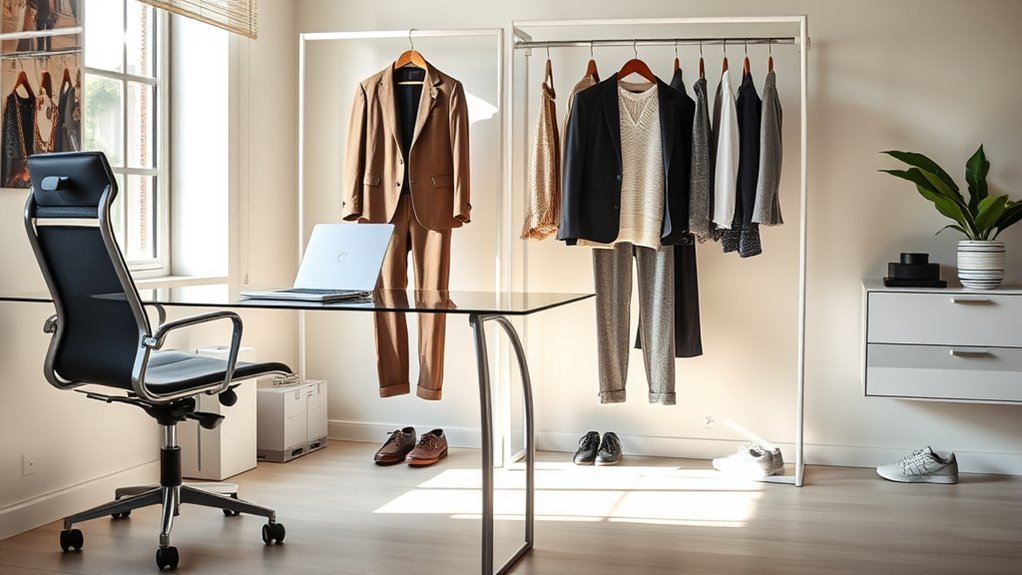
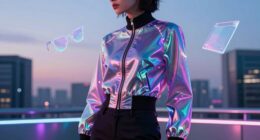
What are the key styles shaping modern workwear today? You’ll notice a shift toward Quiet Luxury, emphasizing minimalist, high-quality staples that look polished yet feel effortless. Bold, dopamine dressing with vibrant colors and textures is also gaining popularity, adding personality to your wardrobe. Preppy streetwear blends casual comfort with refined elements, while tailoring remains relevant for those who want a polished look with a relaxed vibe. New categories like Commuter-Chic and Streamlined Staples reflect the demand for versatile, functional pieces. Driven by Gen Z and Millennials, modern workwear celebrates individualism and unofficial “work uniforms,” allowing you to express personality while staying appropriate. These trends focus on comfort, versatility, and style that adapts seamlessly between remote and in-office settings.
Balancing Appropriateness and Employer Expectations

Balancing personal style with employer expectations requires maneuvering a dynamic landscape of dress codes and cultural norms. You need to understand your company’s policies, which often permit casual items like jeans and sneakers but restrict gym wear, miniskirts, or crop tops. While many employers tolerate relaxed attire, enforcement varies by sector and management. Younger workers may feel more pressure to dress appropriately for in-person meetings, yet they also seek comfort and individuality. Striking this balance involves choosing versatile, “video-ready” pieces that reflect your personal style without crossing professional boundaries. Prioritizing clothing that is both appropriate and comfortable helps you navigate hybrid work environments confidently, ensuring you meet employer expectations while expressing your identity. This approach minimizes stress and maintains professional credibility.
Retail Innovations Catering to the Hybrid Work Lifestyle
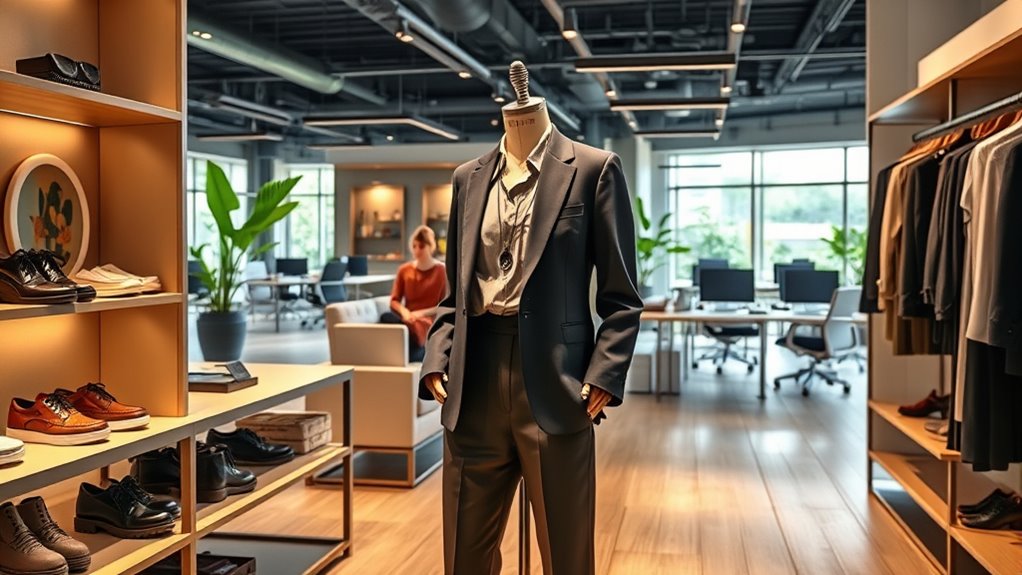
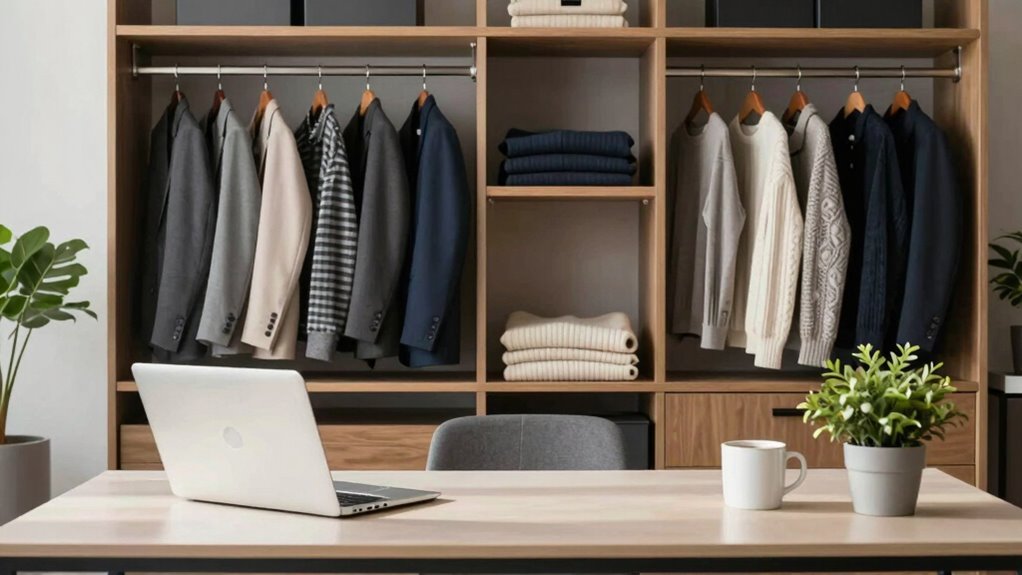
Retailers are rapidly innovating their offerings to meet the demands of the hybrid work lifestyle. They’re expanding “comfort work clothing” categories with breathable fabrics, stretchy materials, and wrinkle-resistant fabrics that suit both home and office settings. Brands emphasize durable, seasonless staples aligned with Quiet Luxury and versatile pieces perfect for commuting. Styling strategies now include “video-ready” tops paired with comfortable bottoms and curated “in-office uniforms” to simplify dressing decisions. Retailers are also exploring rental, resale, and capsule wardrobe models to promote sustainability and wardrobe efficiency. These innovations cater to consumers seeking high-quality, versatile, and functional clothing that adapts seamlessly to hybrid work routines, reducing decision fatigue while supporting a flexible, comfortable, yet professional appearance. Additionally, incorporating market research insights can help brands identify emerging trends and tailor their offerings to evolving consumer preferences.
Frequently Asked Questions
How Are Companies Enforcing Dress Codes in a Hybrid Work Environment?
Companies enforce dress codes in hybrid work environments through clear policies, regular communication, and monitoring. You might notice strict enforcement in some sectors, with managers reminding you of dress standards, especially for in-person meetings. While casual attire like jeans and sneakers is often accepted, inappropriate items such as gym clothes or crop tops are discouraged. Employers balance flexibility with professionalism, ensuring dress codes adapt to hybrid needs without compromising company image.
What Role Does Sustainability Play in Hybrid Workwear Fashion?
Sustainability plays a key role in your hybrid workwear choices by encouraging you to prioritize quality, versatile pieces, and eco-friendly fabrics. You’re likely to seek durable, seasonless staples that last longer, reducing waste. Brands now emphasize technical, sustainable materials, making it easier for you to build a wardrobe that’s stylish, functional, and eco-conscious. This shift helps you minimize your environmental impact while maintaining a flexible, comfortable, and professional look.
Are Gender-Specific Workwear Trends Still Relevant in Hybrid Workplaces?
Gender-specific workwear trends are becoming less relevant in hybrid workplaces. You’ll notice that about 85% of men have seen significant changes in professional attire, reflecting a move toward more inclusive styles. Many companies now accept casual items across genders, emphasizing comfort and versatility. You’re encouraged to express your individual style, blending traditional and modern elements, regardless of gender, as hybrid work promotes personal comfort and authenticity over strict gender norms.
How Does Hybrid Work Influence the Future of Formal Business Attire?
Hybrid work is transforming formal business attire by making it more flexible, versatile, and comfort-focused. You’ll likely see a shift toward minimalist, high-quality staples and bold, individualistic styles like dopamine dressing or preppy streetwear. Employers still expect some level of professionalism, but the emphasis is on clothing that adapts seamlessly from home to office, prioritizing ease, functionality, and personal expression. As a result, traditional suits are becoming less dominant, replaced by modern, hybrid-ready styles.
What Technological Innovations Are Shaping Hybrid Workwear Comfort and Functionality?
You might think tech innovations are just for gadgets, but they’re transforming your workwear too. Breathable, stretch fabrics with moisture-wicking, wrinkle-resistant features keep you comfortable from home to office. Smart textiles monitor your temperature and adjust accordingly, boosting comfort and focus. Wearable tech like embedded sensors can even track posture, helping you stay ergonomic. These innovations make hybrid work clothes smarter, more versatile, and perfectly suited for your dynamic routine.
Conclusion
So, here you are, blending gym wear with boardroom elegance, all in the name of productivity. Who knew that your “hybrid wardrobe” would become your new best friend? As you master the art of looking professional while feeling comfortable, remember—your boss might just be secretly jealous of your effortless style. Embrace the chaos, because in this hybrid world, dressing up is officially overrated. Welcome to the future of workwear, where comfort reigns supreme.